
Mind map
FORENSIC DRUG ANALYSIS
Map content
FORENSIC DRUG ANALYSIS
INTRODUCTION
- Forensic drug chemistry uses a series of processes performed in the field or laboratory to detect the presence or absence of controlled substances
- Chemical analysis performed in the laboratory on submitted evidence detects and identifies illegal drugs, and helps law enforcement prosecute offenders
- Results from this analysis often serve as the basis for criminal proceedings and help to determine sentencing for convicted offenders
CLASSIFICATION OF DRUGS
- Opiates
- USE & EFFECT
- Reduce sensation and induce a sleep-likestate
- EXAMPLES
- Heroin, morphine, codeine,methadone
- USE & EFFECT
- Hallucinogens
- USE & EFFECT
- After an individual’s perceptions and may result in illusions and sensory distortions
- EXAMPLES
- LSD,cannabis and other cannabinoids
- USE & EFFECT
- Depressant
- USE & EFFECT
- Depress the functions of the central nervous system,resultingcalm irritability and anxiety and may induce sleep
- EXAMPLES
- Alcohol (ethanol) Barbiturates tranquilizers, and various substances that can be sniffed
- USE & EFFECT
- Stimulants
- USE & EFFECT
- Stimulants are substances taken to increase alertness or activity, followed by a decrease in fatigue and a loss of appetite
- EXAMPLES
- Amphetamines, cocaine, methamphetamines
- USE & EFFECT
- Club Drugs or synthetic drug
- USE & EFFECT
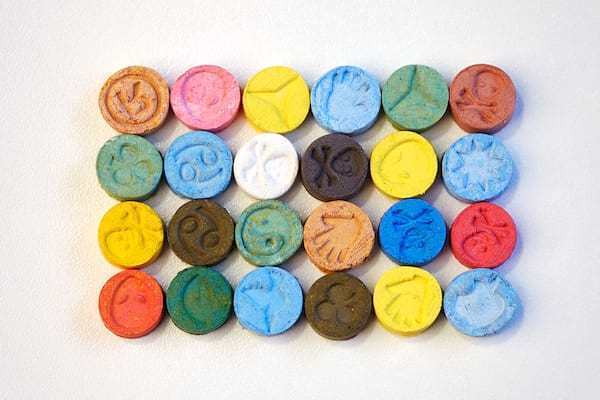
- The term club drugs refers to synthetic drugs that are used at nightclubs, bars, and raves
- EXAMPLES
- MDMA (Ecstasy), GHB,Rohypnol (“Roofies”), Ketamine, Methamphetamine
- USE & EFFECT
- Anabolic Streoids
- EXAMPLES
- Human growth steroids, testosterone
- USE & EFFECT
- Mood swings, impairedjudgement, aggession
- EXAMPLES
- Opiates
TYPES OF DRUGS
- Opiates
- OxyContin
- with the active ingredient oxycodone, is not derived from opium or morphine
- for treatment patient with chronic pain
- Codeine
- also present in opium, but it is usually prepared synthetically from morphine
- Methadone
- another well-known synthetic opiate
- pharmacologically related to heroin, appears to eliminate the addict’s desire for heroin while producing minimal side effects
- Morphine
- readily extracted from opium and is used to synthesize heroin
- Heroin
- produces a “high” that is accompanied by drowsiness and a sense of well-being that generally last for three to four hours
- Addicts frequently dissolve heroin in water by heating it in a spoon, and then inject in the skin.
- OxyContin
- Hallucinogens
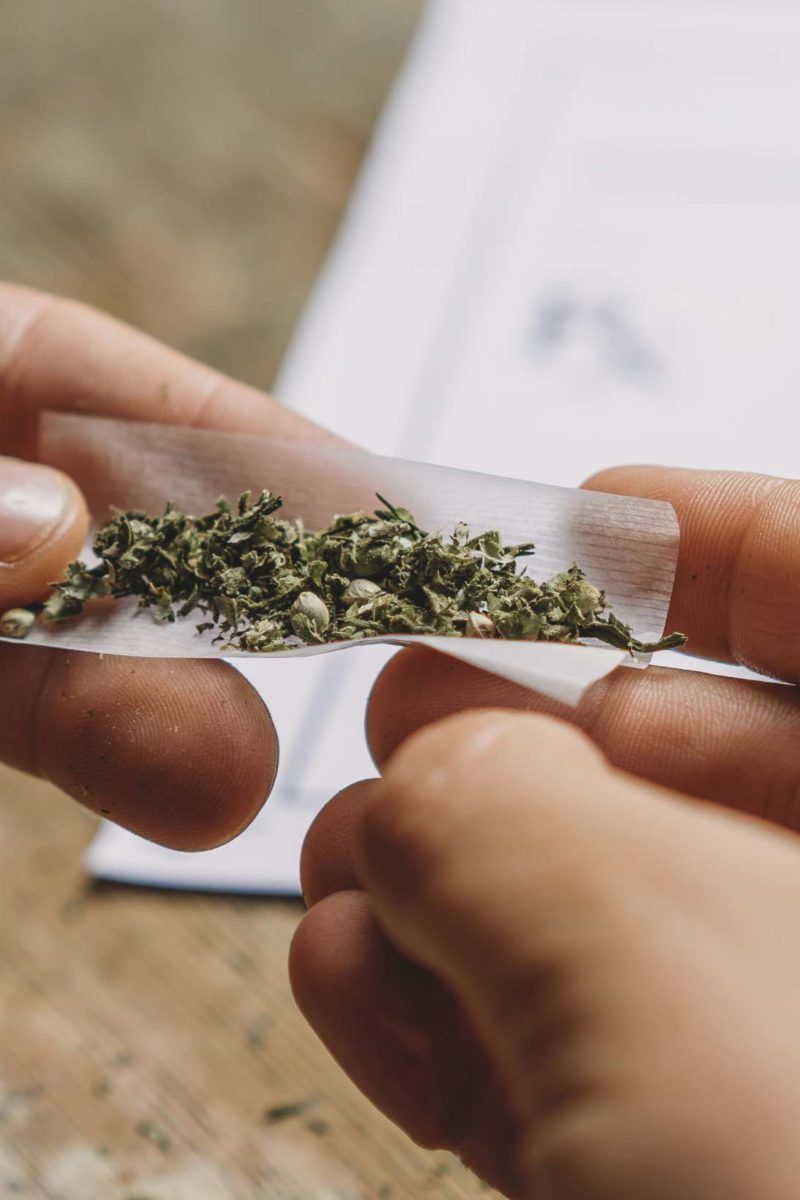
- Marijuana
- the most controversial drug in this class because its long-term effects on health are still largely unknown
- Marijuana refers to a preparation derived from the plant Cannabis
- does not cause physical dependency, but the risk of harm is in heavy, long-term use
- Others Hallucinogens
- LSD
- synthesized from lysergic acid, and can cause hallucinations that can last for 12 hours
- Phencyclidine
- Oral intake of PCP first leads to feelings of strength and invulnerability, which may turn to depression, tendencies toward violence, and suicide
- LSD
- Marijuana
- Depressant
- Barbiturates
- normally taken orally and create a feeling of well-being, relax the body, and produce sleep
- Tranquilizers
- produce a relaxing tranquility without impairment of high-thinking faculties or inducing sleep
- Alcohol
- acts to suppress the brain’s control of thought processes and muscle coordination
- Barbiturates
- Stimulants
- Crack
- stimulates the brain’s pleasure center
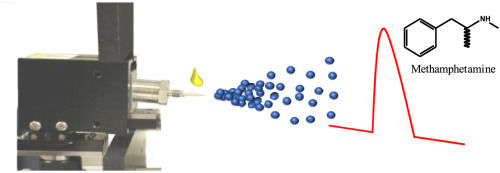
- Methamphetamine
- cause an initial “rush,” followed by an intense feeling of pleasure, followed by a period of exhaustion and a prolonged period of depression
- Cocaine
- causes increased alertness and vigor, accompanied by the suppression of hunger, fatigue, and boredom
- Crack
- Club Drugs or synthetic drug
- MDMA
- enhances self-awareness and decreases inhibitions
- Ketamine
- causes euphoria and hallucinations
- GHB
- central nervous system depressants that are often connected with drug-facilitated sexual assault, rape, and robbery
- MDMA
- Anabolic Streoids
- synthetic compounds that are chemically related to the male sex hormone testosterone.
- Side effects include unpredictable effects on mood and personality, depression, diminished sex drive, halting bone growth, and liver cancer
- Opiates
IDENTIFICATION OF DRUGS
- Qualitative
- TYPE OF TEST
- Screening Test
- preliminary tests used to reduce the number of possible identities of an unknown substance
- Confirmation Test
- a single test that specifically identifies a substance
- Screening Test
- Quantitative
TEST USED TO DETERMINE DRUGS
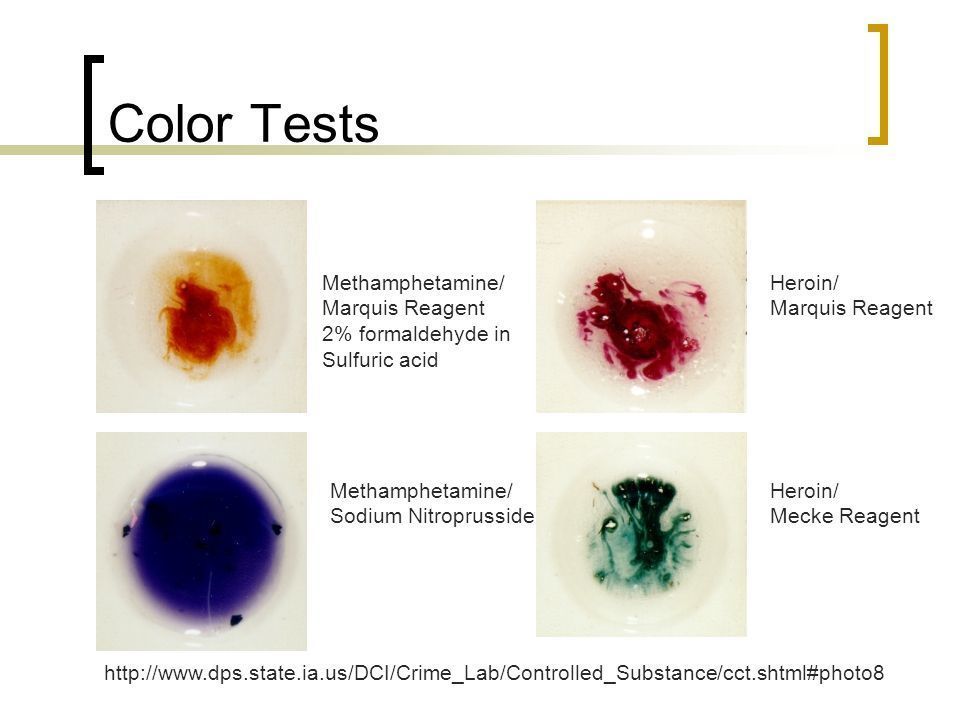
- Colour Test
- When mixed with a certain reagent, a drug can produce a characteristic color
- Useful for field investigators
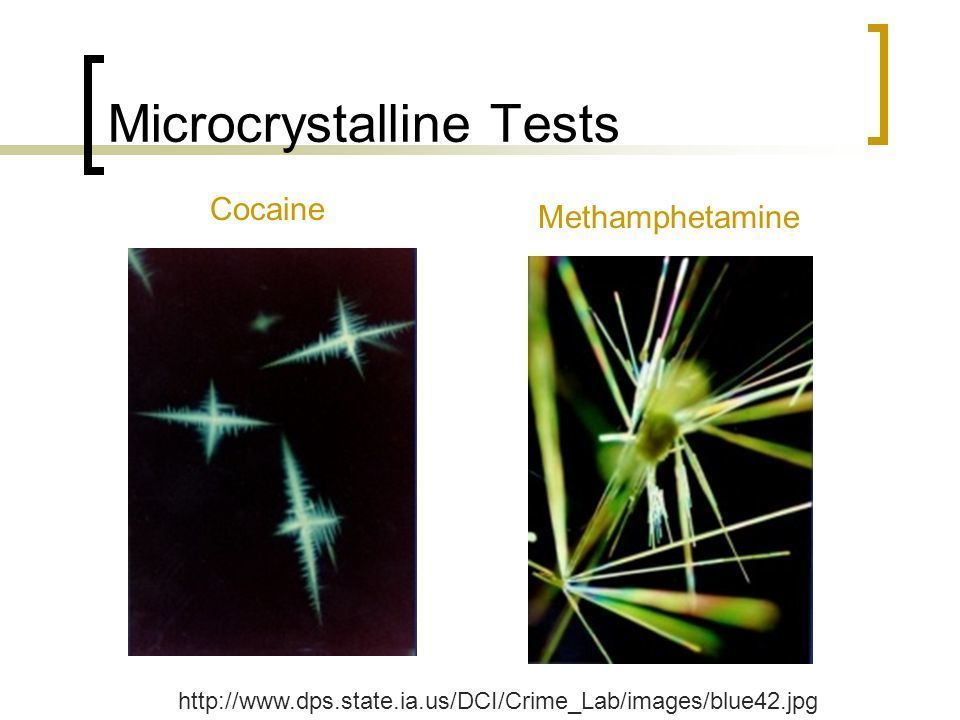
- Microcrystalline Test
- Crystals have different shape depending upon what drug
- More specific than colour test
- Quick, cheap and no isolation required
- Chromatography Test
- An analytical technique used to separate the components of a mixture for the purpose of identification and quantification
- Useful to forensic scientists because drugs often come in the form of a mixtures
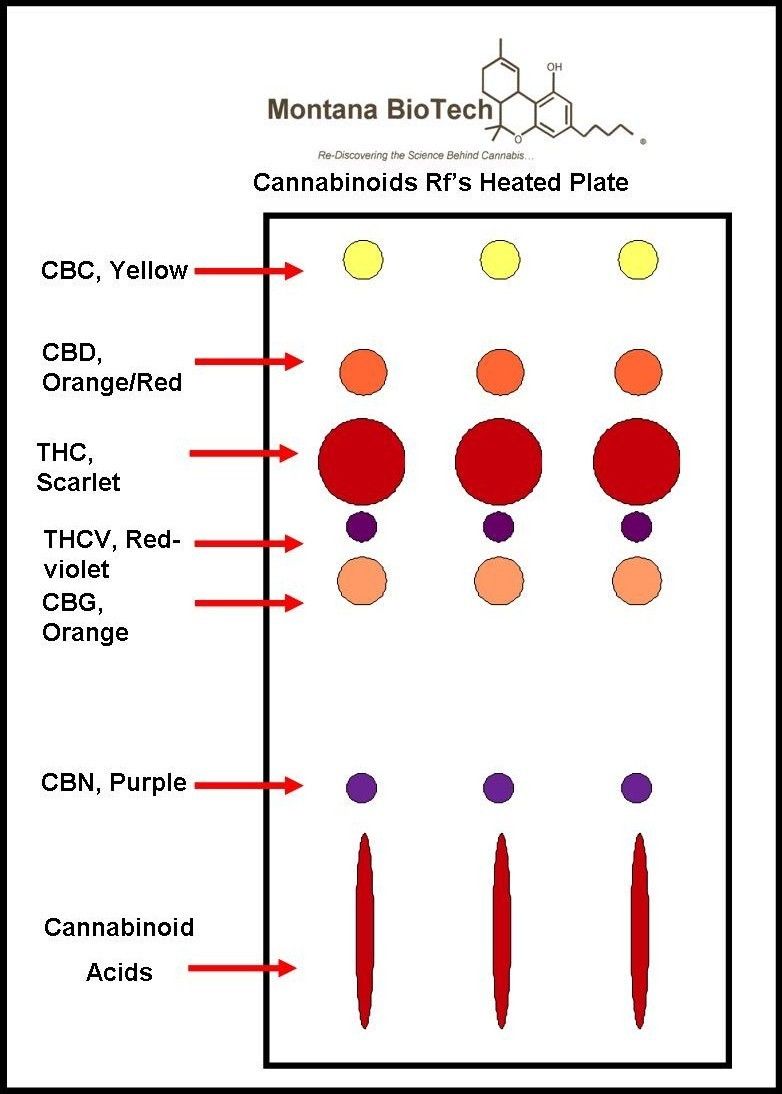
- TLC
- Different solvents result in different distances where some systems include color change components
- As the solvent travels up the chromatogram, components of a mixture travel at different speeds
- Unknown substances can be compared to reference samples
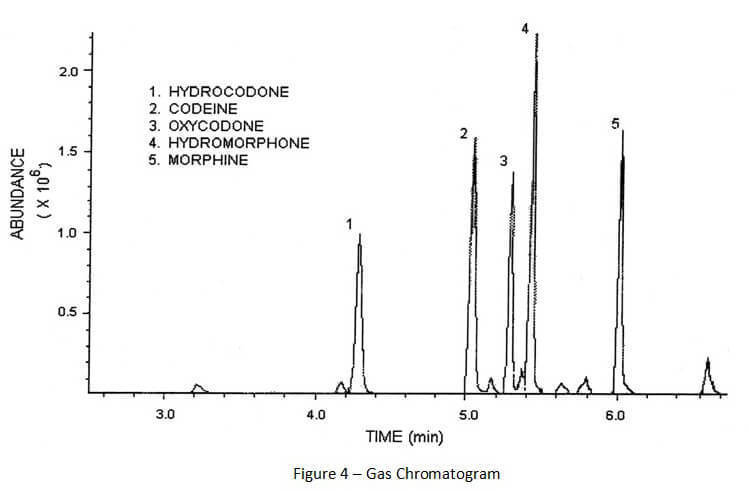
- GAS
- GC –solid stationary phase/gaseous mobile phase
- Complex mixtures can easily be analyzed
- Quantitative results can be obtained
- The time it takes to pass through the capillary gives an indication of which drug it is
- Spectrophotometry
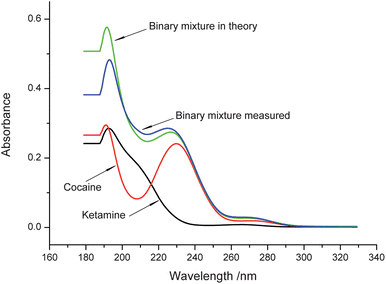
- UV-Visible
- The absorption of UV or visible light can be used to identify or quantify an unknown substance
- Identification is not exact; other substances can have similar absorption spectra
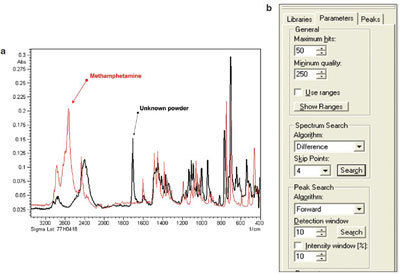
- Infrared Light
- Unknown substances can be analyzed by measuring the absorption of infrared light
- Substances can be specifically identified by their IRspectrum (like a fingerprint)
- Mass spectrometry
- A substance is bombarded with high-energy electrons
- This causes the substance to ionize
- The ions break up into smaller fragments.
- The fragments are separated by mass
- The fragmentation pattern is unique to each individual substance
- The fragments are separated by mass
- The ions break up into smaller fragments.
- This causes the substance to ionize
- A substance is bombarded with high-energy electrons
- UV-Visible
- Colour Test
Images and files in the map

Information
- Description
- Mind Map on FORENSIC DRUG ANALYSIS, created by Tele Tubby on 22/12/2020.
- Created by
- Tele Tubby
- Views
- 0
- Rating