
Mind map
Diabetic Ketoacidosis - Jessica and Misbah
Map content
Diabetic Ketoacidosis - Jessica and Misbah
Interventions
- Adjust fluid volumes (Nyenwe & Kitabchi, 2016)
- correcting electrolyte imbalance
- restoring hyperosmolaity
- Fluid replacement using IV solutions (Nyenwe & Kitabchi, 2016)
- Normal Saline
- Ringers Lactate
- correcting electrolyte imbalance
- Increase tissue perfusion (Nyenwe & Kitabchi, 2016)
- Restore blood glucose (Nyenwe & Kitabchi, 2016)
- insulin therapy (Noble-Bell & Cox, 2014)
- resolving ketosis (Nyenwe & Kitabchi, 2016)
- Nursing Assessments
- Monitor fluid balance: intake and output (Noble-Bell & Cox, 2014)
- Monitor vital signs and level of consciousness hourly (Use Glascow scale) (Noble-Bell & Coz, 2014)
- Monitor for signs of related to fluid overload, dehydration, electrolyte imbalance (Noble-Bell & Cox, 2014)
- Capillary Blood Glucose and ketones every 1 hour during acute phase (Noble-Bell & Cox, 2014)
- Monitor serum potassium levels (Noble-Bell & Cox, 2014)
- Blood gases in monitoring for acidosis/alkalosis (Noble-Bell & Cox, 2014)
- Adjust fluid volumes (Nyenwe & Kitabchi, 2016)
Etiology
- Diabetes Type I / Diabetes Type II (Nyenwe & Kitabchi, 2016)
- Insulin deficency, and increase glucose in the blood stream
- Infection (Westerberg, 2013)
- Pneumonia
- Urinary Tract infection
- Sepsis
- Certain Medications (Wetserberg, 2013)
- Antipsychotics (Wetserberg, 2013)
- corticosteroids, glucagon, interferon, pentamidine, sympathomimetic agents, thiazide diuretics (Wetserberg, 2013)
- Illicit drugs: cocaine, alcohol (Wetserberg, 2013)
- Diabetes Type I / Diabetes Type II (Nyenwe & Kitabchi, 2016)
Risk factors
- Vomiting (Nyenwe & Kitabchi, 2016)
- Fasting (Nyenwe & Kitabchi, 2016)
- Pregnant (Nyenwe & Kitabchi, 2016)
- poor adherence to insulin/ or insulin omission (Anzola, Gomez, & Umpierrez, 2016)
- New diagnosis (Nyenwe & Kitabchi, 2016)
- Previous DKA (Wolfsdorf et al., 2014)
- poor management of hydration (Wolfsdorf et al., 2014)
- Eating disorders (Wolfsdorf et al., 2014)
- Lack of access to health care (Wolfsdorf et al., 2014)
Clinical Manifestations: Evolves over a short time period & can pogress quickly. (Nyenwe & Kitabchi, 2016)
- Lab values
- glucose > 250 mg/dl (Nyenwe & Kitabchi, 2016)
- Metabolic Acidosis (Westerberg, 2013)
- Kussmaul Respirations
- Ph < 7.35 (Nyenwe & Kitabchi, 2016)
- HCO3 <22mmol/ L (Nyenwe & Kitabchi, 2016)
- Hyperglycemia (Westerberg, 2013)
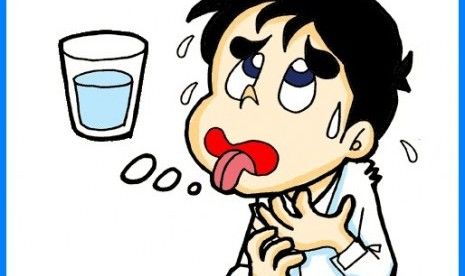
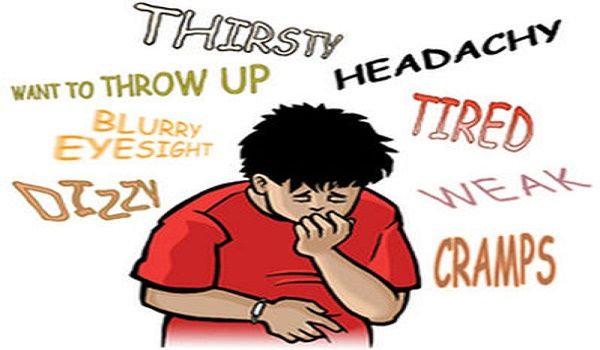
- Polydipsia
- Polyphagia
- Polyuria
- Weightloss
- Fatigue
- Vomiting (Nyenwe & Kitabchi, 2016)
- Abdominal Pain (Nyenwe & Kitabchi, 2016)
- Dehydration (Westerberg, 2013)
- Hypotension
- Tachycardia
- Poor skin turgor
- Dry mucous membranes
- Orthostatic hypotension
- Decreased level of Consciousness (Anzola et al., 2016)
- Ketosis: acetone scent (Sweet smell) (Nyenwe & Kitabchi, 2016)
- Lab values
Pathophysiology
- Insulin deficiency (Westberg, 2013)
- increase in counter regullatory hormones (Westberg, 2013)
- glucagon
- catechalomines
- cortisol
- growth hormones
- Fats are broken down into ketones (Westberg, 2013)
- Proteins are broken down (Westberg, 2013)
- Glucose and ATP is created (Westberg, 2013)
- Leads to hyperglycemia and osmotic diuresis (Westberg, 2013)
- Dehydration
- Hyperosmolaric state.
- Metabolic acidosis
- Leads to hyperglycemia and osmotic diuresis (Westberg, 2013)
- Glucose and ATP is created (Westberg, 2013)
- Proteins are broken down (Westberg, 2013)
- increase in counter regullatory hormones (Westberg, 2013)
- Insulin deficiency (Westberg, 2013)
Complications
- Hypoglycemia (Nyenwe & Kitabchi, 2016)
- Due to insulin overtreatment (Nyenwe & Kitabchi, 2016)
- Acute Renal failure (Westerberg, 2013)
- Shock (Westerberg, 2013)
- Cerebral Edema (Westerberg, 2013)
- Hypokalemia (Nyenwe & Kitabchi, 2016)
- Hypoglycemia (Nyenwe & Kitabchi, 2016)
Prevention
- Health teaching (Anzola et al., 2016)
- adherence to insulin therapy
- controling blood glucose levels
- how to adjust insulin when ill
- maintaining adequate fluid intake
- Addressing barriers (Anzola et al., 2016)
- in access to health care, primary care
- in communication with the health care provider, or social supports
- in social supports such as family, friends school and it's affect on health
- Health teaching (Anzola et al., 2016)
Images and files in the map

Information
- Description
- Mind map on Diabetic Ketoacidosis a class assignment made by Jessica and Misbah
- Created by
- Light Lamp
- Views
- 240
- Tags
- Rating