
Notes
Learning Styles - created from Mind Map

Content of the notes (1)
Page 1

The Three Learning Styles (1) Non-Associative, (2) Associative, (3) Observational, is to use and help guide us to come to understand the different ways others are learning in behaviors. Learning is important, it changes individual behaviors psychological processing, emotional functioning, which is important to awareness, knowledge, or experiences (Grison and Gazzaniga, 2019).
Non-Associative
Learning about stimulus like sight or sound, in external world
Associative
Learning the relationship between two pieces of information.
Watching Others
Learning by watching how others behave
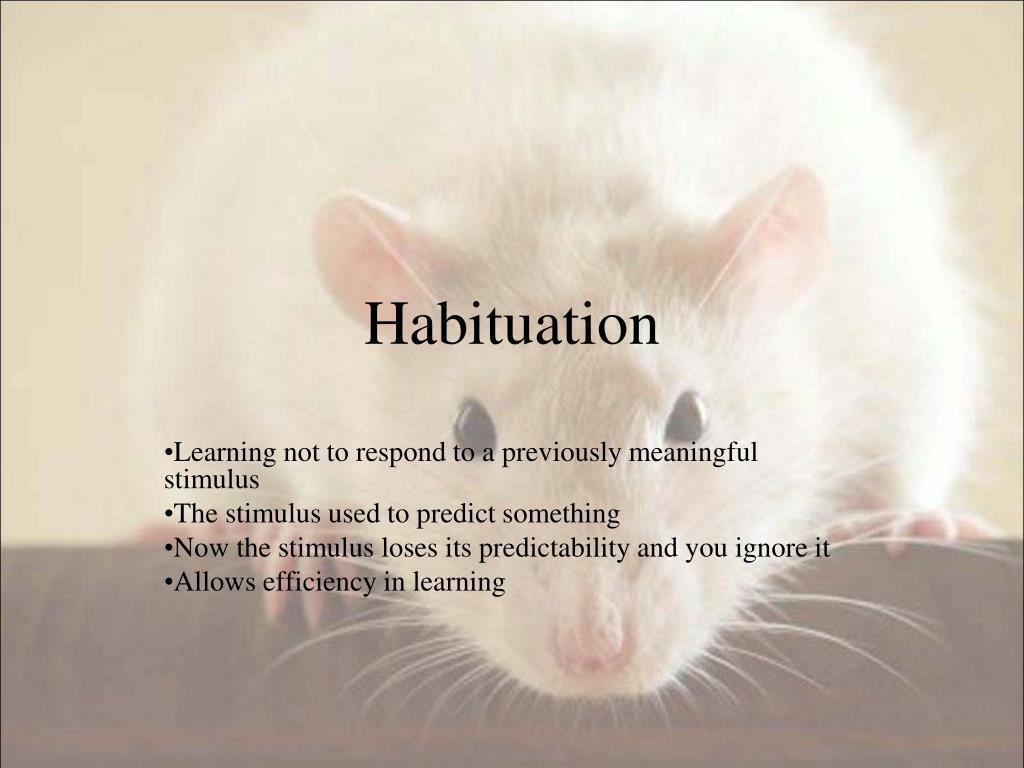
Habituation
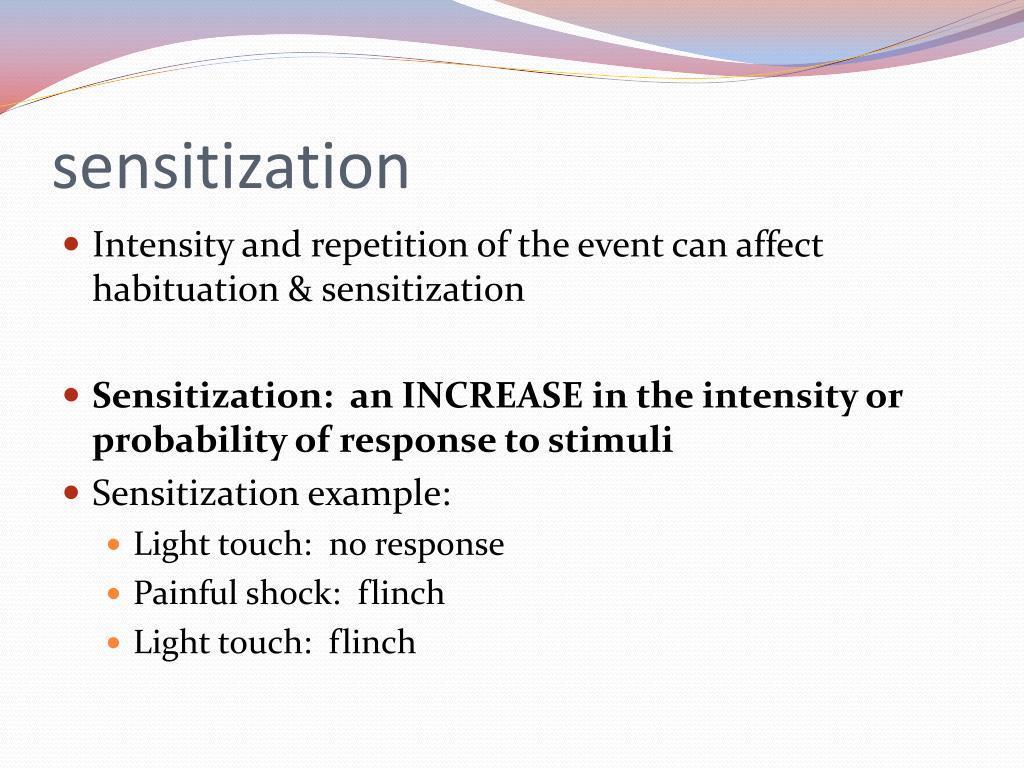
Sensitization
Behavior response to stimulus decreases
Behavior responses to a stimulus increase
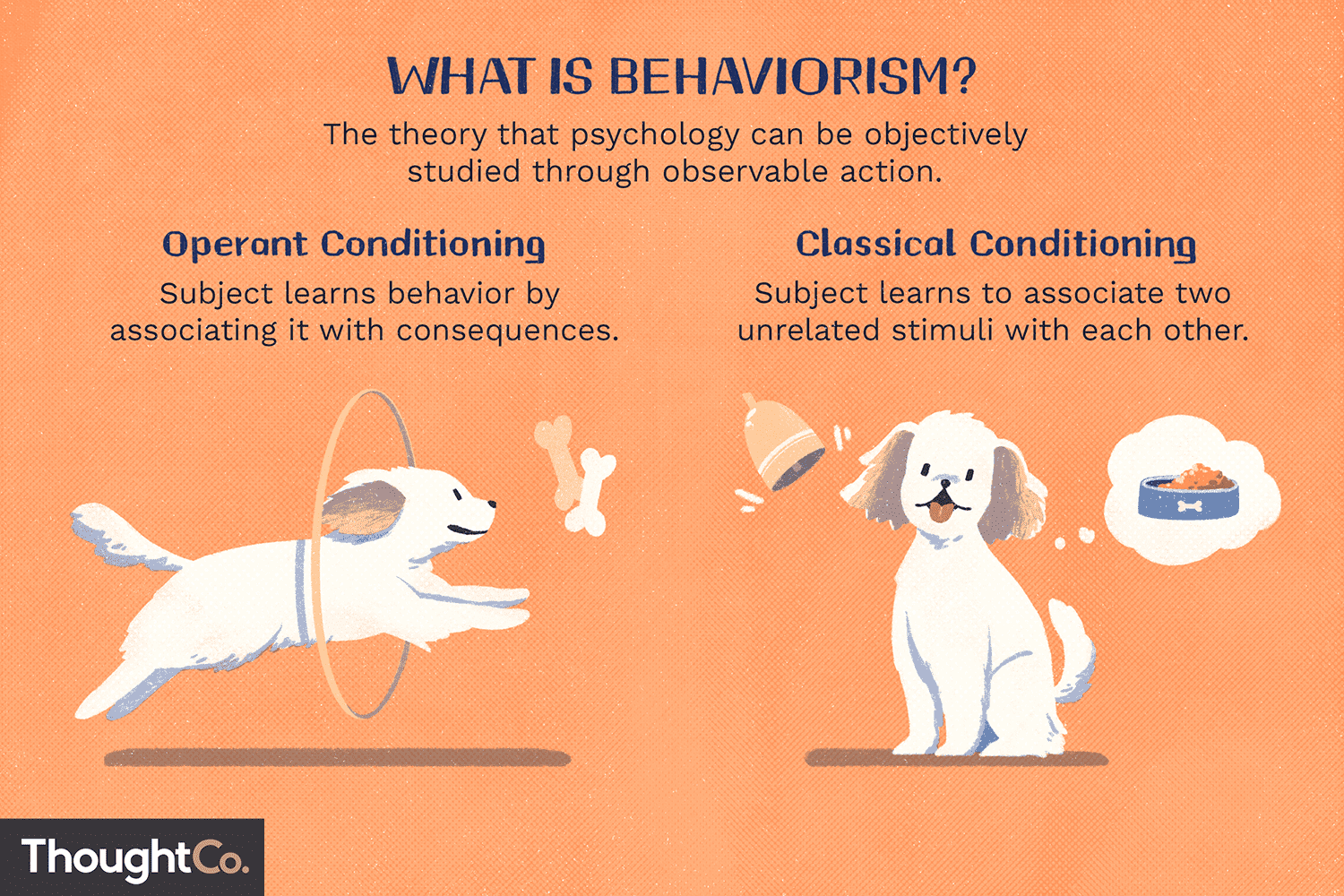
Classical Conditioning
Learn that a stimulus predicts another stimulus
Operant Conditioning
Learning a behavior leads to certain outcome

Observational
Learn or change a behavior after watching a person engage in that behavior
Vicarious Conditioning
Learning to engage in behavior or not, after seeing being rewarded or punished for performing that action

Modeling
Displaying a behavior that imitates a previously observed behavior
Motivation
Attention
Reinforcement
Retention
Information
- Description
- Legal Counsel amie davidson Note on Learning Styles - created from Mind Map, created by Amie Davidson on 29/04/2022.
- Created by
- Amie Davidson
- Views
- 0
- History
-
- Created by Amie Davidson · Apr 29, 2022
- Copied by Amie Davidson · Apr 29, 2022
- Copied to Note by Amie Davidson · Apr 29, 2022
- Rating