
Notes
Cardiovascular Agents Intro - created from Mind Map
Content of the notes (1)
Page 1
Circulatory system
Electrocardiogram(ECG) P Wave-atria electrically stimulated to pump blood to ventricles. QRS complex=ventricles stimulated to pump blood. ST segment=end of ventricular contraction. T wave=recovery of ventricles
DISEASES<br><br><ul><li>-HTN
-Angina pectoris
-Myocardial Ischemia
-Arrhythmia
-Myocardial Infarction
-Chronic Heart Failure</li></ul>
Positive and Negative Inotropic Agents
MOAs of cardiovascular drugs
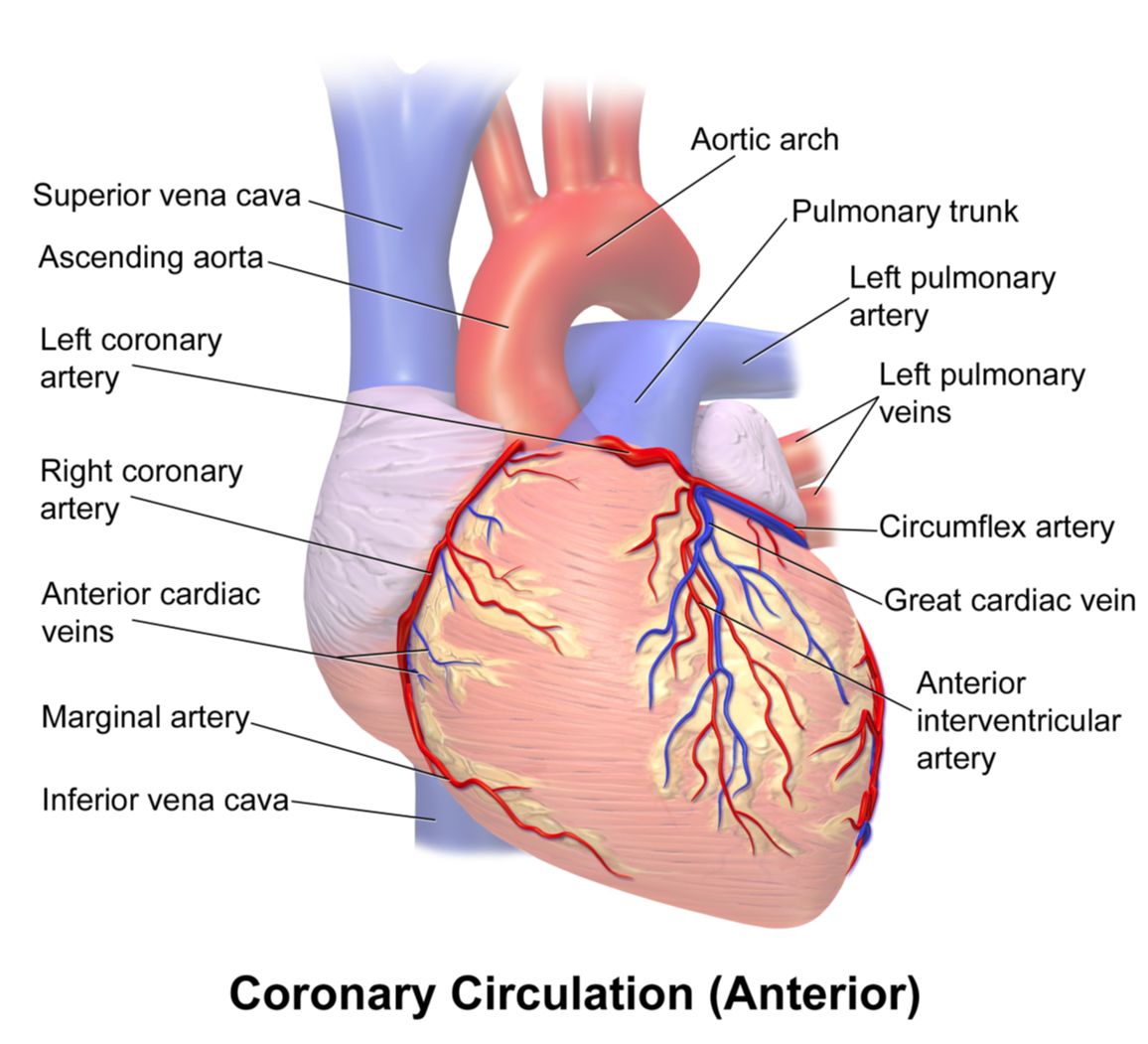
Heart veins and arteries
Veins=carry O2 poor blood back to the heart (Pulmonary and umbilical veins are O2 rich)
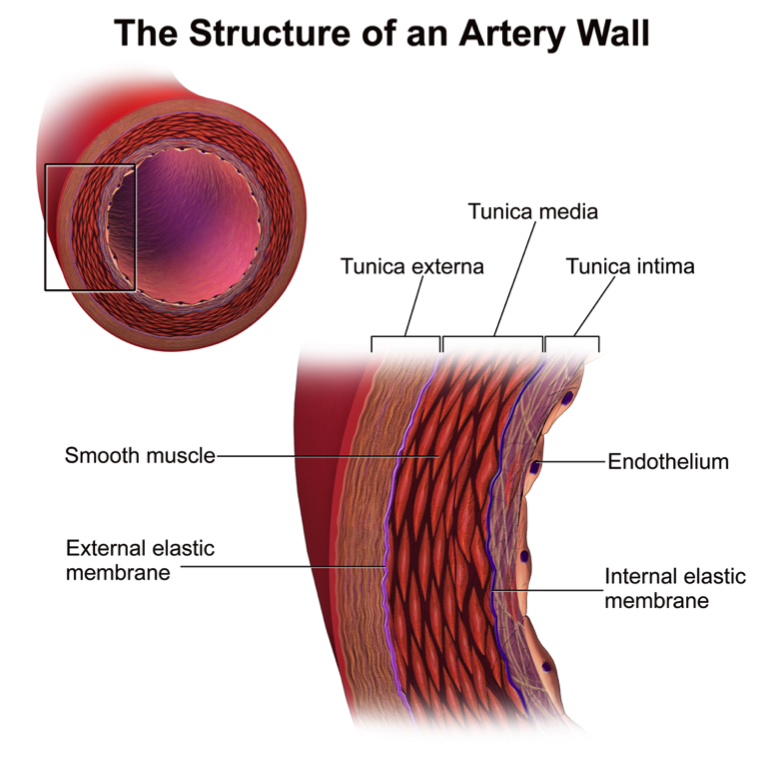
Arteries=more muscles and higher pressure than veins
Arterial HTN
Pulmonary Arterial HTN
Myocardial Ischemia<br><br><ul><li>Drugs=
•Aspirin
•Nitroglycerin
•Beta blockers
•Cholesterol-lowering
drugs
•Calcium-channel
blockers
•ACE
inhibitors
•Anti-angina meds
</li></ul>
Angina Pectoris
Arrythmia<br><br><ul><li>Drugs=
Class 1- Sodium-channel
blockers: slow electrical conduction in the heart
Class 2- Beta blockers: block impulses that cause irregular rhythm, interfere with adrenaline on heart cells, reduce blood pressure and rate.
Class 3- Potassium channel blockers: slow electrical impulses in heart
Class 4- Calcium channel blockers: block impulses that cause irregular rhythm, interfere with adrenaline on heart cells, reduce blood pressure and rate.
^Vaughan-Williams Classification scheme </li></ul>
Acute MI<br><br><ul><li>Drugs=
•Antiplatelet,e.g., Aspirin
•Oxygen
•Nitrates
(vasodilators)
•Pain
control
•Fibrinolytics
•ACE inhibitors/ARBs
•Statins
•Betablockers–Administered within 12 h–Decrease rate and force of heart’s work–Lowers oxygen demand </li></ul>
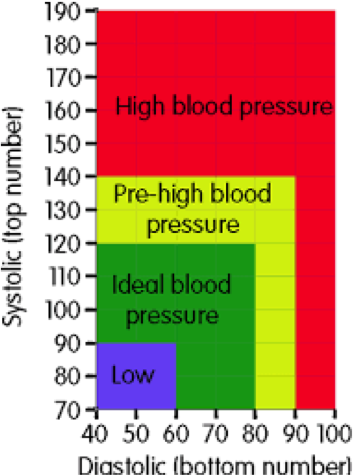
“high blood pressure” “the silent killer” Can lean to stroke, heart attack, and peripheral vascular disease Systolic (pressure against arterial wall during heart contraction) Diastolic (pressure against arterial wall at rest)
May be treated with: Beta blockers, diuretics, and ACEis.
can be caused by heart failure, COPD, embolism(block) etc. May be treated with number of agents like diuretics and vasodilators
Lack of blood flow to heart-can damage heart muscle and lead to heart failure and arrhythmia
Chest pain-hypoxia triggers pain receptors in heart;caused by partial blockage of coronary arteries (myocardial ischemia)<br><br><ul><li> Drugs=
•Calcium channel blockers
•Nitrodilators
•Beta blockers
•Ranolazine (sodium current blocker)
•Anticoagulants
•Antiplatelets</li></ul>
Tachycardia, bradycardia and A fib-irregular fast uncontrolled beats of individual muscle fibers.
Inefficient O2 delivery
Heart cells die, leading cause of US death, many types such as plaque rupture or surgery related, ST segment elevation or not
NEGATIVE
POSITIVE
Good for those with hypertension, heart failure, arrhythmia, angina, previous infarction Ex) BBs, CCBs, antiarrhythmic medicines
Good for those with weak heart(Heart failure or infarction). Ex) Digoxin
Vasodilation, diuretics, inotropic agents, angiotensin inhibition, antiplatelet therapy, anticoagulation, antithrombitic therapy, cholesterol drugs
Drug MOAs
Vasodilation<br><br><ul><li>Categories=
•Alpha-adrenergic
antagonists
(alpha-blockers)
•Beta-adrenergic
agonists
•Centrally
acting sympatholytics (a2-agonists)
•Ganglionic
blockers
•Angiotensin
converting
enzyme (ACE) inhibitors
•Angiotensin
receptor
blockers (ARBs)
•Renin
inhibitors
•Calcium-channel
blockers
(CCBs)
•Direct
acting
vasodilators
•Endothelin receptor
antagonists
•Nitrodilators
•Phosphodiesterase
inhibitors
•Potassium-channel
openers </li></ul>
Diuretics
ACE inhibs
Anticoag
Antiplatelet<br><br><ul><li>•Aspirin
•Adenosine
diphosphate (ADP) receptor inhibitors
•Adenosine
reuptake inhibitors
•Glycoprotein
IIB/IIIA inhibitors
•Phosphodiesterase
inhibitors
</li></ul>
Antithrombotic<br><br><ul><li>•Tissue
plasminogen
activators
–Alteplase (Activase)
–Reteplase (Retavase)
–Tenecteplase (TNKase)
•Anistreplase (Eminase)
•Streptokinase
(Kabikinase,
Streptase)
•Urokinase (Abbokinase)
</li></ul>
Cholesterol drugs
ionotropic agents
Relax the smooth muscles in blood vessels. Causes dilation (widening). Dilation of arteries reduces systemic vascular resistance, useful for hypertension and heart failure, not angina. Dilation of veins lowers venous blood pressure, useful for angina and heart failure, but not primarily for hypertension
Get rid of excess fluids and sodium. Renal elimination enhanced Decreased tubular reabsorption of ions This relieves pressure on the heart. Loss of fluid from lungs, legs, etc. can be helpful. Various MOAs
Osmotic diuretics, Carbonic anhydrase inhibitors, Thiazide diuretics, Loop diuretics, Potassium-sparing
Angiotensin II helps to narrow blood vessels and raise blood pressure. ACE inhibitors prevent biosynthesis of angiotensin II. Treat hypertension and heart failure Prevent stroke and kidney damage.
ARBS-Block the angiotensin II receptor. ARBs dilate blood vessels and lower blood pressure. Treat hypertension and heart failure
"blood thinners" do not dissolve existing clots, Vitamin K antagonists(warfarin), heparin, and new oral anticoagulants
Stops platelets from forming clots. Given to pets with a history of: CAD, HA, angina, stroke, or transient ischemic attacks, PVD
Work to dissolve a clot after its formed, thrombolysis. Best if administered immediately after an emergency
Statins-Hmg/CoA inhibitors, Bile sequestering agents, cholesterol absorption inhibitors, fibrates, niacin, omega 3 fatty acids
Information
- Description
- Note on Cardiovascular Agents Intro - created from Mind Map, created by carson porch on 11/11/2016.
- Created by
- carson porch
- Views
- 0
- History
-
- Created by carson porch · Nov 11, 2016
- Copied to Note by carson porch · Nov 11, 2016
- Rating