
Notes
Ahmed Cannot Run - created from Mind Map
Content of the notes (1)
Page 1
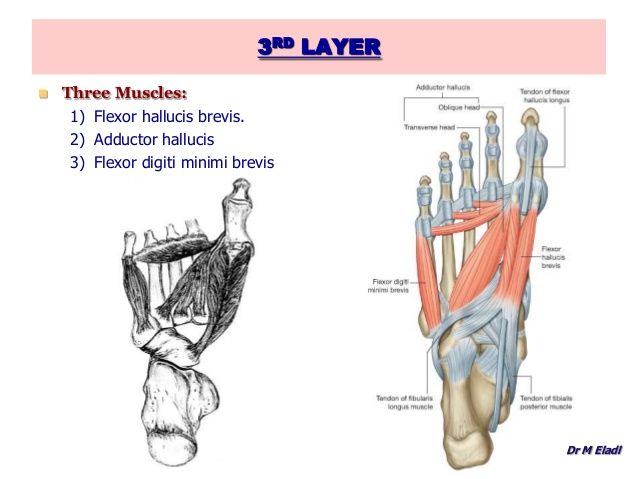
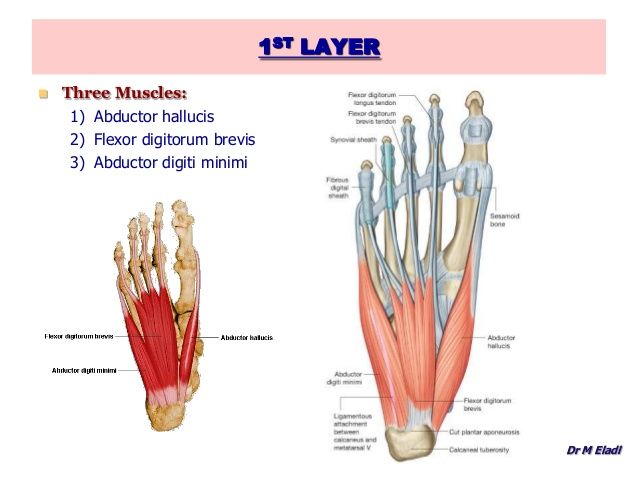
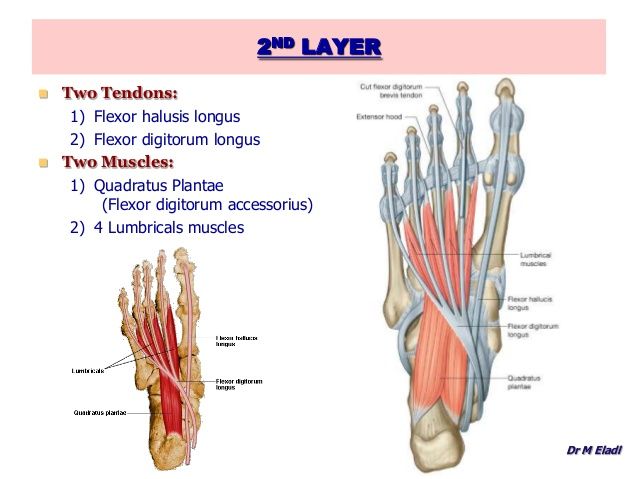
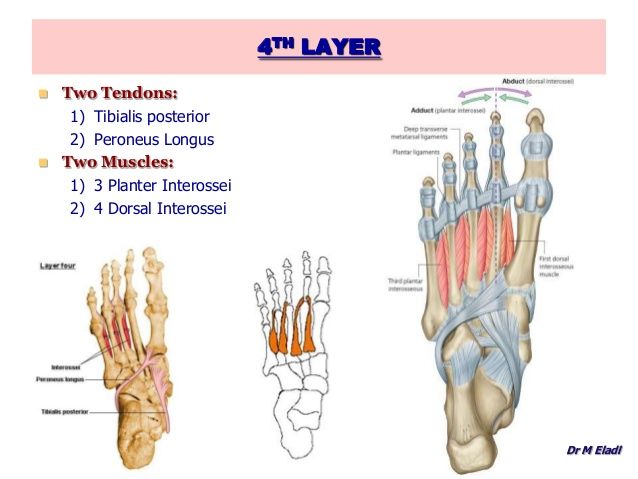
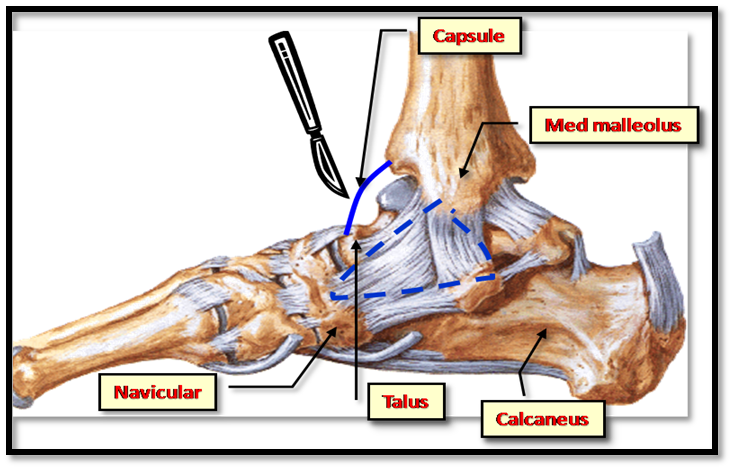
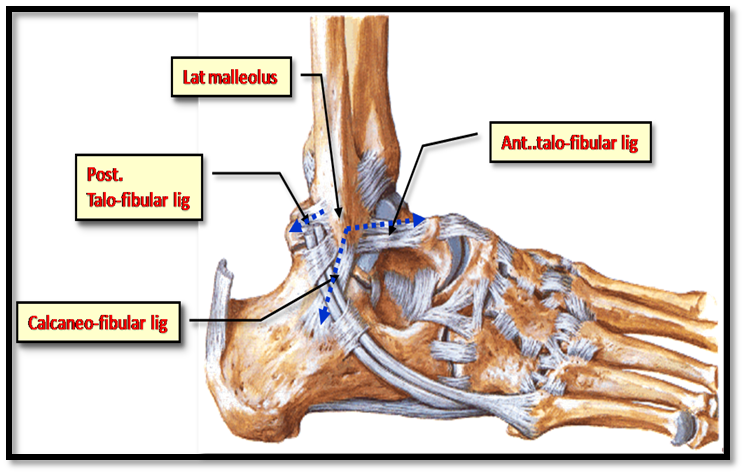
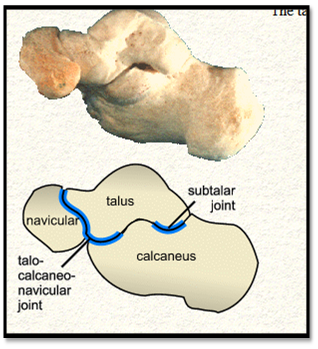
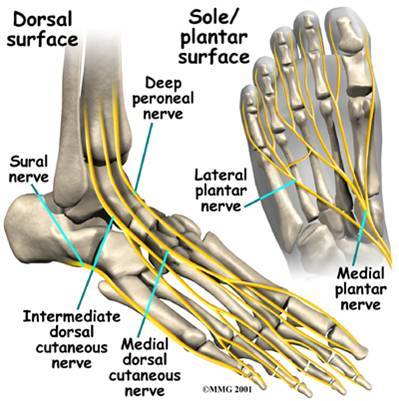
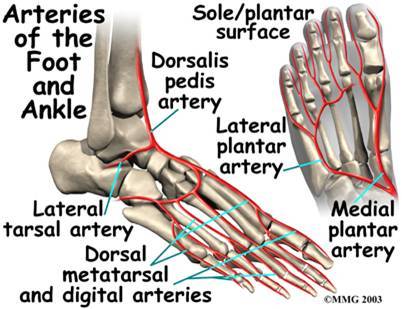
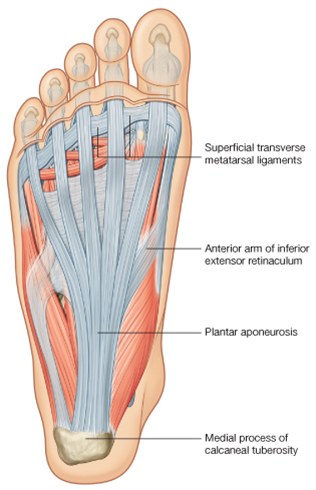
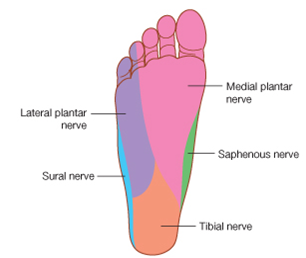
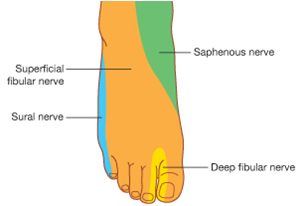
Anatomy of the foot
muscle weakness
Duchene Muscular Dystrophy
causes
nutrients required for muscle development
History Taking
Examination
1- infection: poliomyelitis, lyme disease. 2-neurological: Demyelinating disorders: Guillain-Barré syndrome. 3-Medications Statin> atorvastatin (Lipitor) ,Amiodarone (oral route). 4-Electrolyte: Hyperkalemia. 5- Genetics 6-Metabolic: Glycogenoses> Acid maltase deficiency
Calcium ,Iron, Vitamin D, Vitamin B12, Magnesium, Zinc,OMEGA 3, VITAMN C ,VITAMIN B12, PROTEINS
Introduction: Greeting the patient, insure privacy - Duration &Location- progression Radiation -Quality (Pain Scales /questionnaire) & Quantity -Aggravating factors &Alleviating factors
-family history -medication history -previous infection or trauma. -Growth parameters"Milestones" -Vaccination schedule
Physical Examination
Neurological
Introduction & Consent "HEPA" -Inspection "SSSP" -Palpation: Skin Temperature, Joints ,Tendons ,Ligaments
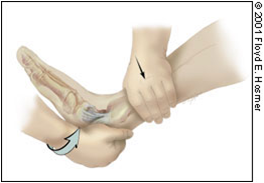
Move: -Dorsiflexion -Plantar Flexion -Inversion -Eversion -Flexion of great toe
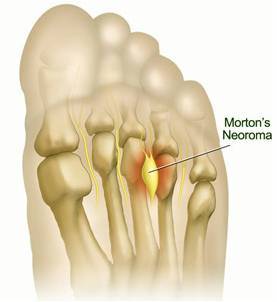
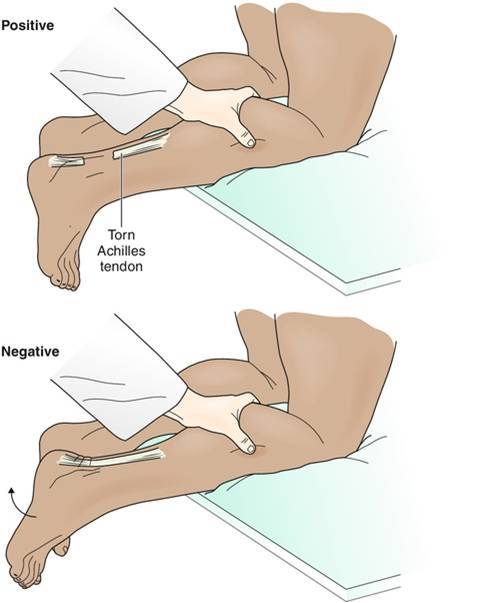
Special Test: Inversion and Eversion stress test: for ligaments medial and lateral -Thompson’s test for tendoachillies rupture -Tests for Morton’s metatarsalgia
Closure: -Test Gait -Inspect the footwear- Drapes the patient
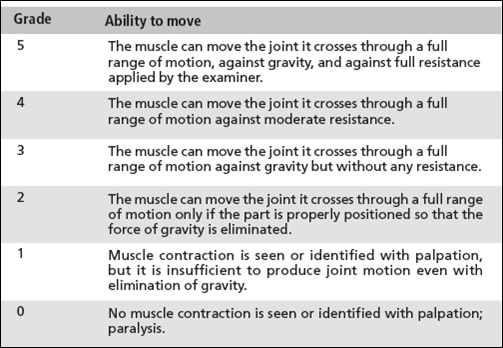
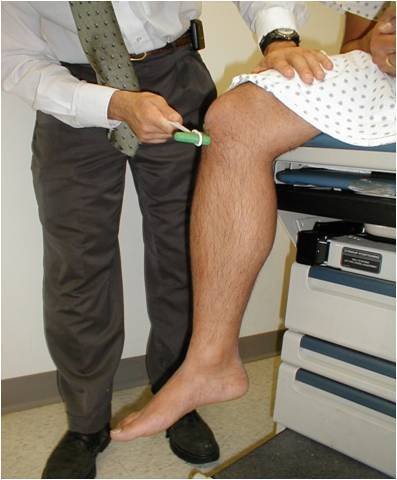
The motor system: -Fasciculations and muscle wasting -Tone Clonus Power at hip, knee, ankle, and tarsal joints Coordination -Heel–shin test -Toe–finger test
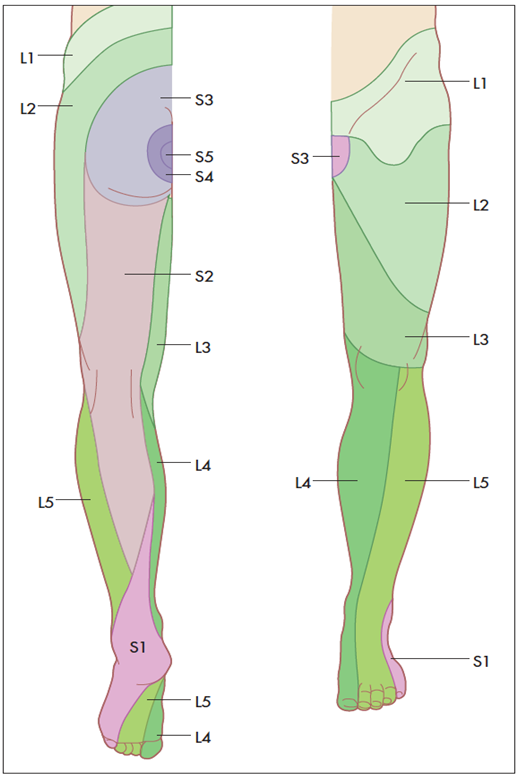
The sensory system:- Dermatomes -The superficial or cutaneous reflexes
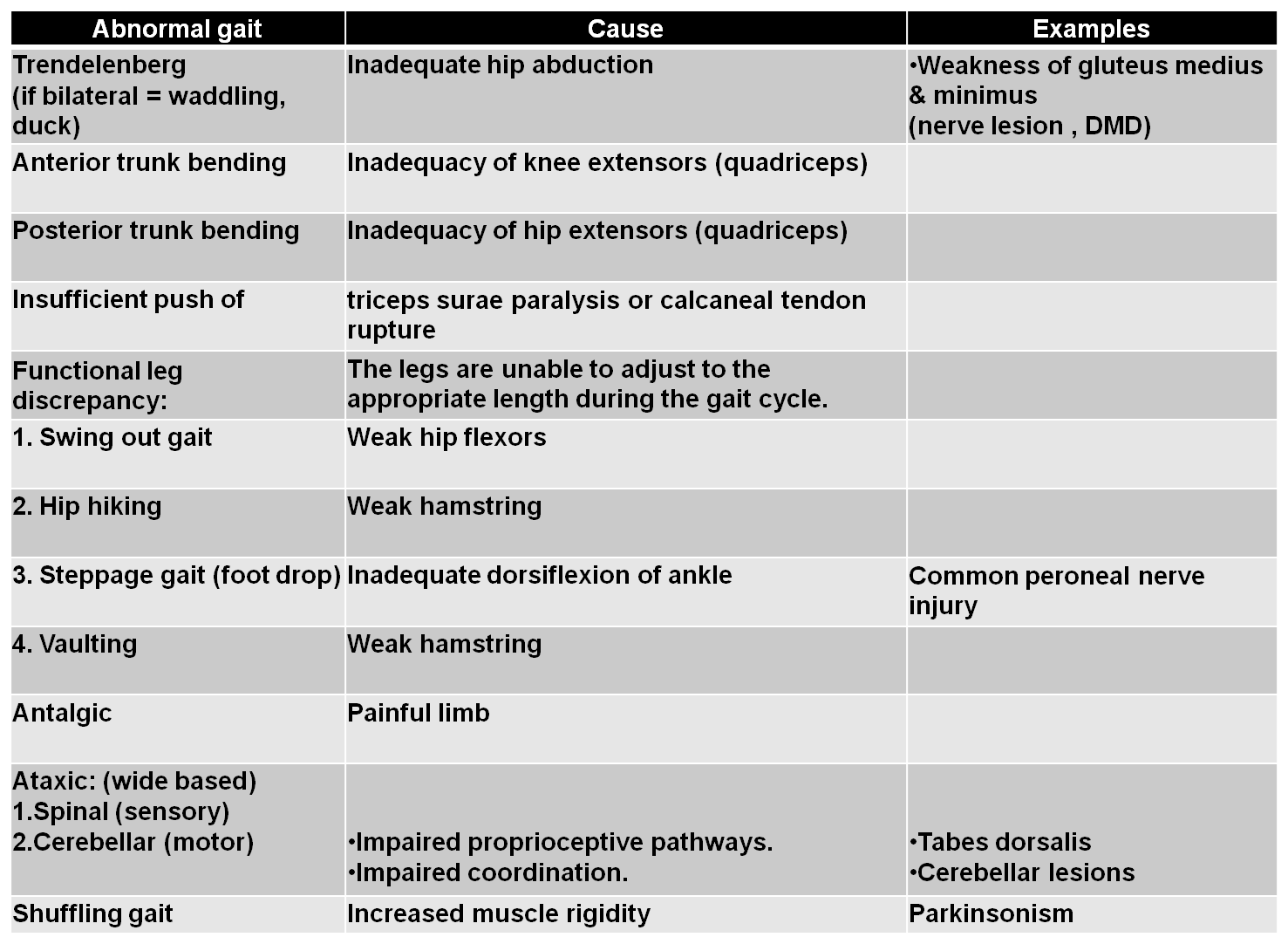
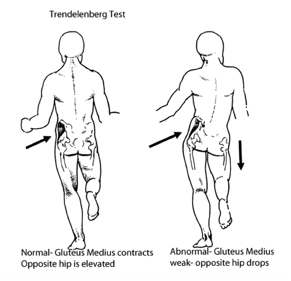
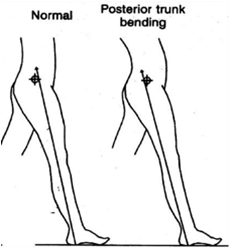
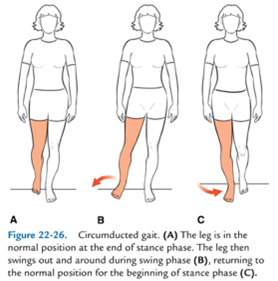
Gait
sever progressive X-linked inherited disease characterized by progressive degeneration of the skeletal muscle especially those of the shoulder and pelvic griddle
Pathogenesis:due to loss of dystrophin
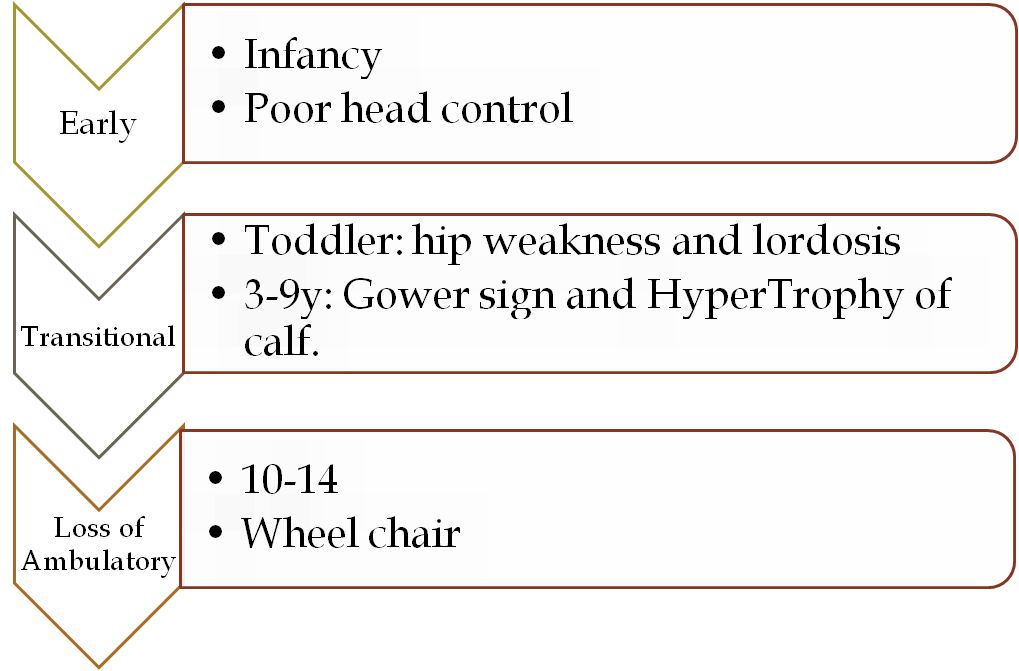
Clinical Progression
Complications
Investigations
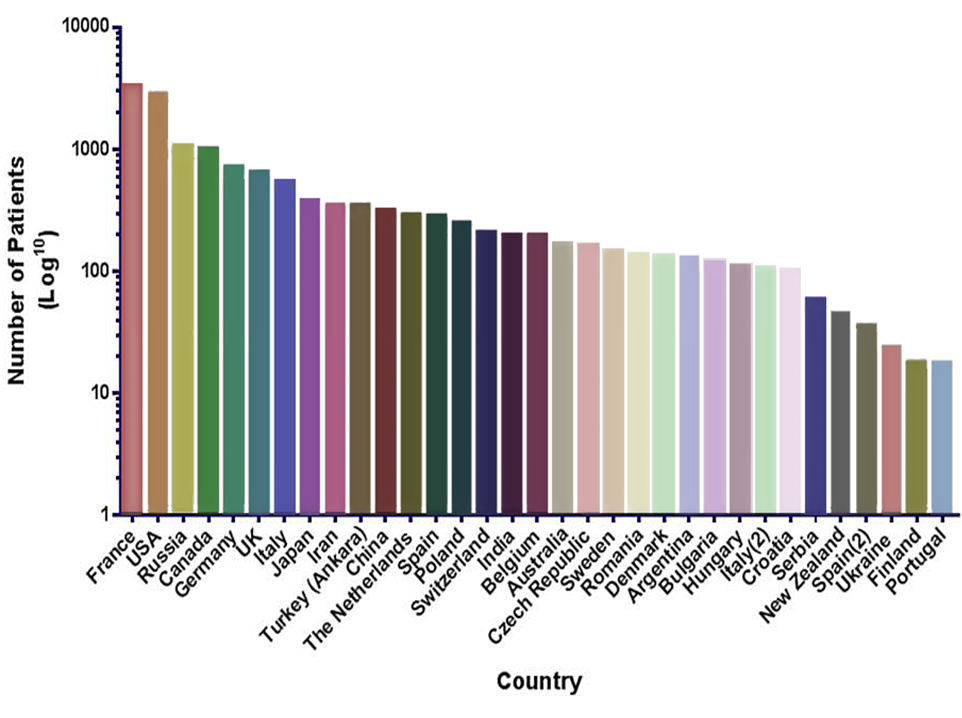
Epidemiology: one in 5,000 boys, which are 200 per million births> globally . graph present 2012
Management & treatment
Prognosis
A mutation in the gene encoding for dystrophin protein, which is Xp21 gene.
1-fragile sarcolemma 2-loss of interaction between the sarcolemma and extracellular matrix. 3-separation of the sarcolemma from the basal lamina.
Leading to:1-increased osmotic fragility of dystrophic muscles. 2-exceesive influx of calcium ions. 3-release of soluble muscle enzymes such as Creatine kinase. 4-Necrosis of the muscle cell.
characteristic clinical features are: –Progressive weakness –Intellectual impairment –Hypertrophy of the calves –Proliferation of connective tissue in muscle
Cardiac: -Arrhythmias -Cardiomyopathy
Orthopaedic problems :-Joint contractures -Osteopenia –because of immobility but also secondary to steroid treatment -Scoliosis
Infectious -Pulmonary infections Pulmonary -Respiratory insufficiency with decreased total lung capacity, decreased residual lung volume
Serum Creatine Kinase
Electromyography
Thyroid Function Test
Western Blot
muscle biopsy
Used to:- detect myositis -detect muscle damage due to myopathies such as muscular dystrophy.
Normal Range: 40-300U/L
is a diagnostic procedure to assess the health of muscles and the nerve cells that control them (motor neurons).
EMG results can reveal nerve dysfunction, muscle dysfunction or problems with nerve-to-muscle signal transmission.
Are blood tests that determine the function of the thyroid gland -Helps in the diagnosis of two conditions: Hypothyroidism Hyperthyroidism
method to detect and analyze proteins
In DMD case to detect dystrophin abscent
Shows myopathic changes such as; connective tissue proliferation, scattered degenerating and regenerating myofibres
Physical and occupational therapy
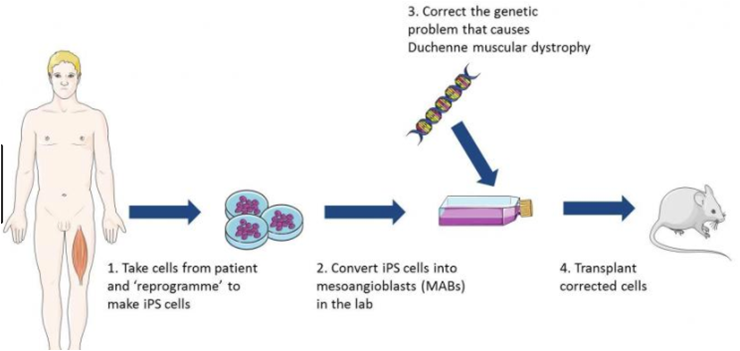
stem cell & gene therapy
Medications:
Exercise -Braces, standing frames and wheelchairs -Diet
Corticosteroids such as prednisone, can help improve muscle strength
Heart medications, such as angiotensin-converting enzyme (ACE) inhibitors or beta blockers, if muscular dystrophy damages the heart.
death occurs usually at about 18-20yrs of age.
The causes of death are: –Respiratory failure –Heart failure –Pneumonia –Aspiration –Airway obstruction.


Information
- Description
- Note on Ahmed Cannot Run - created from Mind Map, created by Dana Alobadily on 24/04/2017.
- Created by
- Dana Alobadily
- Views
- 1
- History
-
- Created by Dana Alobadily · Apr 24, 2017
- Copied to Note by Dana Alobadily · Apr 24, 2017
- Rating