Flashcards
Reptile species
Flashcards do conjunto (19)
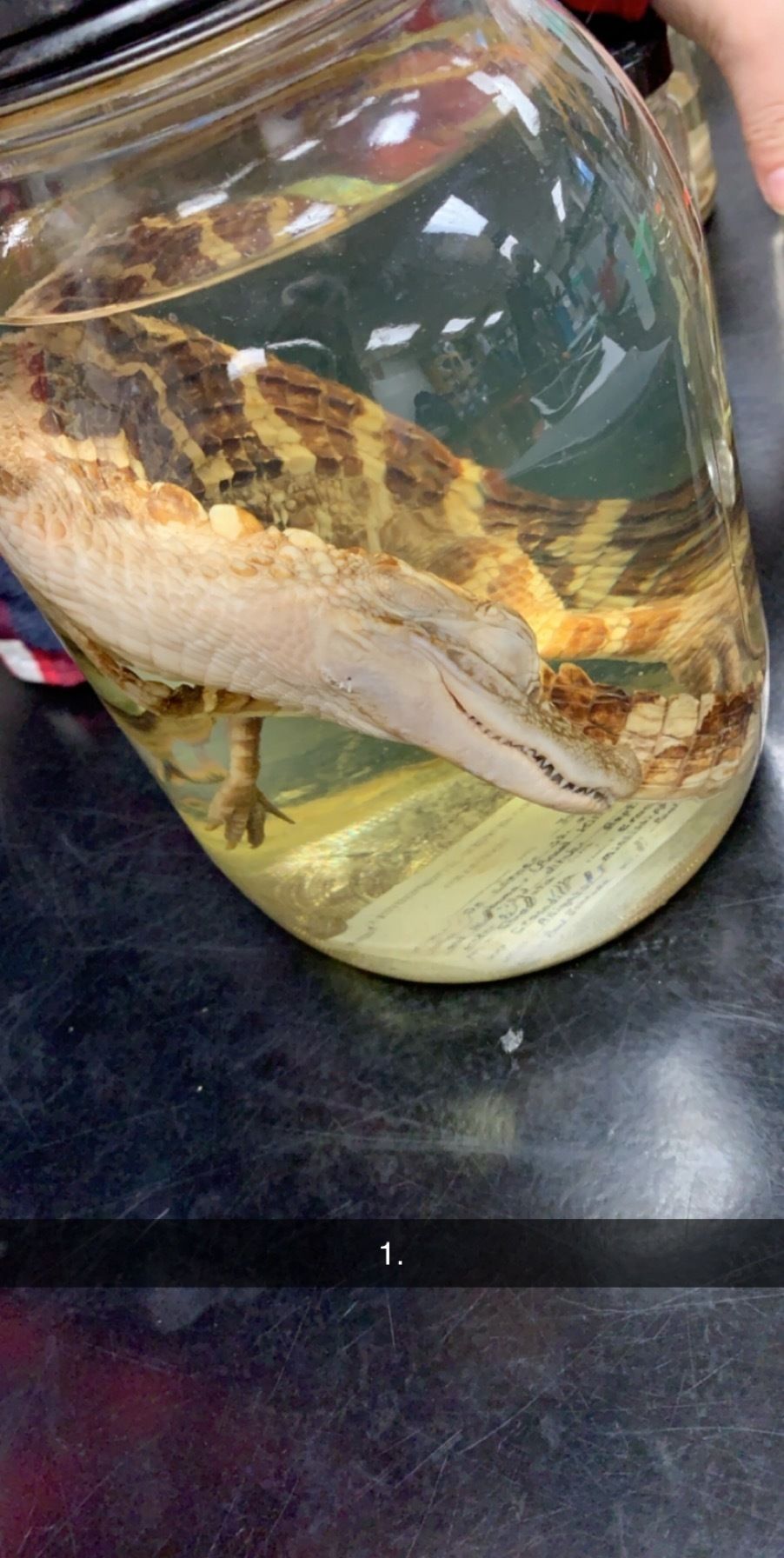
- 1-rounded snout -parental care -4-chambered heart -freshwater -crocodiliaAmerican Alligator
- 2-copper coloration -pit viper -Alabama's most common pit viper -squamataCopperhead
Agkistrodon contortrix contortrix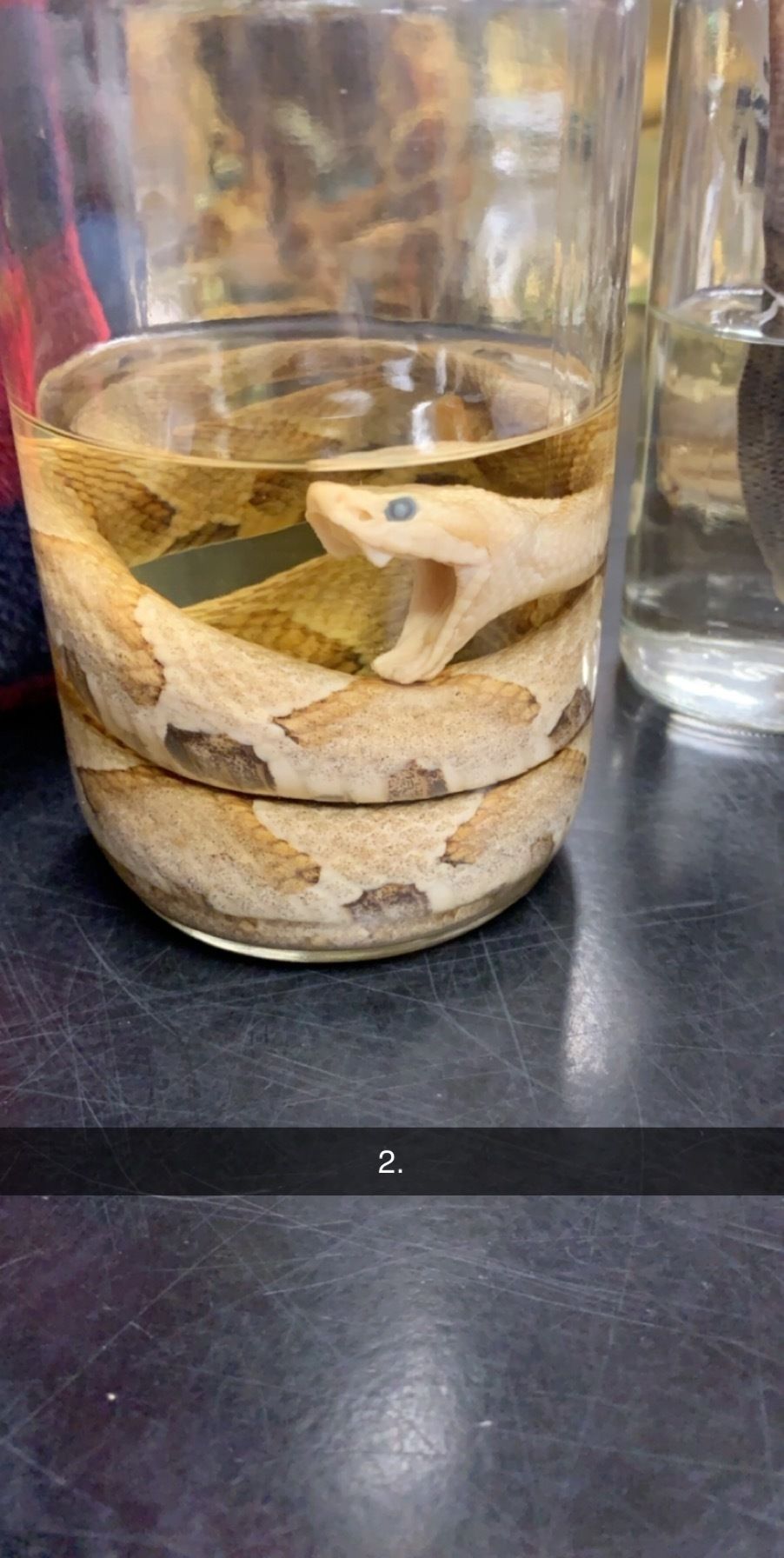
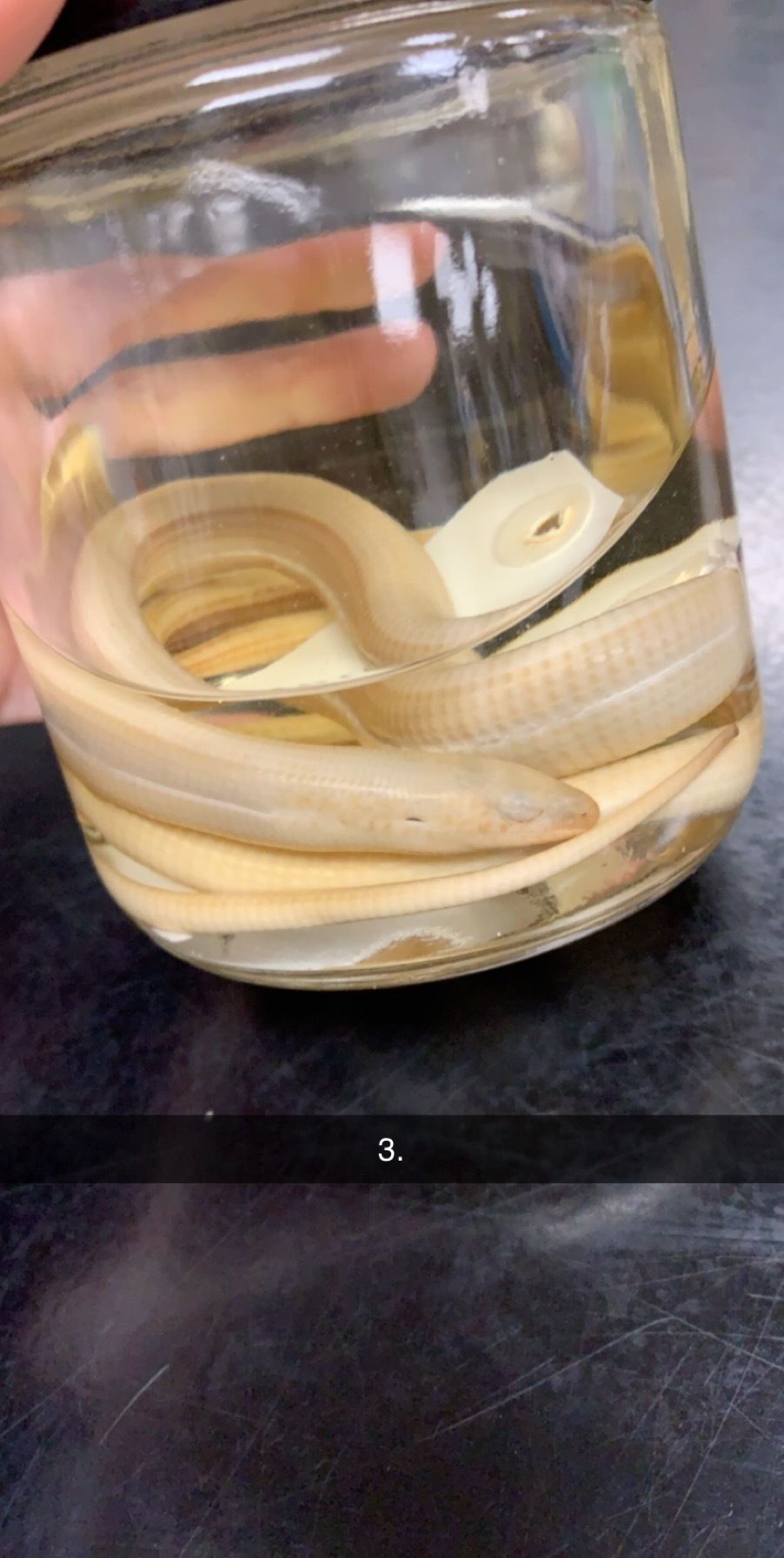
- 3-legless lizard: external ears and eyelids -lives in grasslands -tail autonomy: tail breaks far up body -habitat destruction is decreasing populations -squamataSlender glass lizard
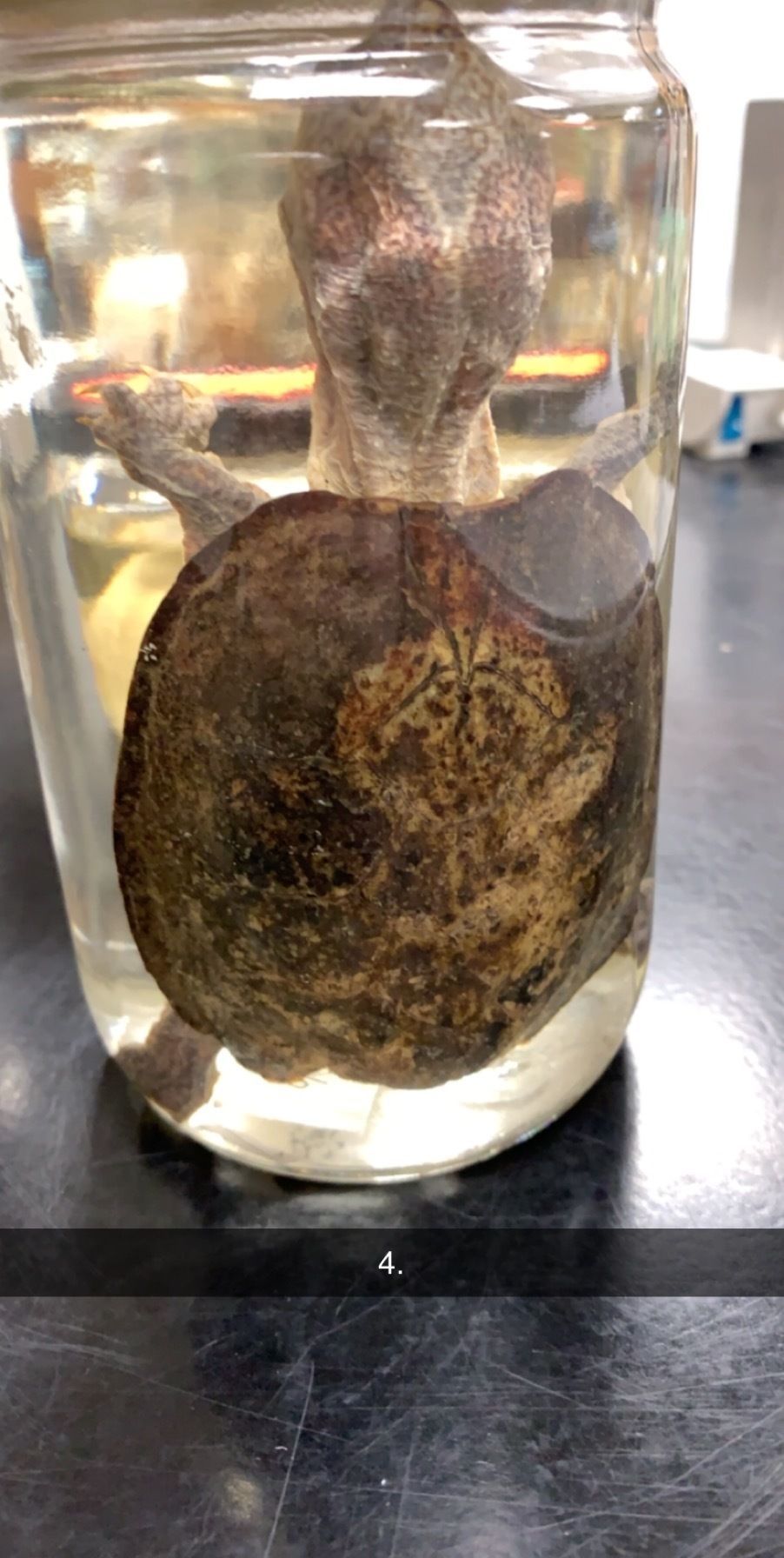
- 4-federally endangered -endemic: found only in a few small streams in warrior river basin -carnivore/ scavenger -testudinesFlattened musk turtle
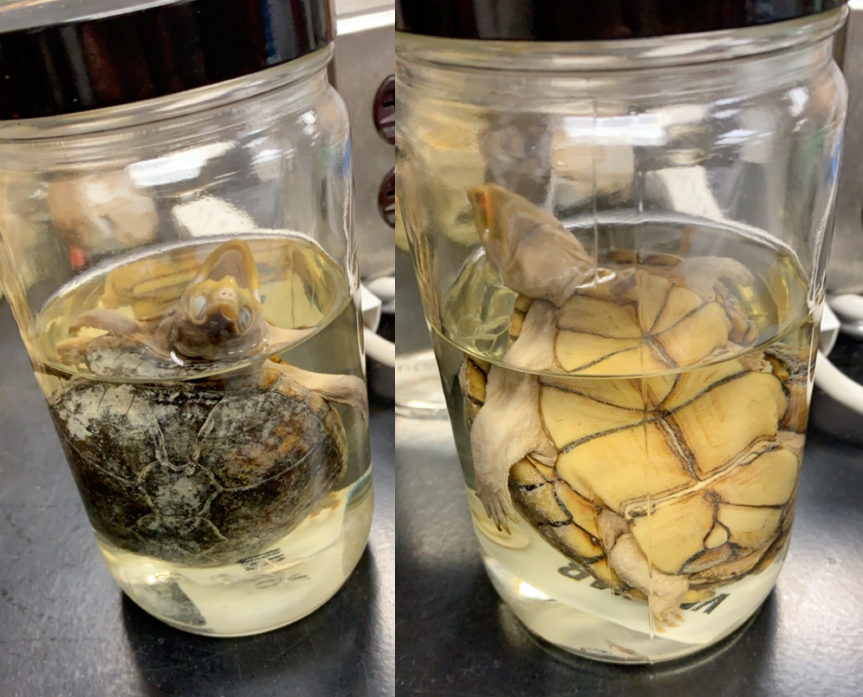
- 5-triangular humeral scutes -prefers slow moving waters -testudinesMud turtle
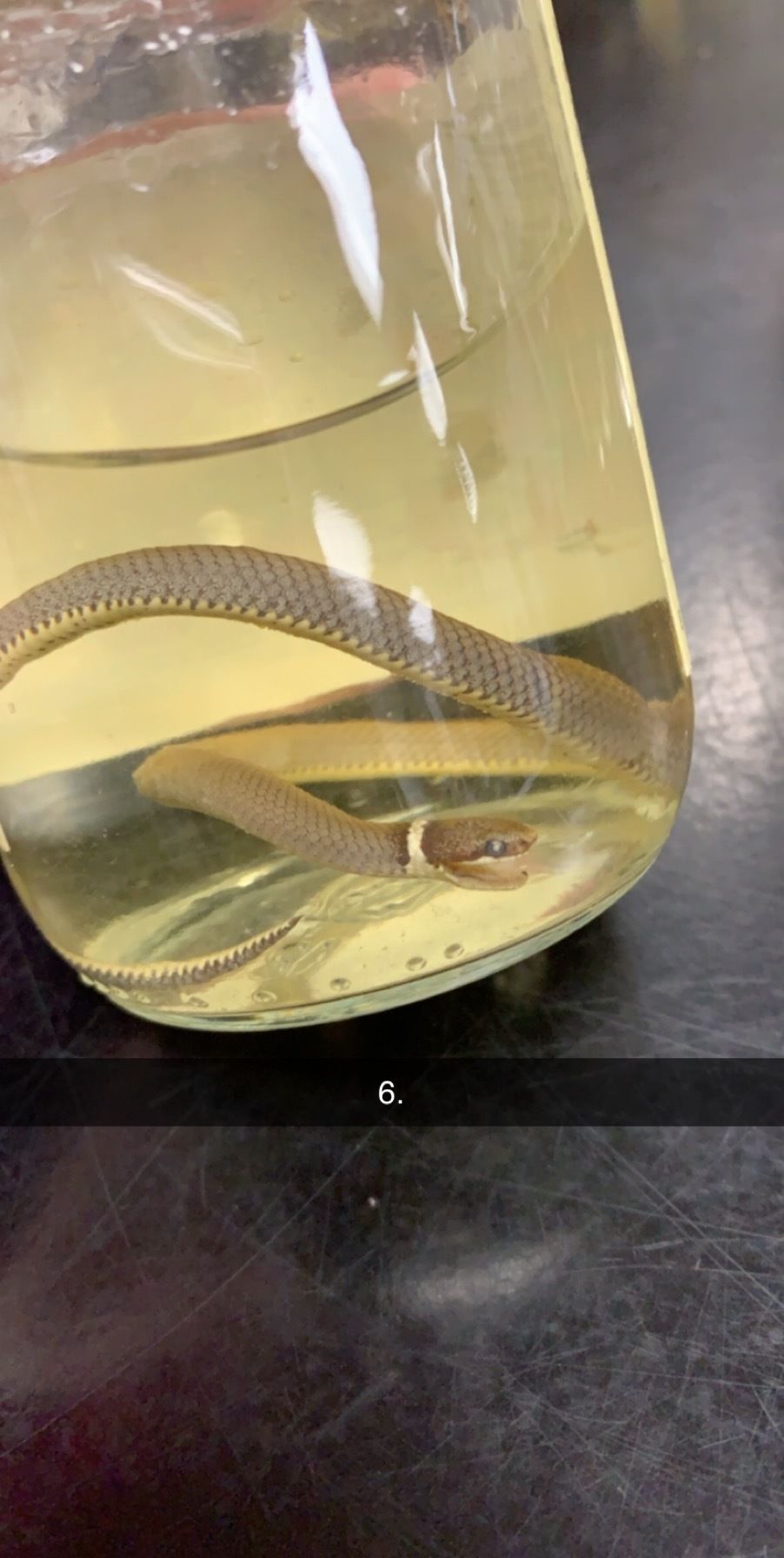
- 6-tiny, with ring around neck -insectivore -adult is <2 feet -oviparous -slightly venomous to prey items but harmless to humans -squamataRing neck snake
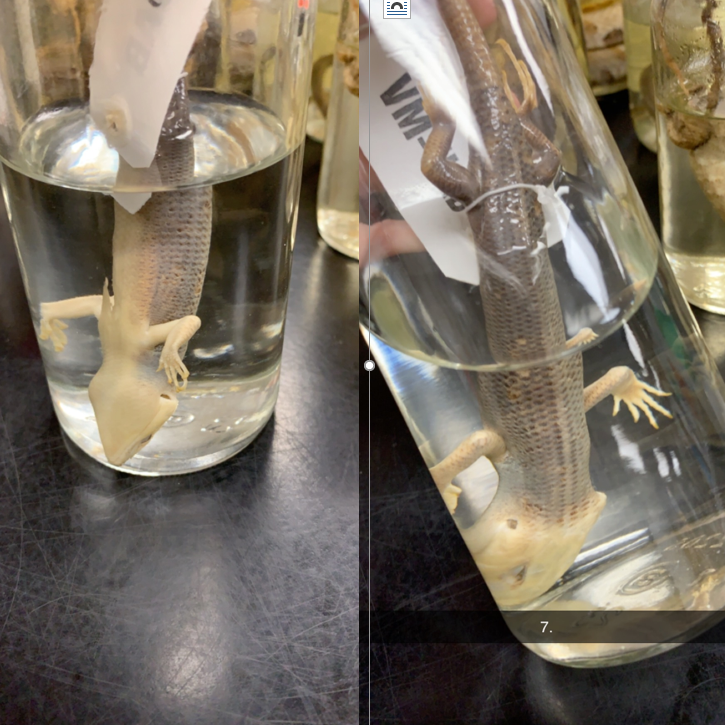
- 7-sexually dimorphic (males have orange jaws) -arboreal and insectivore -can be up to 1 foot in length -squamataBroad-headed skink
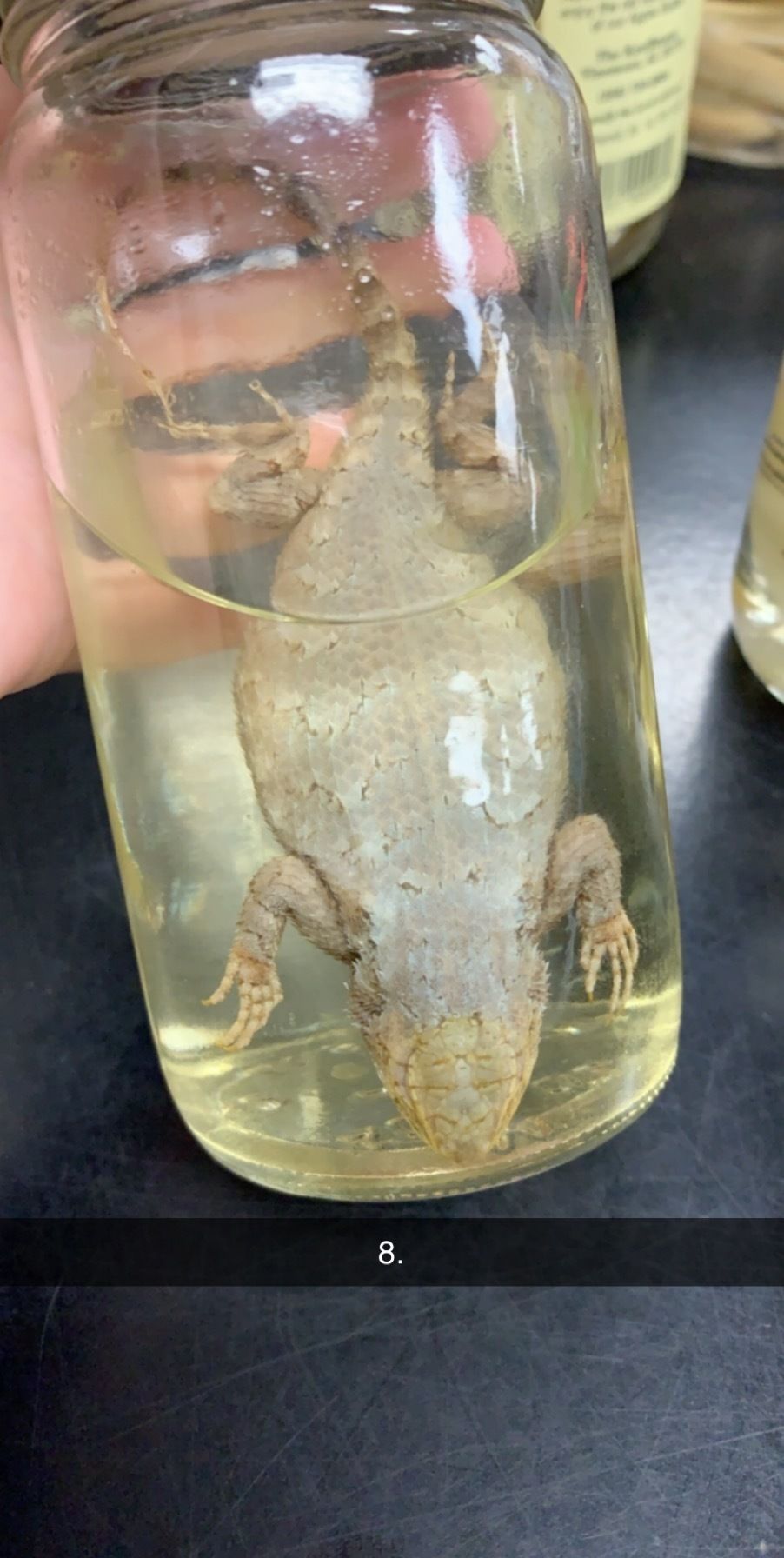
- 8-sexually dimorphic: males have blue belly and females are larger with white belly -squamataFence lizard
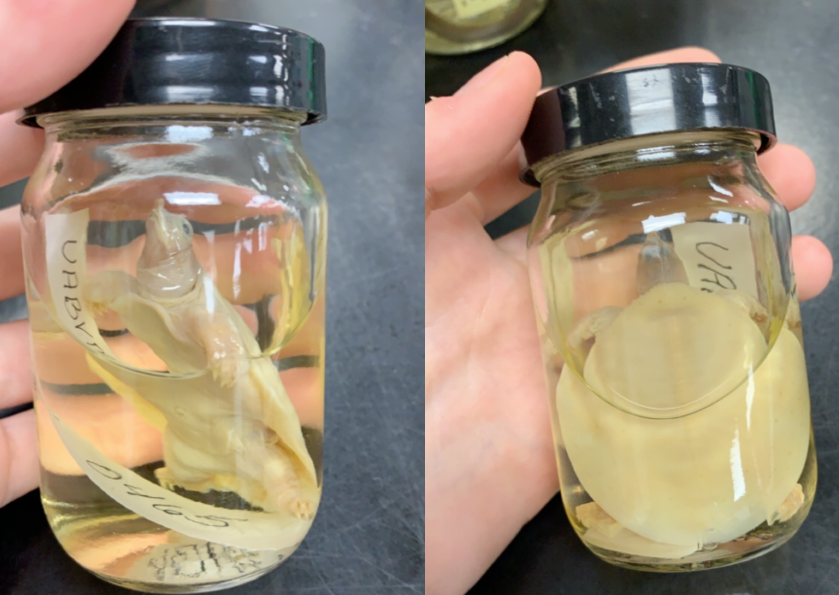
- 9-leathery, cartilaginous carapace -sexually dimorphic (females larger then males) -primarily aquatic -snorkel snout -females have blotched pattern and males have speckled carapace, longer tail -testudinesSpiny softshell turtle
- 10-two distinct yellowish/white stripes on neck, like nike swoosh -carapace is grayish black and plain -carnivores, eat invertebrates and small fish and fresh dead fish -can live in dirty water -males make a "stink" - avoid predation and attract females -testudinesStinkpot musk turtle
Sternotherus odoratus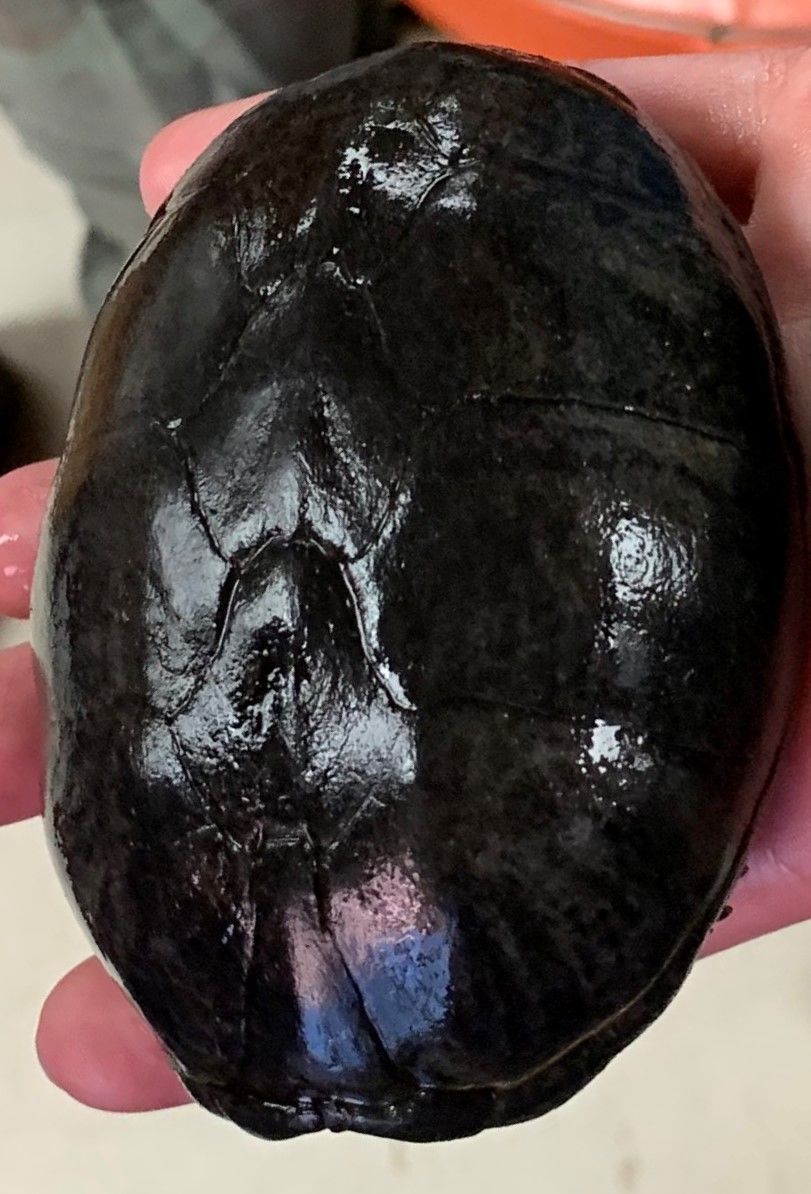
- 11-has speckles on neck (no stripes) -carapace is olive green with flecks -carnivores, eat invertabrates and small and freshly dead fish -lives in clean, clear moving water of streams and rivers -testudinesStripe-neck musk turtle
Sternotherus minor peltifer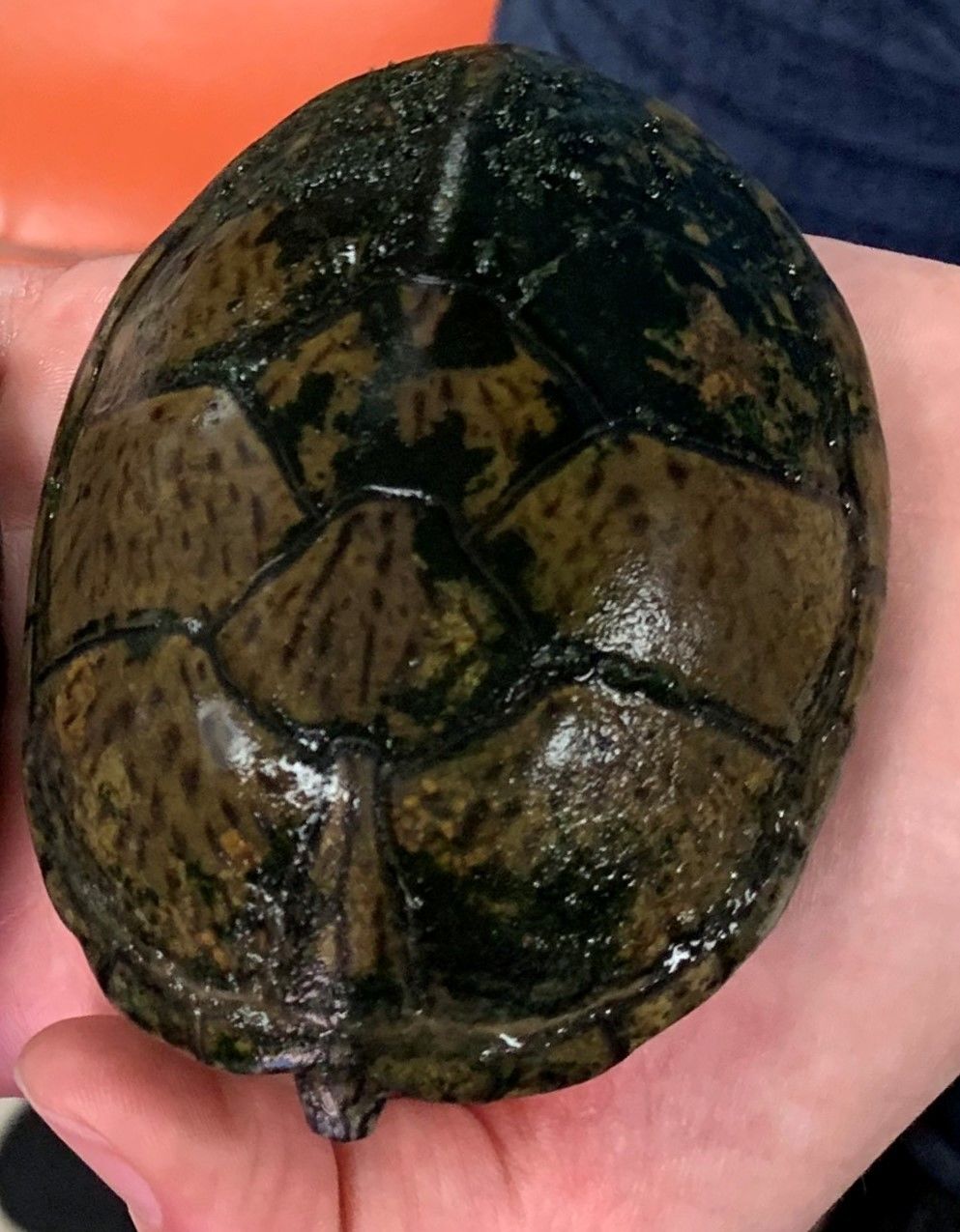
- 12-females larger, shorter tails -carapace is cardboard like -primarily aquatic -small plastron for better swimming -carnivore and scavenger -testudinesCommon snapping turtle
Chelydra serpentine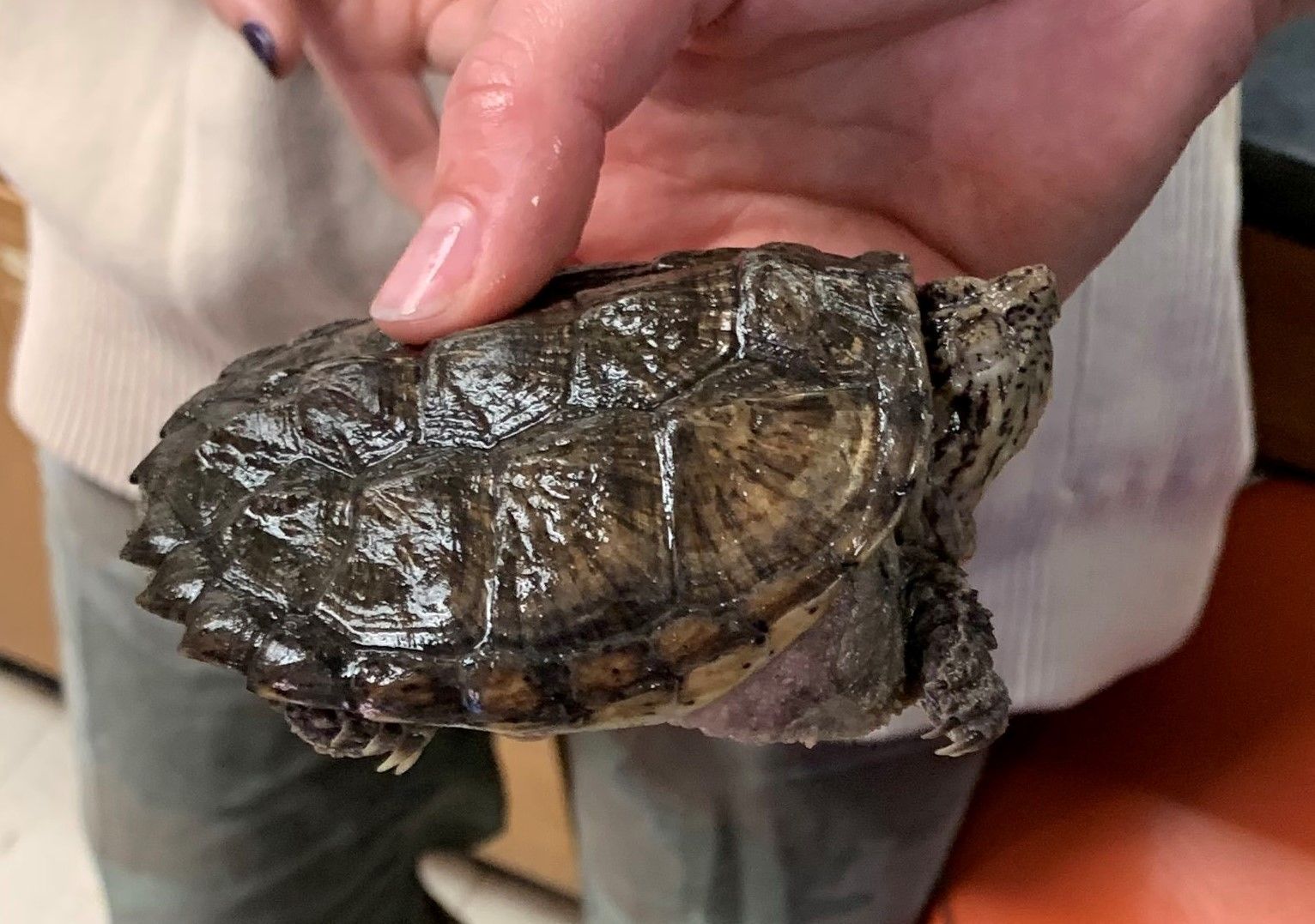
- 13-sexually dimorphic -larger than male, shorter tails -Alabama's only marsh turtle (brackish) -was used in stews and soups as a sign of high society -females have strong jaws for feeding on marsh periwinkles -testudinesMississippi diamondback terrapin female
Malaclemys terrapin pileata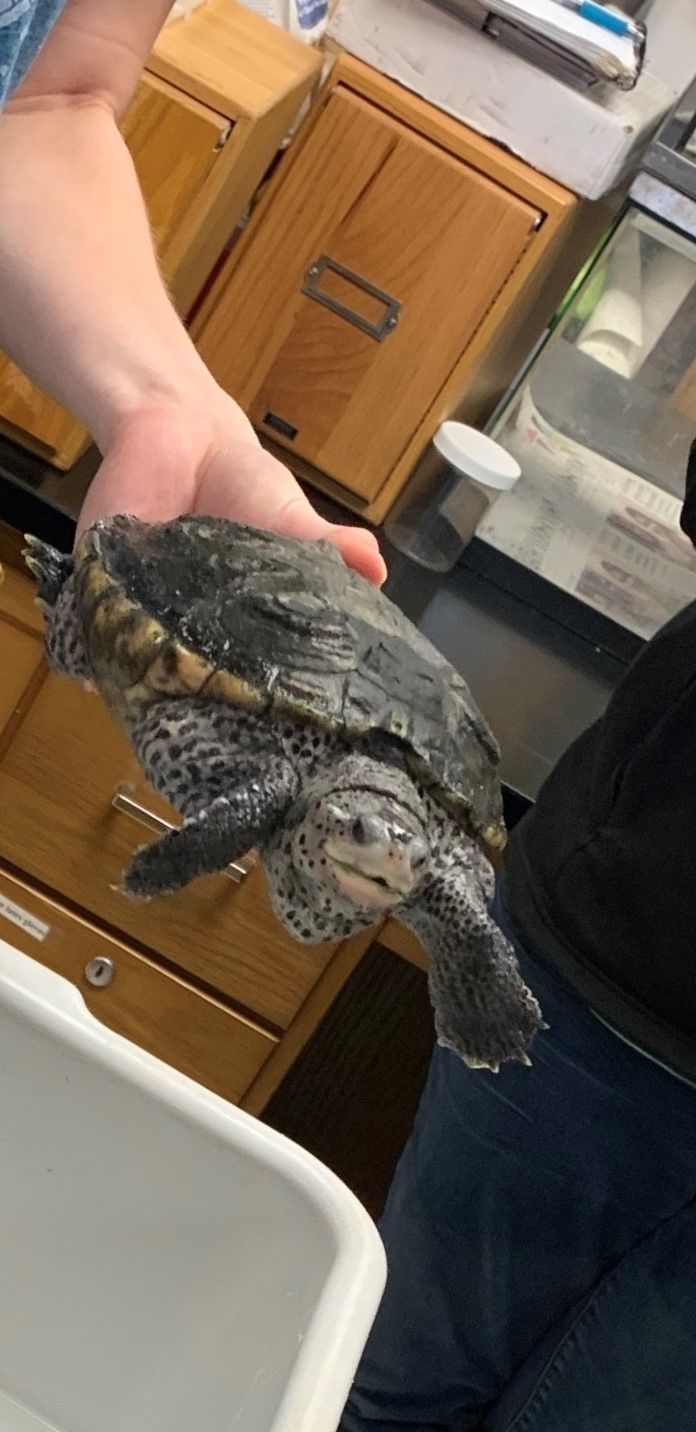
- 14-sexually dimorphic: males smaller then female with longer tail -Alabama's only marsh turtle (brackish) -was used in stews and soups as a sign of high society -females have strong jaws for feeding on marsh periwinkles -testudinesMississippi diamondback terrapin male
Malaclemys terrapin pileata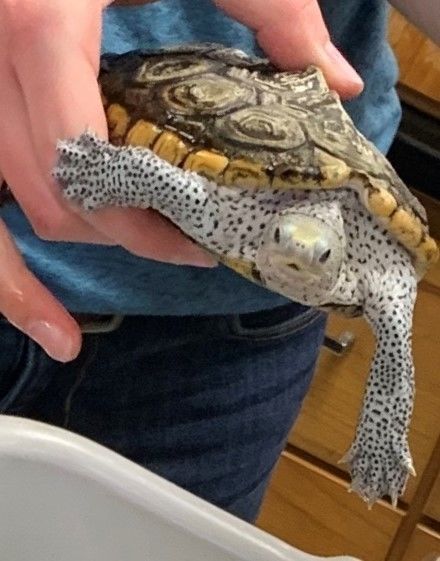
- 15-red stripe on head -native to southeastern US -common pet turtle - invasive species in many areas of non-native range (pet trade) -testudinesRed-eared slider
Trachemys scripta elegans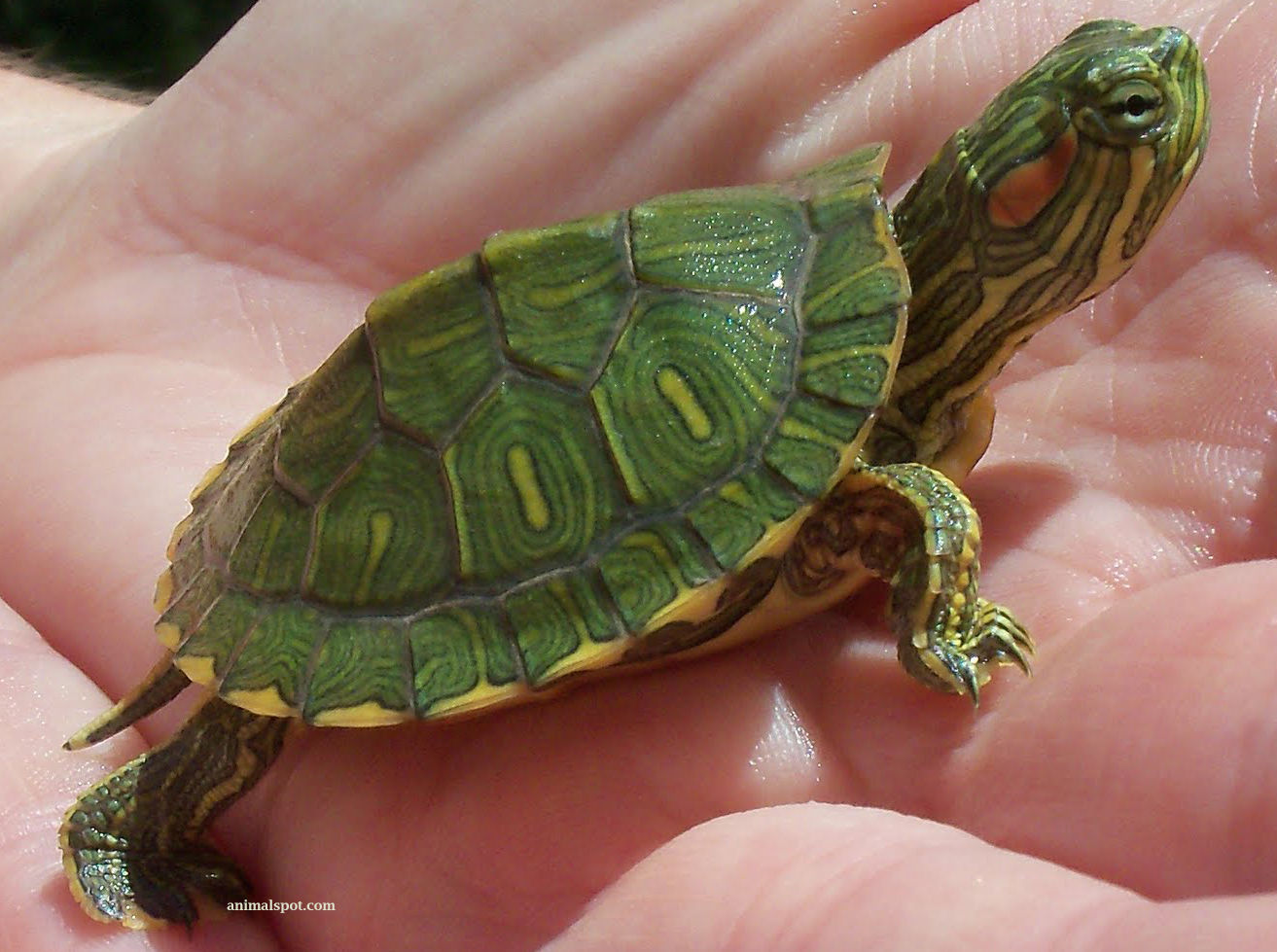
- 16-males: red eyes, concave plastron (mounting female better), longer tail -females: amber eyes, flatter plastron -vegetarian but will eat invertebrates (crickets) -testudinesEastern box turtle
Terrapene carolina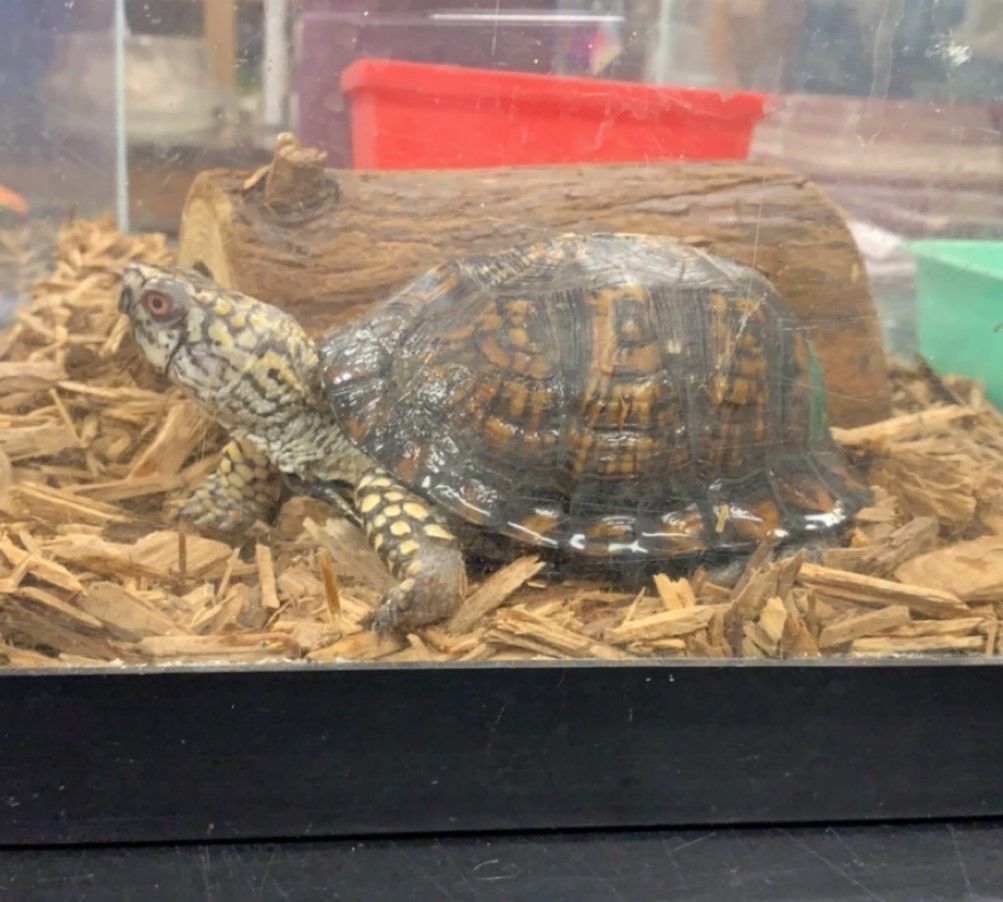
- 17-smooth scales, round pupil, divided scales past cloaca -immune to venom of pit vipers -eats other snakes -constrictor -squamataBlack King Snake
Lampropeltis getula nigra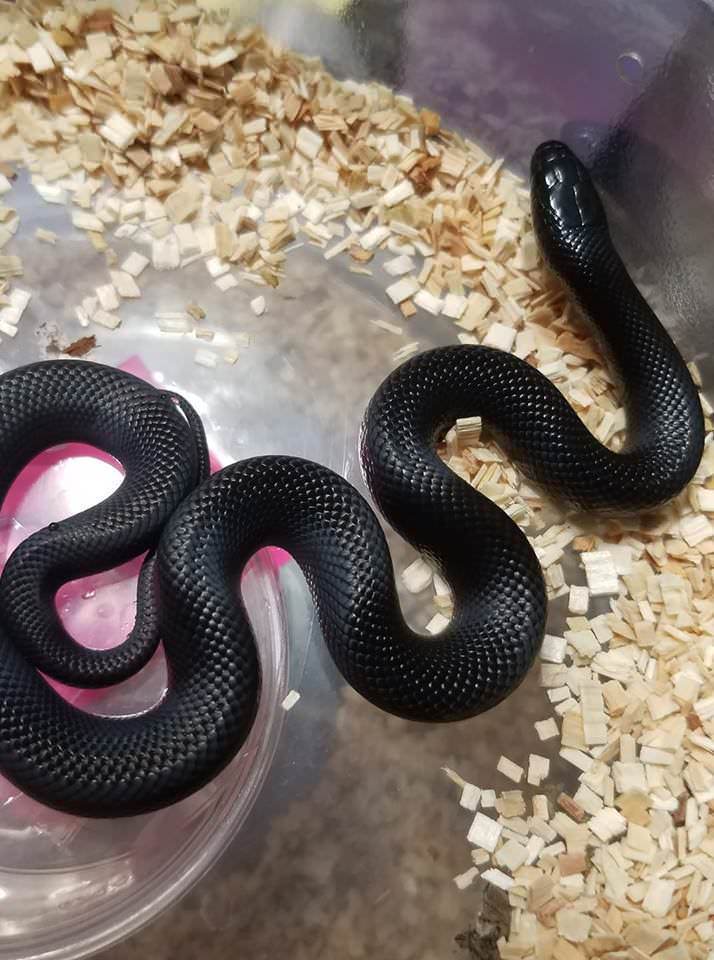
- 18-copper coloration -pit viper characteristics -Alabama's most common pit viper -squamataCopperhead
Agkistrodon contortrix contortrix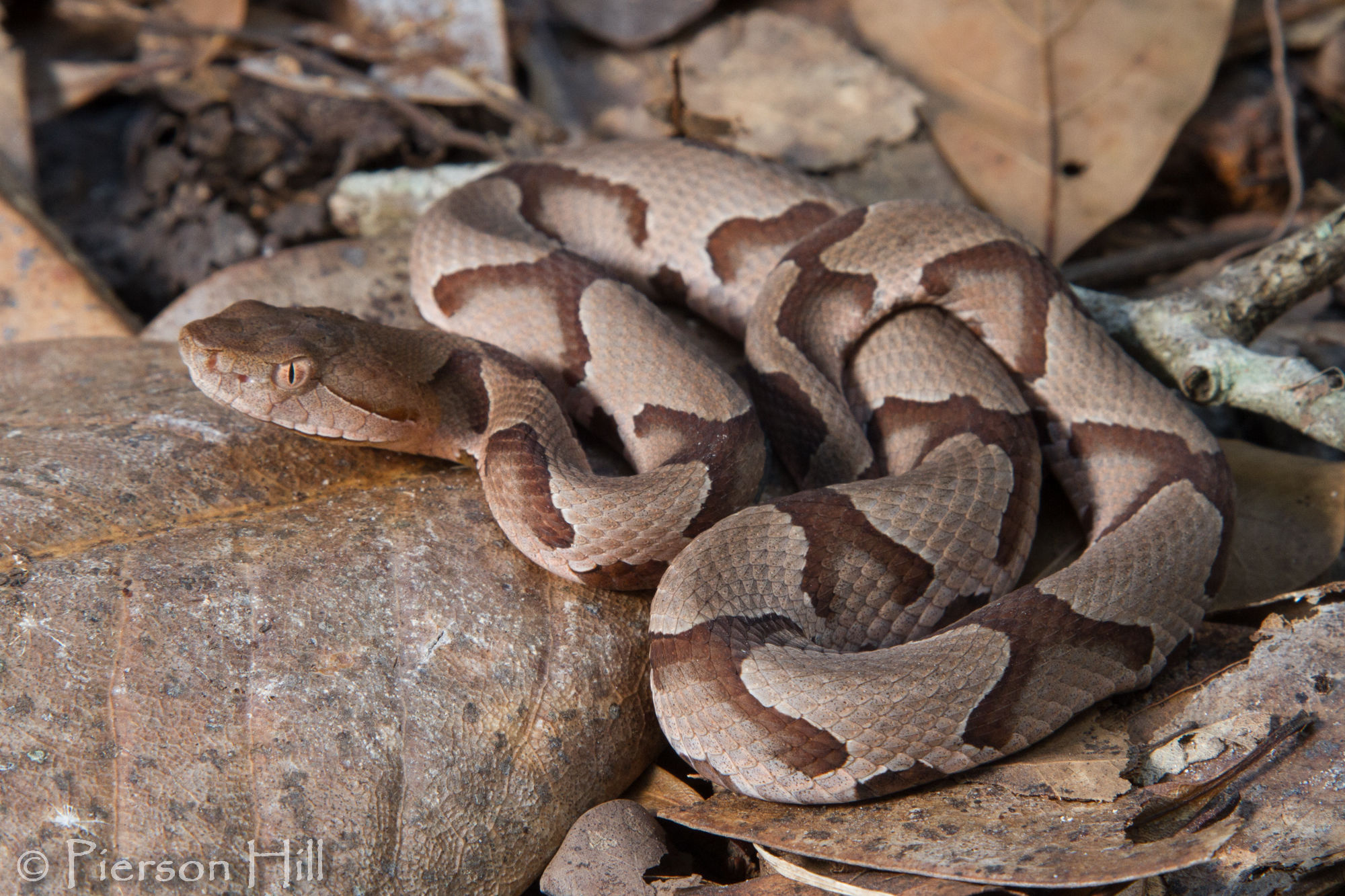
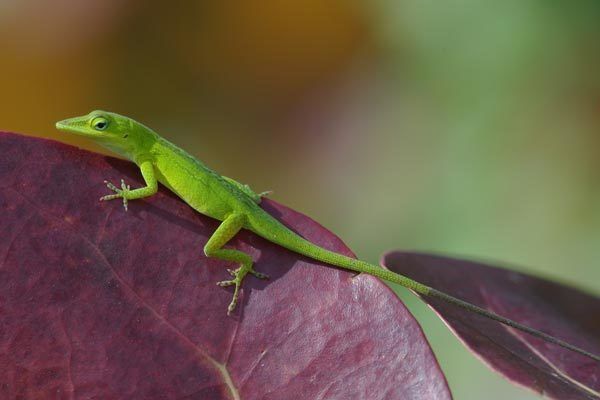
- 19-sexually dimorphic; males have dewlap -can change color (green-brown) -territorial -female lays one egg/week during mating season (May-October) -squamataGreen anole
Anolis carolinensis