
Flashcards
GCSE Textiles - Materials
Flashcards do conjunto (23)
- 1What is the difference between staple fibres & filaments?Staple fibres are shorter
- 2Give one property of synthetic fibres which is useful for making a pleated skirt…They can be changed by heating them to form different shapes
- 3What are natural fibres?plant or animal based – wool, cotton, silk
- 4What are regenerated fibres?Fibres made from natural materials that are chemically treated
- 5What are synthetic fibres?They are man made
- 6Using the description below, name the type of fabric construction that has been used for this fabric…. Made of layers of fibres not yarnsNon woven
- 7Using the description below, name the type of fabric construction that has been used for this fabric…. Yarns run ‘up’ the fabric in loops The lops interlock verticallyWarp knitted
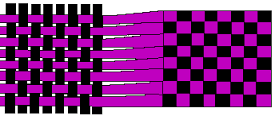
- 8—Plain Weave
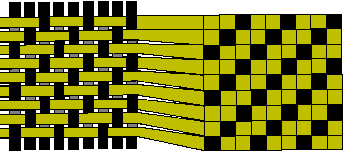
- 9—Satin Weave
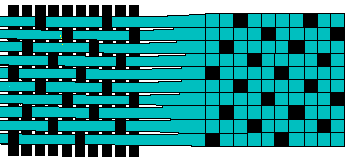
- 10—Twill Weave
- 11Name the fibre used to make LycraElastane
- 12Name a natural fibre that could be combined with cotton to make it warmer….Wool
- 13Name a natural fibre that could be combined with cotton to make it more glossy….Sillk
- 14Name a natural fibre that could be combined with cotton to make it very cool in hot weather….Linen
- 15A cotton polyester blend is a popular fabric for clothes What is a blend?When two or more different fibres are combined to produce a yarn
- 16What is a mixed fabric?A fabric that is made up of two or more different types of yarn
- 17Nanotechnology is being used to develop new fabrics with different properties What are nanomaterials?Fabrics made from nanofibres (tiny fibres)or fabrics made from regular fibres that have been modified using nanotechnology.
- 18What is a smart fabric?A fabric that reacts automatically to changes in the environment
- 19—Cool iron only
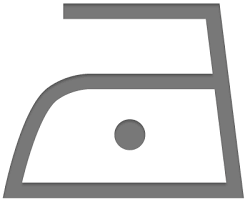
- 20—Hand Wash only

- 21Give one example of a natural dye..Onions, beetroot, tea, raspberries, flowers
- 22Resists can be used when hand dyeing to create patterns on a fabric Give an example of a resist….Wax – something that prevents the dye from reaching the fabric
- 23Why is a fabric with a tight weave best for printing on?It has a smooth surface for the dye to be applied to and no surface pattern to detract from the design
Informações
- Descrição
- A set of revision cards to support learning and understanding of different fibres, fabric construction & aftercare
- Criado por
- Nicola Lees
- Visualizações
- 785
- Tags
- Avaliação