
Flashcards
Midterm 1
Flashcards do conjunto (71)
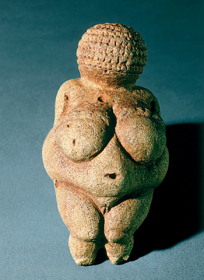
- 1—Woman from Willendorf, Austria, c. 25,000-20,000BCE
4 inches tall. Unknown use – maybe ceremonial, maybe fertility. Very healthy – lots of fat. Female body parts are emphasized, not the face: so, not an individual. Called often Venus, which is not accurate b/c we don’t know her function and we KNOW her culture was not Roman. - 2—Bulls, rotunda, Lascaux France, c. 15,000-13,000 BCE
In caves that are hard to access. Lots of attention to detail. Layers of paintings show that returning to the same area many times. Maybe to get a good hunt, maybe instructional for younger hunters. One of the earliest depictions of a man – shows phallus.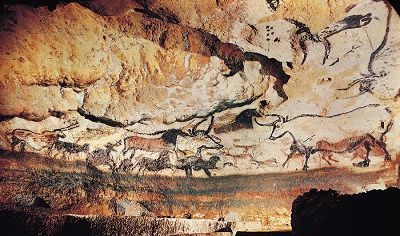
- 3—Votive Palette of King Narmer. Predynastic. C. 3150-3125 BCE.
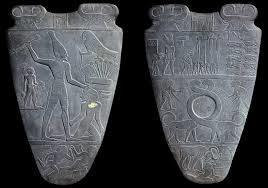
- 4registersdistinct tiers. Very common in Egyptian art.
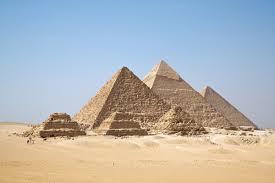
- 5—Great Pyramids at Giza. Old Kingdom, c. 2601-2515 BCE
- 6—Khafre, Old Kingdom, c. 2570-2544 BCE
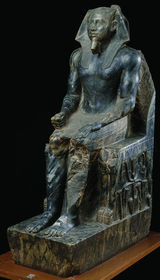
- 7—Seated Scribe, Old Kingdom, c. 2620-2500 BCE
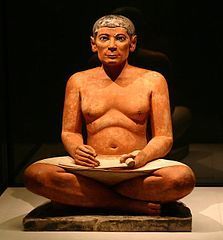
- 8—Temple of Khonsu, Karnak, New Kingdom, c. 1186-1154 BCE
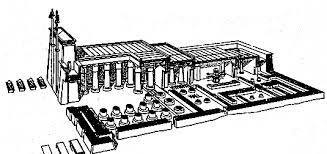
- 9***Pylonentry way into temples. Only certain people allowed into courtyard area.
- 10—Exekias, Achilles and Ajax playing draughts, amphora, c. 530 BCE
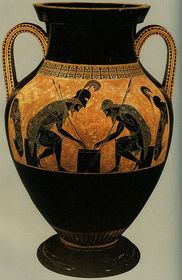
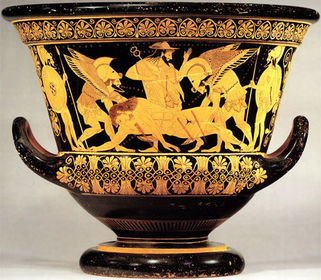
- 11—Euphronios and Euxitheos, Death of Sarpedon during the Trojan War, calyx krater, c. 515 BCE
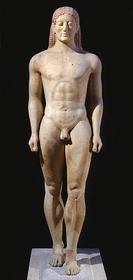
- 12—Kouros, from the Tomb of Kroisos, c. 520 BCE.
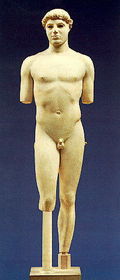
- 13—Kritian Boy, c. 480 BCE. Severe style. CONTROPOSTO
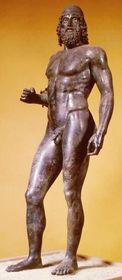
- 14—Riace Bronze, c. 460-450 BCE. Found in ocean in ‘70’s. Didn’t survive with his stuff.
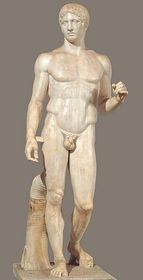
- 15—Polykleitos, Doryphoros (Spear Carrier). C. 450 BCE
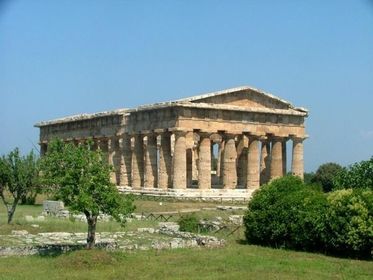
- 16—Second Temple of Hera, Paestum, Italy, c. 460 BCE.
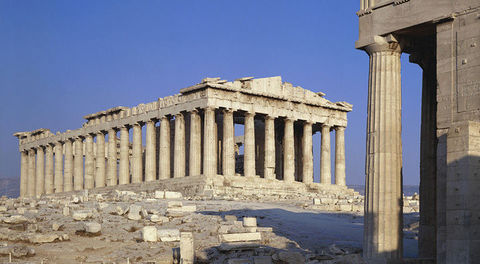
- 17—Kallikrates and Iktinos, Parthenon, Athens, 447-438.
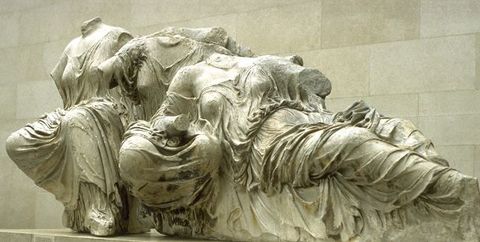
- 18—Phidias and workshop, Three Goddesses on Mount Olympus, Parthenon, c. 438-432 BCE.
- 19—Praxiteles, Aphrodite of Knidos, c. 360-330 BCE
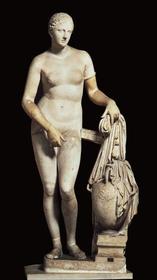
- 20***Entamblaturea horizontal, continuous lintel on a classical building supported by columns or a wall, comprising the architrave, frieze, and cornice.
- 21—Nike of Samothrace, c. 190 BCE
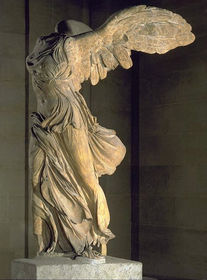
- 22—Temples of Portunus, Rome, late 2nd century BCE
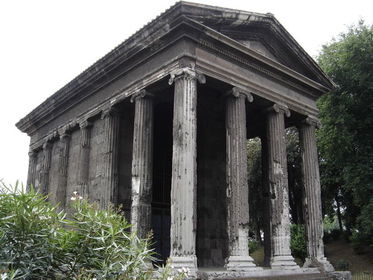
- 23—Augustus of Prima Porta, 15CE, Vatican Museums.
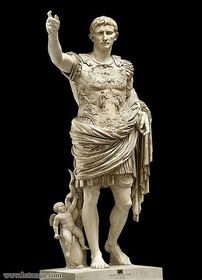
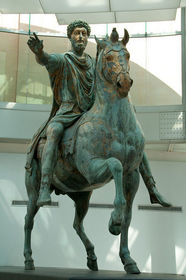
- 24—Equestrian Statue of Marcus Aurelius, 161-180 CE.
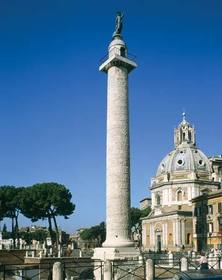
- 25—Column of Trajan, c. 113 CE, commissioned for Trajan’s forum, Rome
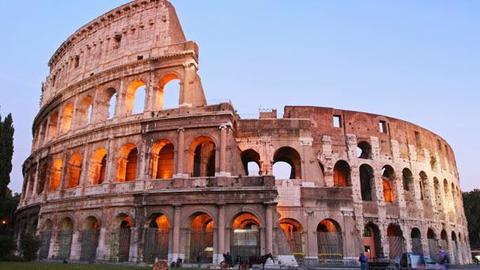
- 26—Flavian Amphitheatre/Colosseum, Rome, b. 72CE. Commissioned by Vespasian
- 27—Pantheon, Rome, begun by Emperor Hadrian, 118-125 CE.
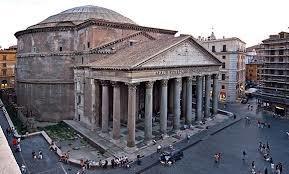
- 28***Revetmentscolored marble on interior brought to Rome likely from Egypt. Polychrome.
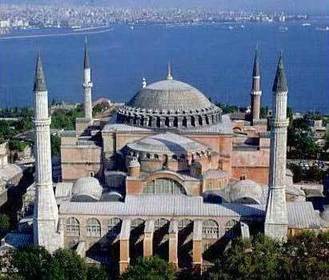
- 29—Anthemius of Tralles and Isidorus of Miletus, Hagia Sofia, Constantinople/Istanbul, 532-537
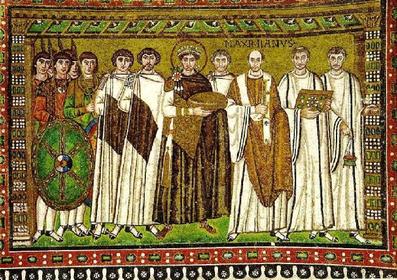
- 30—Emperor Justinian and attendants, and Empress Theodora and attendants, mosaics, c. 547, San Vitale, Ravenna.
- 31***Qiblais the direction that should be faced when a Muslim prays during salat. It is fixed as the direction of the Kaaba in Mecca. Most mosques contain a wall niche, known as mihrab, that indicates the Qibla
- 32***Mihrabis a semicircular niche in the wall of a mosque that indicates the qibla; that is, the direction of the Kaaba in Mecca and hence the direction that Muslims should face when praying.
- 33***Minareta tall slender tower, typically part of a mosque, with a balcony from which a muezzin calls Muslims to prayer.
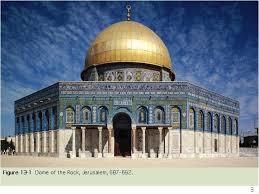
- 34—Dome of the Rock, Jerusalem, 687-692 CE
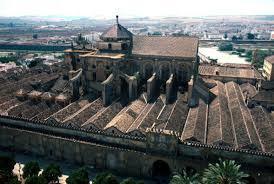
- 35—Great Mosque, Cordoba, Spain, 786-990
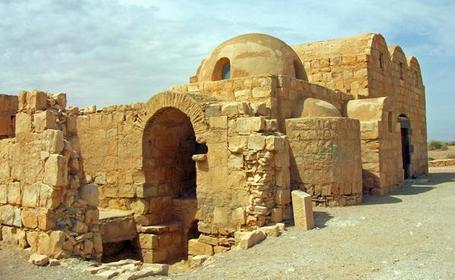
- 36—Quysar Amra, Jordan, 8th century
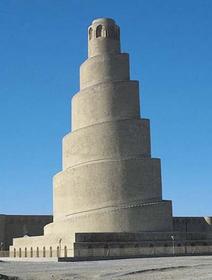
- 37—Spiral Minaret of the Great Mosque of Samarra, Iraq, 848-852
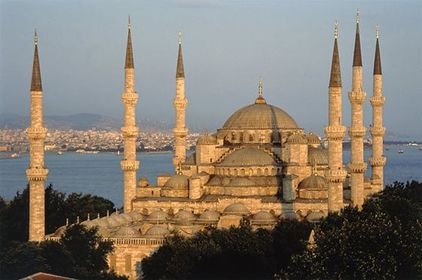
- 38—Sinan, Suleimaniye Mosque, Istanbul, 1551-1558
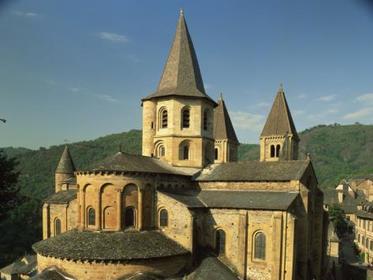
- 39—Abbey Church of Sainte Foy, Conques, c. 1080-1120
- 40—Reliquary of Sainte Foy, Conques, late 10th century
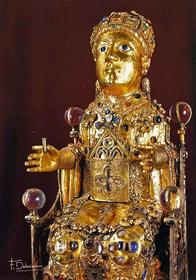
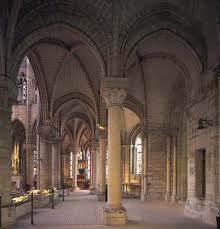
- 41—Abbot Suger, Ambulatory and radiating chapels, Abbey Church of Saint-Denis, 1140-1144
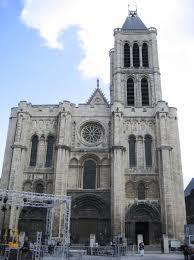
- 42—Abbot Suger, West facade, Abbey Church of St-Denis, 1135-1140
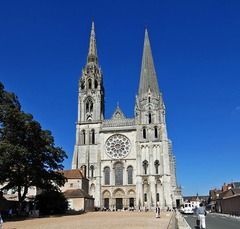
- 43—Cathedral of Notre Dame, Chartres, 1194-1220
- 44—Royal Portal and jamb figures, West Façade, Chartres Cathedral, Chartres, c. 1145-1155
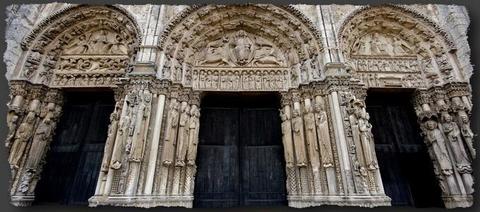
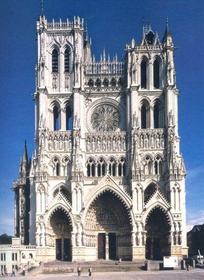
- 45—Amiens Cathedral, begun 1220, Amiens, France
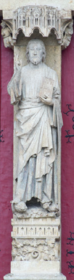
- 46—Beau Dieu, West façade, Amiens Cathedral, c. 1220-1235
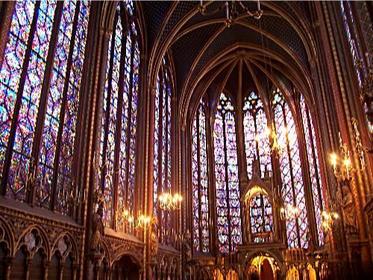
- 47—Saint-Chapelle, Paris, 1243-1248, patron – King Louis IX
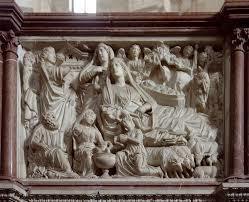
- 48—Nicola Pisano, Pisa Baptistery Pulpit, Nativity, 1259-60
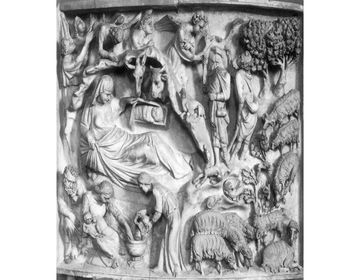
- 49—Giovanni Pisano, Pisa Duomo Pulpit, Nativity, 1302-1310
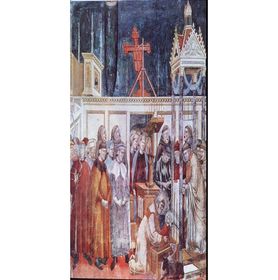
- 50—The Upper Church Frescoes of the Basilica di San Francesco, Assisi, c, 1290-1300, The Crib at Greccio
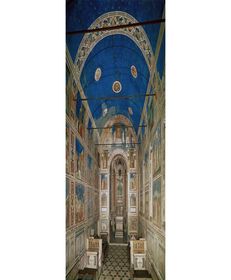
- 51—Giotto, Arena Chapel Frescos, Padua, 1305
- 52—Giotto, Ognissanti Madonna, c. 1300
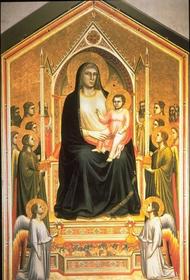
- 53—Duccio, Maesta, Siena Cathedral, 1308-11
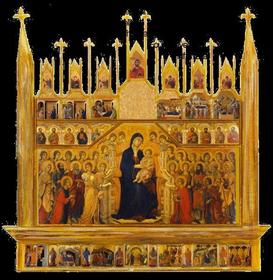
- 54—Ambrogio Lorenzetti, Allegory of Good and Bad Government, Siena Palazzo Pubblico, 1338-40
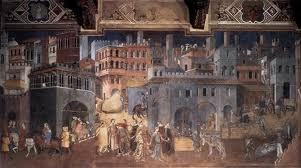
- 55—Simone Martini, Annunciation, c. 1330
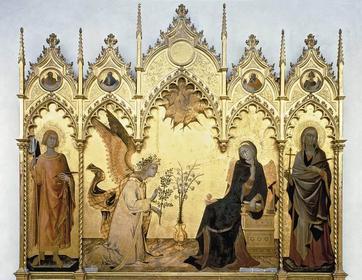
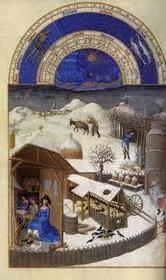
- 56—The Limbourg Brothers, Les Tres Riches Heures du Jean duc du Berry, c. 1413
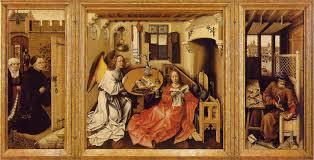
- 57—Robert Campin, The Merode Triptych, c. 1425-1430
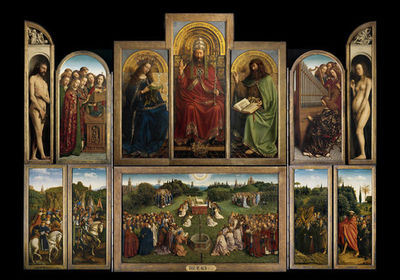
- 58—Hubert and Jan van Eyck, The Ghent Altarpiece, completed 1432
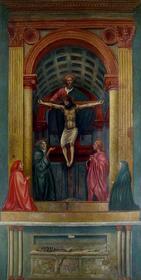
- 59—Masaccio, The Holy Trinity, Santa Maria Novella, c. 1425-1428
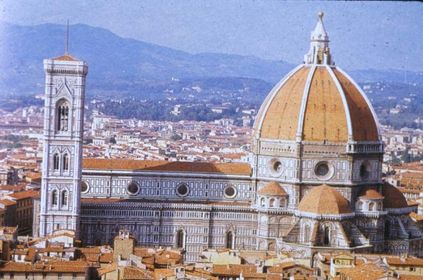
- 60—Filippo Brunelleschi, Dome of Florence Cathedral, 1420-36
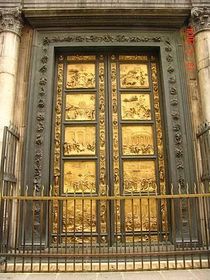
- 61—Lorenzo Ghiberti, Gates of Paradise, Florence Baptistery, c. 1425-53
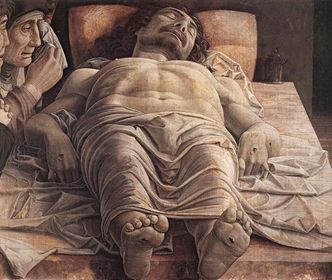
- 62—Mantegna, The Dead Christ, c. 1466
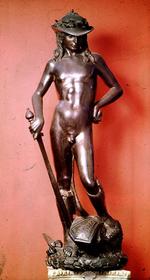
- 63—Donatello, David, 1420s-1440s
- 64—Sandro Botticelli, Primavera, c. 1482
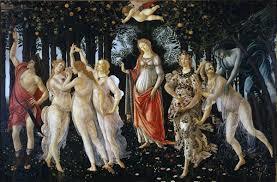
- 65—Piero della Francesca, Resurrection, c. 1463
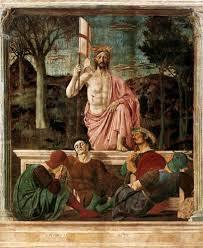
- 66—Michelozzo, Palazzo Medici Riccardi, Florence, 1445-59
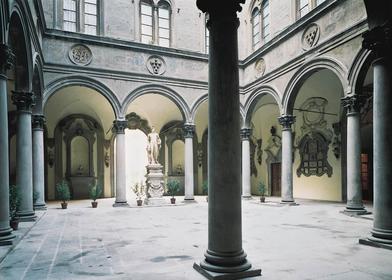
- 67—Leonardo da Vinci, Last Supper, S. Maria delle Grazie, Milan, 1495-98
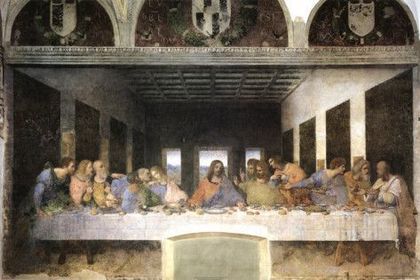
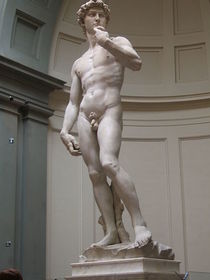
- 68—Michelangelo, David, completed 1504
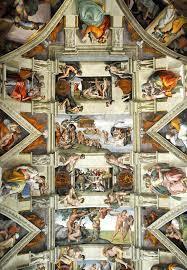
- 69—Michelangelo, Sistine Chapel, the Vatican, 1508-1512 (includes Creation of Adam)
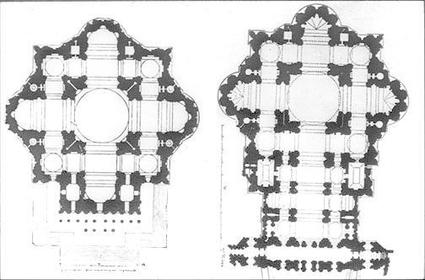
- 70—Michelangelo, Plan for St. Peter’s, Rome, 1546-64
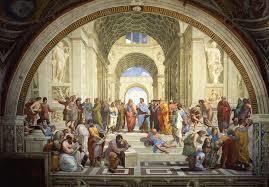
- 71—Raphael, The School of Athens
Informações
- Descrição
- 100 Arth History FlashCards sobre Midterm 1, criado por hd4230a em 15-10-2015.
- Criado por
- hd4230a
- Visualizações
- 196
- Tags
- Avaliação