
Flashcards
AP Environmental Science
Flashcards do conjunto (124)
- 1greatest global mass extinction250 million ya (90% marine and 70% land vertebrates extinct, cause unknown)
- 2Cretaceous mass extinction-65 million ya
-50% Earth's species extinct
-dinosaurs
-cause unknown; most likely Earth was struck be a large meteorite, which blocked solar radiation and halted photosynthesis
-squirrel sized primate (ancestor of humans) survived - 3mass extinctionlarge numbers of species go extinct over relatively short periods of time
- 4Sixth mass extinction-current
-extinction rate=2%-25% of species extinct by 2020
-human causes (habitat destruction, over harvesting, invasive species, climate change, emerging diseases)
-species cannot move or adapt to dramatic and sudden change
-recovery could take up to 500,000 human generations - 5zones of lakes and ponds-littoral
-limnetic
-profundal
-benthic - 6littoral zone-shallow areas of soil and water near the shore where algae and emergent plants (eg. cattails) grow
-photosynthesis - 7limnetic zone-open water
-rooted plants can no longer survive
-phytoplankton are the only photosynthetic organisms
-extends as deep as sunlight can penetrate - 8phytoplanktonfloating algae
- 9profundal zone-no sunlight
-producers cannot survive, nutrients are not easily recycled into the food web
-bacteria decompose detritus, but consume oxygen in process; dissolved oxygen concentrations not sufficient to support large organisms - 10benthic zonemuddy bottom of a lake or pond beneath the limnetic or profundal zone
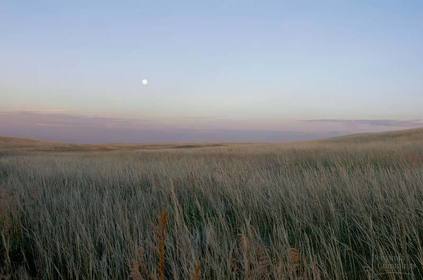
- 11temperate grassland / cold desert-lowest average annual precipitation of any temperate biome
-Great Plains of North America
-cold, harsh winters (growth limited by temperature)
-hot, dry summers (growth limited by precipitation)
-lightning fires common
-grasses, non-woody flowering plants adapted to fires and grazing, deep roots for quick regrowth
-cold desert have less vegetation than short grass prairies, much colder winters
-long growing seasons and rapid decomposition leads to nutrient rich soil
-98% converted to agriculture - 12minerals-solid chemical substances with uniform (often crystalline) structures that form under specific temperatures and pressures
-usually compounds, but may be composed of single element - 13strip mining-form of surface mining
-removal of strips of soil and rock to expose ore
-used when ore is relatively close to Earth's surface and runs parallel to it
-tailings returned to hole - 14mining spoils/ tailingsunwanted waste material from mining
- 15open-pit mining-surface mining
-creation of a large pit or hole in the ground that is visible from the Earth's surface
-used when resource is close to surface but extends beneath the surface both horizontally and vertically
-eg. copper mines - 16mountaintop removal-surface mining
-miners remove the entire tip of a mountain with explosives
-large earth-moving equipment removes resource and deposits the tailings in lower elevation regions nearby, often near rivers or streams - 17placer mining-surface mining
-looking for metals and precious stones in river sediments
-use river water to separate heavier items from lighter items
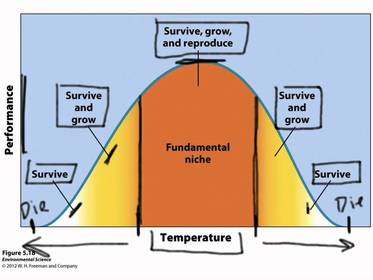
-eg. gold rush - 18range of tolerance-limits to an organism's abiotic conditions they can tolerate
-eg. extreme temperature, humidity, salinity, pH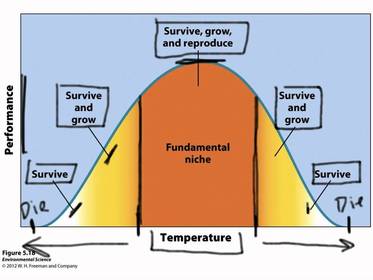
- 19fundamental nichethe suite of ideal conditions that determines whether a species can persist in that environment
- 20evolution-a change in the genetic composition of a population over time
-can occur at multiple levels - 21microevolution-evolution below the species level
-eg. different varieties of apples or potatoes - 22macroevolutiongenetic changes that give rise to new species or to new genera, families, classes, or phyla
- 23tundra-cold, treeless, low growing vegetation
-soil completely frozen in winter
-alpine tundra found on high mountains
-short growing season; four months during summer, when upper layer of soil thaws
-permafrost is permanently frozen and prevents water from draining and roots from penetrating
-little precipitation, but enough for plant growth (small woody shrubs, mosses, heaths, lichens)
-slow chemical reactions lead to slow decomposition; accumulation of organic matter and poor nutrient soil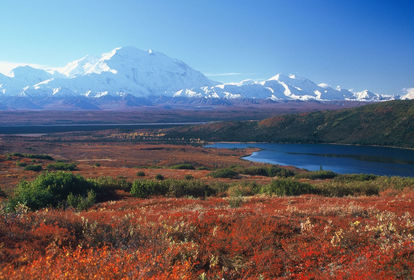
- 24International categories of public lands-national parks
-managed resource protected areas
-habitat/species management areas
-strict nature reserves and wilderness areas
-protected landscapes and seascapes
-national monuments - 25National Parks-2.7 of Earth's land area
-scientific, educational, recreational use, sometimes for beauty/unique land forms
-usually not used for resources
-pros: protect species, income from tourism
-cons: gov evicts indigenous people to create and maintain parks - 26Managed resource protected areas-sustained use of biological, mineral, and recreational resources
-eg. national forests - 27habitat/species management areas-actively managed to maintain biological communities (eg. fire prevention, predator control)
- 28strict nature reserves and wilderness areas-protect species and ecosystems
- 29protected landscapes and seascapes-combine productive use of natural resources with opportunities for tourism and recreation
-(eg. orchards, villages, beaches) - 30national monumentsprotect unique sites of special natural of cultural interest
- 31factors that influence population sizedensity dependent and independent
- 32density dependent factors-influence an individual's probability of survival and reproduction in a manner that depends on the size of the population
-eg. amount of available food: small population requires less food so scarcity will have less of a negative impact - 33Georgii Gause' experiment-demonstrate how food supply controls population growth
-monitored populations of two species of paramecium under ideal living conditions
-added constant amount of food, both species experienced rapid population growth
-growth slowed over time and reached plateau
-hypothesis: growth limited by food supply
-confirmed food was a limiting resource - 34limiting resource-resource that populations cannot live without and which occurs in quantities lower than the population would require to increase in size
- 35carrying capacitythe limit to how many individuals the environment's food supply can sustain
-denoted as K
-helps us predict how many individuals an environment can sustain - 36density independent factors-have the same effect on an individual's probability of survival and amount of reproduction at any population size
-eg. tornado, hurricane, flood, fire - 37passive solar heatingstrategies that do not rely on intermediate pumps or technology to supply heat
- 38active solar energy-technologies captures the energy of sunlight with the use of technology
-eg. small scale solar water heating systems, photovoltaic solar cells - 39photovoltaic solar cells-capture energy from the sun as light and convert directly into electricity
-low voltage direct current is converted into higher voltage alternating current
-many are tied to electrical grid
-solar panels - 40concentrating solar thermal electricity generation systems-use lenses or mirrors and tracking systems to focus the sunlight falling on a large area into a small beam
-heat from beam produces steam
-large area required. common in deserts - 41benefits of active solar energy systems-no pollution
-produce electricity during peak demand
-small scale systems are affordable - 42drawbacks of active solar energy systems-expensive to manufacture and install
-manufacturing requires a lot of water and toxic metals and chemicals, which cause pollutions
-disposal of batteries - 43geothermal energy-heat from natural radioactive decay of elements deep within Earth
-convection currents push magma to surface and heats groundwater
-geysers and hot springs - 44ground source heat pumps-transfers heat from the ground to a building
-cycles fluid through pipes underground, absorbs heat
-fluid is compressed and increases temperature, heat distributed throughout house - 45wind turbine-turns kinetic energy of wind into electricity
-use land for multiple purposes
-noise pollution
-batteries
-killing of birds and bats - 46fuel cell-electrical-chemical device that converts fuel, such as hydrogen, into an electrical current
-reactants continuously added to cell
-movement of protons in one direction and electrons in the other produce electric current
-requires Hydrogen, but difficult to find; must be separated from compounds in nature
-only product is water
-difficult to deliver; explosive - 47electrolysiselectric current applied to water to split it into hydrogen and oxygen
- 48petroleum-fluid mix of hydrocarbons, water, and sulfur
-ideal for vehicles
-fromed from phytoplankton remains
-found where pourous sedimentary rock is capped by nonpourous rocks
-drilled and transferred by pipeline - 49crude oil-liquid petroleum removed from ground
-refied into tat, asphalt, gasoline
-reineries are dangerous - 50advantages of petroleum-easy transporation and use
-energy dense
-cleaner burning than coal
-only poduces 85% of CO2 as coal for every J - 51oil sands-slow flowing, viscous deposits of bitumen mixed with sand, water, and clay
- - 52bitumen-degraded type of petroleum that forms when a petroleum deposit is not capped with nonporous rock
-petroleum migrates to the surface and bacteria metabolizes some hydrocarbons
-mining is energy intensive
-contaminates water - 53CTL-conversion of solid coal to liquid fuel
-expensive - 54energy intensity-energy use per unit of gross domestic product
-decreasing - 55hubbert curve-graph that projects the point at which world oil production would reach a maximum and the point at which we would run out of oil
-oil extraction and use would increase until half of the supply had been used (peak oil)
-at peak oil, use would decline - 56three kinds of radioactive waste-high level waste (used fuel rods)
-low level waste (contaminated protective clothing, tools, rags, and other items)
-uranium mine tailings (residue left after uranium ore is mined and enriched - 57becquerel (Bq)measures the rate at which a sample of radioactive material decays
-1 Bq= decay of one atom/second - 58curieunit of measurement for radiation
-37 billion decays/second - 59nuclear fusion energy-two hydrogen isotopes fuse to form a helium atom
-small mass lost
-large energy liberated
-small amounts of radioactive waste
-temperatures to high for containment - 60Annual energy consumption worldwide by resource-total 459 exajoules
-renewable energy 13%
-nuclear fuels 6%
-fossil fuels 81% ( 34% oil, 21% natural gas, 26% coal/peat) - 61commercil energy sourcesbought and sold
-eg. coal, oil, natural gas, sometimes wood, charcoal - 62subsistence energy sourcesgathered by individuals for their own immediate needs
-greater use in developing world - 63EROEI-amount of energy we get out of an energy source for every unit of energy expended on its production
EROEI= energy obtained from the fuel/energy invested to obtain the fuel - 64electrical gridconnects power plants together and links them with end users of electricity
-distributed to homes and businesses - 65capacitymaximum electrical output
- 66capacity factor-fraction of the time a plant is operating
-sometimes shut down for maintenance - 67coal-solid fuel formed from remains of trees, ferns, and other plant materials
- 68four types of coal(ranging from lesser to greater age, exposure to pressure, and energy content)
-lignite
-subbituminous
-bituminous
anthracite - 69metapopulation-a group of spatially distinct populations that are connected by occasional movements of individuals between them
-populations connected through corridors
-occasional immigrants from larger populations can add to the size and genetic diversity of a smaller population - 70five population characteristics-size
-density
-distribution
-sex ratio
-age structure - 71population size-(N)
-the total number of individuals within a defined area at a given time - 72population densitythe number of individuals per unit area at a given time
-knowing this can help scientists estimate whether a species is rare or abundant
-used to set hunting or fishing limits - 73population distribution-description of how individuals are distributed with respect to one another
-three types: random, uniform, clumped - 74random distributionno pattern to where individuals are
- 75uniform distributionindividuals are evenly spaces
-common in territorial animals (birds, toxic plants) - 76clumpedindividuals live in large groups
-common in herding mammals and fish, enhances feeding opportunities and protection - 77population sex ratioration of males to females
-usually close to 50:50 in sexually reproducing species
-helps scientists estimate how many offspring a population will produce in the next generation - 78population age structure-description of how many individuals fit into particular age categories
-helps predict how rapidly it can grow - 79levels of complexity (least complex to most complex)-individual
-population
-community
-ecosystem
-biosphere - 80individual-survival and reproduction
-unit of natural selection - 81population-all individuals that belong to the same species and live in a given area at a particular time
-unit of evolution - 82community-incorporates all of the populations of an organism within a given area
-interactions among species - 83ecosystem-biotic and abiotic components in a particular location
-flow of energy and matter - 84biosphere-all of Earth's systems
-movement of air, water, and heat around the globe - 85four properties of air-density
-water vapor capacity
-adiabatic heating or cooling
-latent heat release - 86air density-determines movement
-warm air rises, dense air sinks - 87water vapor capacity-warm air has higher capacity
-when air temperature falls, saturation point decreases and vapor condenses into liquid water, clouds form , precipitation occurs - 88saturation pointmaximum amount of water vapor that can be in the air at a given temperature
- 89adiabatic heating and cooling-cooling: air rises in atmosphere and pressure decreases, air expands in volume and lowers temperature of air
-adiabatic heating: air sinks towards Earth's surface and pressure increases, air decreases in volume and temperature rises - 90latent heat release-water vapor in the atmosphere condenses int liquid water and releases energy
- 91hadley cells-convection currents that cycle between the equator at 30 degrees north and south
-sun warms air in the tropics, air becomes less dense and rises, experiences adiabatic cooling, which causes latent heat release, offsets some adiabatic cooling and allows air to further expand and rise, cold dry air is displaced north and south of the equator by rising warm air, sinks to 30 north and south and experiences adiabatic heating
-hot dry deserts - 92ITCZarea of Earth with most intense sunlight
-intertropical convergence zone
-dense clouds and thunderstorms
-moves north and south of equator, following sun's rays
-approximately 23.5 north and south - 93polar cellsconvection currents formed by air that rises at 6o north and south and sinks at poles (90 north and south)
- 94k selected species-long life span
-late reproductive maturity
-few reproductive events
-few offspring
-large offspring
-excellent parental care
-slow population growth rate
-density dependent population regulation
-stable, near carrying capacity - 95r selected species-short life span
-short time to reproductive maturity
-many reproductive events
-many offspring
-small offspring
-poor parental care
-fast population growth rate
-density independent population regulation
-highly variable population dynamics - 96four categories of predators-true
-herbivores
-parasites
-parasitoids - 97predationuse of one species as a resource of another species
- 98true predators-kill prey, consume most of what they kill
-eg. African lions eating gazelles - 99herbivoresconsume plants as prey, eat small fraction of individual plant without killing it
-eg. gazelle and deer - 100parasites-live in the organism they consume, known as their host
-only consume small fraction of its host
-eg. tapeworms - 101pathogens-parasites that cause disease in their hosts
-eg. viruses, bacteria, fungi, protists - 102parasitoids-organisms that lay eggs inside other organisms
-larvae consumes the host from inside out, kills host
-eg. certain wasps and flies - 103The layers of Earth's Atmosphere-troposphere
-stratosphere
-mesosphere
-thermosphere
-exosphere
-pull of gravity on gas molecules keeps layers in place, more densely packed closer to Earth - 104troposphere-closest layer to Earth
-extends 16 km (10 miles) from surface
-densest layer
-contains most of atmosphere's oxygen, nitrogen, and water vapor
-circulation and mixing of liquids and gases, weather
temperature decreases with distance from Earth (-52 Celsius at top) - 105stratosphere-2nd layer in atmosphere
-16-50 kn (10-31 mi) from Earth's surface
-less dense
-UV radiation makes higher altitudes hotter
-Ozone O3 forms, absorbs most of UVB and all of UVC - 106thermosphere-density and pressure decreases
-block xrays and UV radiation
-charged gas molecules that glow when hit with solar energy (northern and southern lights) - 1073 causes of unequal heating of the earth-variation in the angle the sun's rays strike (perpendicular to tropics, rays travel shorter distance)
-variation in amount of surface area over which the sun's rays are distributed (perpendicular to tropics, smaller surface area)
-albedo: percentage of incoming sunlight that is reflected from a surface (poles have higher albedo due to snow, absorb less sunlight and are cold) Earth has albedo of 30% - 108coriolis effect-deflection of an object's path due to Earth's rotation
-Earth rotates counter clockwise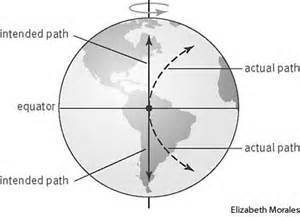
- 109prevailing wind patterns-Hadley cells north of equator produce NE trade winds, cells south of equator produce SE trade winds
-wind patterns caused by atmospheric convection currents, coriolis effect, and mixing of air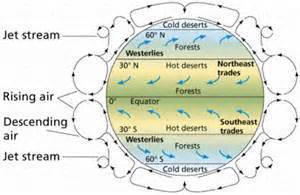
- 110earth's tilt and the seasons
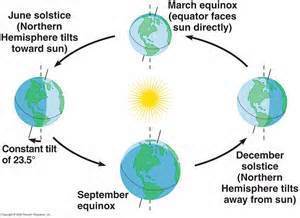
- 111Gyreslarge scale patterns of water circulation
-surface currents rotate counterclockwise in the southern hemisphere and clockwise in the northern hemisphere
-redistribute heat in the ocean
-cold water from poles moves along west coast of continents and cools land temperatures, warm water from tropics moves along east coast of continents and warms land temperatures - 112upwelling-surface currents separate and cause deeper water to rise to fill in empty space
-bring nutrients from ocean bottom and support producers
-common on west coasts - 113thermohaline circulation-drives the mixing of surface and deep water, warm water freezes or evaporates, leaves behind salt, becomes dense and sinks, mix with deep waters
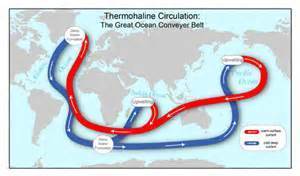
- 114El Niño Southern Oscillation (ENSO)-surface currents in tropical Pacific reverse direction
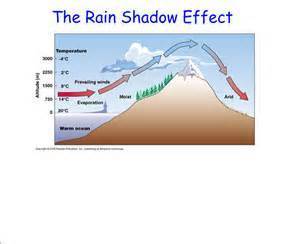
-trade winds in South America weaken, warm equatorial water from west Pacific moves east toward west coast of South America, suppresses upwelling - 115rainshadow-region with dry conditions found on the leeward side of a mountain range as a result of humid winds from the ocean causing precipitation in the windward side
- 116biomespresence of similar plant growth forms in areas possessing similar temperature and precipitation patterns in terrestrial regions
-tundra and boreal, temperate, tropical - 117Tundra-cold, treeless, low growing vegetation
-growing season 4 months during summer, upper soil layer thaws and creates pools, permafrost prevents drainage and and roots from penetrating
-low soil nutrients - 118Boreal Forest-(taiga)
-coniferous evergreens
-short growing seasons
-50-60 degrees N
-growth constrained by temperature
-slow decomposition, low nutrients
-some
-deciduous trees
-source of pulp, paper, and timber - 119Temperate Rainforest-coastal (west coast of North America, southern chile, New Zealand, Tasmania
-ocean currents moderate temperatures, provide water vapor
-mild seasons
-12 month growing season
-rainy winters, foggy summers
-large trees (coniferous, coastal redwoods)
-lumber
-ferns, mosses
-nutrient poor soil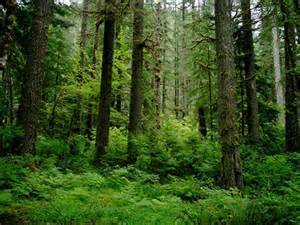
- 120temperate seasonal forest-east US, Japan, China, Europe, Chile, east Australia
-1m precipitation annually
-warm summers cold winters
-deciduous trees
-rapid decomposition in summer
-long growing season, fertile soil
-converted to agriculture - 121woodland/shrubland-coast of southern california, sosuthern south america, southwestern australia, southern africa, around mediterranean sea
-hot, dry summers, mild, rainy winters
-12 month growing season constrained by low precipitation in summer and low temperature in winter
-plants adapted to wildfires and drought
-low nutrients due to leaching
-grazing, deep rooted crops (eg. grapes for wine) - 122tropical rainforest-exceed 20 degrees celsius
-20 degrees north and south of equator
-central and south america, africa, southeast asia, northeastern australia, large tropical islands
-warm, wet, little seasonal temperature variation
-frequent precipitation
-high productivity and decomposition
-24000 ha per year cleared for agriculture, but soils lose fertility quickly
-more biodiversity per hectare, 2/3 of earth's terrestrial species - 123tropical seasonal forest/savanna-warm temperatures and distinct wet and dry seasons
-central america, east coast of south america, southern asia, northwest australia, subsaharan africa
-long dry season
-grazing and fires keep savanna open
-fairly fertile soils for farming and grazing - 124subtropical desert-30 degrees north and south
-extremely dry
-mojave, sahara, arabian, great victoria
-cacti, euphorbs, succulents
-small leaves, or spines, with few pores to prevent water loss
Informações
- Descrição
- AP Environmental Science FlashCards sobre AP Environmental Science , criado por sabrinapar22 em 08-12-2014.
- Criado por
- sabrinapar22
- Visualizações
- 82
- Tags
- Avaliação