Mapa mental
Disability
Conteúdo do mapa
Disability
why do people with disabilities not like to be referred to as ' disabled people'
- belittled/unnormal
- 'dis' 'abled' - terminology dioratry
two broad sociological ways of viewing disability
- 1) first suggest people are physical + mentally impaired
- 2) Second view, held by many disabled sociologists, suggests that the disabled are actually disabled by society
- 1) first suggest people are physical + mentally impaired
disabled by prejudicial stereotypes + attitudes resulting in discriminatory practices that reinforce the idea that the disabled should be dependent on the able-bodied + should be segregated from the rest of society. The mass media seen as responsible for many of these stereotypes and prejudices.
Shakespeare - disability should be seen as a social construction. Argues society doesn't take into account needs of those who don't meet the standard as to what is considered ‘normal’. Creates a ‘disabled identity’ amongst the able bodied + stereotypical and free from impairment population. The very nature of society constructing society in a way that ignores disability creates disability as a ‘problem’. Shakespeare goes on to argue that the media use the disability as character trait or as part of a plot. He argues that this is a ‘lazy shortcut’ to provide ‘hooks’ to get people engaged.
Symbolic annihilation: achievements of people with disabilities often trivialised not reported or condemned by the media. Also under represented in a whole range of media content
- control the media are predominantly white, male, middle class and able bodied, so media representations reflect that. The ‘Media Gaze’ nearly always represents disability as a problem for society and through the lens of able bodied representation.
Evidence: Population with disabilities: • ¼ of all adults
- • Cumberbatch et al (2014) - Content analysis research was undertaken. It was found that: In 2/3 of cases the person’s impairment was used as part of their character.
Barnes went on to identify a number of recurring stereotypes of disabled people in the media:
- Pitiable and Pathetic, a burden and unable to participate in community life.
- He claims this stereotype has risen in recent years because of appeals like children in need, drama & news which focus on miracle cures
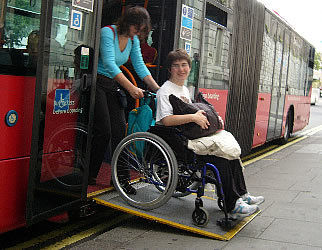
- EG having to sit at front of bus or special school = seperate
- He claims this stereotype has risen in recent years because of appeals like children in need, drama & news which focus on miracle cures
- As sinister and evil
- They are portrayed as criminals or monsters – villains in James Bond usually have some sort of physical disability.
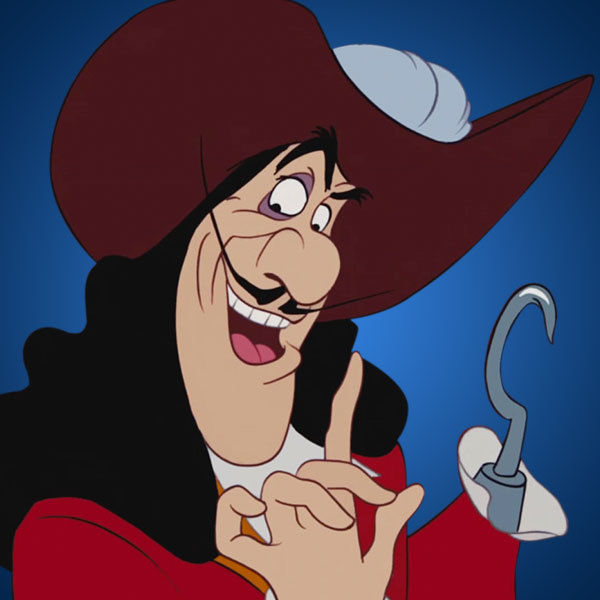
- captain huck or baddies in james bond
- They are portrayed as criminals or monsters – villains in James Bond usually have some sort of physical disability.
- As Super Cripples
- Barnes notes that disabled individuals may be seen as having super powers.
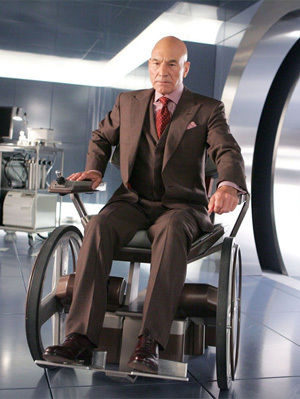
- steven hawkins or x-men character proffesor
- Barnes notes that disabled individuals may be seen as having super powers.
- As an object of ridicule
- Disabled people may be laughed at in comedies.
- little britain, family guy = joe, harvey price on social media
- Disabled people may be laughed at in comedies.
- AO3- "The theory of everything" shows how with disablity Steven Hawkings still considered as one of the smartest men and discovered something someone without a disability wasn't able to
- Pitiable and Pathetic, a burden and unable to participate in community life.
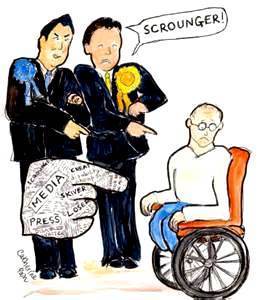
Bryant et al - In the GUMG study found comparing 5 newspapers from 2004-5 to 2010-11 proportion of articles that were sympathetic to people with disabilities had reduced and the proportion of articles that linked to benefit fraud had doubled. Common references were made, such as ‘scrounger’, cheat’ and skiver’.
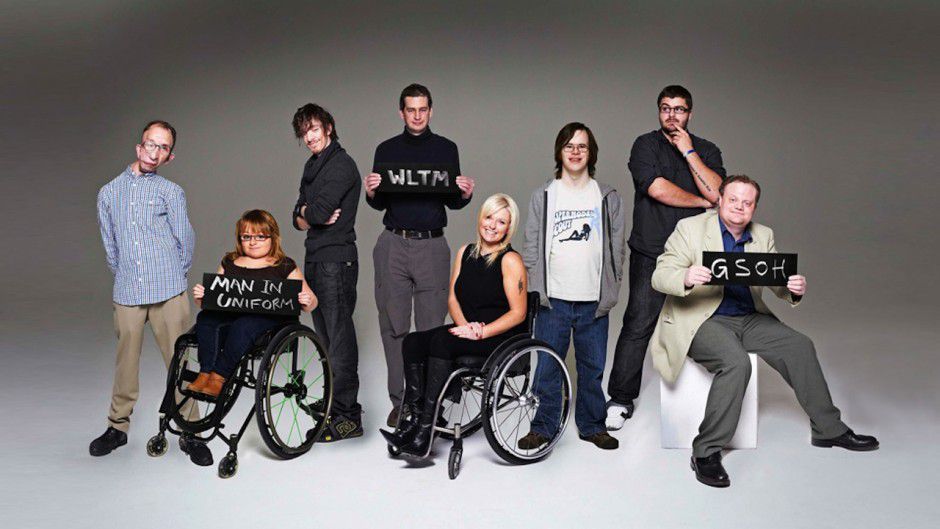
UNdatables
- show created for an insight to disabled life seen as sympathetic or on another hand comical to viewers
Perceptions of disability in the media
- Ross & Sancho - indicates that both able-bodied and disabled viewers object to and are critical of the way disabled people are portrayed in the media. Children especially were irritated by portrayals of miraculous cures and a lack of reality e.g. not seeing disabled people working or getting up stairs.
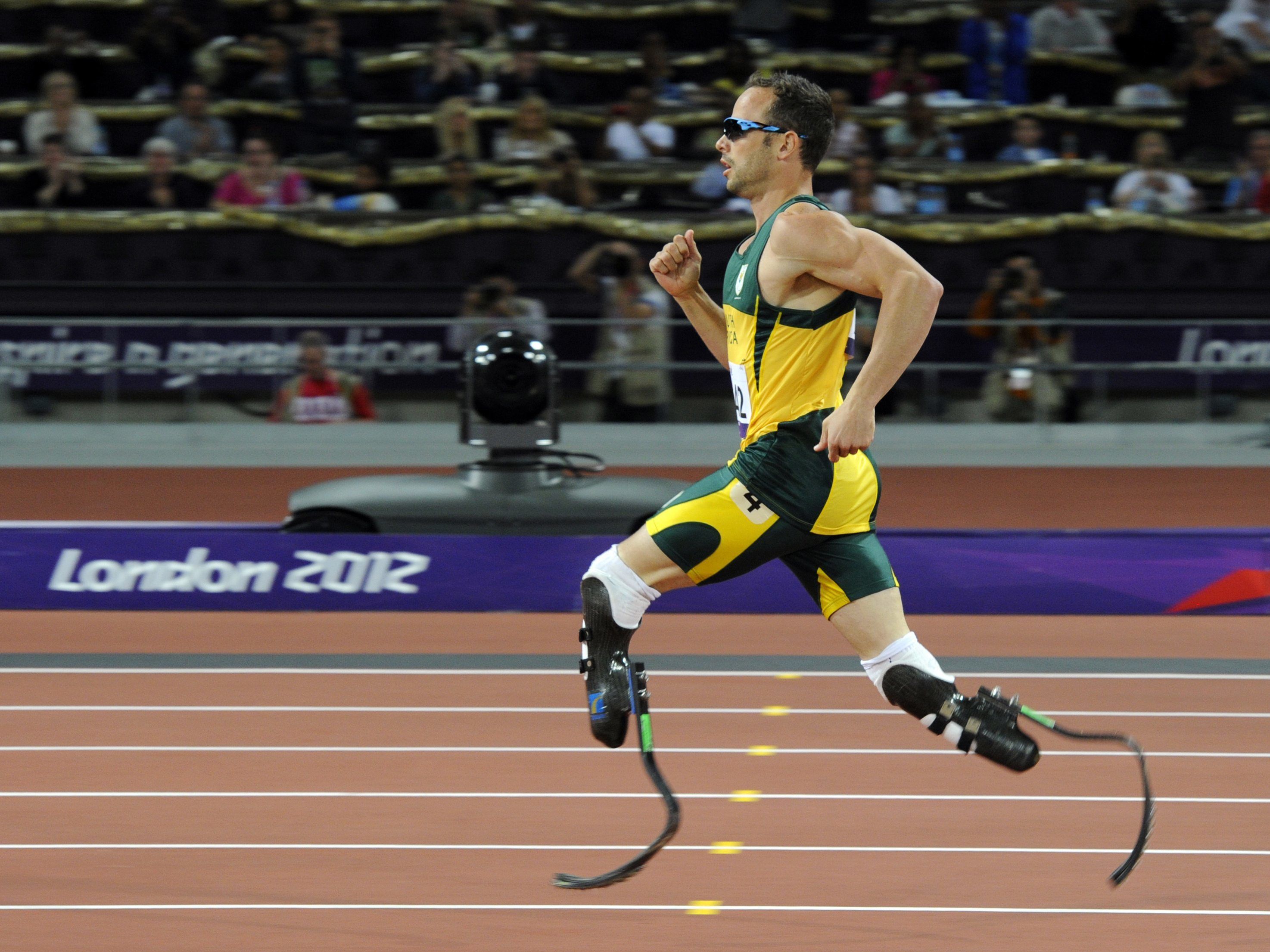
- Paralympic Coverage - in media its shown to be good/positive and broadcasted globally for people to watch and support
- Ross & Sancho - indicates that both able-bodied and disabled viewers object to and are critical of the way disabled people are portrayed in the media. Children especially were irritated by portrayals of miraculous cures and a lack of reality e.g. not seeing disabled people working or getting up stairs.
Time to change Philo/GUMG (1999) found that television and press reporting of people suffering mental disabilities often focuses on violent incidents despite the fact that only a tiny minority of people with mental health impairments are potentially violent. ‘Time to Change’ and GMG content analysis study (2014) found that TV soaps and dramas were moving away from the ‘Mad and Bad’ stereotypes of mental illness that Philo had found in 2010.
Roper: The effect of telethons: He suggests that the mass media representations of the disabled on telethons such as children in need, (overly cute children) don't represent disabled people in the UK. Imply charities NOT the government should provide for people with disability. She argues this media rep creates a “begging” culture They encourage the general public to alleviate their guilt of not being disabled by giving some money.