
Mapa mental
Devices
Conteúdo do mapa
Devices
Input
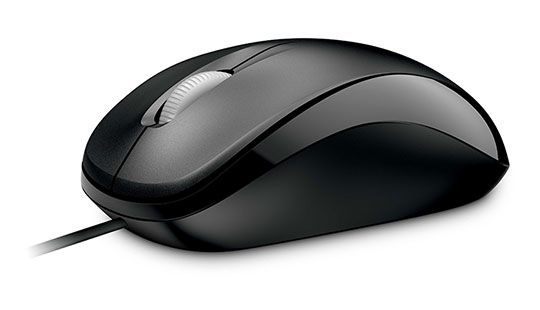
- Mouse
- A mouse works by an optical computer mouse uses a light source, typically an LED, and a light detector, such as an array of photodiodes, to detect movement relative to a surface. It is an alternative to the mechanical mouse, which uses moving parts to sense motion.
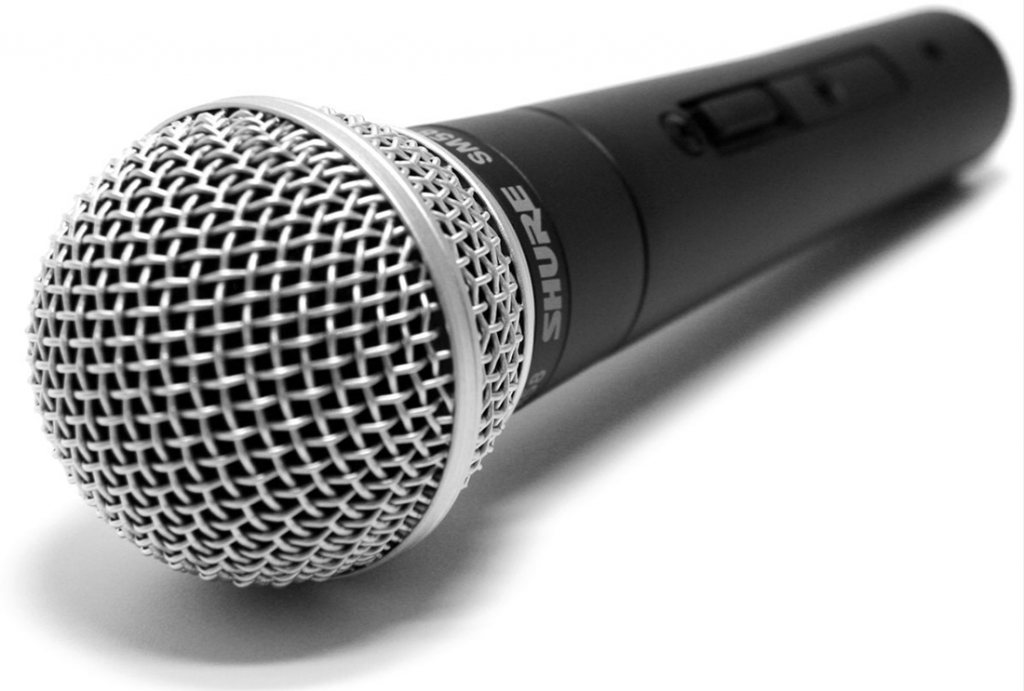
- Microphone
- A microphones works because Microphones are a type of transducer - a device which converts energy from one form to another. Microphones convert acoustical energy (sound waves) into electrical energy (the audio signal).
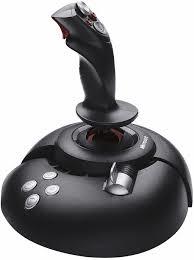
- Joystick
- A joystick works because it is connected to two potentiometers. Each potentiometer is used to record for left and right and forward and backward movements. When a joystick is moved these two potentiometers sends the details of the y and x co=ordinates to the Central Processing Unit and the required movement is achieved.
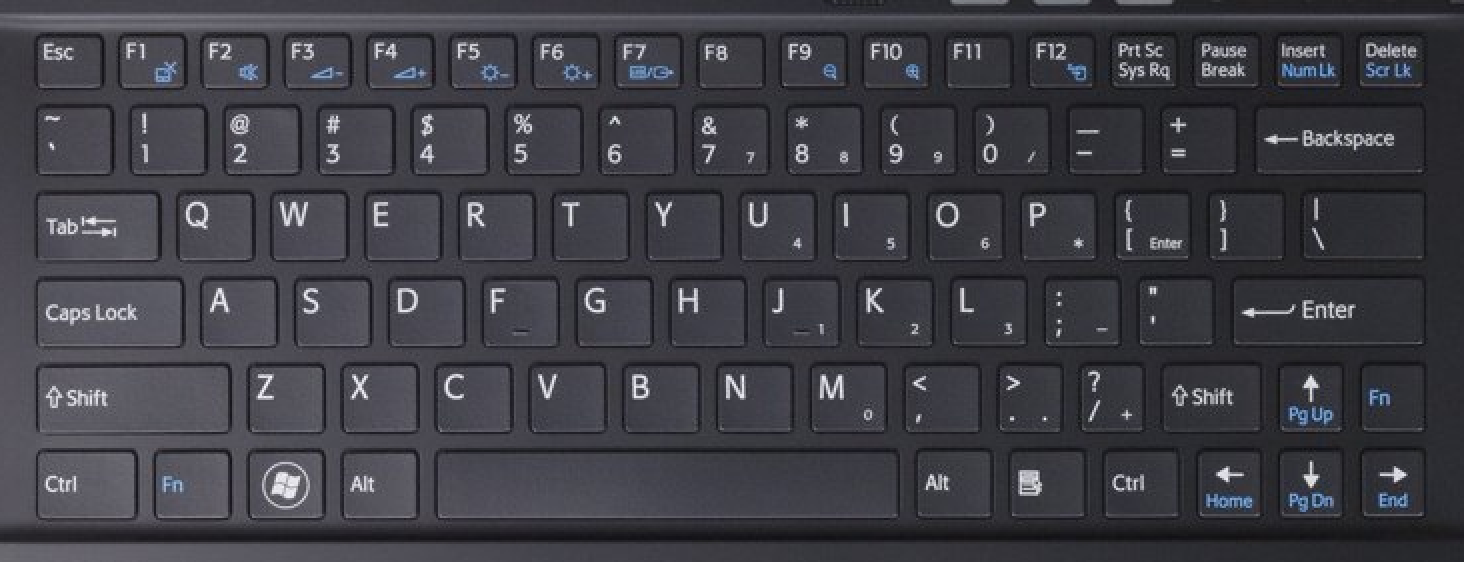
- Keyboard
- A keyboard works because Each key on the board has a little electrical switch under it. When you press a key, its switch completes a certain electrical circuit (2). A processor (like a tiny computer) inside the keyboard records which circuits were completed and in what order. Then it sends that information to your computer.
- Webcam
- Webcam work the same as digital camera
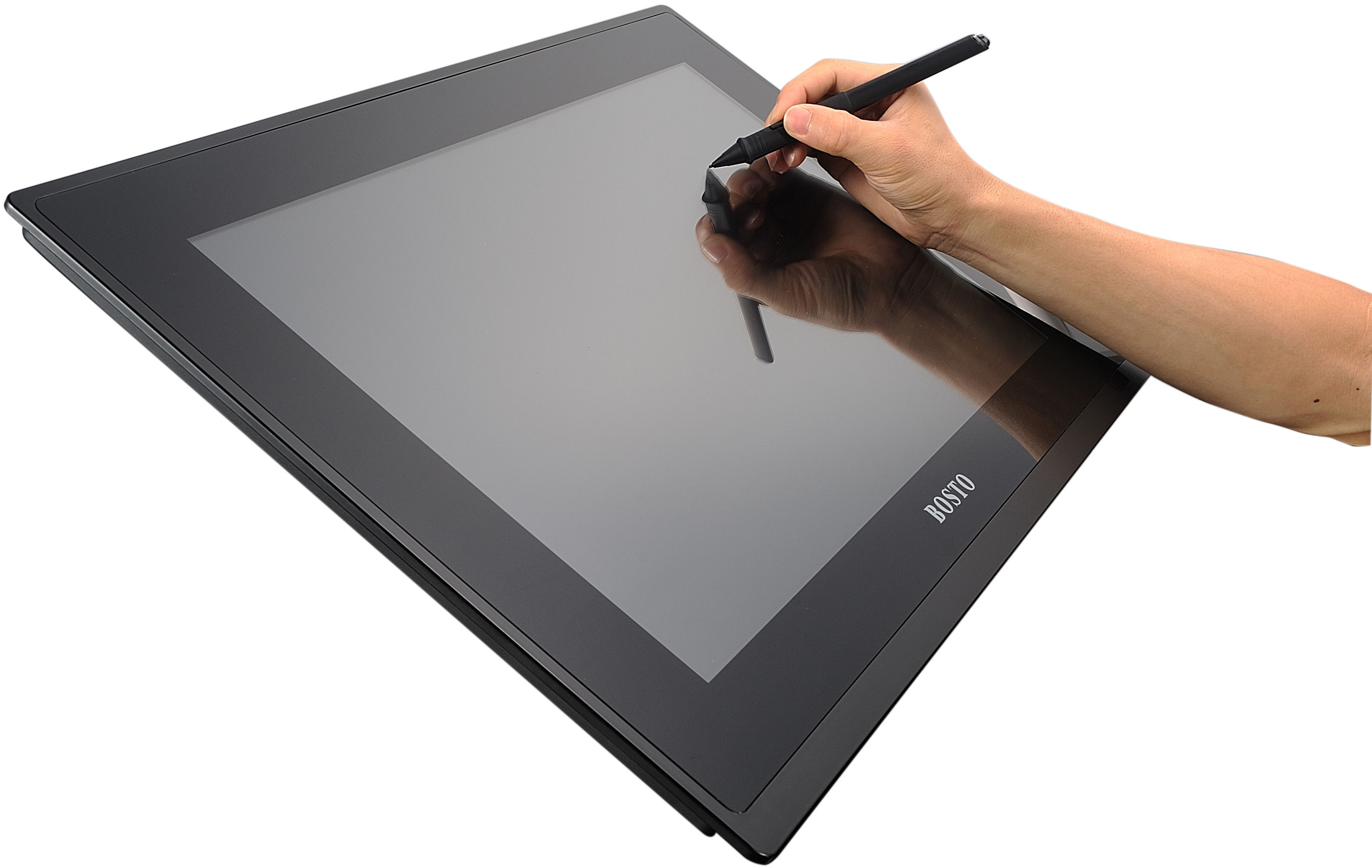
- Graphics tablet
- A graphics tablet works by a hardware input device used primarily by digital artists, though many non-artists use them as well. Graphics tablets have a hard plastic, touch-sensitive drawing surface that transfers stylus or mouse movements to a monitor
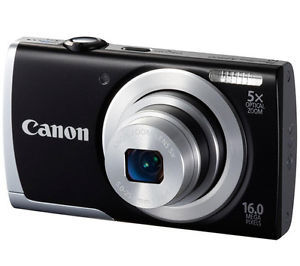
- Digital camera
- A digital camera works by takes light and focuses it via the lens onto a sensor made out of silicon. It is made up of a grid of tiny photosites that are sensitive to light. Each photosite is usually called a pixel, a contraction of "picture element".
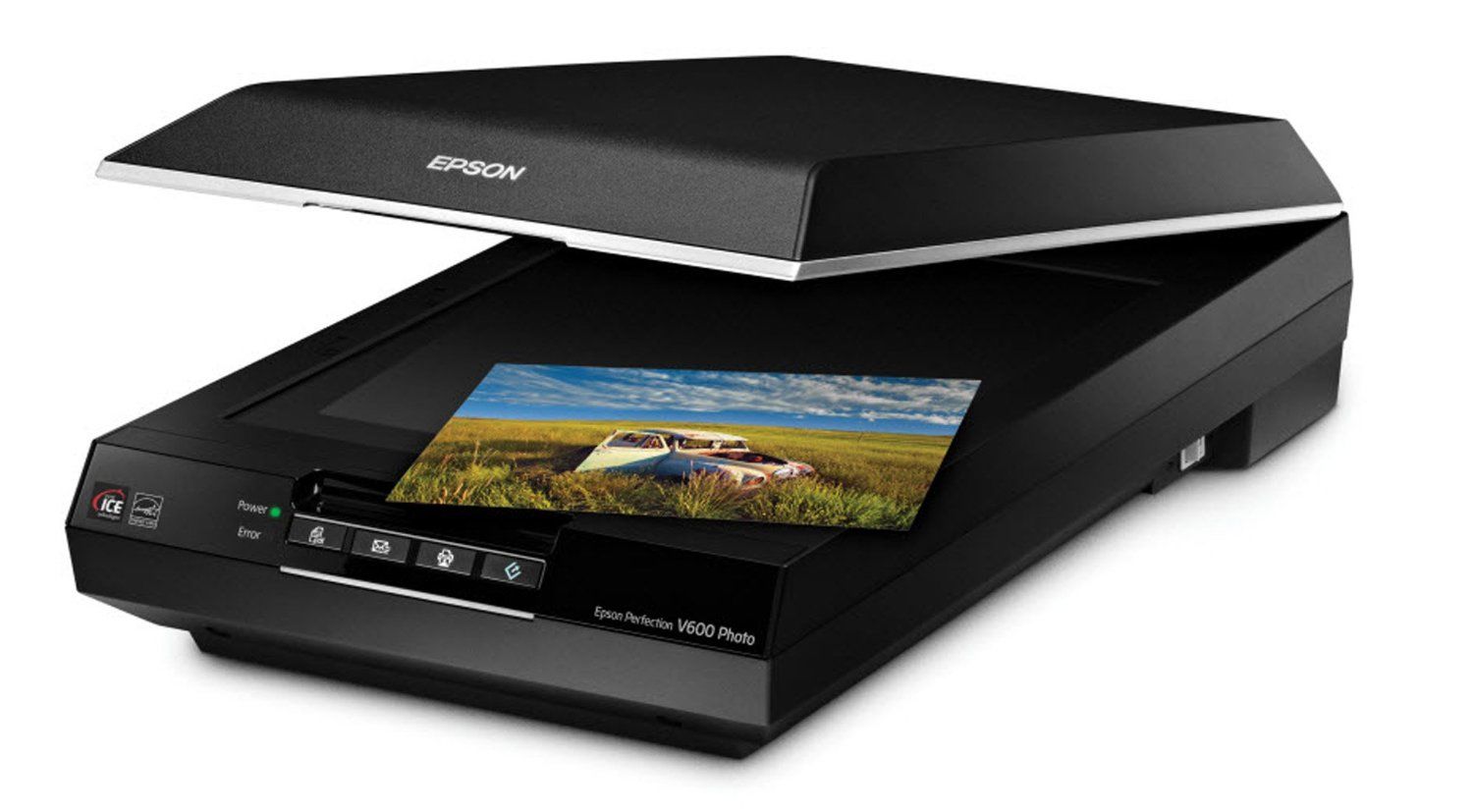
- Scanner
- A scanner works by light passes through the scanner lens and reaches the CCD sensors. CCD sensors measure the amount of light reflected through the image and converts the light to an analog voltage
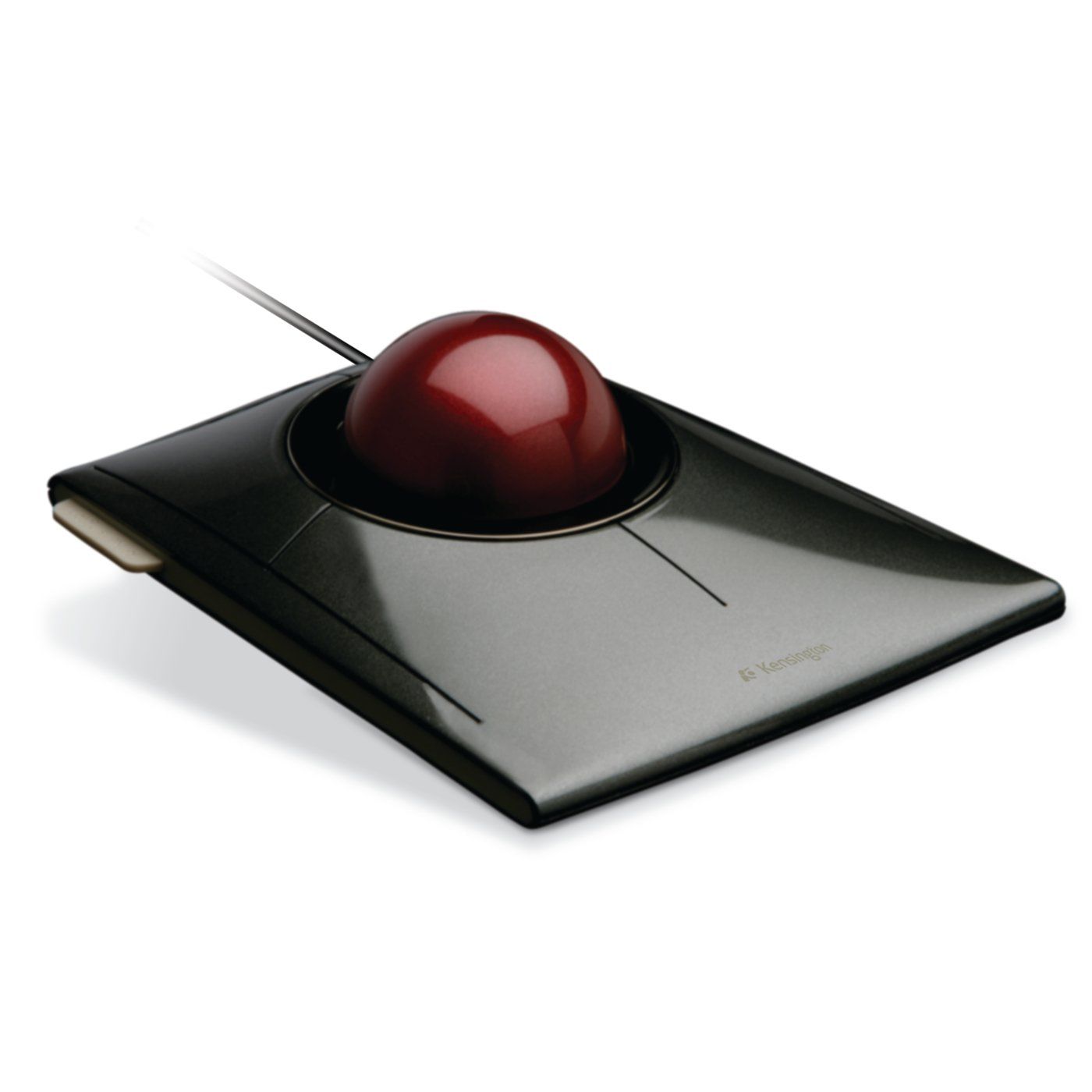
- Trackball
- Trackballs work by using optical sensors to read the movements of dots on the surface of the ball. By tracking the direction in which the dots move, the optics translate the movement of the ball into moving the cursor.
- Mouse
Output
- LCD TV
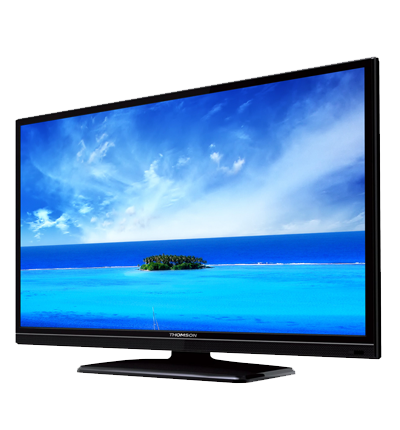
- In an LCD television, the pixels are switched on or off electronically using liquid crystals to rotate polarized light.
- Monitor
- A monitor usually comprises the display device, circuitry, casing, and power supply. The display device in modern monitors is typically a thin film transistor liquid crystal display (TFT-LCD) or a flat panel LED display, while older monitors used a cathode ray tubes (CRT).
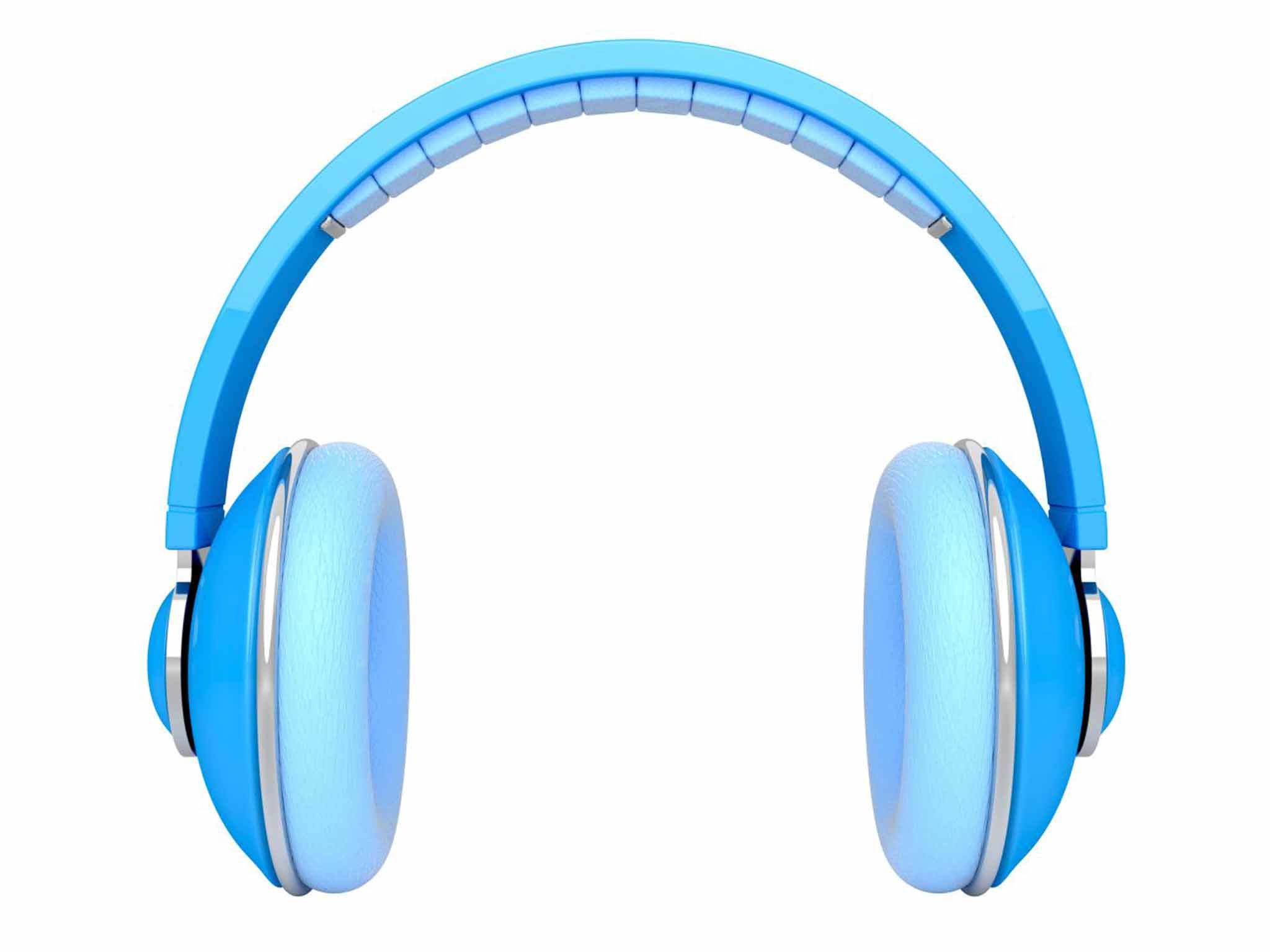
- Headphones
- Headphone work by Large headphones are essentially just two loudspeakers mounted on a strap that clamps firmly over your head. Earbuds work the same way but, as you would expect, everything inside them (the magnet, the coil of wire, and the diaphragm cone that makes sound) is shrunk down to a much smaller size.
- Speaker
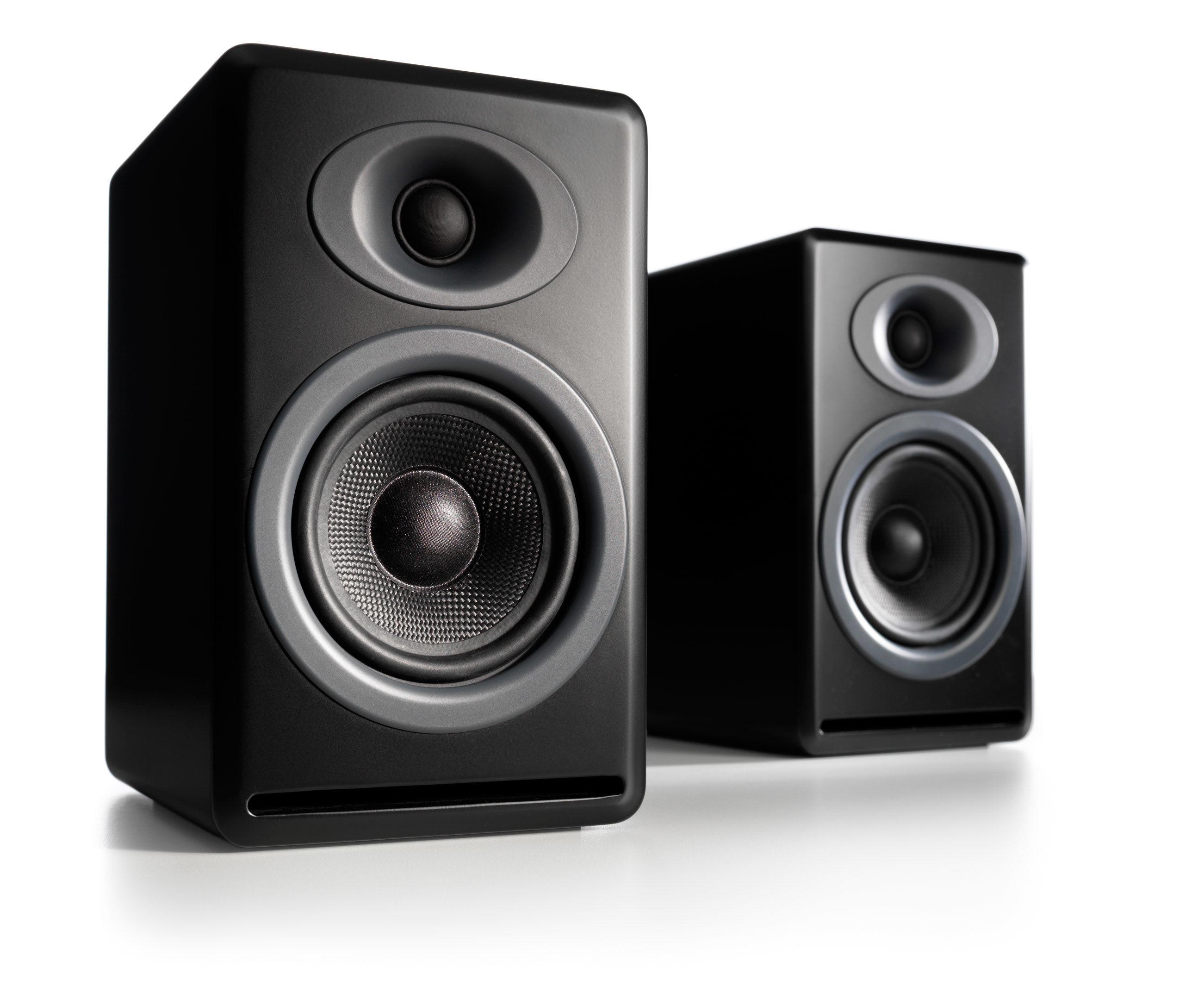
- How a loudspeaker works. When a fluctuating electric current flows through the coil (orange), it becomes a temporary electromagnet, attracted and repelled by the permanent magnet (blue/red). As the coil moves, it moves the cone (gray) back and forth, pumping sound waves into the air (light blue).
- Printer
- Image result for how does a printer work It makes a laser beam scan back and forth across a drum inside the printer, building up a pattern of static electricity.
- Buzzers
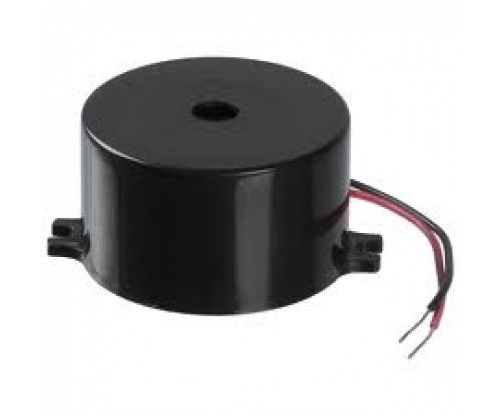
- A buzzer works by takes some sort of input and emits a sound in response to it. They may use various means to produce the sound; everything from metal clappers to electromechanical devices.
- Lights
- They make light by passing electricity through a very thin wire filament so it gets incredibly hot.
- 3D printer
- A 3D printer work by reading a blue print and making it out of plastic and doing it by layer and layer at a time.
- GPS
- A GPS receiver must be locked on to the signal of at least 3 satellites to calculate a 2-D position (latitude and longitude) and track movement.
- Plotter
- A plotter by moving a pen mechanically, plotters draw line art onto the surface of the paper to reproduce vector graphics drawn on a computer.
- LCD TV
Processoing
- Microphone
- Microphones convert acoustical energy (sound waves) into electrical energy (the audio signal).
- Calcualtor
- So, when we press buttons on a calculator, those buttons are connected to sensors that send electrical currents to the integrated circuitry of a calculator. This circuitry contains transistors that build up a logical framework for solving any given calculation, and the more transistors present, the more advance the functionality of the calculator is likely to be.
- Laptop
- A laptop works with a power cable, which is used to charge the battery, and the keyboard is integrated into the computer, using a touch pad as a mouse.
- DVD drive
- You can store more on a DVD than a CD by using a laser beam that "writes smaller". And to read or write a Blu-ray disc, you use a laser to write even smaller still.
- Tv
- Their screens are composed of many tiny cells filled with noble gases which are electrified and give off energy to light up phosphorescent chemicals in the screen.
- Microphone
Storage
- Hard drive
- Bigger drives have a series of platters stacked on a central spindle, with a small gap in between them. The platters rotate at up to 10,000 revolutions per minute (rpm) so the read-write heads can access any part of them.
- DVD
- Digital versatile discs (DVDs) can store more information than compact discs (CDs) because they have smaller pits, placed closer together. It is the pattern of these pits burned onto a disc's surface that encodes the 1's and 0's a player translates into sound and/or images.
- Memory card
- Flash memory cards consist of large numbers of individual cells, each of which contains a set of transistors. Under normal circumstances, current flows between the transistors and into a drain. When a charge is applied to one of the transistors, the current flow gets blocked. The amount of current passing through the cell effectively flips it from a one to zero, allowing for the storage of binary data.
- Memory stick
- The storage capacity of USB flash drives is increasing at a rapid pace with advancements in technology.
- Hard drive
Imagens e arquivos do mapa
Informações
- Descrição
- ks3 computing - Mapa Mental sobre Devices, criado por Isabella Bassett em 13-05-2016.
- Criado por
- Isabella Bassett
- Visualizações
- 1
- Avaliação