Mapa mental
Passive Transport
Conteúdo do mapa
Passive Transport
DIFFUSION
- small nonpolar molecules move through the hydrophobic region of the phospholipid bilayer
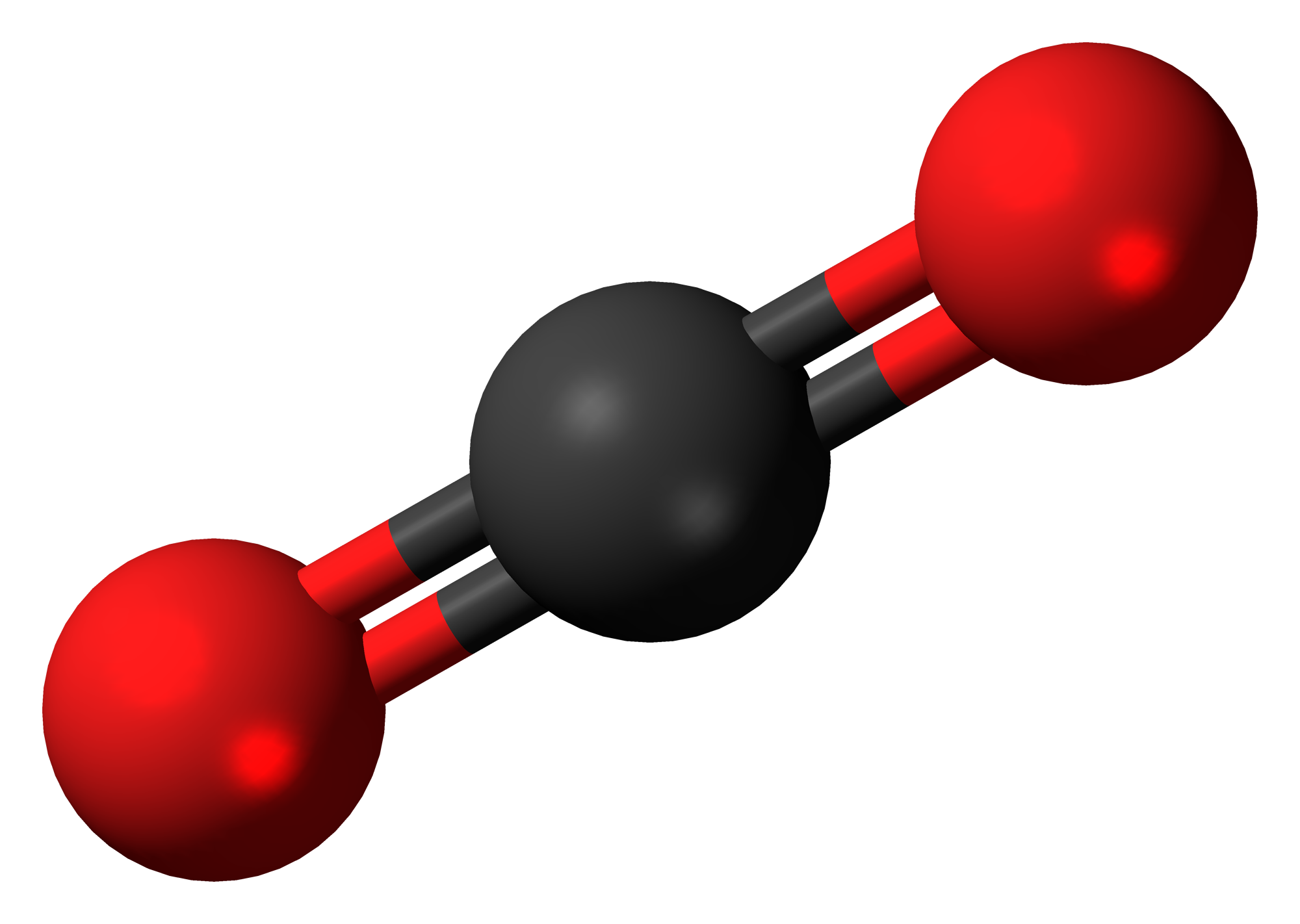
- CO2
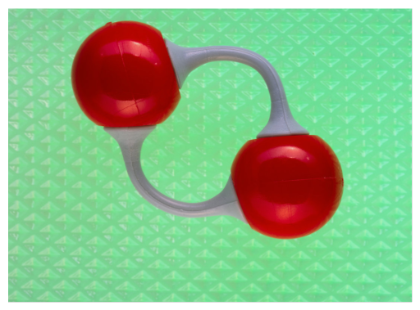
- O2
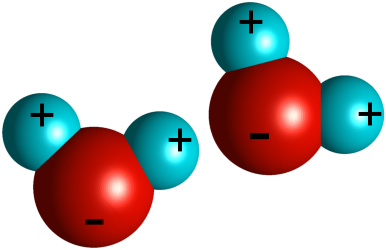
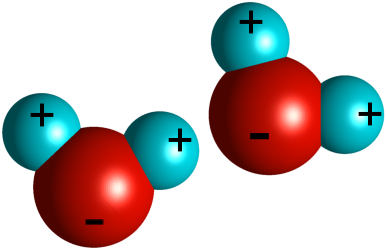
- H20
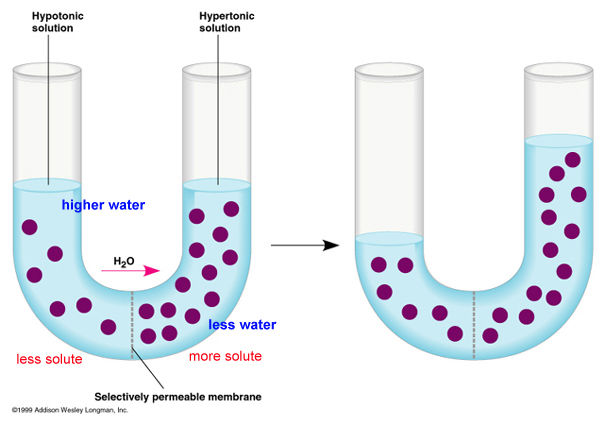
- OSMOSIS
- Slow
- small amounts of H2O only
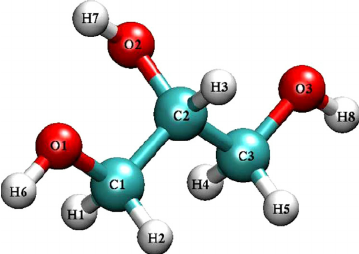
- glycerol
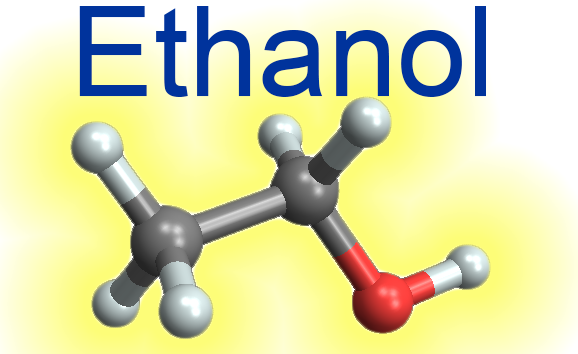
- ethanol
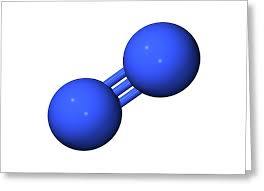
- N2
- uses kinetic energy of molecules
- only effective over very small distances
- moves molecules to reach an equilibrium
- At equilibrium movement of molecules occurs but there is no net change
- small nonpolar molecules move through the hydrophobic region of the phospholipid bilayer
FACILITATED DIFFUSION
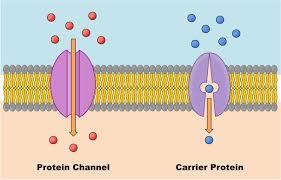
- Requires a transmembrane protein that spans the phospholipid bilayer
- CHANNEL PROTEINS
- Aquaporins
- Rapid movement of H2O
- Ion channels
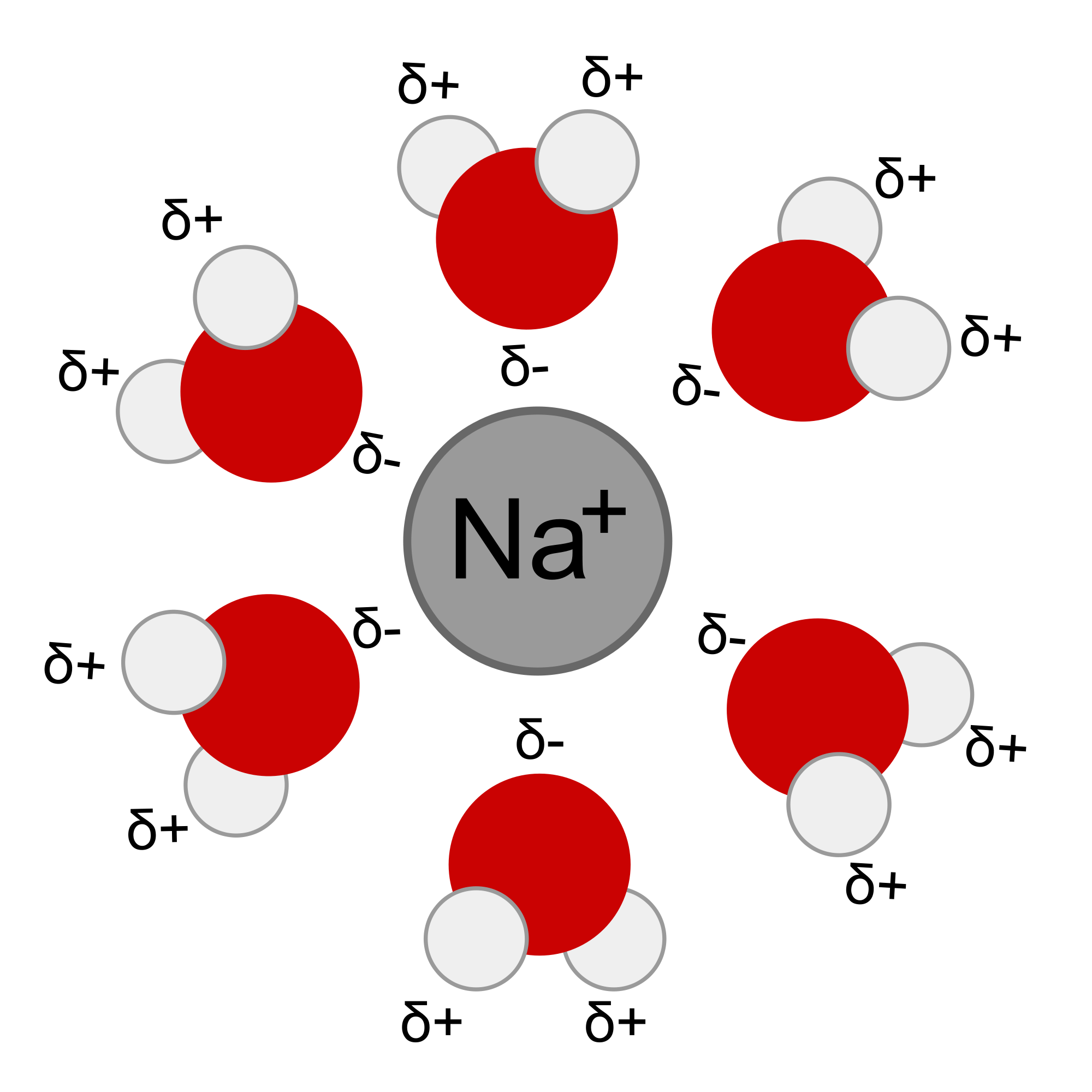
- charged ions
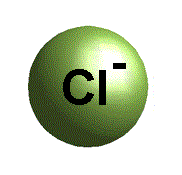
- Chlorine Cl-
- Sodium Na+
- Potassium K+
- Calcium Ca2+
- Hydrogen Ion H+
- charged ions
- forms hydrophilic pore
- Aquaporins
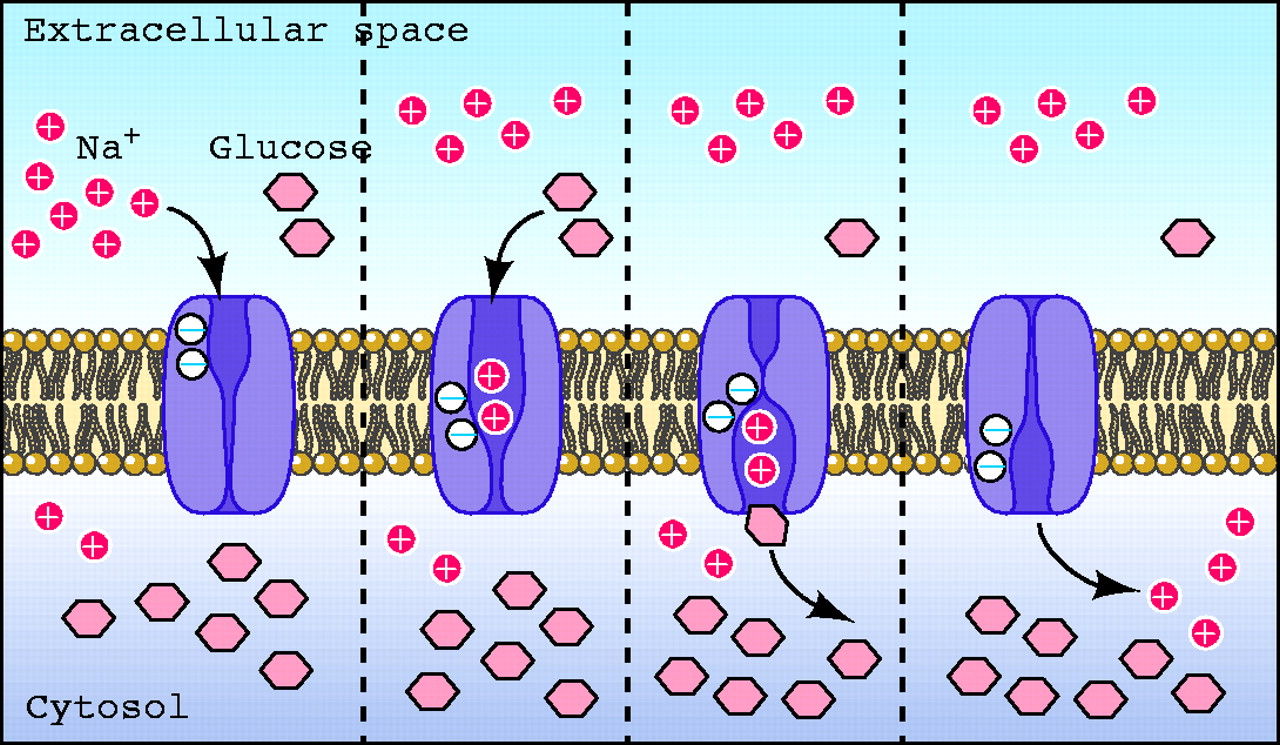
- CARRIER PROTEIN
- Glucose transport into the cell
- Uses Symport with Na+ and glucose
- binds to a specific molecule
- undergo a change in conformation
- Glucose transport into the cell
- CHANNEL PROTEINS
- polar molecules
- ions, amino acids, nucleoside, carbohydrates
- Requires a transmembrane protein that spans the phospholipid bilayer
does not require ATP
moves molecules along a concentration gradient from areas of high concentration to areas of low concetration