
Mapa mental
Ionic, Compound and Isotopes
Conteúdo do mapa
Ionic, Compound and Isotopes
Atomic number and mass number describe an atom
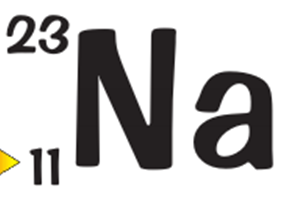
- Numbers that tell you how many of each kind of particle an atom has:
- The Mass Number
- Total number of protons and neutrons
- Top Number of the element
- Total number of protons and neutrons
- The Atomic Number
- Number of protons
- Bottom Number of the element
- Number of protons
- The Mass Number
- Numbers that tell you how many of each kind of particle an atom has:
To get the number of neutrons, just subtract the atomic number from the mass number to get the relative mass.
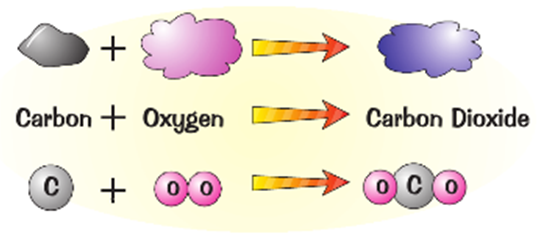
Compounds are chemically bonded
- Compounds are formed when atoms of two or more element are chemically combined together
- It’s difficult to separate the two original elements out again
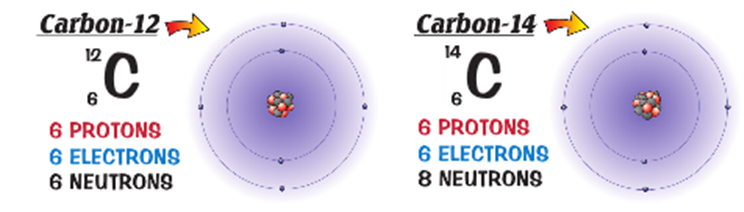
Isotopes are the same except for an extra neutron or two
- A favourite exam question “Explain what is meant by the term isotopes”
- Isotopes are: different atomic forms of the same element, which have the SAME number of PROTONS but a DIFFERENT number of NEUTRONS
- A favourite exam question “Explain what is meant by the term isotopes”
Imagens e arquivos do mapa
Informações
- Descrição
- Facts about Ionic, Compound and Isotopes. Comment below if this helps you:)
- Criado por
- Evangeline Taylor
- Visualizações
- 255
- Tags
- Avaliação