
Mapa mental
Atomic structure and the periodic table
Conteúdo do mapa
Atomic structure and the periodic table
Atoms
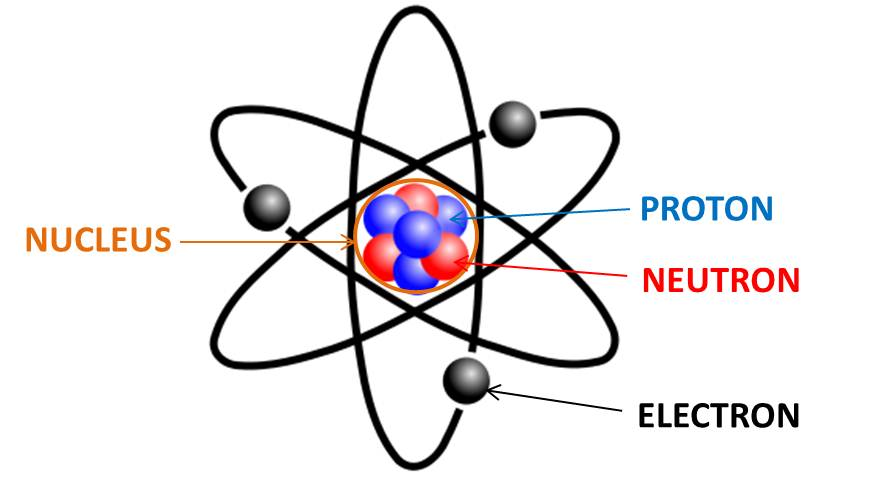
- The Nucleus
- Protons
- Determines what element it is
- Positive charge
- Neutrons
- Determines what isotope it is
- neutral charge
- Protons
- Electrons
- Move in shells
- Determines the period of the element
- First shell: 2, second: 8, third:8
- Determines what ion it is
- More means negative charge
- Less means positive charge
- negative charge
- Move in shells
- Neutral and have no charge normally
- Protons = electrons
- Protons + neutrons = approximate mass number
- The Nucleus
Elements
- Contain molecules with one type of atom
- 118 currently known with more predicted to be possible
- Represented by symbols
Compounds
- Made of two or more types of atoms
- Chemically linked through bonds
- Covalent
- Ionic
- Metallic
- Properties can be totally different from the properties of their elements
Mixtures
- Made of two or more types of atoms or compounds
- But they are not chemically linked
- Properties are normally a mix of the properties of their components
- Can be separated without a chemical reaction
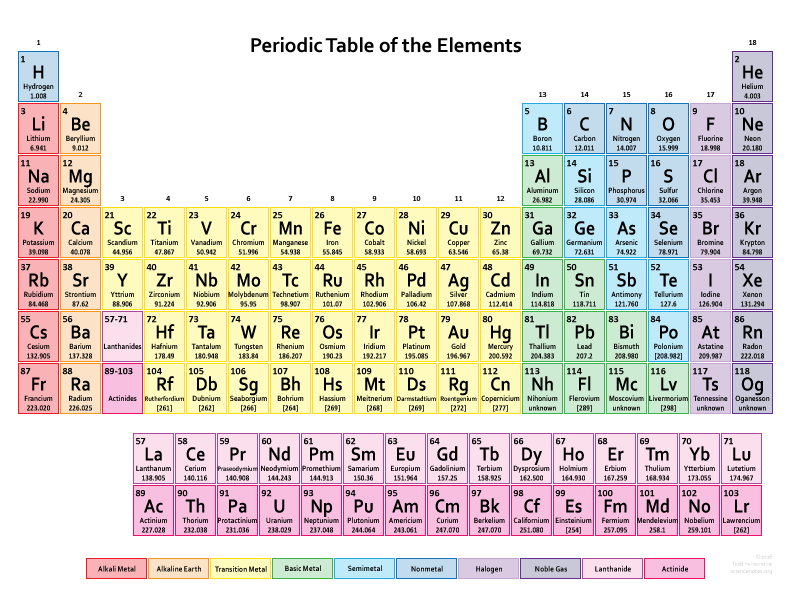
Periodic table
- Groups
- 0-7 and transition metals
- Group 1: alkaline metals
- Very reactve
- More reactive down the group as the electron is further from the nucleus
- 1 electron in the outer shell
- soft metals
- Low density
- Group 7: Halogens
- Less reactive as you go down because the outer shell is further away from the nucleus
- Very reactive
- Colored vapors
- Further down, higher melting points
- Group 0: noble gasses
- Inert
- outer shell always has 8 electrons
- Further down, higher melting points
- Group 1: alkaline metals
- 0-7 and transition metals
- Periods
- Currently 7
- Groups
Separating mixtures
- Chromatography
- Separating mixtures into their components by allowing one to move and one to stay stationary
- Paper chromatography separates inks
- Filtration and crystallisation
- Distillation and fractional distillation
- Chromatography
Imagens e arquivos do mapa
Informações
- Descrição
- An overview of everything you need to know for topic 1 AQA chemistry. Please rate and comment so I know haw to improve these resources for future use by other people, thanks :-)
- Criado por
- Brodie McMeowface
- Visualizações
- 422
- Tags
- Avaliação