
Mapa mental
Science B2
Conteúdo do mapa
Science B2
Many diseases that humans suffer from are caused by microbes.
Harmful microorganisms are called pathogens.
- It is the effects of the pathogens on the body on the body which cause us to feel ill.
Diseases caused by bacteria include Meningitis, tetanus, salmonella and tuberculosis.
Viruses cause disease in a different to bacteria. Once a viruse enters a body cell and uses it to make opies of itself.
- Sometimes their is so much of a virus in a cell that it explodes
Viruses cause diseases such as flu, the common cold, measles and chickenpox.
Bacteria and Viruses can reproduce very rapidly in ideal conditions. In warm, moist environments with plenty of food (such as inside the human biody), bacteria can reproduce every 20 minutes.
- The term exponential growth means when one bacterium becomes two, after another 20 minutes those two become four, after another 20 minutes those four become eight, and so on. This type of growth is known as exponential growth.
Our bodies fight against disease using lots of different methods.
- Skin heals itself
- Saliva, tears and stomach acid wash away invading microorganisms
- The immune system is an internal defence
- The system attacks pathogens by using several different types of white blood cell.
- White blood cells
- Made in the bone marrow
- These white blood cells engulf microorganisms and digest them.
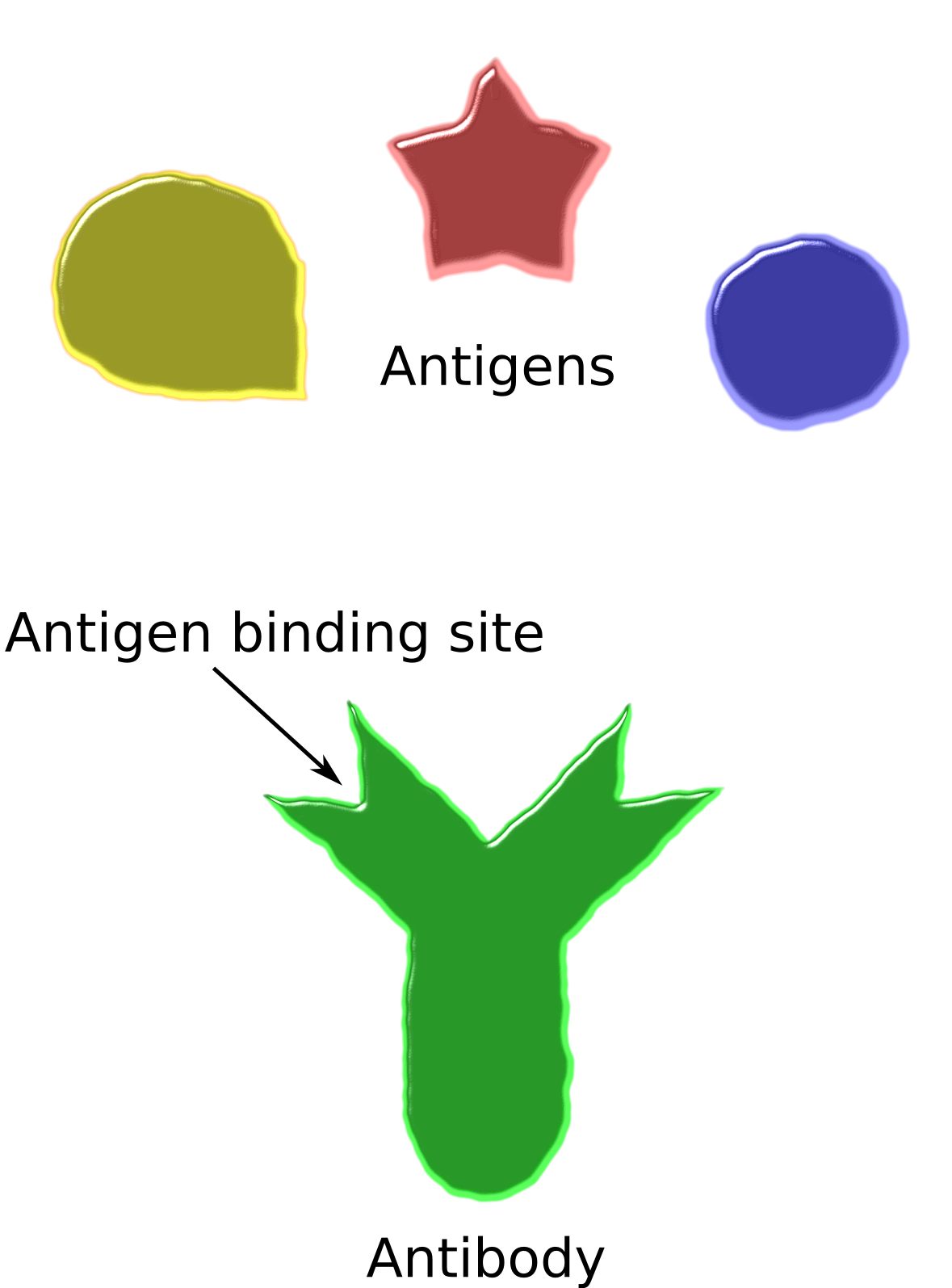
- Another type of white blood cell produces antibodies that recognise and destroy particular microorganisms.
Vacinations are generally given as injections under the skin
- Babies and children undergo a course of vaccinations in their first year and as they prepare to go to school
- Vaccinations usually contain a weak or non living form of a pathogen to ensure that the vaccine itself does not make the patient ill.
An epidemic can occur when diseases spread rapidly through populations.
Imagens e arquivos do mapa
Informações
- Descrição
- Mapa Mental sobre Science B2, criado por z10c.bc em 23-04-2014.
- Criado por
- z10c.bc
- Visualizações
- 26
- Avaliação