
Notas
Biology
Conteúdo das notas (1)
Página 1
AP Bio questions: http://apcentral.collegeboard.com/apc/members/exam/exam_information/219291.html
Chapter 2:
- Bonds, reactions, and properties of water
Chapter 3:
- Carbon
-Carbs, Lipid, Proteins, and Nucleic Acids
Chapter 4:
-The cell, the organelles of the cell and their functions
Chapter 5:
-Membrane transport and cell signaling
Chapter 6:
-Metabolism
-Enzymes
Chapter 7:
-Cellular Respiration
-Fermentation
Chapter 8:
-Photosynthesis
Chapter 9:
-The Cell Cycle
(cell division and mitosis)
Chapter 10:
-Meiosis
-Genetics
Chapter 11:
-Mendelian Genetics
-Inheritance
Chapter 12:
-Chromosomal basis of Inheritance
-Sex-linked genetics
OVERVIEW
AP Central:
http://apcentral.collegeboard.com/apc/public/courses/teachers_corner/2117.html
Biochemistry
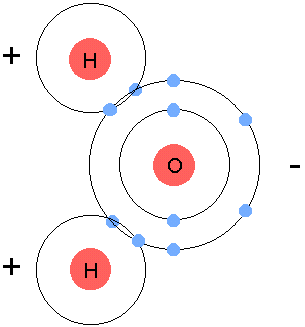
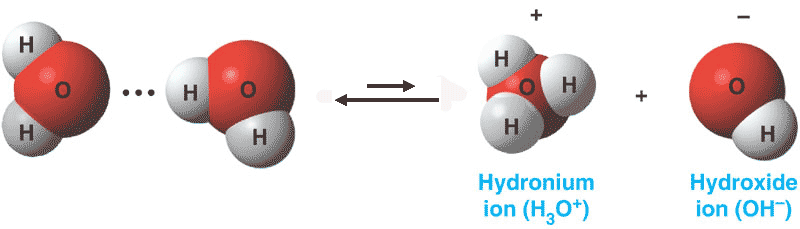
Polar Molecules
the unequal sharing of electrons, unevenly distributed charge
has a "v" molecular shape
Cohesion: when the hydrogen bonds hold a substance together
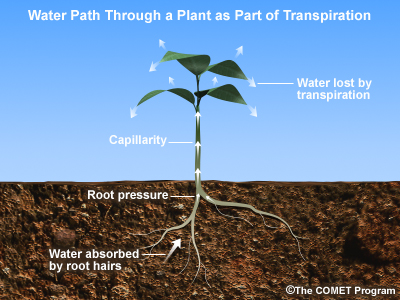
Adhesion: when one substance clings to another (helps counter the downward pull of gravity)
Surface Tension: a measure of how difficult it is to stretch or break the surface of a liquid
Specific Heat: the amount of heat needed for a substance to change it's temperature 1 degree Celsius
Heat of Vaporization: the amount of heat a liquid must absorb for 1g of it to go from liquid to gas
Evaporative Cooling: the molecules with the greatest chemical energy are the ones most likely to leave as a gas
(this contributes to the stability of temp in lakes and ponds) (dogs panting)
Water
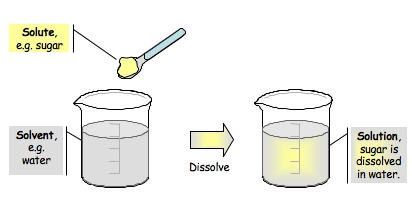
Solution: homogenous mixture of 2 or more substances
Solvent: the thing being dissolved
Solute: substance that does the dissolving
Aqueous Solution: where water is the solvent
Hydration Shell: sphere of molecules around each dissolved ion
Molarity: the number of moles of solute per liter of solution
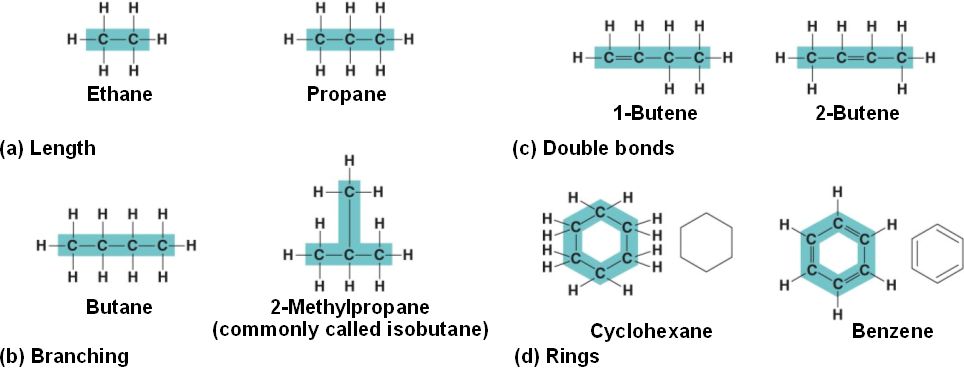
Carbon Skeletons:
Functional Groups
ATP
Response Questions
Overview
Chapter 2/3