
Quiz
Chapter 7: Memory
Este quiz tem tipos de pergunta que abrem no player de sempre.
Perguntas do quiz (23)
1The storage, retention and recall of events, information and procedures. [blank_start]Memory[blank_end]
- AMemory
2Memory varies in quality based on the nature of the information retained and recalled, level of interest and significance to the individual.
- AVerdadeiro
- BFalso
3Distinctive/unusual information is easier to retain is the [blank_start]Von Restorff[blank_end] Effect.
- AVon Restorff
4Types of Memory.
1. [blank_start]Procedural[blank_end]
2. [blank_start]Declarative[blank_end]- AProcedural
- BDeclarative
5Types of long-term declarative memory.
1. [blank_start]Semantic[blank_end]
2. [blank_start]Episodic[blank_end]- ASemantic
- BEpisodic
6Under proper conditions, children as young as three can make accurate reports of events.
- AVerdadeiro
- BFalso
7A delay between the event and the questioning will not affect the accuracy of a child's answer.
- AVerdadeiro
- BFalso
8The image shows the accurate Information-Processing View of Memory
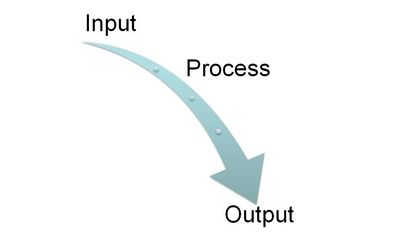
- AVerdadeiro
- BFalso
9The Information-Processing View of Memory includes the sensory memory storage, short-term memory or working memory & the long term memory.
- AVerdadeiro
- BFalso
10Long-term memory...
- AIt begins to come back (the thalamus is a relay and integration station for sensory information going to the cerebral cortex)
- BIt’s a system for processing current information.
- CYou got a hint - an effective retrieval cue.
- DThese cues are generated internally or suggested by others.
- EIt has three major components.
11Working memory is a new conceptualization of the intermediate stage between first encounter with new information and eventual storage.
- AVerdadeiro
- BFalso
12Memory is a complex combination of many processes, and its properties depend on the following factors:
- AThe type of material memorized
- BThe individual’s experience with similar materials
- CThe length of time since the material was previously encountered
- DAll of the above
13Better memory for items at beginning of lists. [blank_start]Primacy effect[blank_end]
- APrimacy effect
14Better memory for the items at the end of lists. [blank_start]Recency effect[blank_end]
- ARecency effect
15Repeating the material you are memorize.
- ASuperficial Processing
- BDeeper Processing
- CStill Deeper Processing
16Think about each item or each part of the material.
- ASuperficial Processing
- BDeeper Processing
- CStill Deeper Processing
17Note associations between the items or parts of the material.
- ASuperficial Processing
- BDeeper Processing
- CStill Deeper Processing
18The more emotional arousing an event is, the greater the likelihood that it will be remembered.
- AVerdadeiro
- BFalso
19Any memory aid that encodes items in a special way. [blank_start]Mnemonic devices[blank_end]
- AMnemonic devices
20This happens when remembering an event, you start with details you remember clearly, and fill in gaps. [blank_start]Reconstruction[blank_end]
- AReconstruction
21Three understandable reasons for forgetting:
1. [blank_start]Interference[blank_end]
2. [blank_start]Decay[blank_end]
3. [blank_start]Source Amnesia[blank_end]- AInterference
- BDecay
- CSource Amnesia
22Difficulty learning new information. [blank_start]Anterograde amnesia[blank_end]
- AAnterograde amnesia
23Difficulty retrieving old memories. [blank_start]Retrograde Amnesia[blank_end]
- ARetrograde Amnesia
Informações
- Descrição
- Chapter 7 Reviewer
- Autor
- Trina Martinez
- Idioma
- English
- Visualizações
- 42
- Etiquetas
- Avaliação
- Ainda sem avaliações Avalie este quiz