
Quiz
AQA Chemistry C4: Chapter 5: Compounds Containing the Carbonyl Group
Create a free account to finish this quiz
Save your progress and see your final score.
Already have an account? Sign in
Questions in this quiz (43)
1Aldehydes and Ketones contain which functional group?
- A-OH
- BBenzene ring
- CC=O
2Of these compounds with comparable relative molecular mass, which has the higher boiling point?
- AAlcohols
- BAlkanes
- CCarbonyl compounds
3Tick which answers are true
- AShorter chain aldehydes and ketones mix completely with water
- BCarbonyl compounds become more soluble as chain length increases
- CCarbonyl compounds become less soluble as chain length increases
- DMethanal is gas at room temperature
- EMethanal is liquid at room temperature
- FShort chain aldehydes and ketones are pleasant smelling liquids
- GShort chain aldehydes and ketones are pleasant smelling gases
4Which reactions commonly occur with carbonyl compounds?
- AElectrophilic addition
- BNucleophilic substitution
- CNucleophilic addition
- DRedox
- ENeutralisation
5Reactions of Aldehydes and Ketones with Hydrogen Cyanide (:CN-) produce what?
- ACarboxylic acids
- BAmines
- CAmides
- DN-Substituted Amides
- EHydroxynitriles
- FEsters
- GAlcohols
6A nucleophilic reaction produces a racemic mixture when a nucleophile attacks which of these?
- AA symmetrical Ketone
- BAn Aldehyde
- CAn unsymmetrical Ketone
7What does acidified potassium dichromate do to aldehydes?
- AOxidise to ester
- BReduce to ester
- COxidise to alcohol
- DReduce to alcohol
- EOxidise to carboxylic acid
- FReduce to carboxylic acid
- GNothing
8What does acidified potassium dichromate do to ketones?
- AOxidise to ester
- BReduce to ester
- COxidise to carboxylic acid
- DReduce to carboxylic acid
- EOxidise to alcohol
- FReduce to alcohol
- GNothing
9Colour of Fehlings solution?
- AGreen
- BOrange
- CRed
- DBrown
- EPink
- FBlue
10When an aldehyde is warmed with Fehlings solution a precipitate is formed. What colour?
- ARed
- BGreen
- CBlue
- DOrange
- EYellow
- FPink
- GBlack
11When an aldehyde is warmed with Tollens reagent __________ is formed
- AMetallic silver
- BRed precipitate
- CBlue precipitate
12Reducing agents (e.g. NaBH4) can reduce aldehydes and ketones to ____________
- ACarboxylic acids
- BEsters
- CAlcohols
- DAlkanes
- EAlkenes
13Reducing agent sodium tetrahydridoborate(III) generates which nucleophile?
- A-F
- B-OH
- C-H
- D-CH3
- E-NH2
14Benzene ring with carboxylic acid group attached is called..?
- APhenylcarboxylic acid
- BCarboxylbenzoic acid
- CBenzenecarboxylic acid
15Carboxylic acids are completely soluble in water. (Up to C4 only)
- ATrue
- BFalse
16Carboxylic acids have lower melting points than alkanes of similar relative molecular mass
- ATrue
- BFalse
17Thiele tube measures ______________ of carboxylic acids
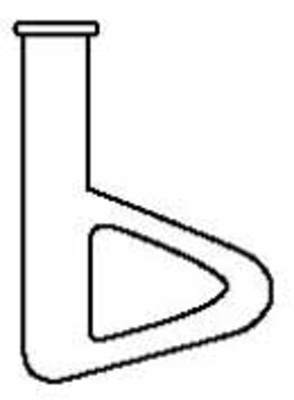
- AColour
- BBoiling point
- CViscocity
- DElectronegativity
- EAmounts
- FMelting Points
18Glacial ethanoic acid is...?
- ACooler
- BPure ethanoic acid
- CEthanoic acid from glaciers
19How to name esters?
- AGroup attached to oxygen comes first followed by R-COO
- BR-COO comes first and the group attached to oxygen comes last
20Which has pleasant fruity smells?
- ALong chain esters
- BShort chain esters
21The H in R-COOH (carbox. acid) can be lost as H+ leaving [R-COO]- what is this ion called
- ACarboxyl ion
- BCarboxylate ion
- CCarboxilic ion
- DCarboxylic acid ion
22How to distinguish between carboxylic acids and other organic compounds?
- AReact with water
- BReact with sodium hydrogencarbonate
- CReact with potassium dichromate
23Ionic salts formed from carboxylic acids donating protons are called? (e.g. Ethanoic Acid + Sodium Hydroxide -> *Sodium Ethanoate* + Water)
- ACarboxyls
- BCarboxylates
- CCarboxylic salts
- DCarboxyl salt
24Esters are formed in which reaction?
- AAlcohol + Ketone
- BAlcohol + Aldehyde
- CAldehyde + Ketone
- DAlcohol + Carboxylic Acid
- ECarboxylic Acid + Aldehyde
- FCarboxylic Acid + Ketone
- GCarboxylic Acid + Alkene
25This reaction (sped up by a strong acid catalyst) forms............?
- ANon equilibrium mixture
- BAn equilibrium mixture
26_____(1)______ is attacked by water acting as a _______(2)______ in the hydrolysis of esters
- AR group
- BR' group
- CCarbonyl Oxygen
- DCarbonyl Carbon
- EStrong nucleophile
- FWeak nucleophile
- GWeak electrophile
- HStrong base
- IWeak base
- JWeak acid
27Equilibrium mixture of the hydrolysis of esters contains which of these..?
- AAlcohol
- BEster
- CBase
- DAcid
- EWater
- FCO2
28Fats and oils can be hydrolysed by boiling with NaOH to produce?
- AWater
- BCO2
- CGlycerol
- DSodium Salts
29Salts formed from hydrolysis of fats and oils using NaOH are used in?
- ASoaps
- BPaint
- CSun cream
30What group is this? (Picture)
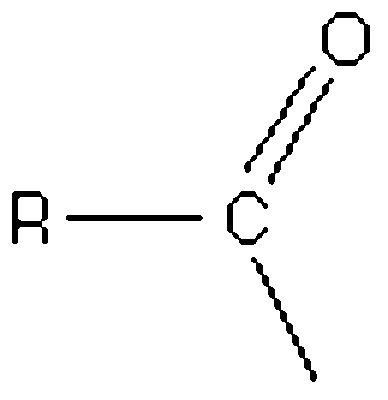
- AAryl
- BMethyl
- CAcyl
- DCarbonyl
31Esters, Acid Chlorides and Acid Anhydrides are examples of?
- AAcyl derivatives
- BAcid derivatives
32Acyl chlorides and acid anhydrides are bad acylating agents
- ATrue
- BFalse
33Acid chlorides are more reactive than acid anhydrides
- ATrue
- BFalse
34Acyl Chlorides and Acid Anhydrides react with the following nucleophiles but in which order of reactivity?
- APrimary Amine>Ammonia>Alcohol>Water
- BWater>Primary Amine>Alcohol>Ammonia
- CAmmonia>Primary Amine>Alcohol>Water
35In these reactions between Acyl chlorides/Acid anhydrides and nucleophiles what type of reaction takes place?
- AAddition reaction
- BElimination reaction
- CElectrophilic reaction
- DNeutralisation reaction
- EAddition-elimination reaction
- FElectrophilic-elimination reaction
36In addition-elimination reactions: If the nucleophile is ammonia the product is an/a...?
- AN-substituted amide
- BAmide
- CEster
- DCarboxylic Acid
37In addition-elimination reactions: If the nucleophile is a primary amine the product is an/a...?
- AN-substiuted amide
- BAmide
- CEster
- DCarboxylic Acid
38In addition-elimination reactions: If the nucleophile is the -OH group of an alcohol the product is an/a...?
- AN-Substituted amide
- BAmide
- CCarboxylic acid
- DEster
39In addition-elimination reactions: If the nucleophile is water the product is an/a...?
- AN-substituted amide
- BAmide
- CCarboxylic Acid
- DEster
40Ethanoic anhydride as an acylating agent is cheaper than ethanoyl chloride.
- ATrue
- BFalse
41Ethanoic anhydride as an acylating agent is more corrosive than ethanoyl chloride.
- ATrue
- BFalse
42Ethanoic anhydride as an acylating agent reacts less readily with water than ethanoyl chloride.
- ATrue
- BFalse
43Ethanoic anhydride as an acylating agent is safer than ethanoyl chloride due their by-products
- ATrue
- BFalse
Information
- Description
- AQA A2
- Author
- stevbarretto
- Language
- English
- Views
- 624
- Tags
- Rating
- 4.0 out of 5 · 1 rating Rate this quiz