
17953647
10. Pathogens vs Immune System
Description
No tags specified

Slide Set by Chloe Cavarretta, updated more than 1 year ago
More
Less

|
Created by Chloe Cavarretta
over 6 years ago
|
|
Resource summary
Slide 1
Learning Outcomes: L19
You should be able to discuss and provide specific examples of (with key molecules and outcomes):
Pathogen immunosuppression
Pathogen immune avoidance
Pathogen immune evasion
Slide 2
Pathogen Survival Strategies
Parasites must combat or avoid immune systems of hosts:
Immune suppression- disabling the opposition
Immune avoidance- intracellular parasites
Immune evasion- masters of disguise
Slide 3
Immune Sup: Bacteria Manipulate Host
E.coli bacteria manipulating host: extra Pathogenicity Island (PAI) DNA in pathogenic strain:
Different genes encoded on PAI in bacteria:
Toxins
Adhesins (host specificity/tissue tropism)
Siderophores (living in free iron limiting conditions)
Immune modulatory factors eg IgA protease
Type 3 secretion system (T3SS)- pathogen delivery system and its effector molecules to modulate host cell properties
Slide 4
Examples of proteins encoded by PAIs:
Gram -ve bacteria T3SS
Complex molecular syringe to insert proteins in the host cell
Alters host cell in diverse ways, depending on specific effector proteins
E.coli immunomodulator expression (Shiga toxin)
Extracellular cytotoxin that targets host ribosome (modifies rRNA), inhibits translation
Induces apoptotic signalling pathway
Hemolytic uremic syndrome (HUS)- kidney damage
Immune Sup: Bacteria Manipulate Host
Slide 5
Immune Suppression
Pathogens obstruct T cell activation of host:
Bacteria: Heliobacter pylori (H.pylori)
Causes gastric ulcers
Can block transcription of T cell growth factor IL-2
Viruses: Human Immunodeficiency Virus (HIV)
Prevents phosphorylation of TCR cascade
Prevents formation of Immunological synapse- presentation of antigens between cells
Slide 6
Immune Supression: HIV Replication
HIV mainly targets infection of T cells and macrophages
Progressively destroys immune cells, impairs their function and reduces numbers
Weakens immune system-> increased susceptibility to other opportunistic infections
Inability to battle secondary infections-> death and disease
How they infect: HIV attaches to CD4 on surface of T cells
Macrophages: interaction between viral gp120 with CD4 and CCR5 (coreceptor)
T cells: interaction between viral gp120 with CD4 and CXCR4 (co-receptor)
Slide 7
Immune Sup: Helminths Manipulate Host
Helminths manipulate host immune response:
Large extracellular helminths interact with host through their immunomodulators- surface molecules and secreted molecules
Helminths and hygiene hypothesis:
Helminth infection ubiquitous throughout human evolution- so immune system evolved in presence of worms (used to immunosuppression in their presence)
Helminth infection now rare in western world- lead to increase in inflammatory diseases, autoimmunity disorders in their absence: . Allergies, autoimmunity (T1D, MS), intestinal inflammation, metabolic syndrome, obesity
Hygiene hypothesis states rise in "Western inflammatory diseases" is the direct result of reduced pathogen exposure- i.e helminths essential for correct education of our immune system
Slide 8
Immune Sup: Helminths Manipulate Host
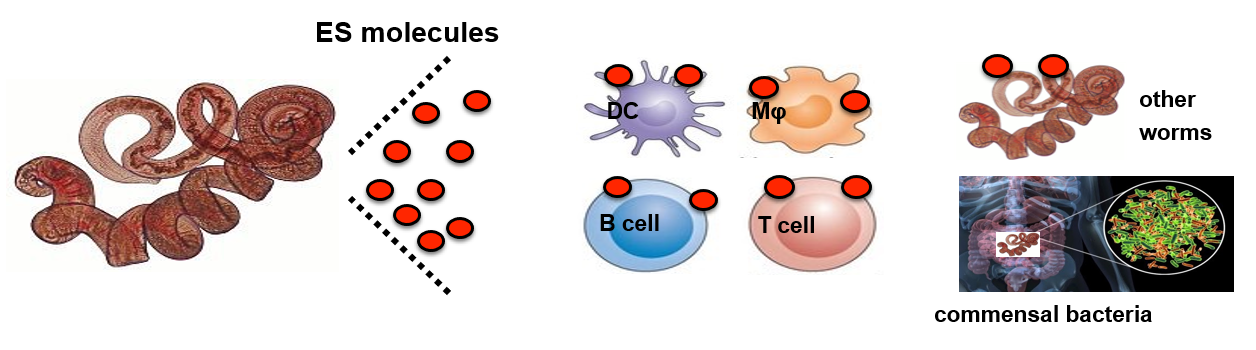
Large extracellular helminths modify host with their secreted molecules= Excretory/secretory (ES) molecules
Worms produce parasite immunomodulatory molecules
These molecules bias host immune system/ limit inflammation (suppressing immune cells)
Worm prevents/ limits immune attack i.e chronic infection
Commensal bacteria can promote survival of worms or compete against them
Slide 9
Immune Sup: Helminths Manipulate Host
Does worm infection prevent inflammatory disease?
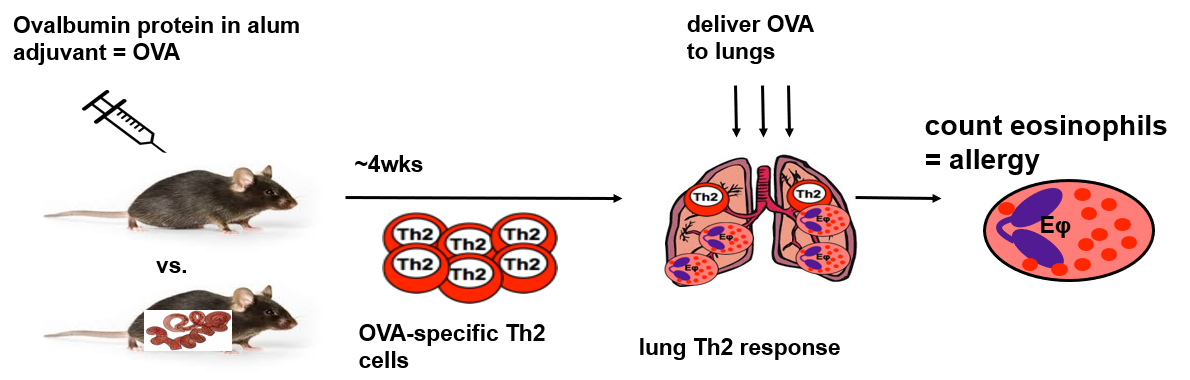
Asthma- allergic lung inflammation (using mouse model to represent)
Induce inflammation by giving mouse ovalbumin protein-> generates OVA specific Th2 cells
OVA delivery to lungs-> accute inflammation mimicing asthma
Inject worms before hand, do they prevent?
Slide 10
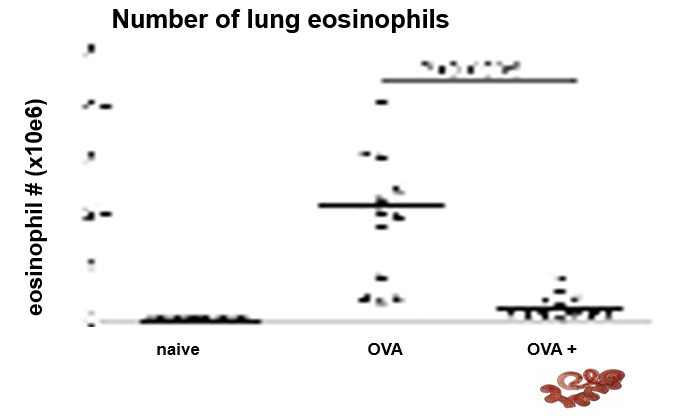
Result: Intestinal helminth infection prevents lung allergic reaction
Worm induces Tregs that limit inflammation
Naive cells- no reaction
OVA injected- big inflammatory response (high number of eosinophils)
Worms before- supressed inflammation
Worm infections also prevent inflammation in models of: Diabetes, intestinal inflammation, obesity, MS
Immune Sup: Helminths Manipulate Host
Slide 11
Immune Sup: Helminths Manipulate Host
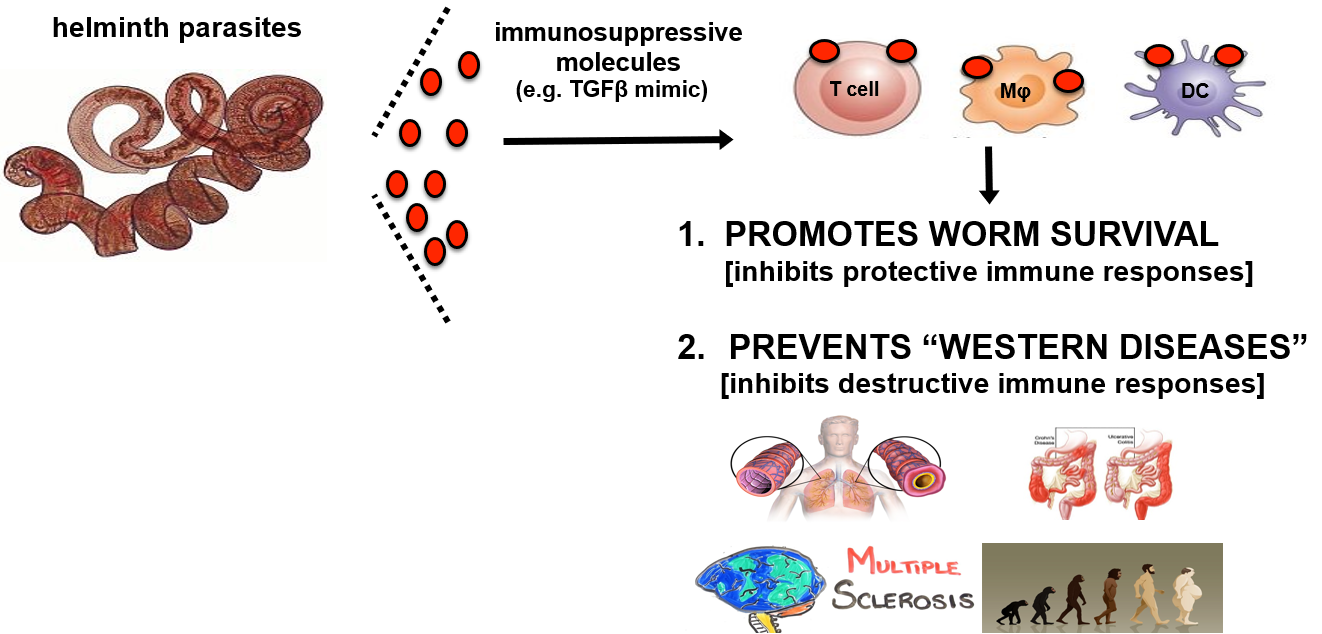
Summary of helmith-induced immune modulation
Studies to isolate immunomodulators to treat allergic reactions would (treat patient without infecting them with helmith)
Suppresion of immune cells promote worm survival but also prevent western autoimmune diseases
Slide 12
Immune Sup: Helminths Manipulate Host
Hygiene hypothesis- evidence from human studies:
Observational study- Cross-sectional comparison of human population with various levels of worm infection and/ or inflammatory diseases- Does worm infection correlate with reduced inflammatory disease? Yes
Interventionist study- Compare incidence of inflammatory disease before and after deworming program- Does deworming lead to increased inflammatory disease?
Deliberate human infection study- Helminth therapy- Does experimental infection with a worm reduce inflammatory disease in a patient cohort
Helminth immunomodulatory molecules (vs live infection)- All benefits of worm-induced immunosuppression without the pathogen
Slide 13
Immune Avoid: Parasites manipulate Host
Viruses manipulate host with immunoevasins to block their proteins presented to CD8+ T cells
TAP= transporter, delivers peptide from cytosol to ER lumen
TAP binds tapasin and peptide (binds tapasin) is pulled through by TAP-I and TAP-II proteins and loaded on MHC-I
Molecules/viruses block uptake of peptides, can't be presented:
ICP47 blocks peptide binding TAP
US6 inhibits TAP ATPase activity
UL49.5 inhibits TAP peptide transport
Adenovirus E19- competitive inhibitor of tapasin
HCMV US2- degradation of MHC-1 by removing newly synthesis MHC-1 from ER to cytosol
Slide 14
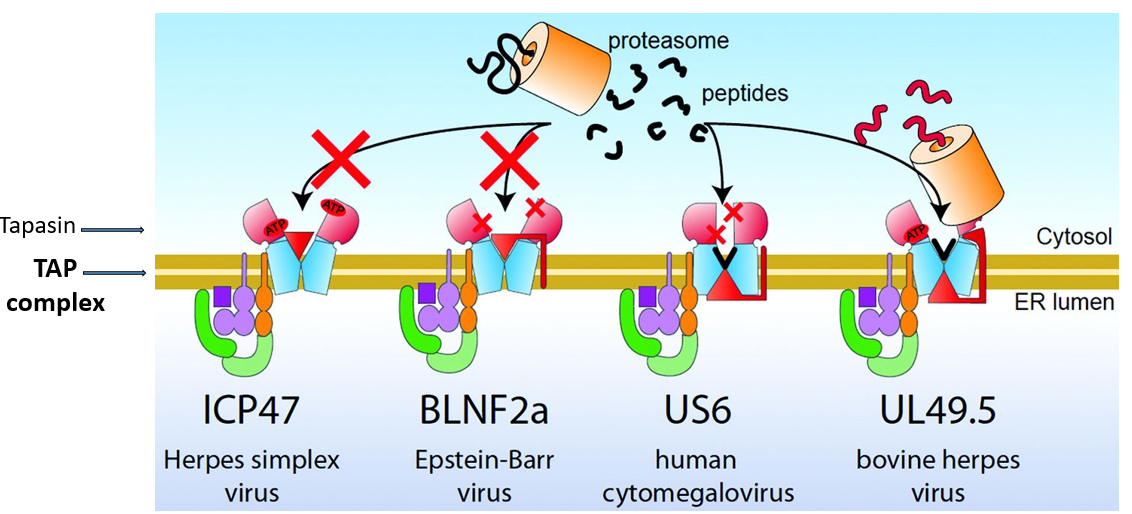
Viruses Block Peptide Presentation
Slide 15
Immune Avoid: Parasites manipulate Host
Leishmania control innate immune response:
2 forms: promastigote (human infective, dont divide), amastigote (human infection, divide and cause disease)
Many receptors implicated in leismania uptake- DC and macrophages are main targets for infection
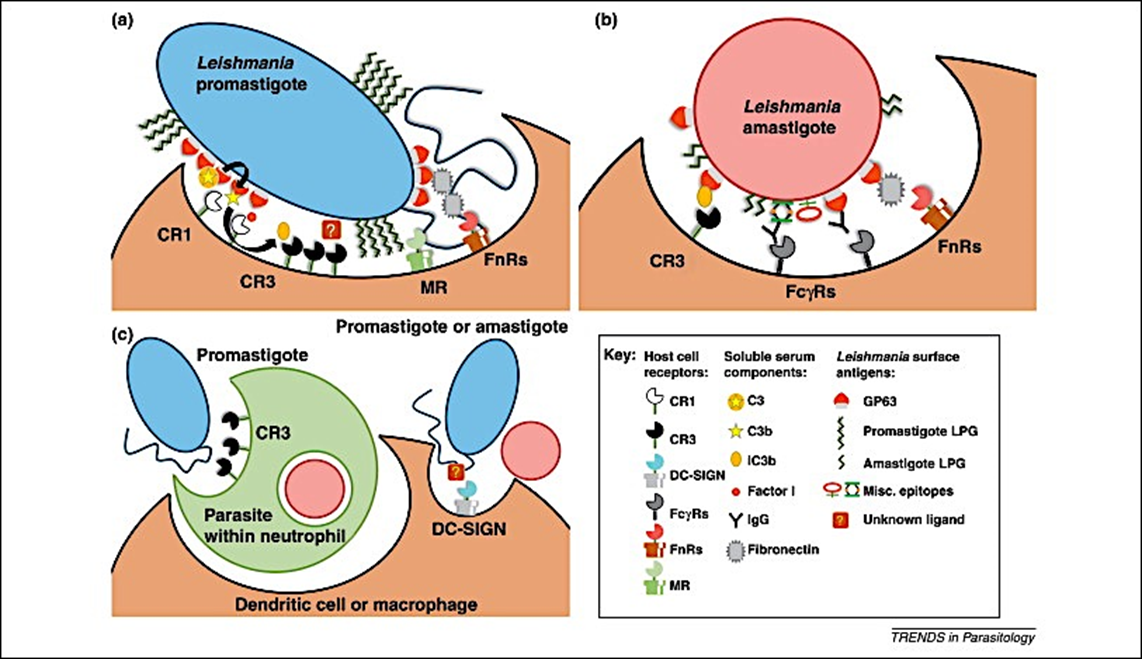
Slide 16
Leishmania control innate immune response: Innate phagocytes can internalise Leishmania and are destroyed by it
Neutrophils can be initially infected and present themselves to macrophages (indirect mac infection)
Differentiates into disease causing form
Immune Avoid: Parasites manipulate Host
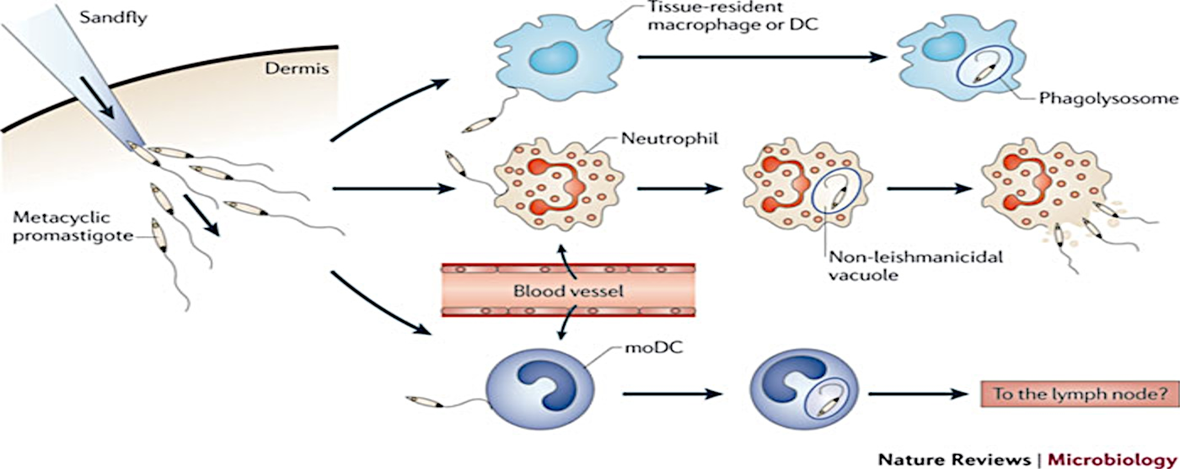
Slide 17
Immune Avoid: Parasites manipulate Host
Leishmania control innate immune response: Sandfly commensal bacteria promote Leishmania human infection
Sandfly gut microbes prime host cell inflammasome
Sand flies have commensal bacterial in their saliva/gut, transmit bacteria with saliva + promastigote secretory gel, activate inflammasome-> draws out immune cells (neutrophil infiltration)
Inflammasome derived IL-1β keeps neutrophils at bite sites
Antibiotics:
Treating sandfly with antibiotics before transmission blocks neutrophil infiltration- Antibiotic clears the commensal bacteria
Impairs Leishmania dissemination (parasite transmission without inflammation- lower level of transmission)
Slide 18
Commensals Promote Leishmania Infection
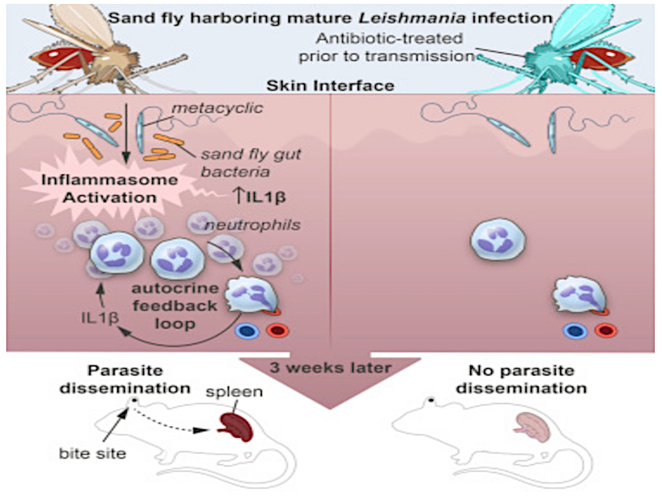
Slide 19
Leishmania control innate immune response: Inhibition of phagosome maturation
GP63= protease on surface of transmissable form of parasite
GP63 cleaves VAMP8 which is necessary for fusion of phaogosome and gp91phox vesicle that matures phagosome (increases oxidation->alkaline pH, decreased proteolytic activity allows processing) so it can present parasite on MHC
No cross presentation, no stimulation of T cells
Surface of parasite impacts on phagosome and whether parasitic vesicle can fuse with phaogosome
Immune Avoid: Parasites manipulate Host
Slide 20
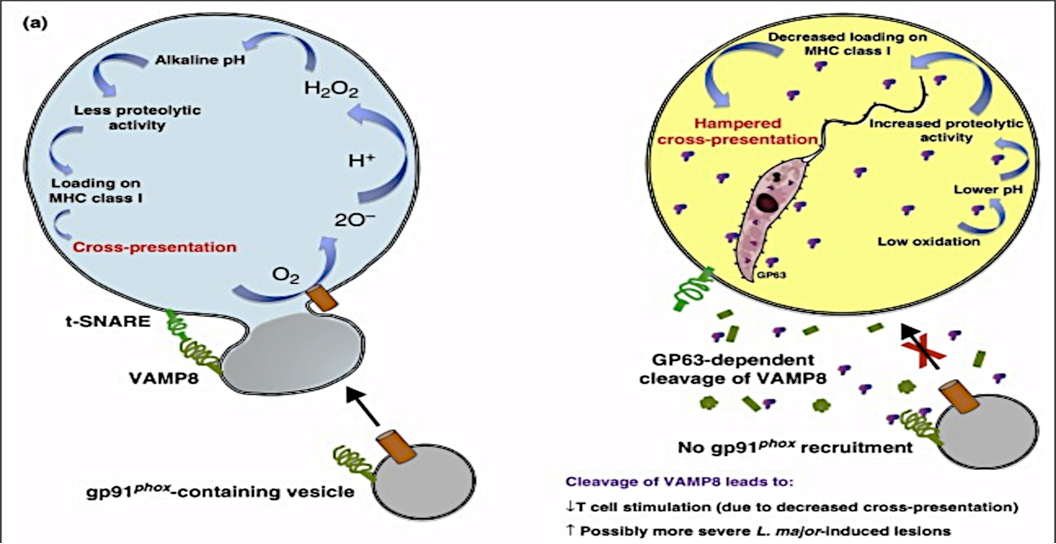
Inhibition of Phagosome Maturation
Slide 21
Immune Avoid: Parasites manipulate Host
Leishmania control innate immune response: Models for delivery of Leishmania virulence factors
When in parasitic vcauole, release virulence factors into host cell cytoplasm via:
Exosomes- eg contain immunomodulatory factors that fuse out into host cytoplasm and remodel actin and block lysosome (keep pH at good level for survival)
Lipid rafts
Translocases flipases
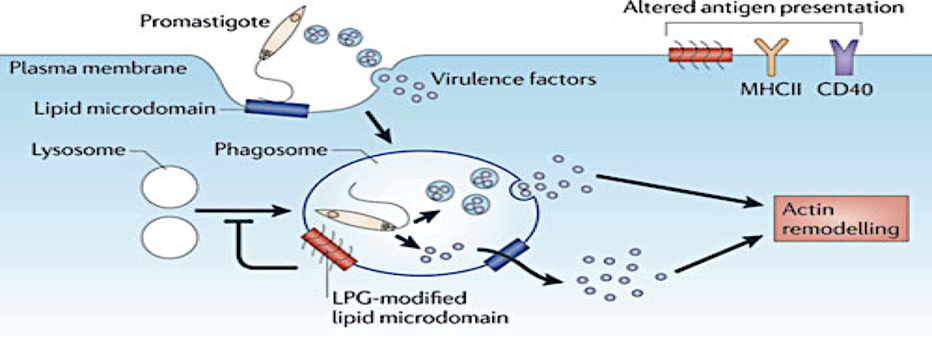
Slide 22
Immune Avoid: Parasites manipulate Host
Leishmania control innate immune response: Pre-emptive disabling of host cell signalling pathways by Leishmania exosome cargo
Promastigotes manipulate host cell macrophages via exosomes and blebs from PM
Results in:
Blocking microbial functions; NO TNF-α, ROS
Promote anti-inflammatory response- IL-10, leading to Leishmania persistence
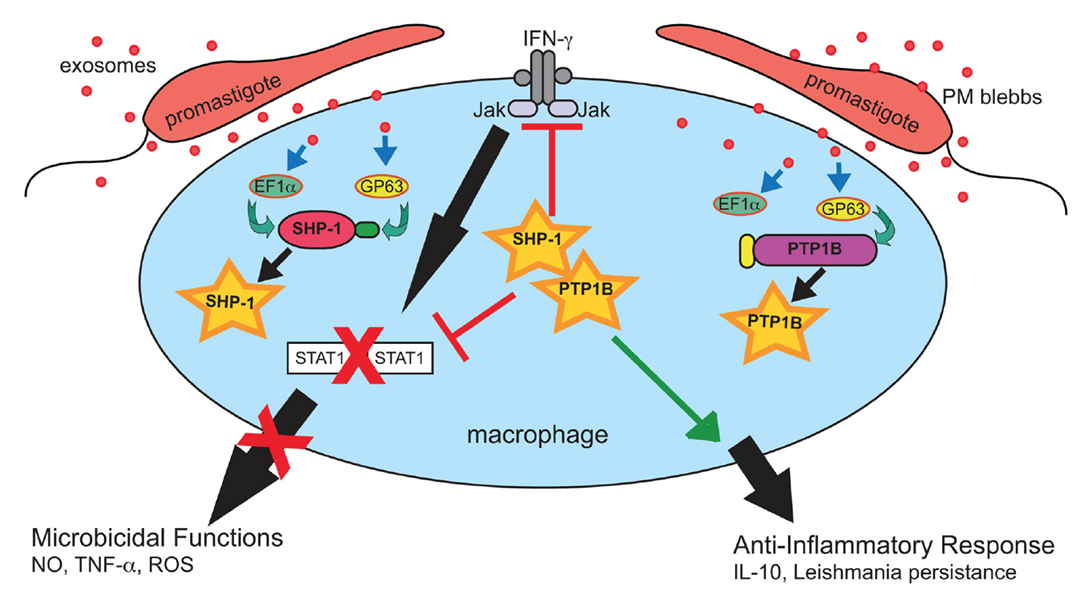
Slide 23
Immune Evasion: Antigenic Variation
Influenza
Surface proteins
Haemagglutinin (HA)- attaches to host receptors
Neuraminidase (NA)- breaks down sialic acid to allow budding
Major serovars: 15 different HA, 9 different NA
Antigenic drift/ minor mutations- epidemics, seasonal flu
Antigenic shift/ major reassortment- host infected with 2 different flus simultaneously, pandemic
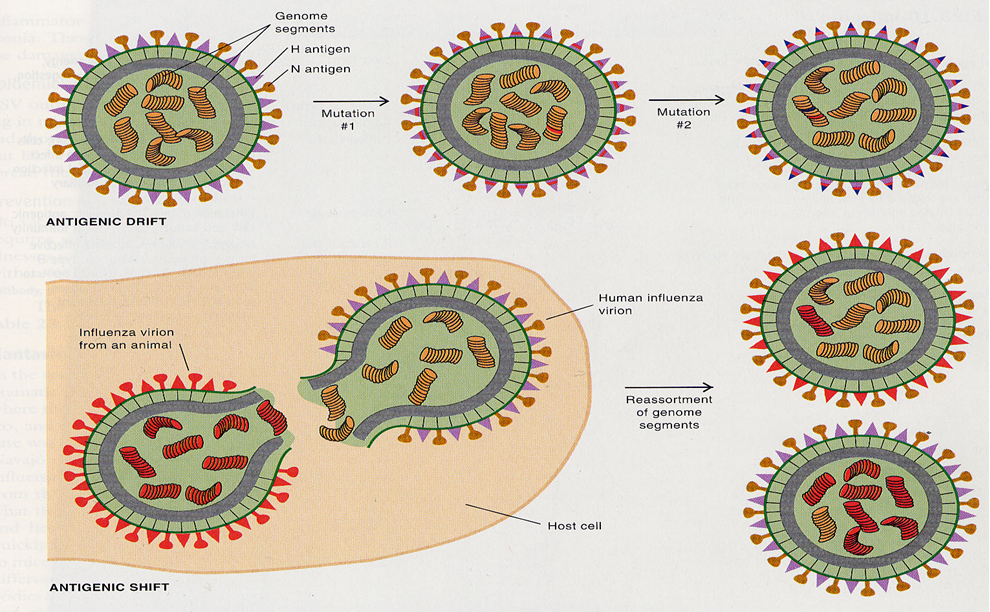
Slide 24
Immune Evasion: Antigenic Variation
Trypanosomes
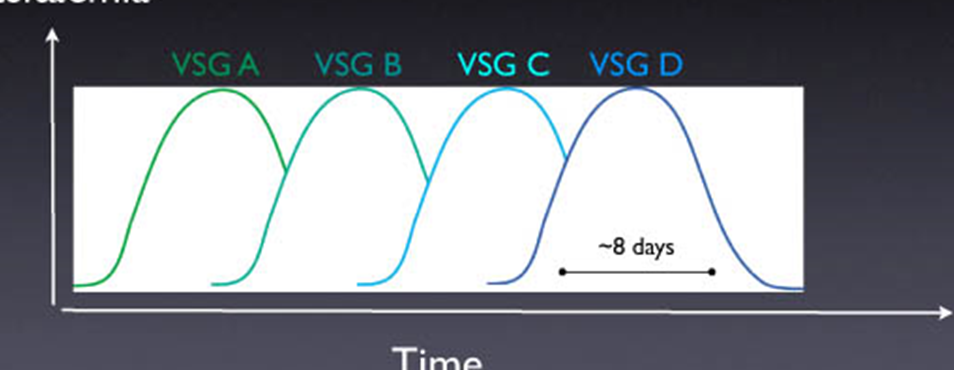
Changing surface coat: switch VSG (Variant Surface Glycoprotein) expression
VSG switches to avoid Ab landing, recycles coat every 12 min
If Ab lands on VSG, VSG moves Ab to flagella pocket, ingest via endocytosis, digests Ab, VSG shift back to surface
How does it switch- T, brucei genome sequencing info
>1000 VSG genes in genome
Almost all are pseudogenes/ gene fragments
Trypanosomes can create new genes by recombining fragments
VSG repertoire for antigenic variation larger than originally thought
Parasite kills you before runs out of different VSGs
Slide 25
VSG Surface Coat Switch
Slide 26
Immune Evasion: Antigenic Variation
Plasmodium
Infect RBCs, RBC develop surface knobs that contain parasite proteins
Surface knobs cause RBCs to stick to endothelial lining and block capillaries- Prevents parasite clearance by spleen
Stick to eachother and vessels- cause blood clots-> liver and brain inflammation and damage (cerebral malaria- why P.falciparum is so pathogenic)
Slide 27
Immune Evasion: Antigenic Variation
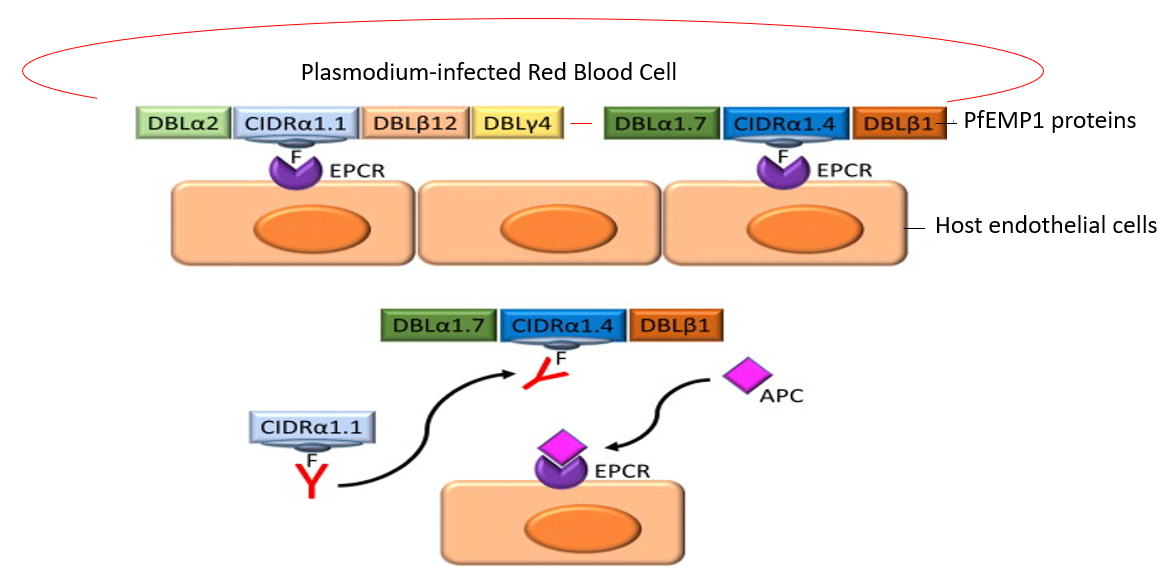
Plasmodium: PfEMP proteins
Plasmodium spp. PfEMP1 protein is massive complex, 2 domains (CIDR and DBL)
Functions of domains:
Cytoadherence of RBC to microvascular endothelial cells in all organs to avoid spleen
Evade specific immune responses through antigenic variation
CIDR and DBL domains are variable and can recombine with eachother-multiple copies of these genes throughout genome
Slide 28
Immune Evasion: T.cruzi
Trypanosoma cruzi avoid innate and acquired immune response: Receptor-ligand interactions
Receptor-ligand interactions enable T.cruzei adherence and invasion of mammalia cells and interactions drive:
Phagocytosis, membrane raft-dependent endocytosis, macropinocytosis, autophagy, Ca2+ dependent lysosome exocytosis
Every life cycle phase is infective- infect any nucleated cell by triggering their own endocytosis via calcium signalling, inside cell need to escape parasitic vacuole into cytoplasm to differentiate into amastigotes
Have multiple receptors-> multiple receptor-ligand pairs
Complex downstream signalling
Slide 29
Immune Evasion: T.cruzi
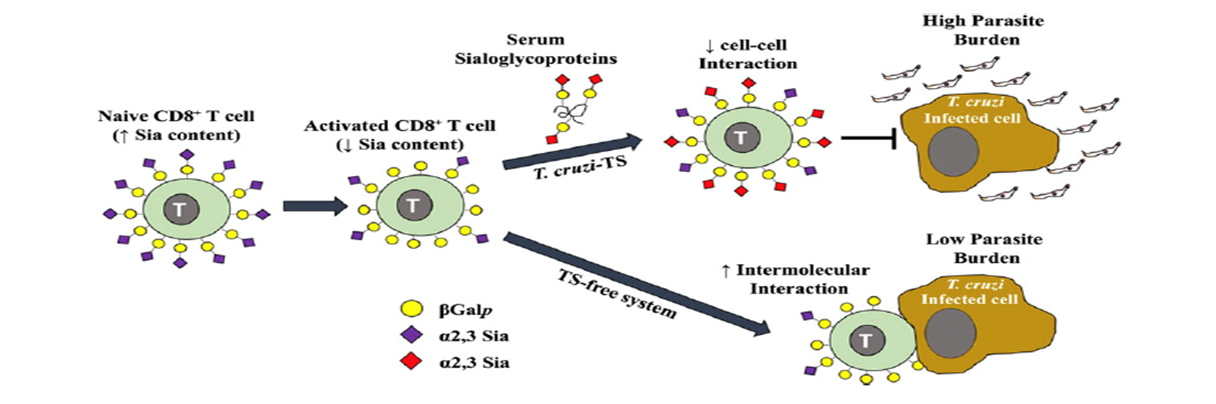
Trypanosoma cruzi avoid innate and acquired immune response: Surface trans-sialidases obstruct CD8+ T cell immunity
Immune cell function dependent on sialic acid- T cell activation associated with decreased sialyation of surface proteins
T.cruzi TS re-sialytes molecules reducing T cell-target interactions
Slide 30
Immune Evasion: T.cruzi
Trypanosoma cruzi avoid innate and acquired immune response: Lysosomal escape by T.cruzi trypomastigotes
Inside vesicle potent oxidants, ROS are formed (H2O2 and peroxynitrite, ONOO-)
T.cruzi peroxidases and superoxide dismutases (SOD) neutralises lysosomal reactive oxygen species (ROS)
Escape requires acid-activated protein TC-TOX which forms pores and rips vacuole apart
In cytosol, ROS can promote T.cruzi growth via amastigote access to iron
Slide 31
Trypanosoma cruzi avoid innate and acquired immune response: Congenital transmission by T.cruzi trypaomastigotes
Problem for pregnant women, foetus at risk of infection
Complement acts as molecular bridge- C1q bidns to trypomastigote calreticulin and placental calreticulin, forming bridge
Ab's promote assist T.cruzi uptake- were tested to block interaction but promoted it by assisting recognition of the pathogen
Immune Evasion: T.cruzi
Want to create your own Slides for free with GoConqr? Learn more.