
River types and actions
Slides in this set (7)
-
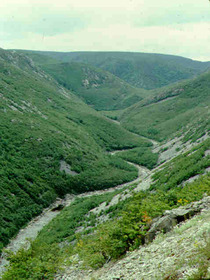
V- shaped valleys and interlocking spurs
- Vertical erosion occurs in the upper course of the river.
- The river is steep and gravity pulls it down hill so it erodes deeply into the soil.
- The rocks of the valley slide down to make a V shape.
- Interlocking spurs are like a zip.
- The river does not have enough energy to erode the harder spurs of rock so it flows around them, leaving harder rock spurs sticking out while softer rock erodes in.
-
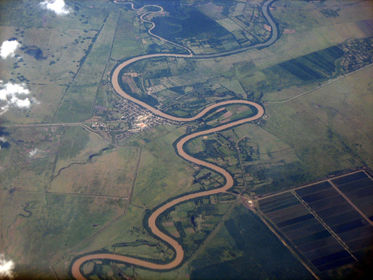
- You get curves and bends as the river flows around harder rock.
- Water is fastest on the outside edge of the bed so erodes more.
- Its is slower on the inside so deposits here,
- Over time these bends get larger and larger, until they might be cut through during a storm.
-
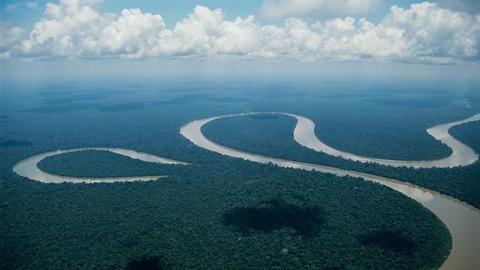
- Cut off meanders.
- When a meander gets too large its 'neck' becomes tight and the water really slows down so too much deposition occurs.
- Then, when a storm happens a new fast straight channel is eroded straight past, cutting off the old bend which gets left behind as a lake.
- Over time this lake dries up.
-
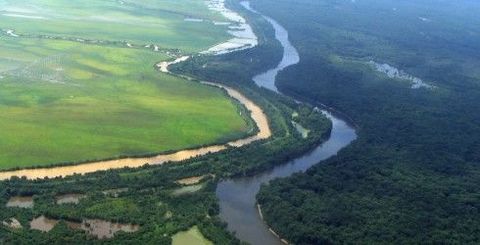
- The area of land either side of the river in the lower course that gets flooded.
- Very fertile flat land is available here because of rich soils that get deposited after floods.
-
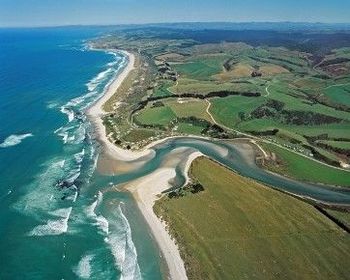
- The end of a river where it flows into a lake or the sea.
- The mouth might form an estuary or a delta.
-
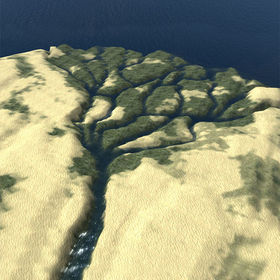
- A deposition landform.
- Usually triangular shaped.
- When the river reaches the sea the water slows down rapidly and deposits its material.
- The load builds up and the river gets broken up into lots o smaller tributaries.
-
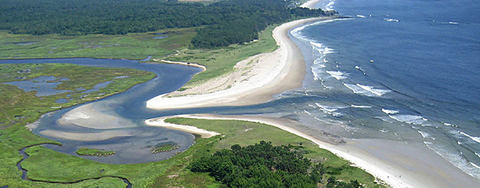
- The deep and wider end of a river when it enters the sea.
- Water from the sea may low up into the river at high tide.
Information
- Description
- GCSE Geography (SDME) Slide Set on River types and actions, created by Amy Jackson on 12/05/2016.
- Created by
- Amy Jackson
- Views
- 7
- Rating