
Karteikarten
Well-being flashcards
Karten in diesem Stapel (16)
- 1Well-beingthe state of being comfortable, healthy and happy (made up of physical, mental and social well-being)
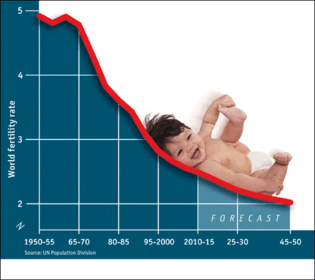
- 2Birth rate (aka crude birth rate)the number of live births per thousand people, per year
- 3Death ratethe number of deaths per thousand people, per year
- 4Infant mortality ratethe ratio of the number of children that die within one year, per thousand live births
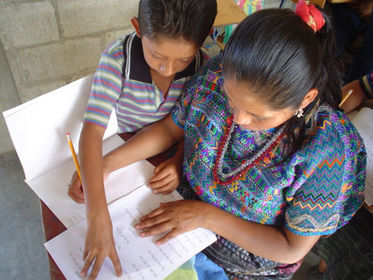
- 5Literacy rate% of people in the country aged 15+ who can read and write
- 6Life expectancythe number of years of life a person born today in that country is expected to live

- 7Gross Domestic Product (GDP)the total dollar value of all goods and services produced in a particular country in one year

- 8Human Development Index (HDI)an indicator that measures three elements of human development:
- health is measured by life expectancy at birth.
- knowledge is measured by the adult literacy rate and the combined primary, secondary, and tertiary enrolments.
- standard of living is measured by GDP per capita.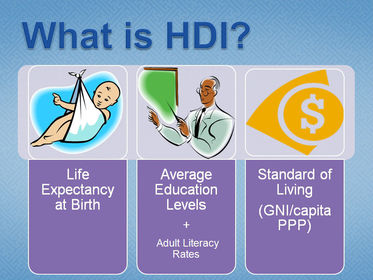
- 9Less economically developed countries (LEDC)aka "developing countries", usually with low wealth and low living standards (e.g. high birth rates, high death rates, low literacy rates)
Examples: Most of central Africa, Bangladesh, Afghanistan, Cambodia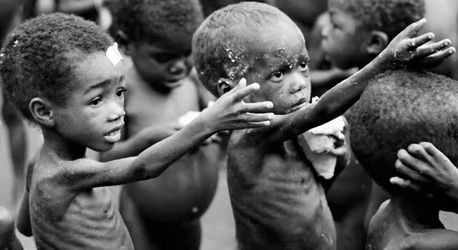
- 10More economically developed countries(MEDC)aka "developed countries", usually with high wealth and high living standards (e.g. high GDP, low infant mortality rates, high life expectancy)
Examples: Australia, USA, UK, Scandinavian countries
- 11Disease of affluencea disease that occurs mainly in wealthy, developed countries due to poor diet, inactivity and overconsumption (e.g. USA, Australia, Canada)
Examples: obesity, type 2 diabetes, coronary heart disease - 12Disease of povertya disease that occurs mainly in poor, developing countries due to lack of healthcare, sanitation and education (e.g. Sierra Leone, Bangladesh, Ghana)
Examples: measles, malaria, tuberculosis - 13Incidencethe number of new cases of a disease diagnosed in one year
- 14Prevalencethe total number of cases of a disease diagnosed
- 15Mortality ratethe number of deaths caused by a disease (usually measured over a year)
e.g. in 2013, an estimated 584,000 people died of malaria - 16Morbidity ratea measure of how frequently a disease occurs in a population (including those people who survive the disease)
e.g. the morbidity rate of malaria for children is higher than for adults
Informationen
- Beschreibung
- Mr Ha Year 10 Geography - well-being revision flashcards.
- Erstellt von
- Jeff Ha
- Aufrufe
- 234
- Tags
- Bewertung