
Karteikarten
Insects
Karten in diesem Stapel (39)
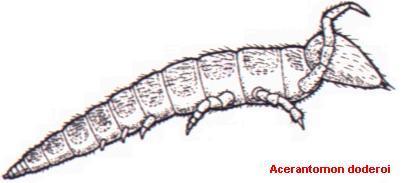
- 1—Protura
-No antenna (forelegs used like antennae(
12 seg abdomen
piercing sucking
apterygota - 2—Diplura
-small, pale
long anteanna and cerci pair
no compound eyes
chewing
external fertalisation
apterygota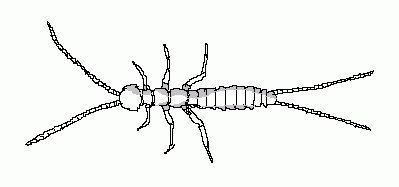
- 3—Collembola- "spring tails"
No cerci
Forked furcula which hooks onto tenaculum
Tubular colophore on 1st ab segment used in absorption and adhesion
Chewing-decaying matter
apterygota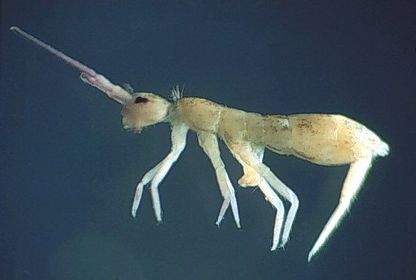
- 4—Thysanura-"bristletails"
3 abdominal apendages- cerci pair and caudal filament
scaley body
active
apterygota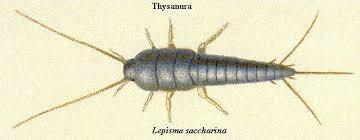
- 5—Ephemeroptera-"mayflies"
Large triangular forewing and rounded hindwing
wings held vertical at rest
short antennae
3 long abominal filiments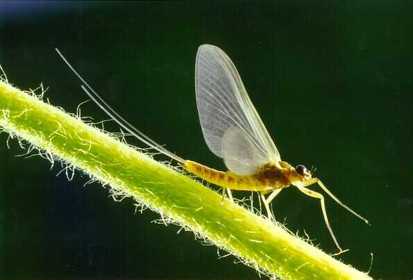
- 6—Odonata Adults
Large strong flirers
large compoudn eyes
short antennae
wings nearly equal in size with multiple cross veins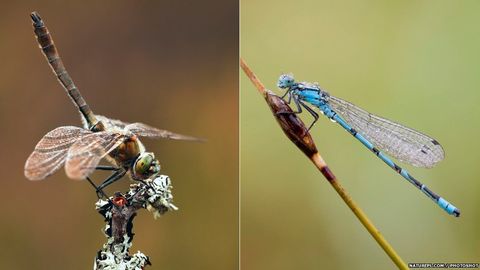
- 7—Dragonfly (Odonata) naiads
-anal gill respitral in rectal chamber (can also use jet propulsion
-predatory-large prehensile hinged labium
-1-2 year development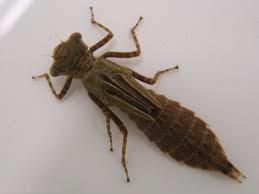
- 8—Damselfly (Odonata) naiad
more slender/delicate
3-leaf like external gils at abdomen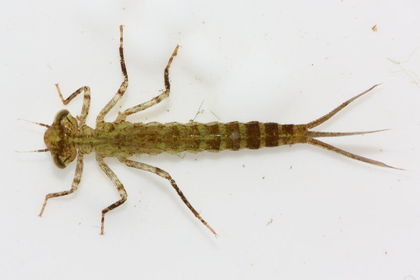
- 9—Plecoptera- "stoneflies"
-long multisegmeneted antennae with bulging compound eyes
-2 pairs of membranous wings (broader hindwings)
weak adult fliers
-1-4 years as naiads (flattened with v wide head)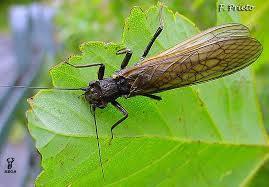
- 10—Orthoptera
-Hind femur-jumping
-Tegminous front wings
-Pronotum extends down sides
-chewing
-sound produced with legs or front wings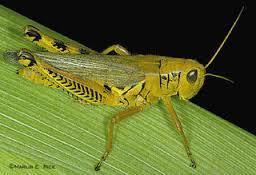
- 11—Phasmida-"stick/Leaf"
large slow often wingless
-elongate body and legs
-some parthenogenetic
-chewing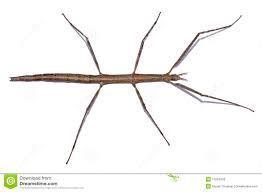
- 12—Dictyoptera-"Cockroach and mantids"
-broadly oval, with dors-ventrually flattned
eggs laid in ootheca egg mass
chewing
cockroaches-running legs
Mantids-grasping forelegs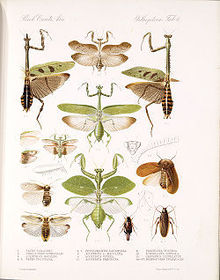
- 13—Mantophasmatodea
-2 fossil and 2 extant species
discovered 2002
phasmid and mantid features
predatory- uses forlegs and mid legs to catch prey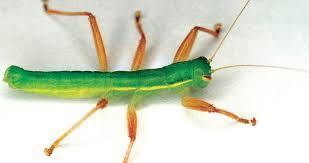
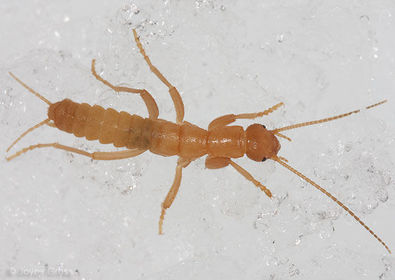
- 14—Grylloblattodea-"rock/ice crawlers"
-long antennae and cerci
-small compound eye
-5 seg tarsi
-chewing
-combo of earwig, stonefly and cockaroach chactaristics
-
- 15—Dermaptera- "earwig"
-Pincerlike cerci
-chewing
-noctural esp in humid microenvinroments
-eggs and nymphs guarded by female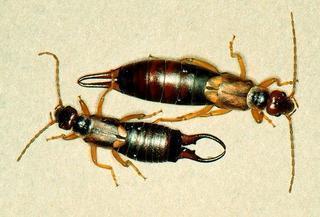
- 16—Isoptera-"termites"
-exsclusively social
-cast strucutre of workers, soliders (sterile) and reproductives
-can be v.distructive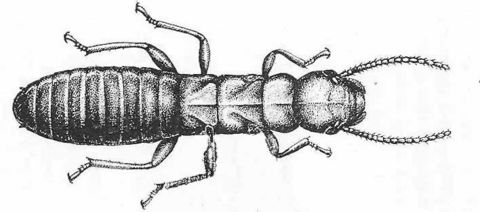
- 17—Embioptera
-short legs that run forward and back
-norm wingless females, males have disperal wings
-swollen front tarsi with silk glands
-gregarious livers in silk galleries
adult males don't feed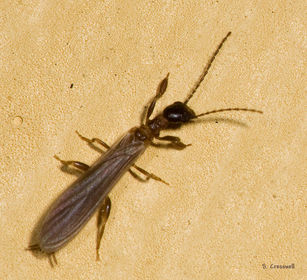
- 18—Zoraptera
-30 species within genus
-termite like
-pale
-usually wingless
-associated with rotting wood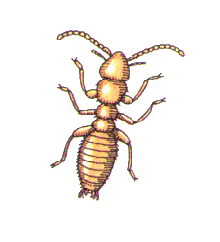
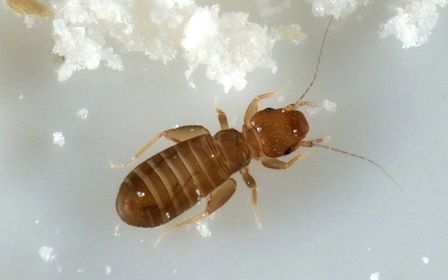
- 19—Psocoptera-"booklice (slide)"
-soft bodied with swollen hind femora
-long thread antennae
-chewing
-
- 20—Mallophaga-"chewing lice"
-Small, flat, wingless
-ectoparasite, canne live off host for more than 1/2 days
-chewing
-head wider than pronotum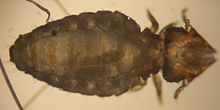
- 21—Anoplura- "sucking lice (pubic)"
-small, wingless,
-1 segmented tarsus with single claw
-sucking mouthparts- blood feeders
-ectoparasites of mammals incl humans
-C shaped claw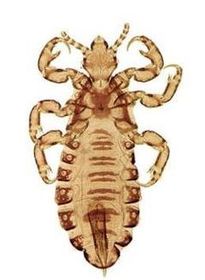
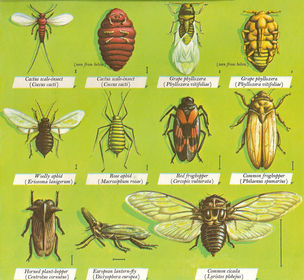
- 22—Hemiptera- "true bugs"
-Piercing/sucking
-two pairs of wings- hemelytra or fully membranous
-v large group so much variation
-
- 23—Thysanoptera- "thrips"
-Wingless or hair fringed wings
-rasping/sucking
-herbiverous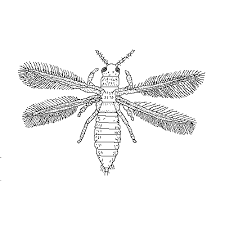
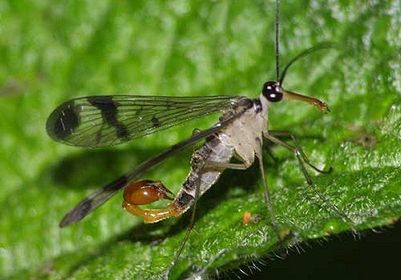
- 24—Mecoptera-"scorpianflies"
-Elongate face pointing down
-chewing scavengers (dead insects)
-narrow membranous wings
-male-bulblike genital segment (com. scorpian sting)
-
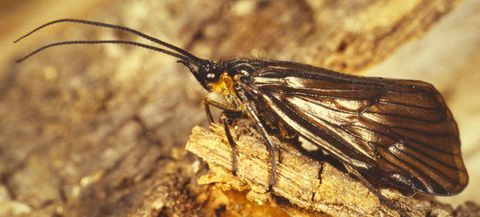
- 25—Trichoptera-"caddisflies"
-larvae- aquatic casebuilders (use twigs, sand, pebbles, held by silk)-head and thorax protrude
-pupation inside case
-hairs not scales on wings (few crossveins)
-maxillary and labial palps well developed
-
- 26—Lepidoptera-"butterflies and moths"
-minute powdery scales on wings
-4 large wings connected in pairs
-antennae long and large compound eyes
-mouth reduced-maxillae (siphoning)
-Butterflies-clubbed antennae, naked chrysalis pupa, diurnal fliers, lobed process at base of hindwing grips fore
-moths feathery hair antennae, pupate in silken cocoon, noctornal, frenulum links fore and hindwings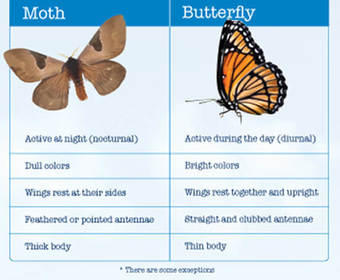
- 27—Diptera-"true flies"
-One wing pair, 1 haltere pair
-large compound eye
-mostly sucking
-legless larvae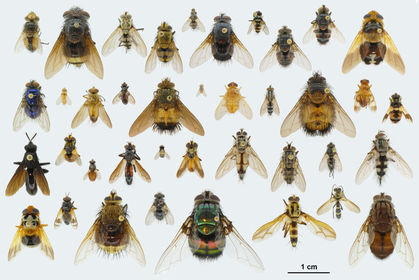
- 28—Siphonaptera-"fleas"
-piercing/sucking
-powerfull jumping legs
-stiff head/thorax bristles pointing posteriorally
-mammalian ectoparasite
-white legless larvae
-in in nests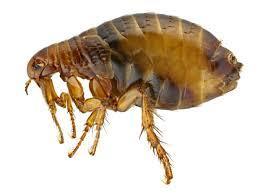
- 29—Neuroptera-"net-winged insects"
--4 membranous wings equal size with many corssveins
-adults and larvae have chewing
-DOBSON
-aquatic larvae
-wing span >10cm and prominent mandibles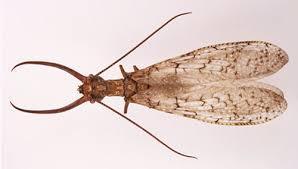
- 30—Neuroptera-"net-winged insects"
--4 membranous wings equal size with many corssveins
-adults and larvae have chewing
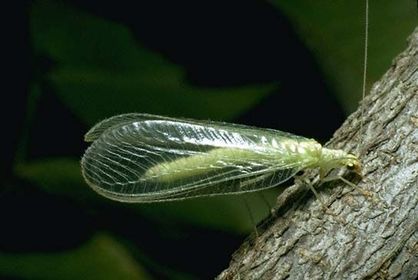
-Green/Brown lacewings
-small medium size
-delicate wings, long antennae
-
- 31—Strepsiptera
-Flying male with modified forewings as short clubs, hindwings fanlike and membranous
-females lack anteannae, eyes, wings- internal bee parasatoids
-first instar larvae leave host to seek new host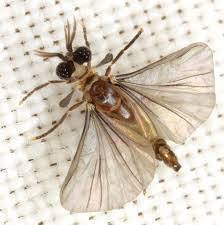
- 32—Coleoptera-"beetles"
-v diverse
-elytra forewings
-hindwings folded and membranous
-chewing
-worm/grub like larvae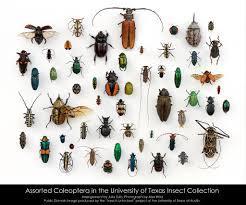
- 33—Hymenoptera-"beas, ants, wasps etc"
-4 membranous wings, fore typically larger than hind but wings held together
-ovipositer can be modified into stinger
-sociality, complex communicaiton, learning abilities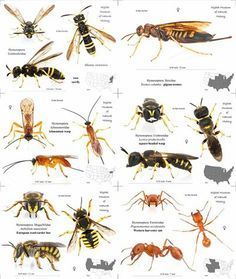
- 34—Onychophora "velvet worms"
-single extant genus
-small worm like
-annelid and arthropod features
-annelid-fleshy unjointed legs, no segmentation, nervous and excretory systems
-arthropod- hemocoel, open circulatory system, mandibulate, tracheal resp system, clawed legs, 3 seg head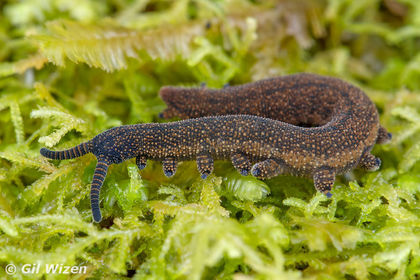
- 35—Trilobita
-extinct
-one antennae pair
-compound eyes
-chelicerate and crustacean features
-distinct head, thorax and multi segmented abdomen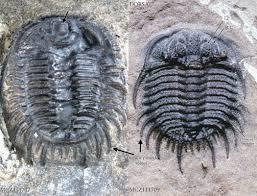
- 36—Chelicerata- "spiders, horseshoe crabs and tics, scorpians"
-two body parts, combined head and thorax (cephalothorax) and distinct abdomen
-lack antennae
-paired chelicerae (mouthparts) and pedipalps (mating/defneding/sensory)
4 walking leg pairs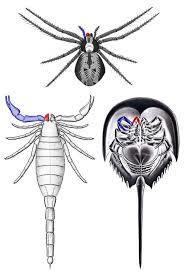
- 37—Crustacea-woodlice, sandfleas
-mainly marine group
-cephalothorax with 2 antaennal pairs and 3 mouthpart pairs
-segmented abdomen
-at least 5 leg pairs
-appendage specialisations e.g pincers in crabs/lobsters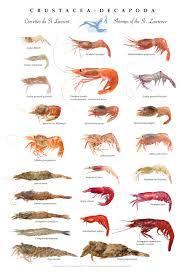
- 38—Myriapoda -milipede centipede
-5-6 seg head capsule
-single antennae pair
-tracheal system
-malphigian tubules
-lack compound eyes
-CENTIPETE
-first appendage pair modified into poison claws
-single leg pair per segment
-MILIPEDE
-two pairs of legs per body seg
-herbivoerous slow movers
-noxious secretion defences from glands on each seg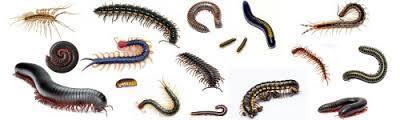
- 39—Symphyla
-small soil dwellers
-Most close relative to insects (same no of head segs)
-one long anteannae pair no compound eyes
-10-12 leg pairs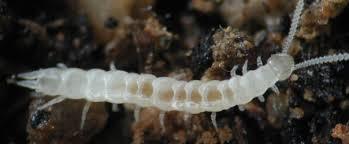
Informationen
- Beschreibung
- Biology Karteikarten am Insects , erstellt von PeteDPrice . am 21/11/2016.
- Erstellt von
- PeteDPrice .
- Aufrufe
- 6
- Bewertung