
Mindmap
Nutrition Basics
Inhalt der Mindmap
Nutrition Basics
MACRONUTRIENTS
- Fats & Oils (Lipids)
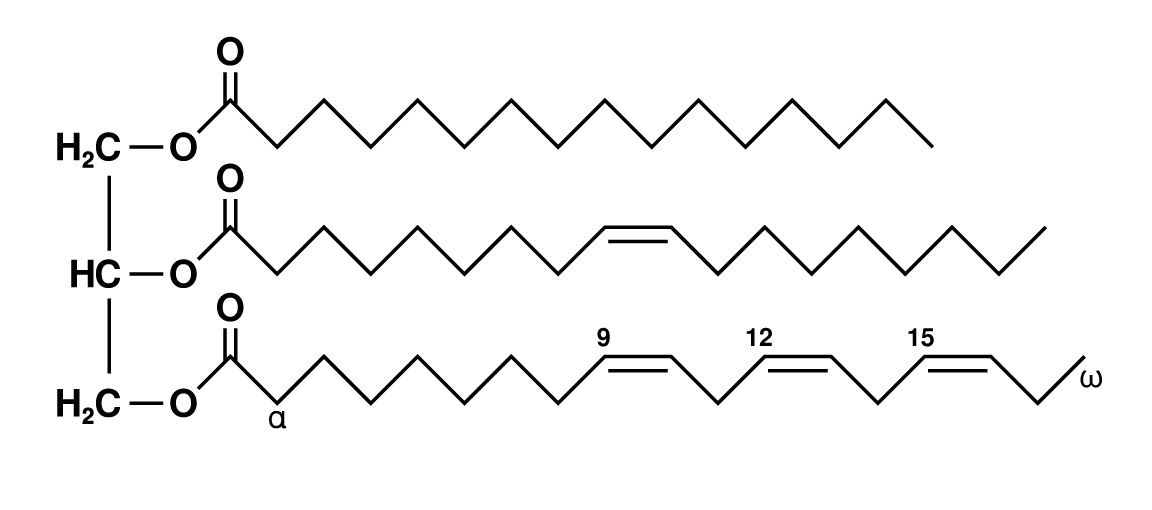
- Triglyceride: glycerol molecule + 3 chains of fatty acids (storage form)
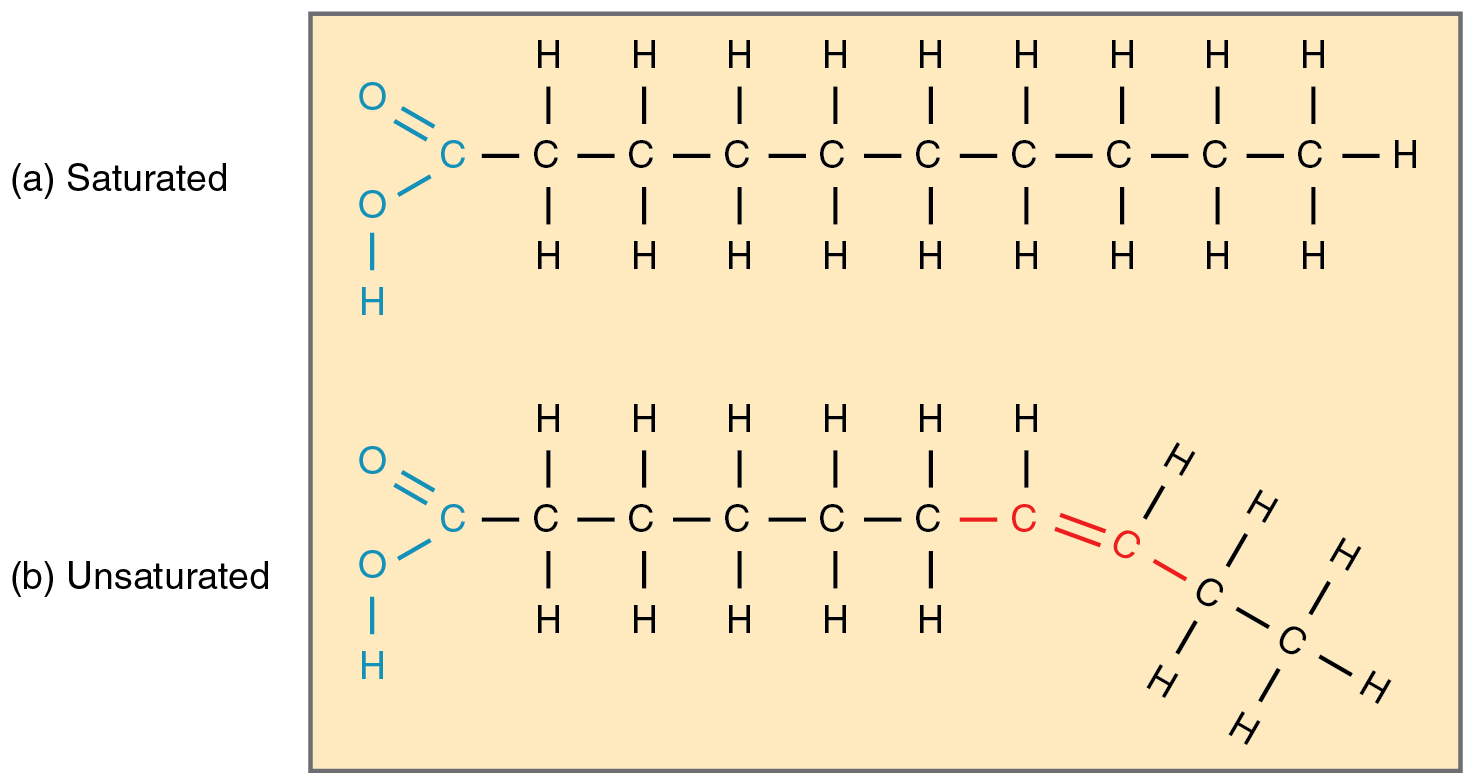
- Highly saturated: solid at room temp. Unsaturated: liquid at room temp
- Animals: saturated (fat); Plants: unsaturated or polyunsaturated (oil)
- polyunsaturated vegetable oils are linked to an increased incidence of cancer
- often go rancid; oxygen becomes reactive (free radicals) and binds to and damages important nutrients
- protect against free radicals with antioxidants like vitamins C and E
- often go rancid; oxygen becomes reactive (free radicals) and binds to and damages important nutrients
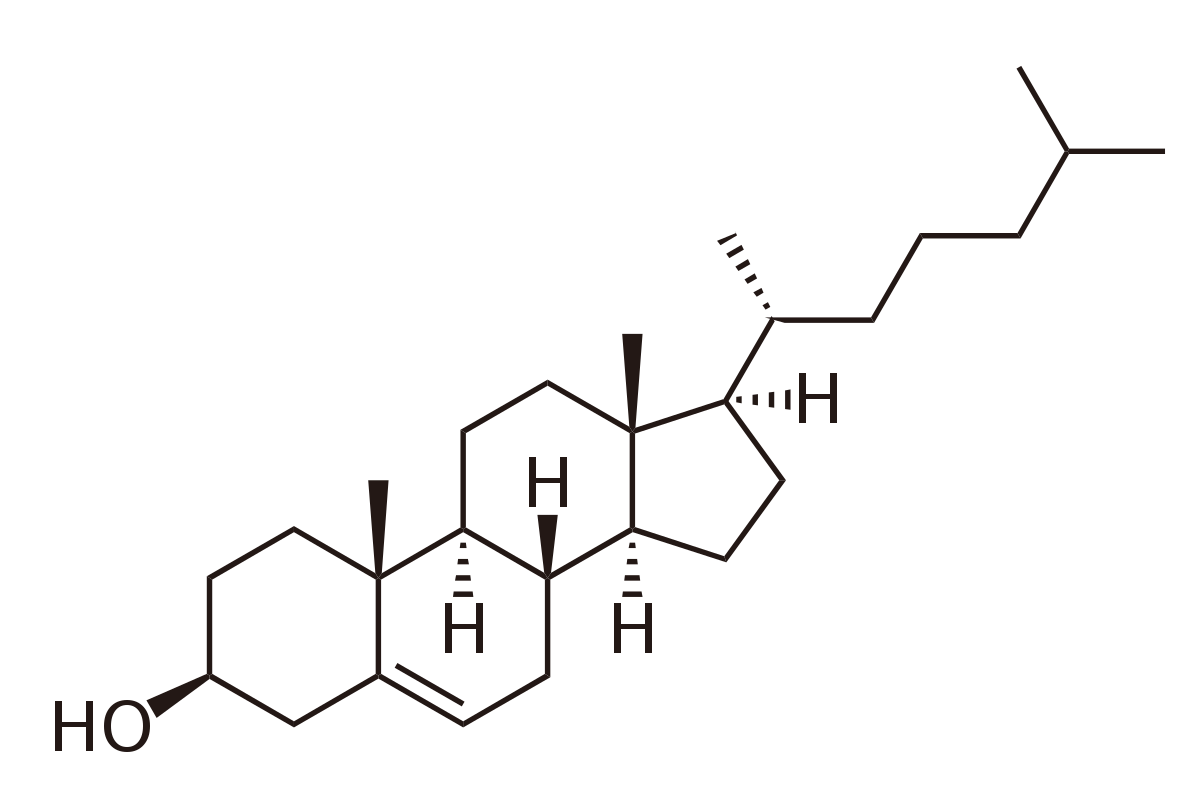
- Cholesterol: waxy, fat-like (not triglyceride)
- too much cholesterol can create plaque deposits in the arteries (arteriosclerosis), which can narrow blood vessels & even kill portions of the heart muscle (MYOCARDIAL INFARCTION or CORONARY)
- Component of nerve tissue
- base from which estrogen, cortisone and testosterone are made
- Cholesterol salts ("bile salts") promote the mixture of fats in the small intestine with water so they can break down and be absorbed through intestinal wall
- lecithin in beans, peas, etc can help lower blood cholesterol
- Provide insulation, absorb shock, help absorb fat-soluble vitamins
- Trans fatty acids happen during hydrogenation (breaking double bonds, adding hydrogen, increasing melting point & shelf life)
- ex; margarine & processed & fried foods
- too many trans fats in the diet raises cholesterol and is associate with heart disease, stroke, type 2 diabetes
- Carbohydrates
- * Provides energy for the body; * stored glucose is called glycogen; * "HUNGER" is felt when blood sugar (glucose) levels drop
- glycogen is stored in liver and muscle
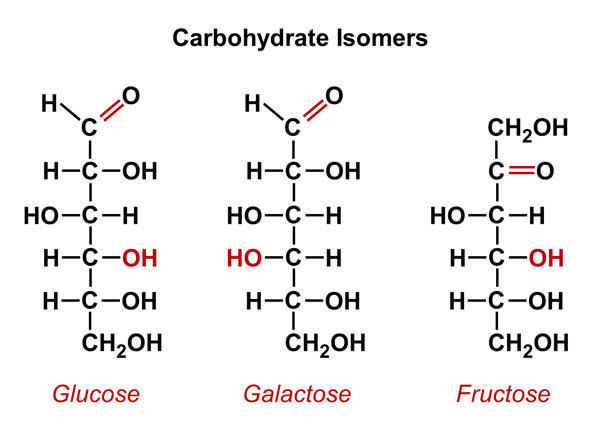
- DISACCHARIDES: sucrose, maltose, lactose
- MONOSACCHARIDES: glucose, fructose, galactose
- Fruits & honey (usually fructose, sometimes glucose aka dextrose, or sucrose)
- POLYSACCHARIDES (starches): dextrin, glycogen, cellulose (these are glucose chains).
- Starch is the storage form of carbohydrates in plants; best found in seeds/grains
- GRAINS/starchy foods include wheat, rice (parboiled), corn (GMO; combine with leafy green veggies and/or dried beans), oats (rolled), rye, buckwheat*, barley, millet, potato, lentils and other legumes
- FIBER
- SOLUBLE: gums, mucilages, pectin, some hemicelluloses. Gummy/viscous when dissolved. Can help lower LDL cholesterol.
- SOURCES: oat bran, legumes, guar, barley, apples, citrus fruits, strawberries, carrots
- INSOLUBLE: Cellulose, hemicellulose, lignin (cellular framework of plants)
- Moves waste through the intestinal tract without being digested, adds bulk & softness to stool, decreases GI transit time
- SOURCES: whole wheat flour, bran, vegetables, whole grains, fruits with edible seeds (i.e., strawberries)
- SOLUBLE: gums, mucilages, pectin, some hemicelluloses. Gummy/viscous when dissolved. Can help lower LDL cholesterol.
- Glycemic Index (GI): ranks carbs. according to their effect on blood sugar levels
- Lower GI carbs are the better kind: 1. improve diabetes management; 2. Reduce heart disease risk; 3. Improve blood cholesterol levels; 4. help reach sustainable weight loss; 5. Help manage PCOS; 6. Reduce hunger, feel full; 7. Prolong physical endurance
- * Provides energy for the body; * stored glucose is called glycogen; * "HUNGER" is felt when blood sugar (glucose) levels drop
- Proteins
- made of amino acids
- errors in amino acid sequencing can cause birth defects
- essential (9): cannot be made by the body. MUST be obtained through the diet (mostLY animal proteins)
- leucine, histidine, isoleucine, tryptophan, lysine, methionine, pheylalanine, threonine, valine
- nonessential (11): can be synthesized by the body from both plant and animal proteins in foods
- alanine, arginine, asparagine, aspartic acid, cysteine, glutamine, glutamic acid, glycine, proline, serine, tyrosine
- "reference protein" for protein quality is EGG
- Plant proteins are of lower quality, offering less protein per measurement BUT they improve the overall QUALITY of protein and are therefore called "COMPLEMENTARY PROTEINS" Grains, legumes, nuts & seeds, other veggies
- High quality protein sources: eggs, fish, poultry, cheese, milk
- is easily digestible & complete. COMPLETE contains all 9 essential amino acids (not necessarily all nonessential)
- PROTEIN ROLES
- 1. BUILDING BLOCKS
- 2. ENZYMES
- 3. HORMONES
- 4. FLUID & ELECTROLYTE BALANCE
- 5. ACID-BASE BALANCE
- 6. TRANSPORTERS
- 7. ANTIBODIES
- 8. GLUCONEOGENEIS
- made of amino acids
- Fats & Oils (Lipids)
MICRONUTRIENTS
- Vitamins
- "vita" = vital "amine" = amino group Vit. A & B1 were the first to be discovered while searching for the cure for beri-beri
- Water soluble
- Vitamin B Complex
- Deficiency: - beriberi (thiamin deficiency) - pellagra (niacin deficiency) ~ deficiencies of individual B vitamins are extremely rare ~ NO TOXICITY
- ODI: 25-300 mg RDI varies per individual vitamin
- B1, thiamine
- needs increases if one has a high carb diet (needed for carb metabolism). RDI: 1.5 mg ODI: 25-300mg **no toxicity
- FOOD SOURCES: - organ meats (esp. liver) - pork - dried beans - peas - peanuts - whole grains - egg yolks - poultry
- B2, riboflavin
- B3, niacin
- B6, pyridoxine
- B12, cobalamin
- Folic Acid
- B5, pantothenic acid
- Biotin
- Choline & inositol
- PABA
- Vitamin C (ascorbic acid)
- Deficiency Symptoms - SCURVY (listlessness, weakness, irritability, vague muscle & joint pains, weight loss; bleeding gums, gingivitis, loosening of teeth, extreme weakness & fatigue) -
- Toxicity Symptoms - nothing severe but sometimes intestinal gas 7 loose stools
- ODI: 500-5,000 RDI: 60
- Food Sources
- Green Veggies
- Berries
- Citrus Fruits
- Uses
- Growth & repair of tissues
- Antihistamine & antioxidant
- Cancer & atherosclerosis prevention
- Enhances immunity
- Reduces cholesterol & high BP
- Vitamin B Complex
- Fat soluble
- Vitamin A (a.k.a. retinol) and beta-carotene & other carotenoids
- Toxicity symptoms: - bone/joint pain - fatigue/insomnia - loss of hair - dry/fissuring lips - loss of weight/appetite - liver enlargment
- Deficiency symptoms: - night blindness/eye problems - skin disorders - suboptimal health - reproductive failure
- RDI: * Vit.A: 5,000 IU (8,000 for pregnant/breastfeeding women) * Beta-Carotene: None ODI: * Beta-carotene: 11,000-25,000 IU * Vitamin A: 5,000-25,000 IU.
- Uses
- Prevents night blindness, macular degeneration, and other eye problems
- Antioxidant
- Enhances immunity
- Heals GI ulcers
- Epithelial tissue maintenance and repair (good for acne & other skin conditions)
- Cancer prevention
- Food Sources
- Fish liver oils (especially cod)
- Green & yellow fruits and vegetables (including carrots)
- Vitamin D
- **is most commonly synthesized in the skin when sunlight hits oily, cholesterol-like substances in the skin. NOT ENZYMATICALLY CONTROLLED; is controlled by pigmentation (melanin)**
- Toxicity Symptoms ("sunstroke"): - over-absorption of calcium from the bones; forms deposits that damage tissues of heart, blood vessels, lungs- nausea- vomiting- diarrhea- dizziness- weakness
- Deficiency Symptoms (rickets): - stunted growth - delayed tooth development - weakness - softened skull in infants - irreversible bone deformities Other deficiency symptoms: - hypocalcemia (low calcium in blood) - osteomalacia (reduced mineral content in bone) - osteoperosis (reduced total bone mass)
- RDI: 400 IU ODI: 1,000 IU
- Uses
- Necessary for calcium & phosphorus absorption (BONE/MUSCLE HEALTH)
- Prevents/treats osteoporosis
- Enhances immunity
- Prevention of cancer, diabetes, cardiovascular disease
- Lowers BP
- Food sources
- eggs
- fatty saltwater fish
- fish liver oils
- Vitamin E
- Deficiency Symptoms - anemia (premature aging & death of red blood cells) - neurological disturbances - difficulty walking - fragile capillaries **in premature infants: retina disorders leading to blindness
- Toxicity Symptoms (over 1,200 IU per day): - nausea - flatulence - diarrhea - headache - heart palpitations - fainting
- RDI: 30 IU ODI: 400-1,200 IU
- Uses
- Antioxidant
- Cancer & cardiovascular disease prevention
- Treats fibrocystic breasts & PMS
- Improves circulation
- Prevents age spots
- Tissue repair (wound healing)
- Food Sources
- Cold-pressed vegetable oils
- Whole grains, nuts
- Dark, leafy veggies, legumes
- Vitamin K
- Deficiencies occur only when there is malabsorption due to bowel obstruction, sprue, bowel shunts, regional ileitis, ulcerative colitis, chronic live disease.
- Toxicity occurs only from K3 (the synthetic version). Causes hemolytic anemia (red blood cells die faster than the body can replace them)
- RDI/ODI: 80 mcg
- Uses
- Blood clotting
- Helps with bone formation
- Prevents osteoporosis
- Food Sources
- Green vegetables
- Liver
- Egg yolks
- Whole wheat
- Vitamin A (a.k.a. retinol) and beta-carotene & other carotenoids
- Minerals
- Boron
- Calcium
- Chromium
- Copper
- Iodine
- Iron
- Magnesium
- Manganese
- Phosphorus
- Potassium
- Selenium
- Zinc
- Vitamins
BEYOND VITAMINS & MINERALS
- water
- Coenzyme Q10
- DHEA
- Fish oil
- Flavonoids
- Garlic
- GLA
- Glutathione
- L-Carnitine
- Melatonin
Bilder und Dateien der Mindmap
Informationen
- Beschreibung
- Mindmap am Nutrition Basics, erstellt von Kaitlen Priestley am 29/06/2020.
- Erstellt von
- Kaitlen Priestley
- Aufrufe
- 45
- Tags
- Bewertung