Mindmap
Women's Suffrage Movement
Inhalt der Mindmap
Women's Suffrage Movement
Cult of Domesticity
- In the 1800's it was a popular belief that women must follow a certain code.
- "True women" were remain humble and to follow the main four rules of being a woman.
- Piety- Must follow religion, it keeps them in the shpere of their home and controls their sexual behavior.
- Purity- The virginity was the greatest treasture that women had to keep before marriage and married women must remain loyal to their husbands.
- Submission- Women must be submissive and obedient. Men were women's superiors by "gods apointment"
- Women were seen as soft, delicate, and weak.
- Domesticity-A woman's proper place was in the home, cooking, cleaning, to keep the home a happy god filled place.
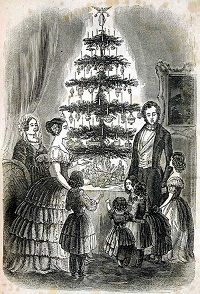
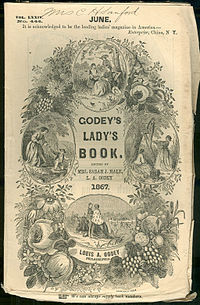
- 1860 Godey's Lady's Book supported the ideas of the Cult of True Womanhood.
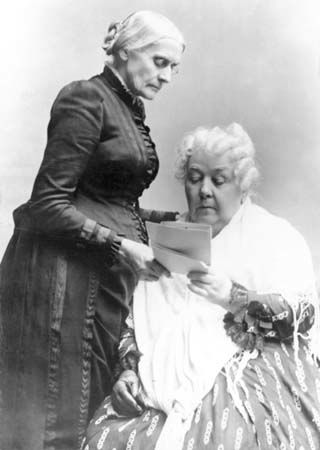
Susan B. Anthony/ Elizabeth Stanton
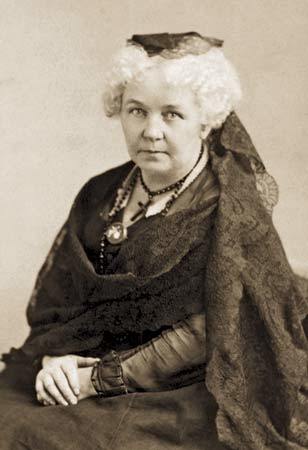
- Elizabeth Stanton
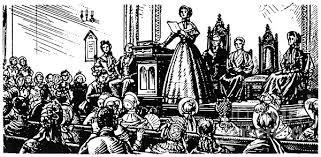
- 1848 was the first meeting at Seneca Falls to discuss women's rights in the United States. Elizabeth and Lucretia Mott being the principal organizers.
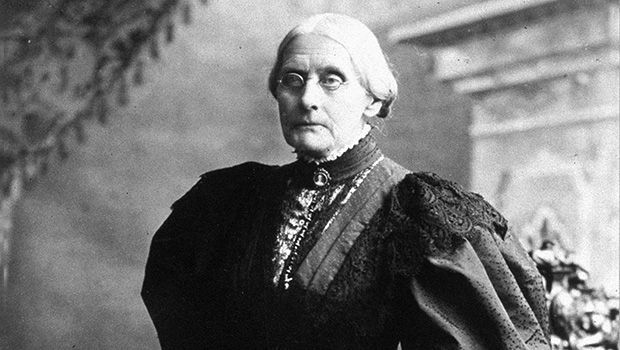
- Susan B. Anthony
- 1845 became an agent for the American Anti-Slavery Society
- 1859 Stanton fought for equal education among men and women
- 1845 became an agent for the American Anti-Slavery Society
- 1850 Both Susan and Elizabeth met for the first time and formed a lifetime alliance.
- 1869 The National Woman Suffrage Association emerged from Stanton and Anthony.
- 1890 The NWSA and the AWSA combined to capitalize their newfound "constituency".
- 1869 The National Woman Suffrage Association emerged from Stanton and Anthony.
- 1863 Both organized a Woman's National Loyal League to support and petition for the thirteenth Amendment.
- Elizabeth Stanton
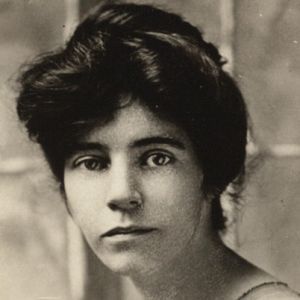
Alice Paul
- 1913 Created the National Woman's Party
- 1917 After relentless urges for the vote President Wilson finally agreed and urged congress to pass the amendment
- 1906-1909 Paul lived through the suffrage movement in London learning the military tactics used
- 1920 Was able to finally get the 19th amendment passed
- 1906-1909 Paul lived through the suffrage movement in London learning the military tactics used
- 1917 After relentless urges for the vote President Wilson finally agreed and urged congress to pass the amendment
- 1913 Created the National Woman's Party