
Liberal Reforms of the 20th Century
Folien in diesem Satz (8)
-
-
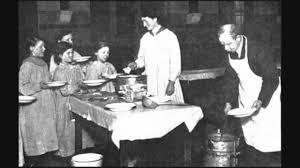
- Provision of School Meals (1906) the number of children receiving school meals increased, after the Treasury granted local authorities money to pay for 50% of school meals YET even in 1914 under half still didn't have access to these meals.
- Education Act 1907 - enabled schools to go against parents who didn't send children to school in poor condition, and allowed medical inspection of children, however after this showed 1/3 needed medical attention, in 1912 free medical care was given.
- Children's act 1909 - Selling alcohol and tobacco to children was forbidden and child begging was outlawed.
- However, obviously this didn't go entirely to plan as I said, even in 1914 under half of children still weren't receiving school meals, and it took 5 years before the needed health care was provided to children. In addition to this, the Children's act would've been difficult to enforce all over England.
-
- Old Age Pensions Act 1908 - People over 70 on lower wages (around £21 a year) could earn up to 5 shillings every week, by 1912 almost 1 million people were claiming them.
- HOWEVER, certain conditions had to be met in order to claim this pension:
- You had to be British and have lived in UK for at least 20 years
- Had to have not been imprisoned in last 10 years
- You must not have avoided work
- You had to have avoided detention from other Acts.
- Many pensioners had no birth certificates
-
- Workmen's compensation act 1906 - Employees could now obtain compensation for injuries or diseases contracted in dangerous areas of work.
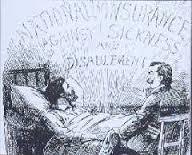
- National Insurance Act 1911 - those between 16-70 paid 4p to the state fund which paid for the medical care of the sick.
- Coal Mines Act 1908 - ensured miners weren't overworked, setting them 8 hour days.
- Trade Boards Act 1909 - 200 000 workers were involved in changing the minimum wage paid to eg. chain makers. (Although no specific wage was set).
- Shops Act 1911 - those who worked in shops were granted holidays, washing facilities opened in stores as well as setting maximum working hours, to 60 hours per week.
-
- Labour Exchanges Act 1909 - set up to help the unemployed find work, sort of like a job centre, even though the number slowly increased, many still didn't find work.
- National Insurance Act 1911 - Old fashioned benefits, the workers paid in and the unemployed received 35p for the first 15 weeks of the year, however you could be dismissed for conduct and so receive no money whatsoever.
-
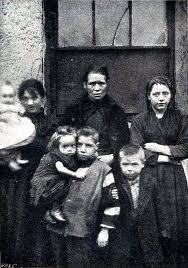
- Published his results of his survey of York in the book, 'Poverty, a Study of a Town' in 1901, these findings showed that 29% of York's population was living in poverty.
- He influenced the Liberal reforms by becoming closely acquainted with Lloyd George.
-
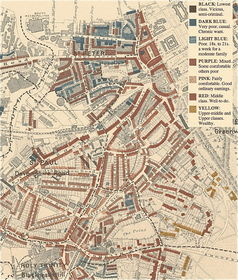
- He inspired Rowntree, as he carried out a poverty survey in London and found that 35% of London's population was living in poverty, which was higher than originally thought, he, like Rowntree, published his results in 1889 and continued researching poverty for many years.
- He wanted to introduce the concept of old age pensions.
-
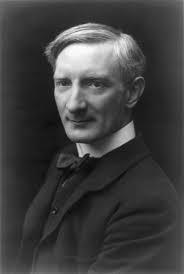
- An expert on unemployment benefits, Beveridge proposed that workers should pay weekly national insurance, so the worse off could receive benefit, and so naturally his work laid the foundations for our modern welfare state.
Informationen
- Beschreibung
- Folienset am Liberal Reforms of the 20th Century, erstellt von Charlotte Knight am 21/08/2015.
- Erstellt von
- Charlotte Knight · Aug 2015
- Aktualisiert
- 22 Feb 2016
- Aufrufe
- 50
- Tags
- Bewertung