
Quiz
The First Crusade and the Background to it, 1070-1099
Fragen in diesem Quiz (101)
1The place where the Seljuk Turks had originated from.
- APersia
- BAnatolia
- CEgypt
- DCentral Asia
2The place where the Turks had migrated recently from. They were heavily influenced by its culture and language.
- AScandinavia
- BRomania
- CPersia
- DEurope
3The nomadic Islamic people who had invaded Anatolia in the 1060's after conquering Persia.
- AAbbasids
- BFatimids
- CEgyptians
- DSeljuk Turks
4The Christian land that the Seljuk Turks overran after Manzikert, during the 1070's and 1080's.
- AAnatolia
- BPersia
- CRomania
- DScandinavia
5The territories conquered by the Turks in Anatolia that became a separate sultanate.
- ADanishmends
- BRum
- CHama
- DAleppo
6The Seljuk ruler who ruled the empire at its greatest extent and after whose death in 1092 collapsed.
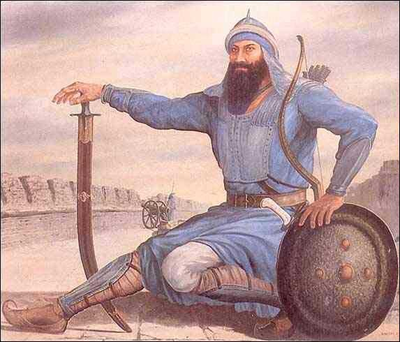
- AAlp Arslan
- BTughril
- CMalik Shah I
- DBarkiyaruq
7The important battle that took place between the Byzantines and Seljuk Turks in 1071. The Byzantine army was routed.
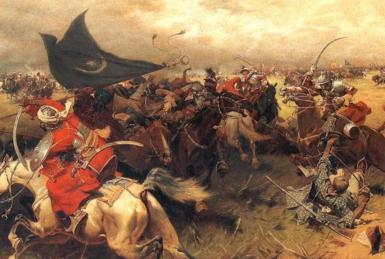
- AHarran
- BInab
- CRamlah
- DManzikert
8The leader of the Seljuk Turks who captured the Byzantine emperor at Manzikert in 1071.
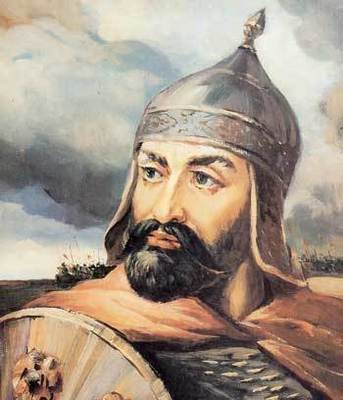
- ATughril
- BAlp Arslan
- CMuhammad
- DMalik Shah II
9A reforming pope who had attempted to aid Byzantium after Manzikert.
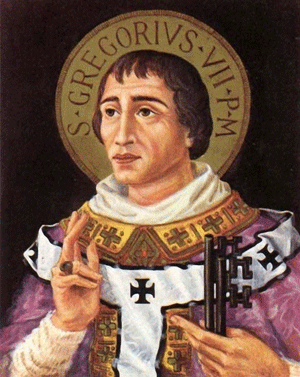
- AVictor I
- BGregory VII
- CSoter
- DPius I
10The branch of religion that the Seljuk's had converted to. They recognised the titular authority of the Caliph in Baghdad.
- AShia Muslim
- BKharijite Islam
- CSunni Islam
- DSufism
11The Shia Muslims who controlled Egypt and were at war with the Seljuk Turks over the Levant.
- ASeljuk Turks
- BAbbasids
- CThe Assassins
- DFatimids
12The capital of the Eastern Roman Empire and one of the greatest cities in the world.
- AConstantinople
- BAlexandria
- CAntioch
- DNiacea
13The division between Eastern and Western Christians that had occurred in 1054.
- AEastern v Western culture
- BThe Great Schism
- CAnglicanism
- DCatholic v Protestant
14The Byzantine emperor after Romanos IV. He attempted to repair relations with the papacy in 1073 in order to gain military support.
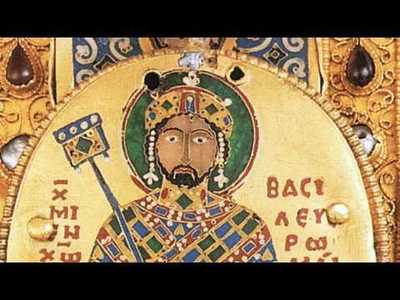
- AIsaac I
- BJohn II
- CMichael VII
- DAlexios I
15A Turkish cousin of Alp Arslan. He established an understanding with Alexios I and was used to manage threats from the other Turks in Anatolia until 1086.
- ABalak
- BSulayman
- CBursq
- DZengi
16A Turk who established a semi - interdependent hold over Smyrna in southern Anatolia in 1084. His fleet threatened the Byzantine islands in the Aegean.
- ASulayman
- BZengi
- CCaka
- DNur ad - Din
17A semi - nomadic people that invaded the northern European Byzantine territories. by 1090 they had conquered many of them and were an imminent threat to Constantinople.
- AThe Assassins
- BPechenegs
- CByzantines
- DTurks
18The cunning Norman leader of Sicily until 1085. He was a sworn enemy of the Byzantines. He was an alley of Pope Gregory VII.
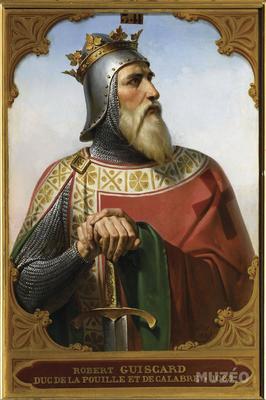
- ATancred I
- BWilliam III
- CHenry I
- DRobert Guiscard
19The battle in 1081 that was a decisive Norman victory over the Byzantines. The Normans overplayed their hand shortly after
- AManzikert
- BRamlah
- CDorylaeum
- DDyrrhacion
20In this year the Normans staged a second invasion of Byzantium but Byzantine forces were able to defeat this.
- A1081
- B1079
- C1082
- D1084
21At this battle in 1091 the Pechenegs were almost completely annihilated by the Byzantine forces and their Cuman allies.
- AManzikert
- BRamlah
- CLebounion
- DDyrrhacion
22A new gold coinage established in 1092 that was 30% gold, 60% silver and 10% copper. It helped to reduce inflation.
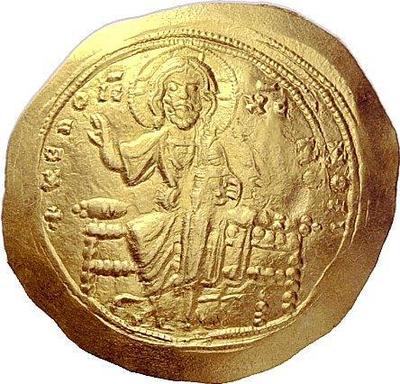
- APound Sterling
- BEuro
- CHyperpyron
- DDrachma
23The Patriarch of Constantinople appointed by Alexios I in 1084. He proved loyal to the agenda of the emperor.
- AEustratius Garidas
- BNicholas III Grammaticus
- CJohn IX Agapetus
- DLeo Styppeiotes
24The Byzantine general who took the throne in a military coup in 1081.
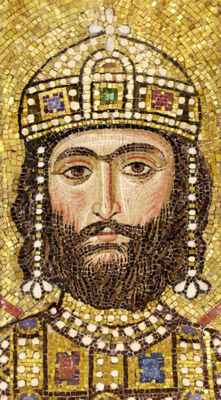
- AAlexios II Komnenos
- BAndronikos I Komnenos
- CAlexios I Komnenos
- DJohn II Komnenos
25A group descended from the Vikings who had settled in Sicily and raided Byzantine territories.
- ALatins
- BFatimids
- CAssassins
- DNormans
26The pope that Alexius sent a letter to asking for military assistance against the Seljuk Turks.
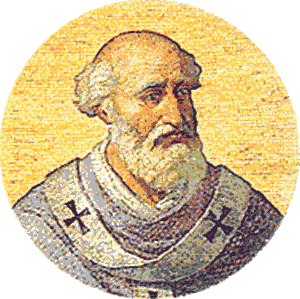
- AUrban II
- BAlexander II
- CStephen IX
- DPaschal II
27The German (or Holy Roman) Emperor and King of Germany that was locked in dispute with the papacy over investiture.
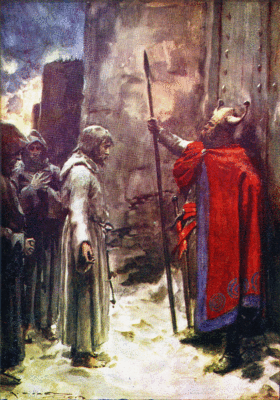
- AConrad II
- BHenry III
- CFrederick I
- DHenry IV
28A dispute between the papacy and secular princes, especially Henry IV, over who appointed bishops.
- APrimogeniture
- BInvestiture
- CFeudal & Social
- DFinancial
29The allegedly ancient document that popes used to claim theoretical control over western Europe.
- AThe Bible
- BDead sea scrolls
- CNicene Creed
- DDonation of Constantine
30The alpine fortress where Emperor Henry IV begged Pope Gregory VII for forgiveness for three days in the snow in 1077.
- AAlpine Wall
- BHindenburg Wall
- CCanossa
- DBrimstone Hill Fortress
31The spiritual power that the bishops of Rome claimed from St. Peter.
- AJesuitism
- BPetrine Authority
- CAnglo Catholicism
- DJacobean Authority
32A document listing the powers that the papacy claimed over the church and secular princes.
- APeace of God
- BDonation of Constantine
- CTruce of God
- DDictatus Papae
33The imperial appointee as archbishop of Milan in 1075. This infuriated Gregory VII and developed into the wider investiture controversy.
- ATaticius
- BPetrus
- COtto
- DTedald
34The year that the Roman synod was held that forbade lay investiture. Appointments using it were to be invalid and those involved excommunicated.
- A1078
- B1076
- C1071
- D1054
35A rival or anti-pope to both Gregory VII and Urban II. His reign ran from 1080 - 1100. He was appointed and backed by Henry IV of Germany.
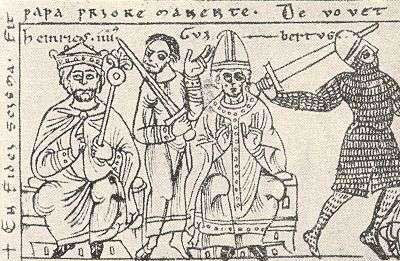
- ABenedict X
- BHonorius II
- CSylvester IV
- DClement III
36A prominent and powerful supporter of Gregory VII who aided him against Henry IV. Her forces were part of the Milites Christi.
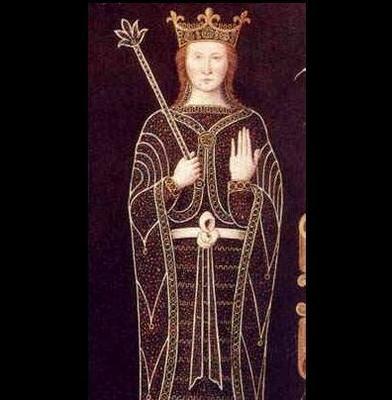
- ABeatrice
- BBertha
- CMatilda
- DMildred
37The so-called soldiers of God that were armed men who fought to advance the interests of the papacy both within Italy and against Muslims.
- ASoldiers of Peace
- BMilites Dei
- CChrist's Children
- DMilites Christi
38The church council in March 1095 at which Alexios' letter was delivered to Urban II.
- APiacenza
- BClermont
- CNabulas
- DAcre
39The church council at Aurvergne in southern France in November 1095 where Urban II launched the First Crusade.
- AClermont
- BAcre
- CPiacenza
- DNabulas
40What were the five traditional centres of Christianity; each had a patriarch called collectively. Three were in Muslim hands.
- APentarchy
- BConstantinople
- CAntioch
- DAlexandria
41The centre of Christian faith. Pilgrimage to it had been disrupted by the Seljuk invasion.
- AConstantinople
- BAlexandria
- CAntioch
- DJerusalem
42The tomb in which Jesus Christ had been buried. It was the holiest relic in the Christian faith.
- AHoly tomb
- BGrave site
- CHoly Sepulchre
- DHoly Burial site
43An attempt to prohibit all fighting between Western Christians at certain times.
- APeace of God
- BJust War Theory
- CTruce of God
- DProhibited
44An attempt to protect certain groups such as the church and poor peasants from violence.
- ATruce of God
- BJust War
- CPeace of God
- DKnightly Dilemma
45The doctrine developed by St. Augustine that allowed for Christian violence in certain circumstances such as the reclamation of Christian lands.
- APeace of God
- BTruce of God
- CJust War Theory
- DKnightly Dilemma
46The place that the papacy was already seeking to encourage Christians to attack Muslim lands.
- APortugal
- BSpain
- CEngland
- DFrance
47The belief that saints acted as intercessors to God and that they existed in a hierarchy.
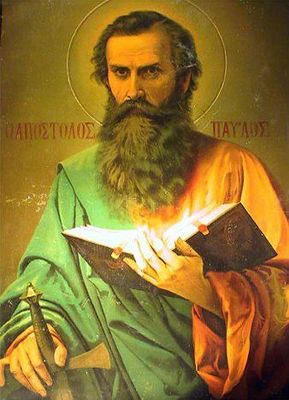
- AA lot of Saints
- BIntercessions
- CHierarchy of Saints
- DCult of Saints
48This was a relic that was holy through proximity.
- ACloth
- BBodily relic
- CMoney
- DBrandea
49This was a relic that was literally a part of a saint. They were usually the focus of pilgrimage.
- ABrandea
- BFinger
- CToe
- DBodily relic
50This was a desire to travel to holy places. The most important of which was Jerusalem.
- AVoyagers
- BDeeply religious people
- CPilgrimage
- DWell travelled
51An act to demonstrate that an individual was seeking forgiveness for their sins. This could include acts such as pilgrimage.
- AForgiveness
- BLove
- CPenance
- DPrayer
52A promise made to crusaders that their previous sins would be wiped clean if they took part.
- ARemittance of Sins
- BForgiveness of sins
- CRepentance
- DPenance
53This meant that Christians saw their actions as justified and holy rather than the sin of murder.
- AJust war theory
- BSanctified Violence
- CPeace & Truce of God
- DKnightly dilemma
54The clash between a knights role to kill and the fear of committing murder. It was solved by the promise of sanctified violence.
- ASigns and Wonders
- BJust War Theory
- CSanctified Violence
- DKnightly Dilemma
55These were natural phenomena that were ascribed to God giving direct instructions to undertake the crusade.
- ASigns and Wonders
- BMiracles
- CPreaching
- DPrayer
56The centre of village life in western Europe. It oversaw birth, marriage and death it acted as the heart of the community.
- AA home
- BA Hospital
- CShops
- DParish Church
57The one-tenth of a Christians income given to the church as an act of religious devotion.
- ADonation
- BTithe
- CFlocks
- DMoney
58A crusader who seems to have been motivated mostly by sincere religious devotion as he was already very wealthy.
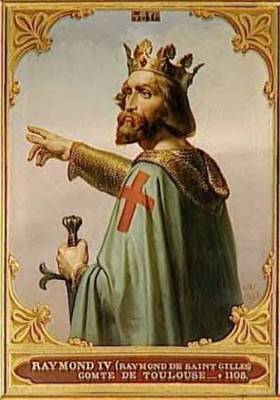
- ACount Emicho
- BGodfrey of Bouillon
- CBishop Adhemar
- DRaymond of Toulouse
59He was in a poor position in the Holy Roman Empire and was not well liked by Henry IV. He also seems to have been personally pious.
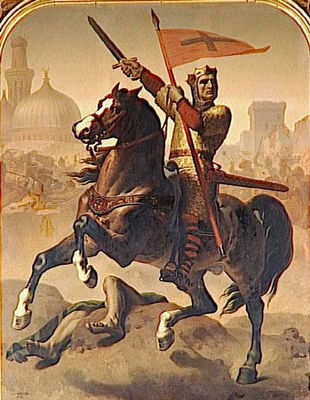
- ABohemond of Taranto
- BBishop Adhemar
- CTancred
- DGodfrey of Bouillon
60He was close to Urban II and was sent to represent him on the First Crusade.
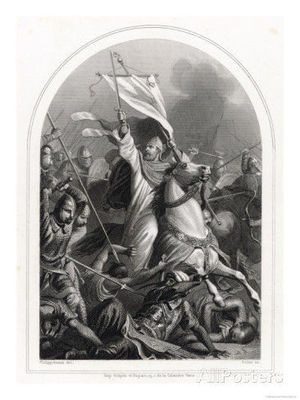
- ATedald
- BTaticius
- CBishop Adhemar
- DPeter the Hermit
61This force religiously motivated peasants and knights ignored Alexios' advice to wait for the princes and were massacred by the Turks.
- A1101 Crusade
- B1120 - 24 Crusade
- CPeople's Crusade
- DNorwegian Crusade
62A charismatic preacher and leader of the People's crusade, he was religiously motivated.
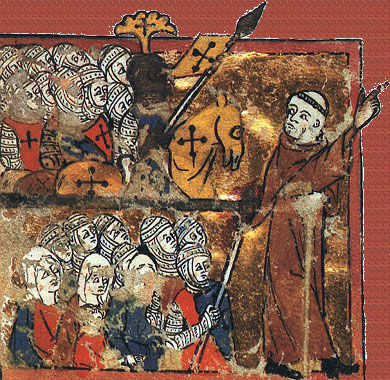
- ATedald
- BRaymond of Toulouse
- CBishop Adhemar
- DPeter the Hermit
63A German count who led his 'crusading' forces in a pogrom against the Jews of the Rhineland.
- AGodfrey of Bouillon
- BRaymond of Toulouse
- CCount Emicho
- DPeter the Hermit
64A motivating factor regarding the potential to gain land that can best be seen in actions of Bohemond, Tancred and Baldwin.
- AGreed
- BFeudal Obligation
- CSocial Obligation
- DPrimogeniture
65An increasingly common law that meant eldest sons inherited, leaving younger sons with little.
- APrimogeniture
- BGreed
- CPilgrimage
- DFeudal & Social Obligation
66The historian who argued that a knight would have had to raise five times his annul income. This would argue against greed as a motivator.
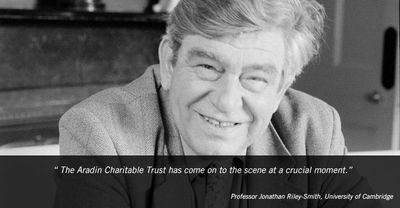
- AJotischky
- BAsbridge
- COldenberg
- DJ. Riley - Smith
67The Norman Crusader who was hated by Alexios. He was well known for his bravery and skill in battle. He was looking for land and wealth.
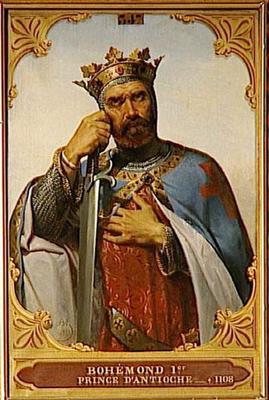
- AGodfrey of Bouillon
- BRaymond of Toulouse
- CBohemond of Taranto
- DTancred
68Bohemond's nephew. He was also seeking lands and fortune and the crusade solved his knightly dilemma.
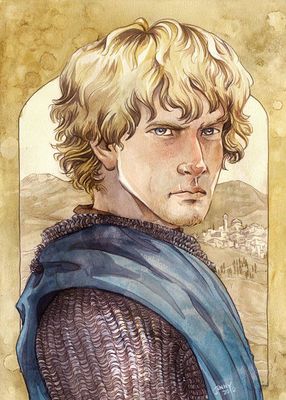
- ABaldwin I
- BRaymond of Toulouse
- CTancred
- DJosecelin I
69The younger brother of Godfrey who travelled with him. He had left the church to be a knight and was seeking a fortune in the east.
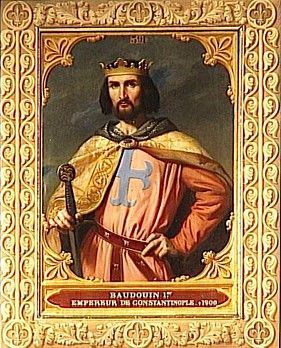
- ARaymond of Toulouse
- BBohemond of Taranto
- CTancred
- DBaldwin of Boulogne
70This had affected Europe for several years inflicting great hardship on peasants. It might have encouraged him to leave for the holy land.
- AWater shortage
- BFamine
- CMoney
- DFood
71A motivating factor exploited by Urban II in his specific appeal to senior European nobles. It might have encouraged them to leave for the holy land.
- ASocial Obligation
- BFeudal Ties
- CGreed
- DPrimogeniture
72This social tie played an important role for facilitating the participation for many of the crusader leaders including Baldwin and Tancred.
- AFeudal Ties
- BKinship
- CGreed
- DPrimogeniture
73An able warrior but a poor administrator. He saw the crusade as an opportunity to resurrect his reputation.
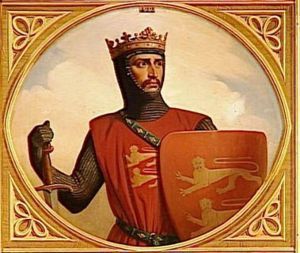
- AGodfrey of Bouillon
- BBaldwin of Boulogne
- CStephen of Blois
- DRobert of Normandy
74A crusader who was motivated by social pressure from his wife and by the presence of his kin on the crusade.
- ARobert, Duke of Normandy
- BStephen of Blois
- CGodfrey of Bouillon
- DRobert of Flanders
75His family had a long standing connections and friendship with the Byzantine emperors and a history of pilgrimages to Jerusalem.
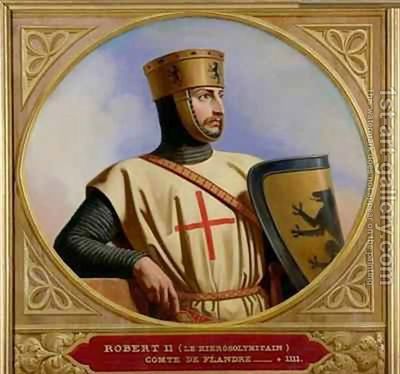
- AWalter sans - Avoir
- BGodfrey of Bouillon
- CStephen of Blois
- DRobert of Flanders
76A knight and lieutenant of Peter the Hermit. His forces plundered Byzantine territory on the way to Constantinople.
- AStephen of Blois
- BRobert of Flanders
- CCount Emicho
- DWalter Sans - Avoir
77A German city and site of an anti - Semitic pogrom in the summer of 1096 by Count Emicho.
- AAnhalt
- BMainz
- CBrandenburg
- DBerlin
78The incorrect belief that Jews murdered and sacrificed Christian children. They were also blamed for the murder of Jesus.
- AThe Jews did it
- BAnti - Semitism
- CBlood libel
- DI have no idea
79The place where Emicho's army was destroyed.
- ASpain
- BHungary
- CEngland
- DAmerica
80The site of intrigue between Alexius and the crusader leaders. They were forced to take an oath to him.
- AAntioch
- BNiacea
- CAlexandria
- DConstantinople
81The Turkish sultan of Rum. His Seljuk forces were defeated at Nicea and again at Dorylaeum.
- AMalik Shah
- BGiyath al-Din Kaykhusraw I
- CSuleiman ibn Qutulmish
- DKilij Arslan I
82A rival Turkish Dynasty that Kilij Arslan was at war with Anatolia. This benefited the crusade.
- ASultanate of Rum
- BThe Assassins
- CDanishmends
- DFatimids
83The first target of the Crusade. This city surrendered to the Byzantines and the crusaders felt betrayed.
- ANiacea
- BAntioch
- CJerusalem
- DConstantinople
84Alexios' general and representative. He served as a guide/diplomat in Anatolia and led a small force with the crusade to Antioch.
- ATedald
- BCount Emicho
- CWalter sans - Avoir
- DTaticius
85This site of a major battle and victory for the crusaders in Antioch in July 1097. It demonstrated Bohemond's skill.
- ADorylaeum
- BRamlah
- CInab
- DHarran
86The extreme heat made this part of the journey very hazardous and many men were lost.
- AMainz
- BNiacea
- CAnatolia
- DCicilia
87Tancred and Baldwin travelled here and virtually fought each other for control of its cities.
- AAntioch
- BNiacea
- CJerusalem
- DCilicia
88The crusade benefited from supplies from the Byzantine territory during the siege of Antioch.
- AFrance
- BAlgeria
- CCyprus
- DJapan
89The siege of this city took ten months and almost destroyed the crusade. It was finally given to Bohemond causing Byzantine fury and the end of Alexios' support for the First Crusade.
- ANiacea
- BJerusalem
- CTripoli
- DAntioch
90These brothers and rulers of Aleppo and Damascus failed to untie against the crusafers and attacked separately whilst the crusaders besieged Antioch.
- ANizar & Musta‘li
- BRidwan & Duqaq
- CRichard & Henry
- DEdward & David
91The ruler of Mosul. He led a combined Muslim force to Antioch. It was defeated partly through internal disunity and ill- treatment of his men.
- ANasir al-Dawla
- BMuhammad ibn Musayyib
- CZa'im al-Dawla Baraka
- DKerbogha
92A convert to Islam who betrayed the garrison at Antioch after making a secret deal with Bohemond.
- ANizar
- BFiruz
- CRidwan
- DDuqaq
93These Shia Muslims attempted to from an alliance with the crusaders against the Seljuks.
- ASeljuk Turks
- BAbbassids
- CFatimids
- DThe Assassins
94The construction and co-ordinated use of these demonstrated military skill and was vital to the capture of Jerusalem.
- ACatapults
- BSiege Engines
- CWeapons
- DArtillery
95This so called relic was found in Antioch and played a massive role in raising crusader morale.
- AThe Holy Lance
- BSt Andrews Cross
- CA piece of the True Cross
- DThe Holy Grail
96The vizier and chief advisor of Malik Shah. His death shortly before his master's in 1092 crippled the Seljuk empire.
- ANizam al- Mulk
- BBadr al - Jamali
- Cal- Muqtadi
- DMusta 'il and Nizar
97The powerful Shia Fatimid caliph who death in 1094 was a major blow.
- AMusta 'il and Nizar
- BNizam al- Mulk
- Cal- Mustansir
- DBadr al - Jamali
98The religious conviction of these people carried the crusade forward the leaders were divided at Antioch and Maarat.
- AThe people's crusade
- BPilgrims
- CSoldiers
- DOrdinary Crusaders
99The capable Fatimid vizier who died very shortly after his master in 1094.
- Aal- Mustansir
- Bal - Muqtadi
- CBadr al - Jamali
- DMusta 'il and Nizar
100The sons of al- Mustansir who fought for the Fatimid throne after their father's death.
- ARidwan and Duqaq
- BMusta 'il and Nizar
- CLot and Abraham
- DDavid and Goliath
101The Abbassid Sunni caliph of Baghdad who died in 1094.
- Aal- Mustansir
- Bal - Muqtadi
- CBadr al - Jamali
- DMusta 'il and Nizar
Informationen
- Beschreibung
- AS - Level History Quiz am The First Crusade and the Background to it, 1070-1099, erstellt von Erin Mason am 21/12/2015.
- Autor
- Erin Mason
- Sprache
- English
- Aufrufe
- 166
- Schlagwörter
- Bewertung
- Noch keine Bewertungen Bewerte dieses Quiz