
Adjectives - Grammar Notes
Folien in diesem Satz (7)
-
-
- Adjectives are words that give more information about a noun or a pronoun.
- In English adjectives tend to come before the noun;
- e.g. The fast car.
- A beautiful view.
- Or, after a linking verb, (such as ‘to be’)
- e.g. The car is fast.
- The view looks beautiful.
-
- When more than one adjective is used to modify a noun they proceed in a set order:
- Quantity, Quality, Size, Shape, Age, Colour, Proper Adjective, Qualifier.
- Noun: What is it?
- e.g. Car.
- Quantity: How many are there?
- e.g. Two cars.
- Quality: What is it like?
- e.g. Two amazing cars.
- Age: How old is it?
- e.g. Two amazing antique cars.
- Size: How big is it?
- e.g. Two amazing antique small cars.
- Shape: What shape is it?
- e.g. Two amazing antique small ovular cars.
- Colour: What colour is it?
- e.g. Two amazing antique small ovular green
- cars.
- Proper adj.: Where is it from?
- e.g. Two amazing antique small ovular green
- Italian cars.
- Qualifier: What is it for?
- e.g. Two amazing antique small ovular green Italian sports cars.
- Typically, we would not be this descriptive in English. The furthest we would be likely to go in the above instance would be:
- Two antique Italian sports cars.
-
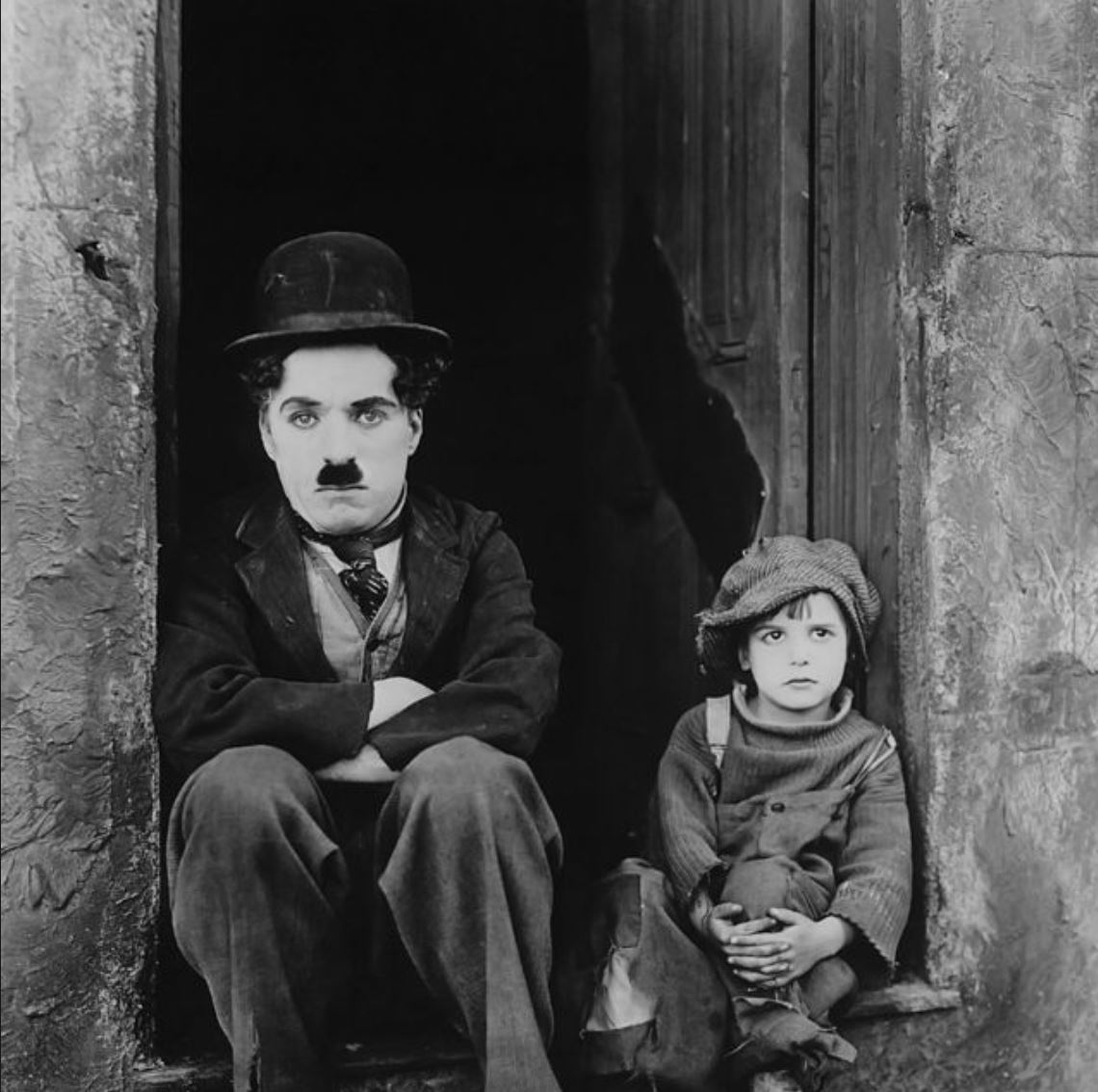
- When there are two adjectives from the same group the word ‘and’ is placed between them.
- e.g. A black and white movie.
- When there are three or more adjectives from the same group, commas are placed between them.
- e.g. The Irish flag is green, white and orange.
-
- A lot of adjectives are made by adding ‘-ing’ or ‘-ed’ to the end of a verb.
- ‘-ing’ adjectives are commonly used to describe the character of something;
- e.g. The film was entertaining.
- Tim is interesting.
- Whereas ‘-ed’ adjectives are commonly used to describe the state of something.
- e.g. I am bored.
- Sally is tired.

-
- Comparative adjectives are used to show change or make comparisons. They are usually formed by adding ‘-er’ to the end of an adjective.
- e.g. The dragon is smarter than it used to be.
- There’s always a bigger fish.
- When comparing one thing with another we use the word ‘than’.
- e.g. My dragon is bigger than yours.
- When we want to describe how something, or someone changes we can use two comparatives with ‘and’.
- e.g. As I blew, the balloon got bigger and bigger.

-
- Superlative adjectives are used to emphasise an aspect of a noun. They are usually formed by adding ‘-est’ to the end of the adjective. Unlike comparatives, superlative adjectives are always preceded by the definite article, ‘the’.
- e.g. My dragon is the biggest.
- Irregular comparatives and superlatives.
- The comparative and superlative forms of some of the most common adjectives, such as ‘good’ and ‘bad’, are highly irregular.
- Adjective: Good Bad Far
- Comparative: Better Worse Further
- Superlative: Best Worst Furthest

Informationen
- Beschreibung
- Third Class English Folienset am Adjectives - Grammar Notes, erstellt von Daniel Fairbairn am 10/06/2019.
- Erstellt von
- Daniel Fairbairn
- Aufrufe
- 4
- Bewertung