
Flashcards
LEARN IT: 5 Forces

Cards in this deck (89)
- 1What is the difference between a scalar and a vector?
- 2List examples of scalars

- 3List examples of vectors

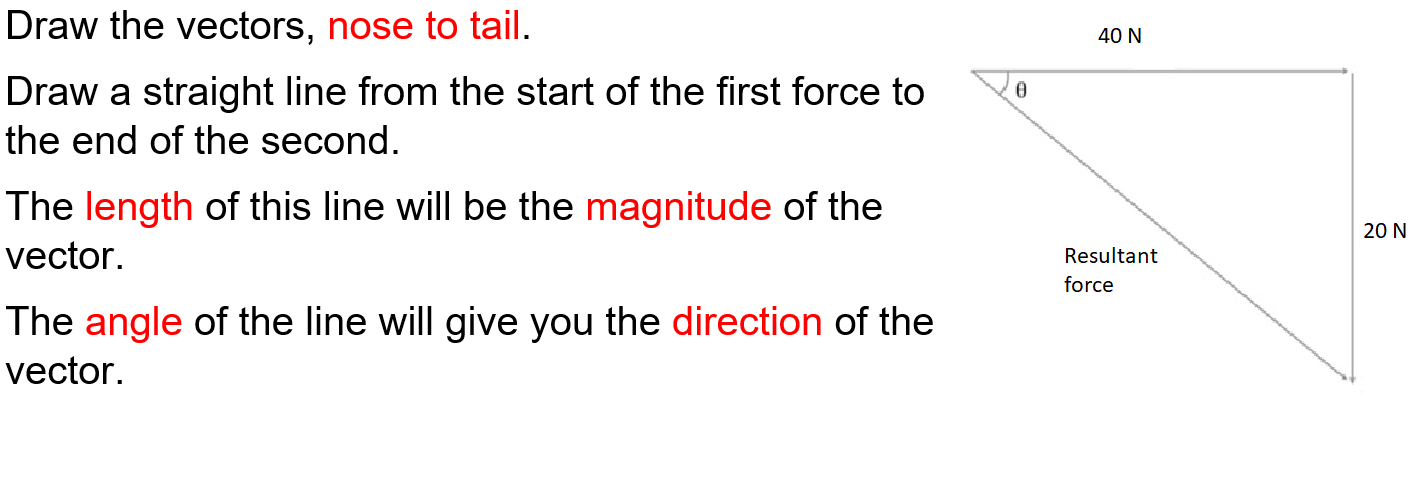
- 4How can you draw a vector?

- 5What is the difference between a contact force and a non-contact force?

- 6List examples of contact forces

- 7List examples of non-contact forces

- 8What is weight?

- 9How are weight and mass different?

- 10What is the mathematical relationship between weight and mass?

- 11What is the formula that links mass and weight?

- 12What instrument can be used to measure weight?

- 13What is meant by ‘centre of mass’

- 14What does resultant force mean?
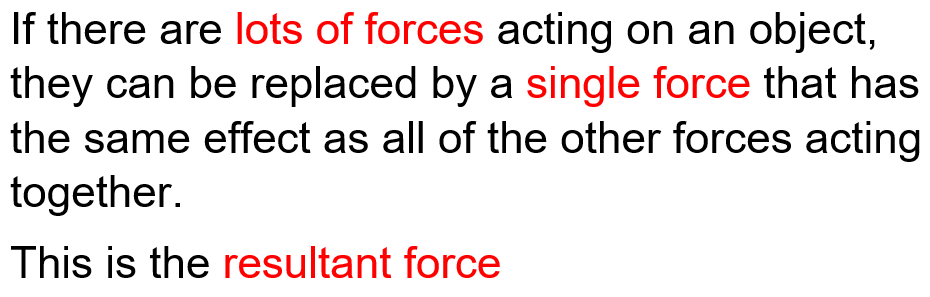
- 15A 2N force and a 5N force are acting on an object in the same direction (to the right). What is the resultant force?

- 16A 2N force acts left and a 5N force acts right on an object. What is the resultant force?

- 17What does a free-body force diagram show?

- 18If two forces are acting on an object in different directions, how could you use a scale diagram to find the magnitude and direction of the resultant force?
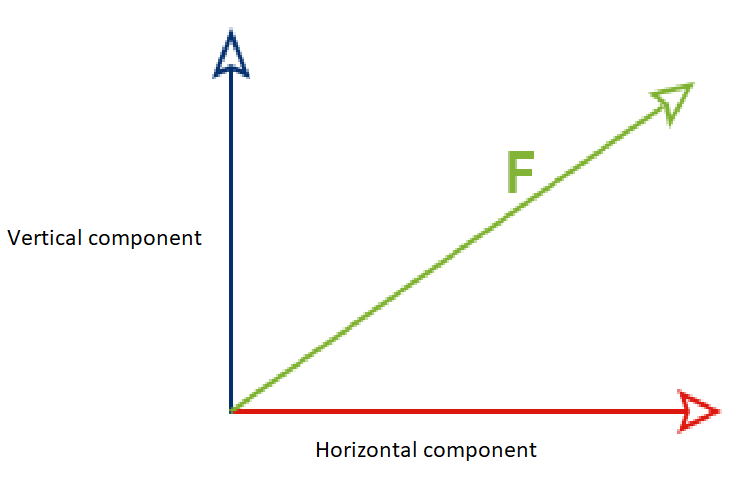
- 19What are the two components that you can split a resultant force into?
- 20What is work done?

- 21What is another term for work done?

- 22What formula is used to calculate work done?

- 23What is the definition of 1 joule (hint – it comes from the formula for work done)

- 24What are the alternative units for the joule?

- 25What way do frictional forces always act on moving objects?

- 26What happens to the temperature of an object when work is done against friction forces?

- 27Why is more than one force needed to change the shape of an object?

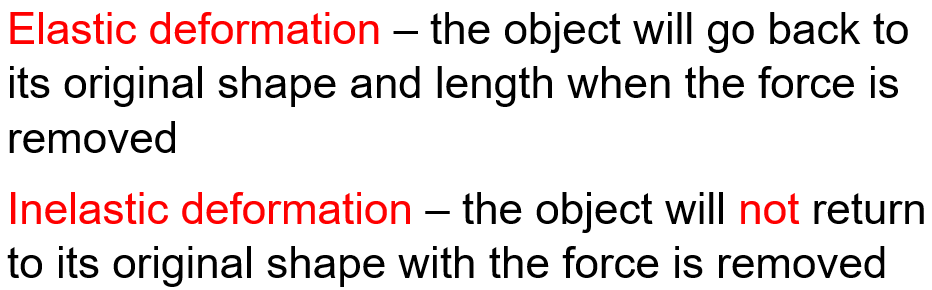
- 28What is the difference between elastic deformation and inelastic deformation?
- 29What is the relationship between the extension of an spring and the force applied?

- 30What is the formula that links force and extension of a spring?
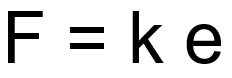
- 31If an object is compressed, rather than stretched, what does e stand for?

- 32What type of energy is stored when something is stretched or compressed?

- 33If a spring is elastically deformed, what is the relationship between the work done on the spring and the elastic potential energy stored?

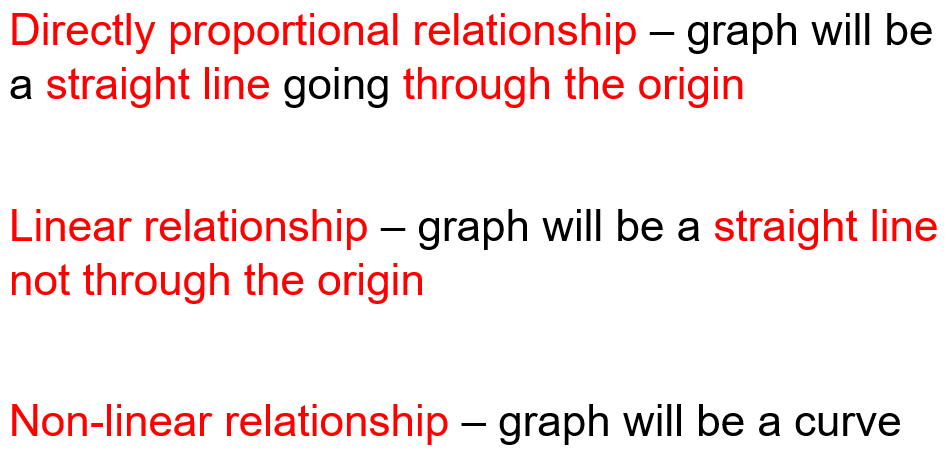
- 34What is the difference between a directly proportional relationship, a linear relationship and a non-linear relationship?
- 35Sketch a graph to show how force and extension are lined (including beyond the limit of proportionality)
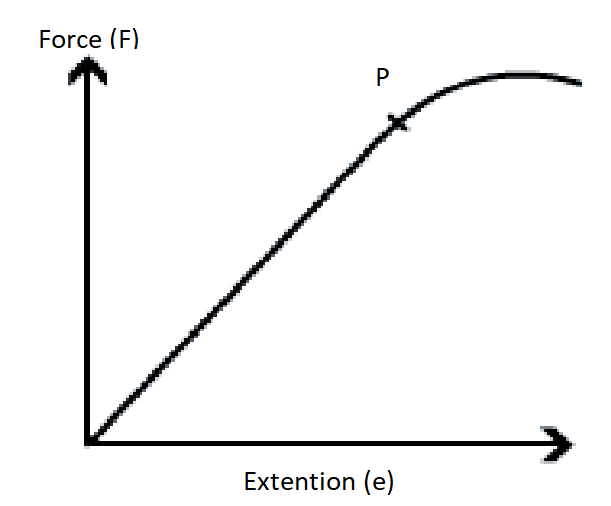
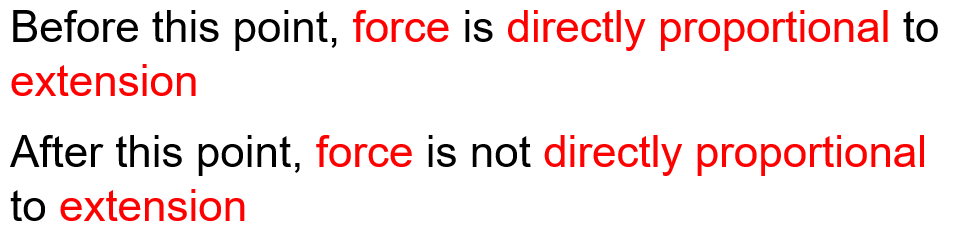
- 36What is the limit of proportionality?
- 37How could you find the spring constant from a force-extension graph?

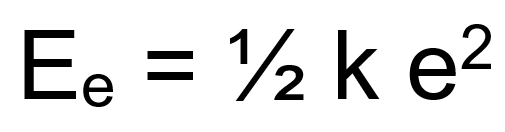
- 38What formula is used to calculate the work done in stretching (or compressing) a spring?
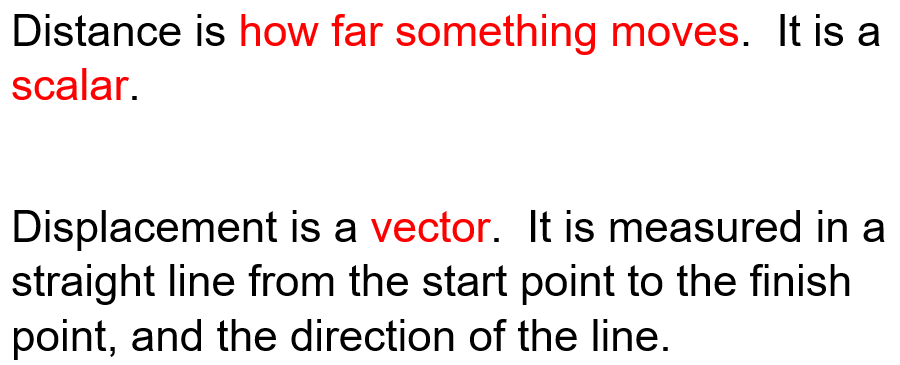
- 39How are distance and displacement different?
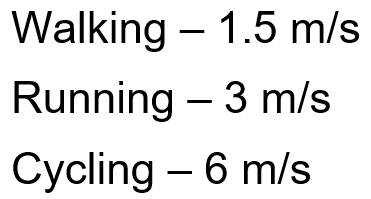
- 40What are typical values for the speed of walking, running and cycling?
- 41Why is the speed of an object not usually constant?

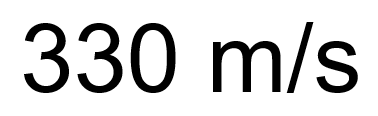
- 42What is the typical value for the speed of sound in air?
- 43What is the formula used to calculate the speed on an object?

- 44What does uniform motion mean?

- 45What is velocity?

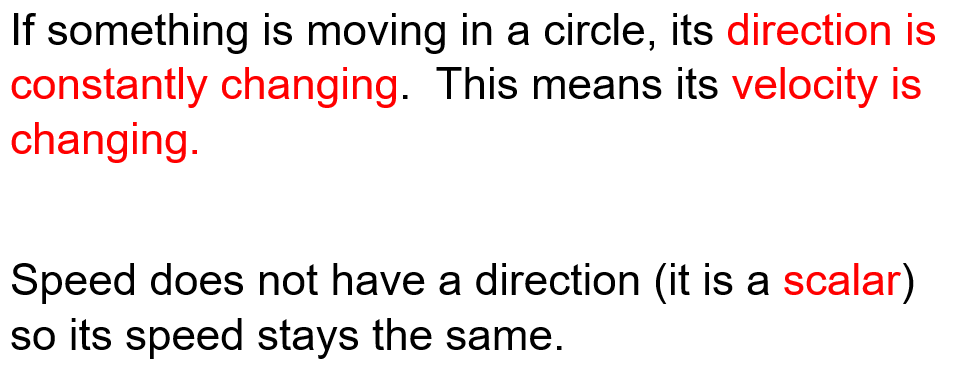
- 46If something is moving in a circle, explain why it can have a constant speed, but the velocity changes?
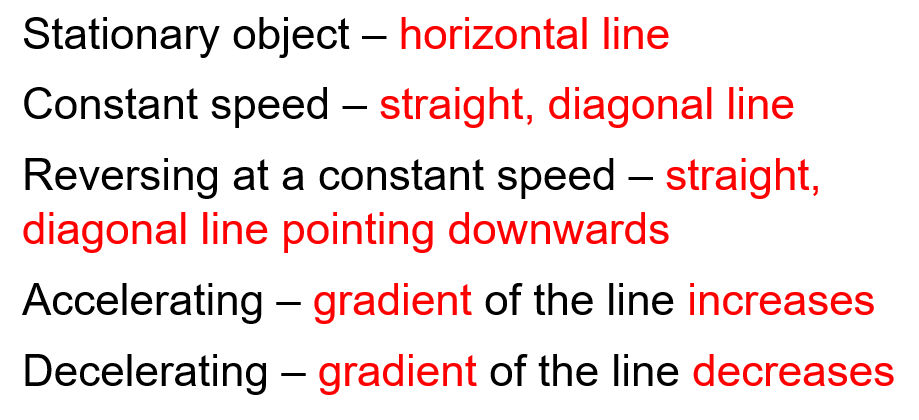
- 47In a distance-time graph, how would you identify: A stationary object An object travelling with a constant speed An object reversing at a constant speed An object accelerating An object decelerating
- 48How could you find the speed of an object in a distance-time graph?

- 49How could you find the speed of an object in a distance-time graph if it is a curve?

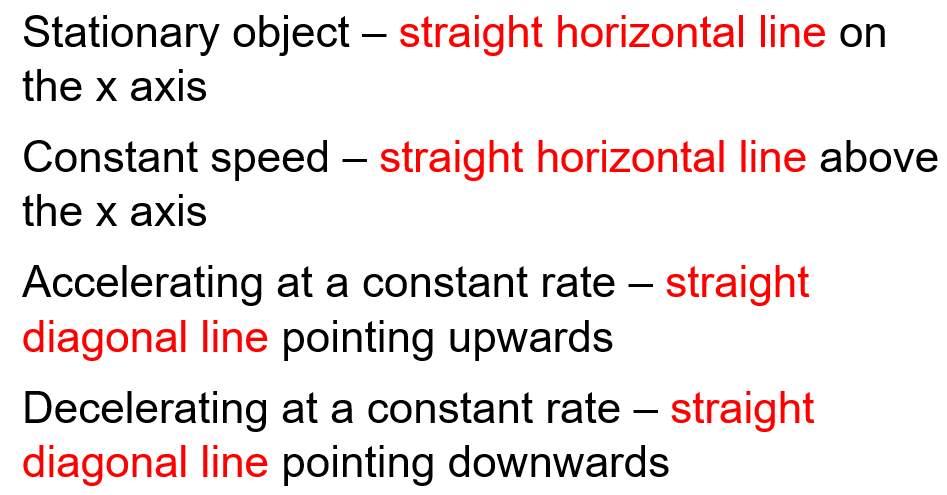
- 50In a velocity-time graph, how would you identify: A stationary object An object travelling with a constant speed An object accelerating at a constant rate An object decelerating at a constant rate
- 51How can you find acceleration or deceleration from a velocity time graph?

- 52How can you find the distance traveled in a velocity-time graph?

- 53How can you find the area under a velocity-time graph if it was a curve?

- 54What would non-uniform acceleration or deceleration look like in a velocity-time graph?

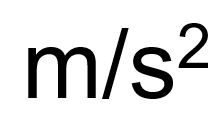
- 55What are the units for acceleration?
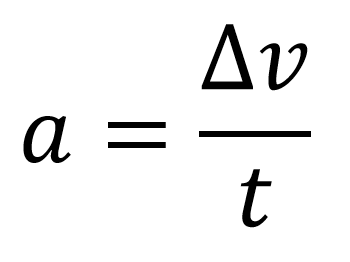
- 56What is the formula that links acceleration, change in velocity and time?
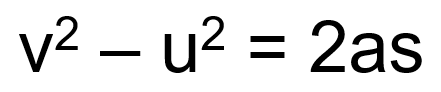
- 57What is the formula that links initial velocity, final velocity, acceleration and distance?
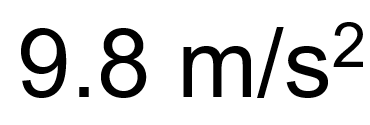
- 58What is the acceleration for an object falling due to gravity?
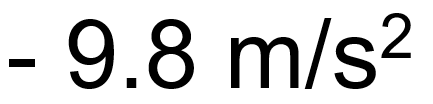
- 59What is the deceleration of an object being thrown up in the air?
- 60What two forces are acting on a ball falling through a fluid?

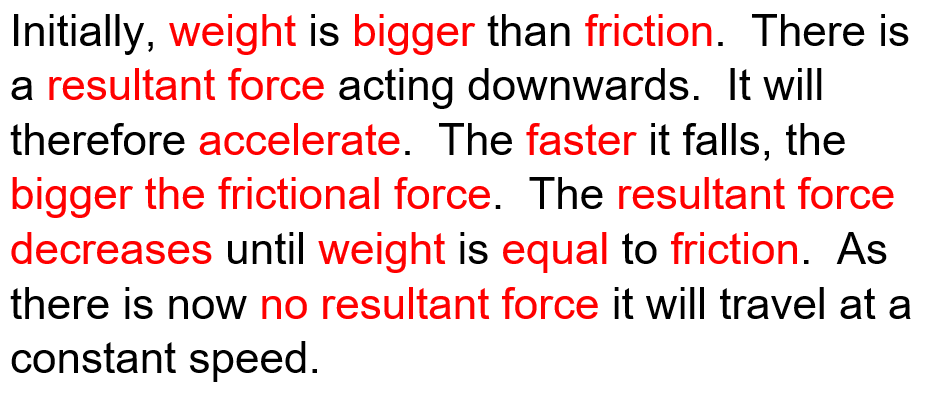
- 61Why does an object falling through a fluid accelerate at the start, and then travel at a constant speed?
- 62What is Newton’s first law?
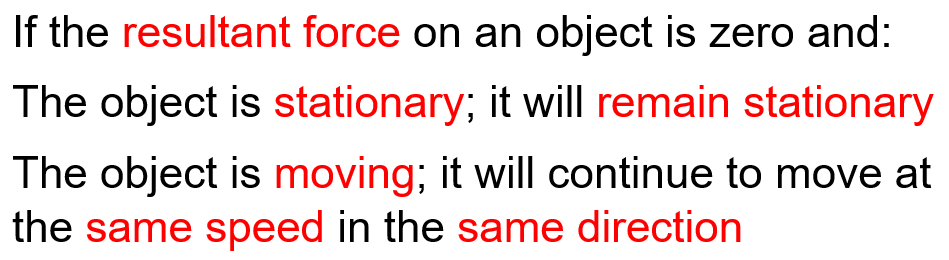
- 63How does Newton’s first law explain a car moving at a constant speed?

- 64What is inertia

- 65What is Newton’s second law in words?

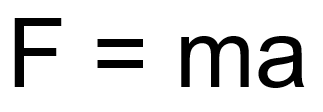
- 66What is the equation for Newton’s second law?
- 67What could a resultant force on a moving object cause to happen?

- 68What is inertial mass

- 69What does this symbol ⁓ mean?

- 70What is Newton’s third law?

- 71What is important about the Newton’s third law pairs?

- 72What is stopping distance?

- 73How does speed affect stopping distance for a given braking force?

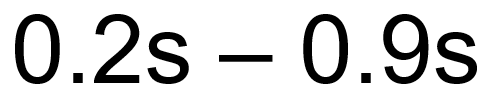
- 74What are typical values for reaction time?
- 75What factors affect a driver’s reaction time?

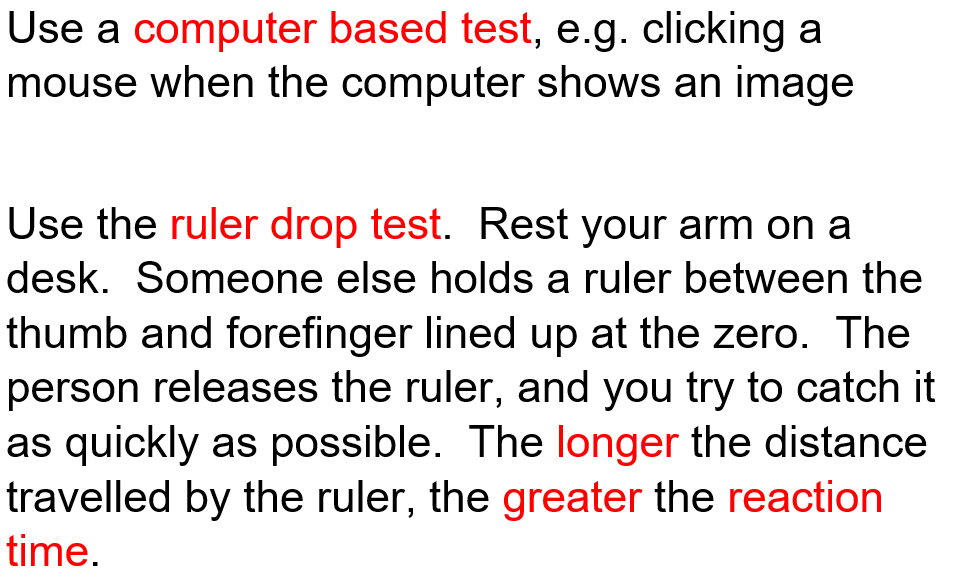
- 76State some ways of measuring reaction time
- 77What factors affect braking distance?

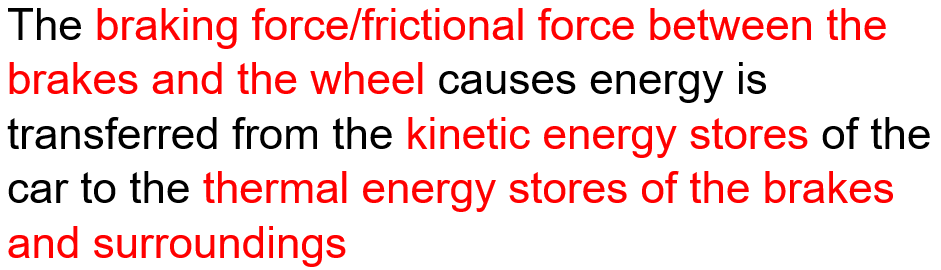
- 78When a force is applied to the brakes of a car, work is done. Why?
- 79What is the relationship between the speed of a car and the braking force needed to stop it?

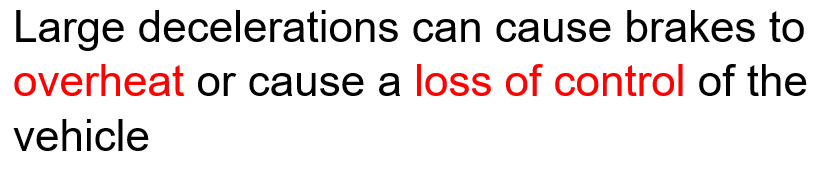
- 80What are the dangers of large decelerations?
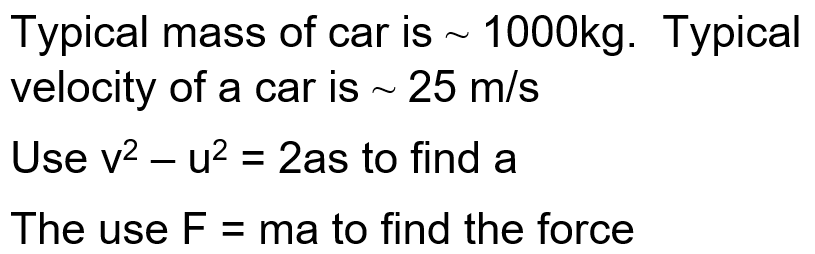
- 81Estimate the forces involved in deceleration a car on a normal road
- 82What is momentum?

- 83What are the units for momentum?

- 84What is the law of conservation of momentum?

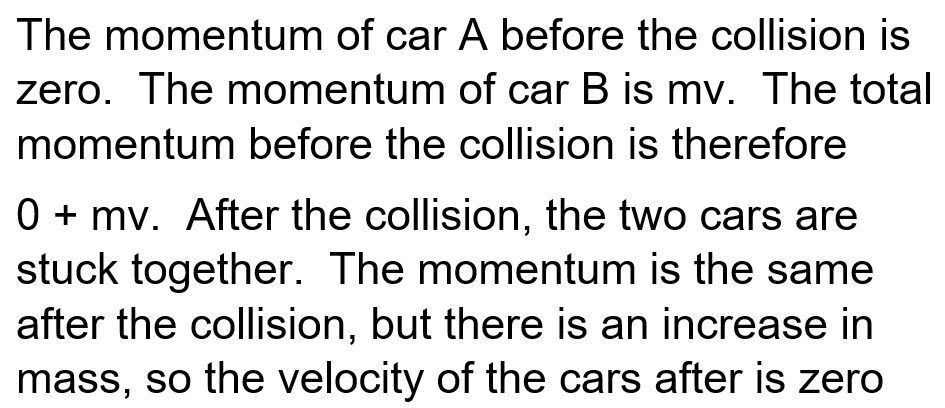
- 85Explain what is happening, in terms of momentum, when two cars collide. One is stationary before the collision (car A). The cars stick together
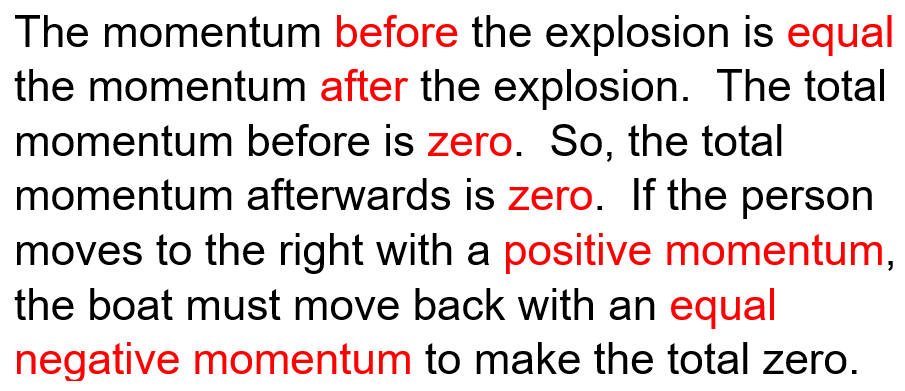
- 86Explain what is happening, in terms of momentum if someone steps off a stationary boat
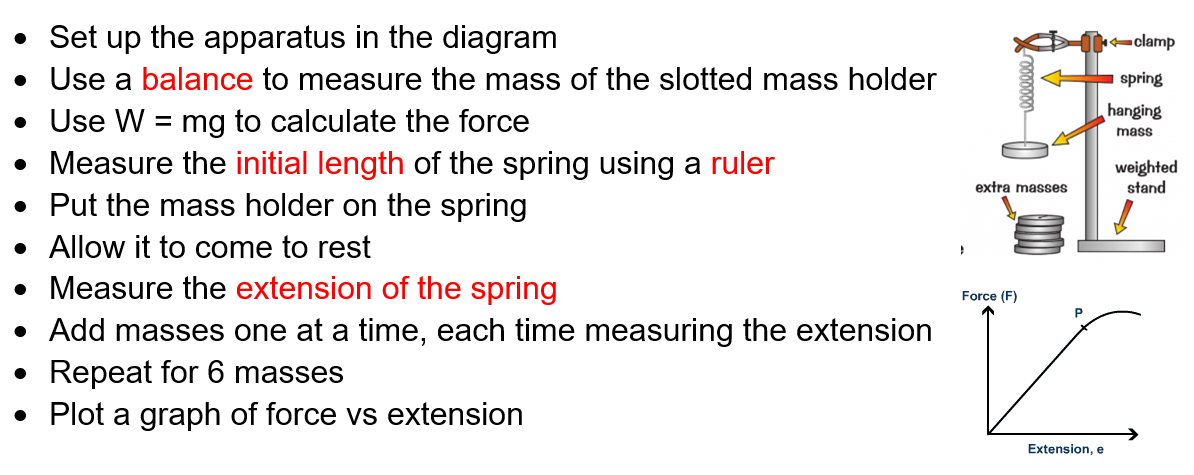
- 87Investigate the relationship between force and extension for a spring
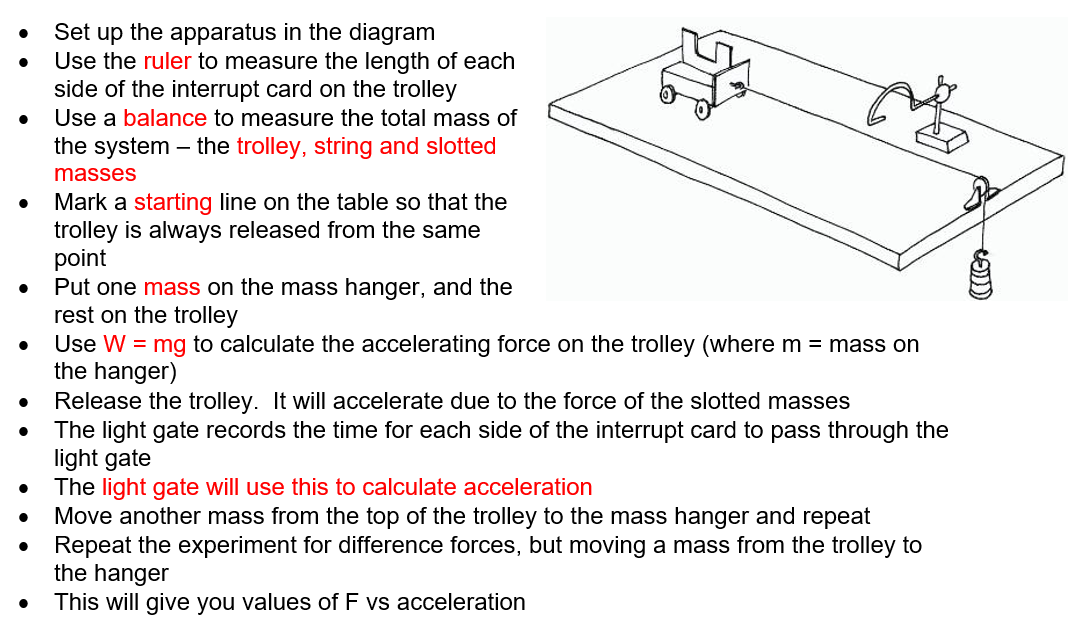
- 88Investigate the effect of varying the force on the acceleration of an object of constant mass
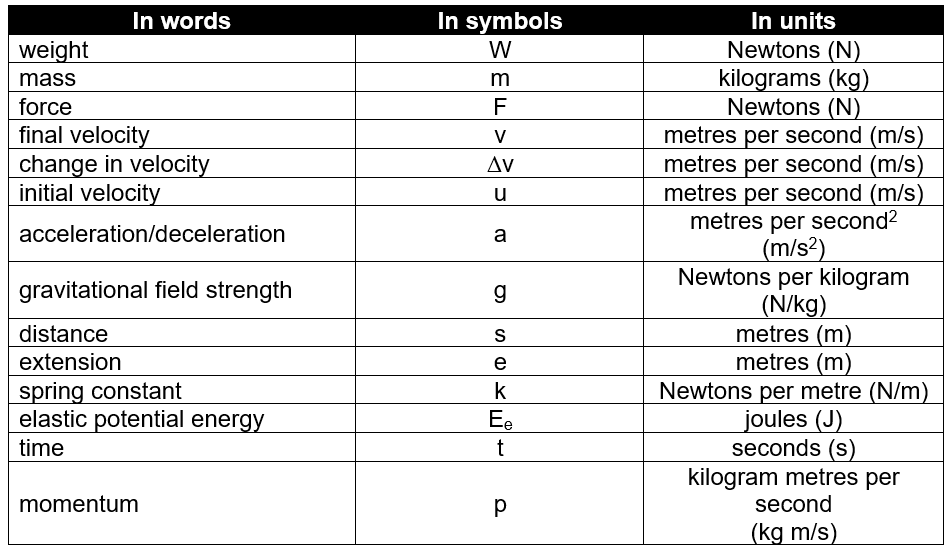
- 89Symbols, names and units for equations
Information
- Description
- GCSE Physics Flashcards on LEARN IT: 5 Forces, created by Isleworth Physics on 04/06/2018.
- Created by
- Isleworth Physics
- Views
- 44
- Tags
- Rating