
Flashcards
Listening skills

Cards in this deck (20)
- 1Personal InformationLeidy Elvira Corado Zúñiga
Student ID: 20181513
Course: Teaching Techniques for Listening and speaking.
Professor Specialized in English - 2IntroductionListening skills is one of the most difficult in the communication process. The listening comprehension in second language help the students to improve their pronunciation and listen effectively with the purpose to comprehend and interact with native and not native speaker.
- 3What make listening difficult?Listening a second language is difficult when we don´t know all the characteristics that it implicate. Reduced form as morphological contractions is something difficult listening a native speaker. There are steps that a listener goes through too, such as receiving the information, breaking it down, and identifying its purpose.
- 4ClusteringBreak down speech into smaller groups of words, to help students retained for comprehension.
- 5ExamplesThese chunks are often broken up with conjunctions, prepositions, and the like, which then serve as markers. Example: My dad was eating dinner when the phone rang, and was he furious
- 6RedundancyIt helps the hearer to process meaning by offering more time and extra information.

- 7Example:“I mean”, “you know”, and “I think”
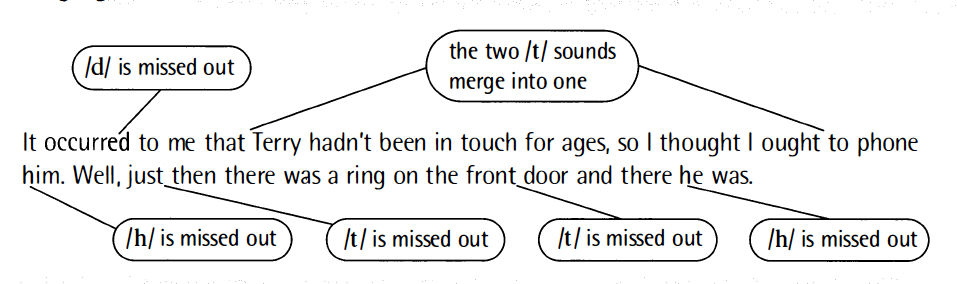
- 8Reduced formReduced forms cause problems the students might not fully understand a sentence if they miss part of a sound.

- 9Example“djeetyet?” for “Did you eat yet?”, morphological; contractions like “I’ll”, syntactic; elliptical forms like “When will you be back?”; “Tomorrow, maybe”, or pragmatic; “Phone rings in a house, child answers, cups the telephone and yells to another room in the house, ‘Mom! Phone!’”.
- 10Performance variablesLearners have to train themselves to listen for meaning in the midst of all these distracting performance variables. Everyday casual speech by native speakers also commonly contains ungrammatical forms.

- 11ExampleIn spoken language, hesitations, false starts, pauses, and corrections are common. Listening British English and American English.
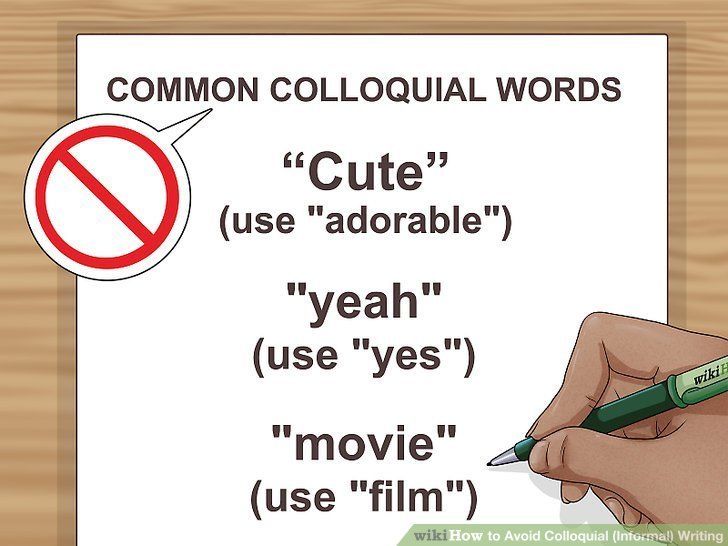
- 12Colloquial LanguageIdioms, slang, reduced forms, and shared cultural knowledge are all part of spoken language

- 13Example
- 14Rate of deliveryLearners need to be able to comprehend language delivered at varying rates of speed and, at times, delivered with few pauses.
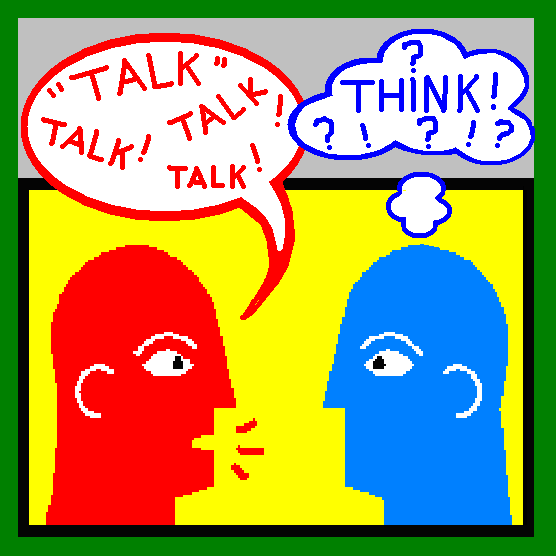
- 15Example
- 16Stress, rhythm, and intonationMost teachers and students understand the importance of accent. Unfamiliar accents can hinder comprehension. Also, intonation patterns are significant for interpreting questions, statements, emphasis, sarcasm, endearment, insult, solicitation, praise, etc.

- 17ExampleExample #1: My DAD was eating dinner when the phone rang.
Example #2: My dad was EATING dinner when the phone rang.
The first example focuses on the person. The second example focuses on the action. For the listener, stress helps predict the information that follows. - 18InteractionConversation is especially subject to all the rules of interaction. So, to learn to listen is also to learn to respond and to continue a chain of listening and responding.

- 19ExampleThe students can interact with listening activities as dialogues, interview, debate and other.

- 20ConclusionCommunication and language acquisition heavily depend on listening skills. With poor listening ability, we can't participate or continue a conversation. Spoken language has a number of characteristics that affects or blocks comprehension. As teachers is necessary guidance our students with different activities to develop listening process.
Information
- Description
- This exercise is to help students to understand the characteristics of listening skills.
- Created by
- Leidy Zúñiga · Oct 2018
- Updated
- Oct 1, 2018
- Views
- 92
- Tags
- Rating