
Flashcards
Microbiology
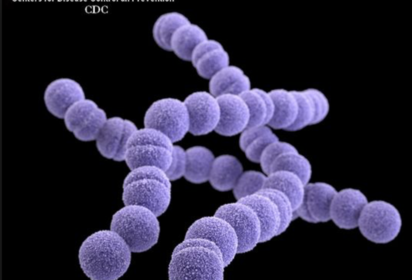
Cards in this deck (64)
- 1What type of structure does this bacteria have?Cocci
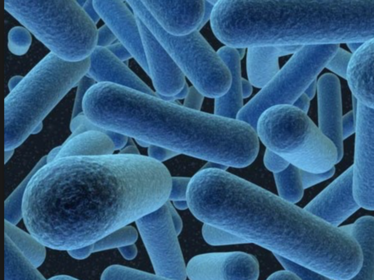
- 2What type of bacterial structure is this?Rod (Bacilli)
- 3What type of bacterial structure is this?Vibrio
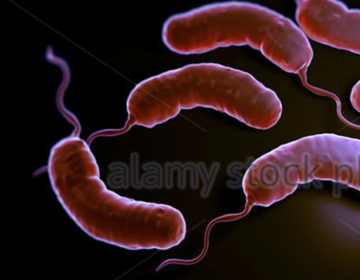
- 4What type of bacterial structure is this?Spiral

- 5How do cocci bacteria divide?division in one plane to produce a chain of 4 - 20 cocci OR in 3 planes to produce clumps
- 6Name one bacteria that forms cocci chainsSteptococcus
- 7Name one bacteria that forms cocci clumpsStaphlycocci
- 8Describe the Gram -ve bacterial wallMany layered wall with lipopolysaccharides and peptidoglycan
Stain pink - 9Describe the Gram +ve bacteriaNot as many layers but thicker layer of peptidoglycan
Stains purple - 10What is the difference between OBLIGATE anaerobes and aerobes ?Anaerobes - killed by oxygen
Aerobes - killed by lack of oxygen - 11What do A, B and C show in terms of haemolysis?A = beta
B = Alpha
C = no haemolysis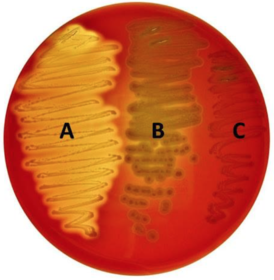
- 12What is virulence?The capacity that a bacteria has to cause harm to the host
- 13Give example of a fungal infectionoral candidiasis - thrush caused by the Candida group of fungi
- 14Give example of a protozoan infectionMalaria
- 15What Gram stain are Staph, Strep and Enterococcus?Gram +ve
- 16What Gram stain are Neisseria and Escherichia?Gram -ve
- 17What are the 2 Gram -ve bacteria that are pathogenic?meningitidis and gonorrhoeae
- 18What are some significant Gram -ve gut pathogens?Shigella, Salmonella, Verotoxin producing E. coli
- 19What is a coliform?A species of bacteria that is aerobic but can also grow anaerobically - and can grow on both gram film and blood agar. Most are normal flora.
- 20What happens if a coliform gets into a usually sterile place?Can cause serious infection - such as a UTI
- 21What is the first line antibiotic used in a coliform infection?Gentamicin
- 22How is fever produced?Antigen/endotoxin interacts with macrophages and T-cells. Cytokines and chemokine are released and travel to the brain and systemically. Prostaglandin E is released from the hypothalamus and resets the body's thermostat - perceives it is cold so starts to shiver. This conserves heat to increase chance of survival.
- 23What is normal body temp?37
- 24When is temperature termed 'feverish'?38
- 25What happens during sepsis?Blood vessels become leaky - lose fluid to tissues. Heart rate will increase due to lower blood volume and low oxygen perfusion so organs start to shut down - to try and maintain supply to brain.
Clotting system is activated = more clots in the smaller vessels and uses up the clotting factors - increased risk of haemorrhage. - 26Give 2 bacteria that can cause chest infections?Haemophulis influenzae (common) and Legionella pneumophila (environmental cause)
- 27What is the name of a common GI bacteria?Helicobacter pylori
- 28What is haemolysis only used for?Identification of streptococci
- 29What is pneumonia?Acute inflammation of the lungs due to the inhalation of certain bacteria (usually strep pneumonae- most common). Alveoli become filled with fibrous exudates
- 30Do most uk strains of Strep Pneumonae still respond to treatment with penicillin?YES
- 31Enterococci are not usually pathogenic but when entering sterile areas can cause infection e.g. UTI. How would you treat this?With amoxicillin as do not respond to penicillin
- 32Which out of Staph. aureus and Staph. epidermis can colonise better?Staph. epidermis (100% as apposed to 20%)
- 33What is the commonest cause of skin, soft tissue and wound infection?Staph. aureus
- 34What is a unique feature of Clostridium?Can produce spores which can last for several months outside of the body.
- 35What does C.difficile cause?diarrhoea, nausea, fever, abdominal pain
- 36What is C.difficile infections linked to?Antibiotic therapy as can take control in the absence of normal body flora.
- 37How do Toxins A and B (released by C. difficile) cause diarrhoea?Internalised by epithelial cells and impair epithelial cell function
- 38Can viruses contain both RNA and DNA at the same time?Nope - can contain either but not both
- 39What is the general structure of a virus?Nucleiic acid, protein coat, envelope and protein spikes that protrude from the envelope.
- 40How do viruses replicate?Will enter a host cell either by endocytosis or ligand-receptor mechanism. The protein coat will degrade, releasing the nucleic acid into the nucleus. The host's ribosomes are used to replicate nucleic acid and code for more protein coats. These assemble to form more virus capsules.
- 41How does virus leave a host cell?Lysis or budding
- 42Are antibiotics used against viruses?no as these normally target either bacterial cell wall, ribosomes or other structures and viruses have few of these.
- 43What do antiviral drugs target?nucleic acid polymerases, other enzymes involved in nucleic replication etc, uncaring, attachment and entry and release.
- 44What can occur if a virus becomes inactive in replication?Causes a lull in symptoms but it can reactivate such as in the herpes simplex virus
- 45What can happen if a virus remains active for many years?Chronic infection - can be asymptomatic for a long time before life-threatening problems arrive
- 46What are the first and second antibodies to respond to a viral infection?IgM = first
IgG = second - 47How would you detect a viral infection?PCR and antigen detection
- 48What is the difference between bactericidal and bacteriostatic antibiotics?-cidal = kill bacteria
static = inhibits growth of the bacteria - 49What is narrow spectrum?Antibiotic only works on a few strains of bacteria. e.g penicillin against Gram +ve
- 50What is broad spectrum?Will work on a wide range of bacteria e.g. tetracycline acts against many Gram +ve and -ve bacteria.
- 51HIn the urine or via the liver, billiard tract and out into the faeces.
- 52What will antibiotics target?Cell wall, ribosomes, metabolic pathway, DNA gyrases and DNA replication
- 53What are the drug types that act on the cell wall?Beta-lactams (penicillins) and Glycopeptide antibiotics
- 54Name some beta-lactam antibioticsPenicillins (amoxicillin, flucloxicillin, co-amoxiclav)
Cephalosporins (Ceftriaxone) - 55What is a type of glycopeptide?vancomycin
- 56What penicillin would you use to work against Gram +ve bacteria?Flucloxicillin
- 57What penicillins would you use to combat a broad spectrum infection?Amoxicillin
Co-amoxiclav - 58WRapid excretion by the kidneys
- 59Are glycopeptides bacteriostatic or bactericidal?Bactericidal
- 60Can glycopeptides work against gram -ve bacteria?NO - excluded by the outer membrane
- 61Are antibiotics that inhibit protein synthesis bactericidal or bacteriostatic?Tetracylines and macrocodes are static
Aminoglycosides are cidal - 62Give example antibacterials that can inhibit bacterial protein synthesistetracyclines = deoxycyline
amino glycoside = gentamicin - 63FMetronidazole, fluroquinolones (cidal)
- 64How can bacteria become resistant to antibacterials?Impermeable barriers, efflux systems, modification of the binding site for drugs and inactivating enzymes
Information
- Description
- Medicine (Principles) Flashcards on Microbiology, created by Zoe Blackburn on 16/03/2017.
- Created by
- Zoe Blackburn
- Views
- 4
- Rating