
Flowchart
review
Flowchart content
REVIEW
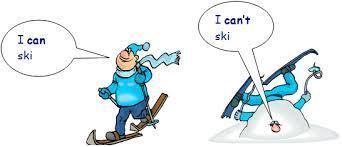
CAN
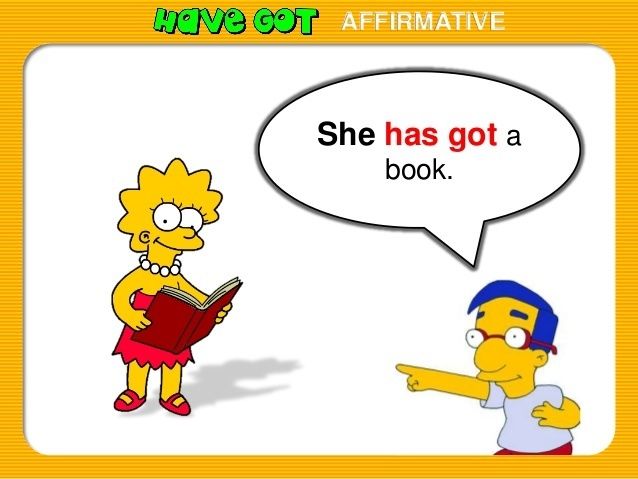
HAVE/HAS GOT
PLURALS
POSSESSIVE CASE
We use has got in the 3rd person singular (he,she, it), and we use have got with all other persons.
STRUCTURES:
+: Subject - have/has got - predicate
-: Subject - have not/ has not got - predicate
?: Have/has - subject - got - predicate
+ example:
I have got two dogs and a cat.
- example:
You haven't got black wavy hair.
? example:
- Has she got fair skin and freckles?
- Yes, she has.
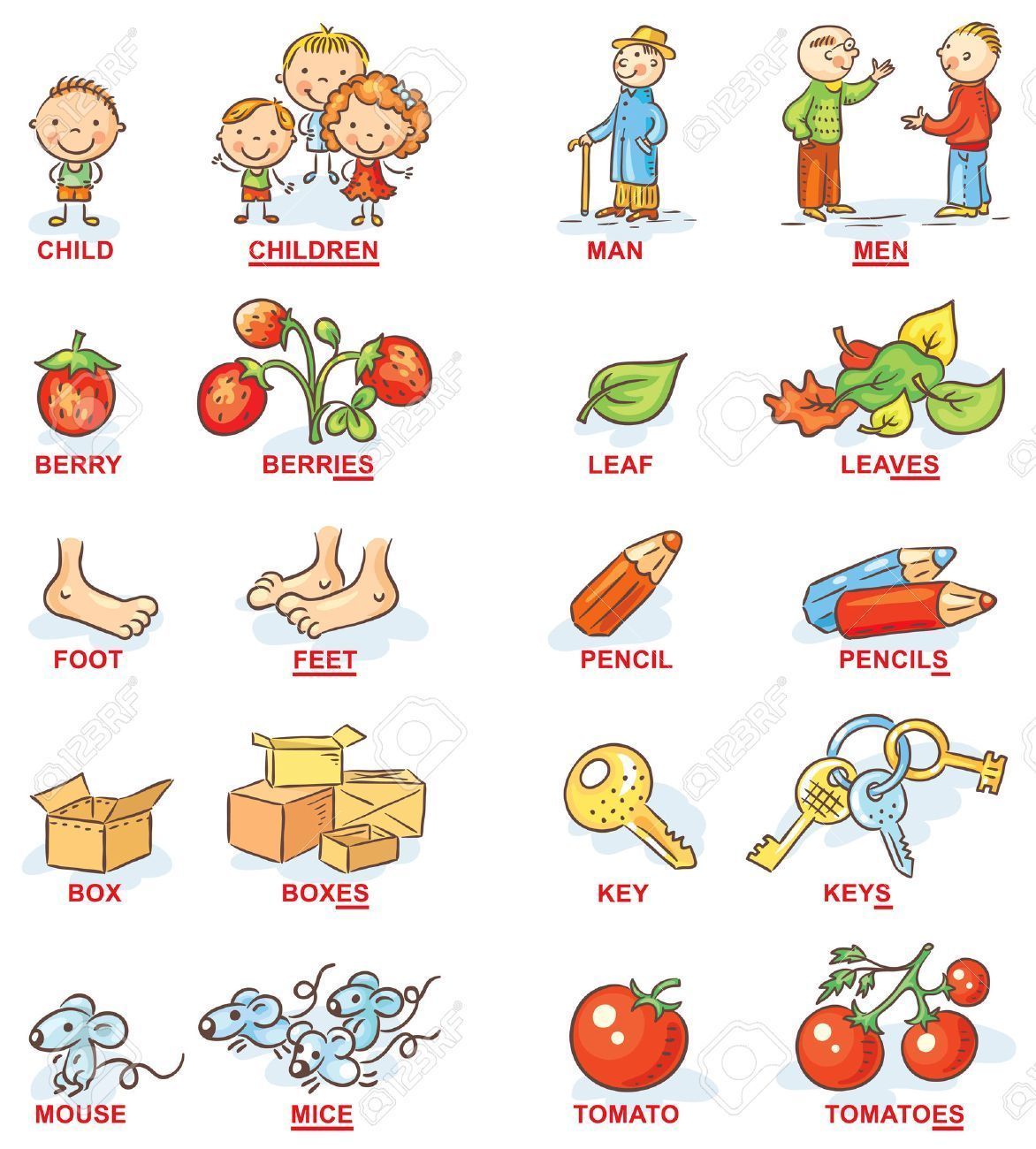
RULES FOR MAKING PLURALS:
1. To make regular nouns plural, add ‑s to the end
2. If the singular noun ends in ‑s, -ss, -sh, -ch, -x, or -z, add ‑es to the end to make it plural.
3. Singular nouns ending in -s or -z, require that you double the -s or -z prior to adding the -es for pluralization
4. If the noun ends with ‑f or ‑fe, the f is often changed to ‑ve before adding the -s
5. If a singular noun ends in ‑y and the letter before the -y is a consonant, change the ending to ‑ies
6. If the singular noun ends in -y and the letter before the -y is a vowel, simply add an -s
7. If the singular noun ends in ‑o, add ‑es to make it plural.
IF NONE OF THIS RULES APPLY TO A NOUN, IT MEANS THAT IT IS AN IRREGULAR NOUN.
EXAMPLES FOR EACH RULE:
1. cap - caps
2. watch - watches
3. dress - dresses
4. wolf - wolves
5. hoody - hoodies
6. boy - boys
7. tomato - tomatoes
EXAMPLES OF IRREGULAR NOUNS:
child - children
woman - women
goose - geese
mouse - mice
The possessive case shows ownership. With the addition of ’s (or sometimes just the apostrophe), a noun can change from a simple person, place, or thing to a person, place, or thing that owns something.
You’ve got Chis’ sunglasses.
You’ve got Chis’s sunglasses.
Has she got James’ skateboard?
Has she got James’s skateboard?
Have you got Jess’ number?
Have you got Jess’s number?
He has got Mr. Jones' address.
He has got Mr. Jones's address.
THEY ARE BOTH CORRECT!!!
This verb makes general statements about abilities OR about things that are possible.
In its negative form, it denies abilities and makes statements abour impossibilities.
STRUCTURES:
+: Subject - can - predicate
-: Subject - can not - predicate
?: Can - subject - (not)* - predicate
*You add -not- when making a negative question.
+ EXAMPLE:
I can learn languages easily.
- EXAMPLE:
He can't swim fast.
? EXAMPLE:
Can you please walk faster?
Information
- Description
- FIRST PARTIAL REVIEW/SYNTHESIS
- Created by
- Miranda Rosales · Oct 2018
- Updated
- Oct 3, 2018
- Views
- 4
- Rating