
Mind map
Software Development Methodologies
Map content
Software Development Methodologies
·
- PROCESS
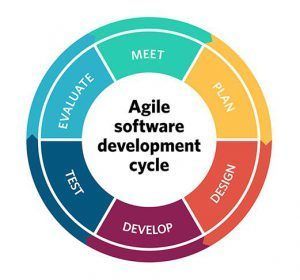
- A business unit contacts a software company, requesting assistance to create a software to enable proficiency among customers and employees. The software company reviews the ideas and visions the business is seeking. A program manager, also known as a scrum master, organizes the thoughts and begins to disseminate the information to the respective developer sections to commence work. When each section has completed their tasks, they collaborate, then present the finished product (Sacolick, 2018).
- Advantages
- The scrum master holds all departments liable and keeps them on track
- Disadvantages
- The sections don't collaborate as much as they should.
- PROCESS
·
- Process
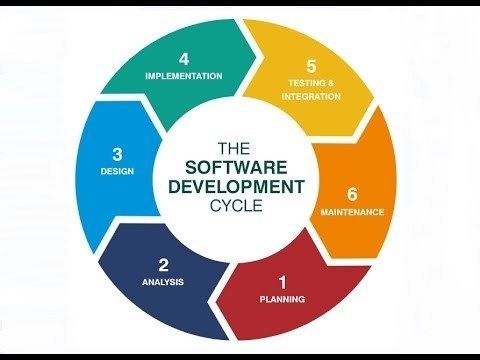
- Business Analyst collects the requirement from the Customer/Client as per the clients business needs and documents the provisions in the Business Requirement Specification and provides the same to Development Team. Once the requirement gathering and analysis is done, the next step is to define and document the product requirements and get them approved by the customer. Then it goes to the design team, which has two pahses. The High-Level Design (HLD), which gives the architecture of the software product to be developed and is done by architects and senior developers. The Low-Level Design (LLD) It is done by top developers. It describes how each and every feature in the product should work and how every component should work. When the design team completes their due diligence, the testing phase begins. After successful testing, the product is delivered/deployed to the customer for their use (Rajkumar, 2018).
- Advantages
- The SDLC is a more thorough process and rids most possibilities of selling a faulty product
- Disadvantages
- It may take longer to produce a product.
- Process
·
- Process
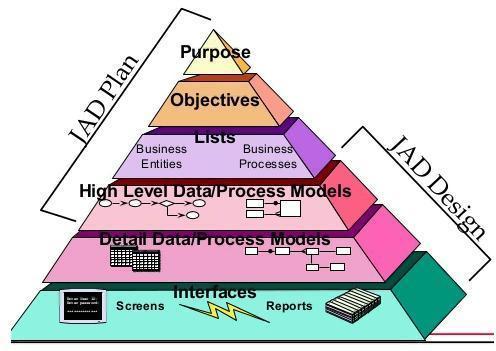
- JAD (Joint Application Development) is a methodology that involves the client or end user in the design and development of an application, through a succession of collaborative workshops called JAD sessions. JAD is thought to lead to faster development times and higher client satisfaction because the client is involved throughout the development process (Rouse, 2018).
- Advantages
- The software development is personal and hands-on with the customer. Additionally, it's a faster process.
- Disadvantages
- It may be a disadvantage to have the customer involved. The customers may think they know what is best, during the developing phase; however, the developers are the subject matter experts, and know how to portray what the customer wants.
- Process
·
- Process
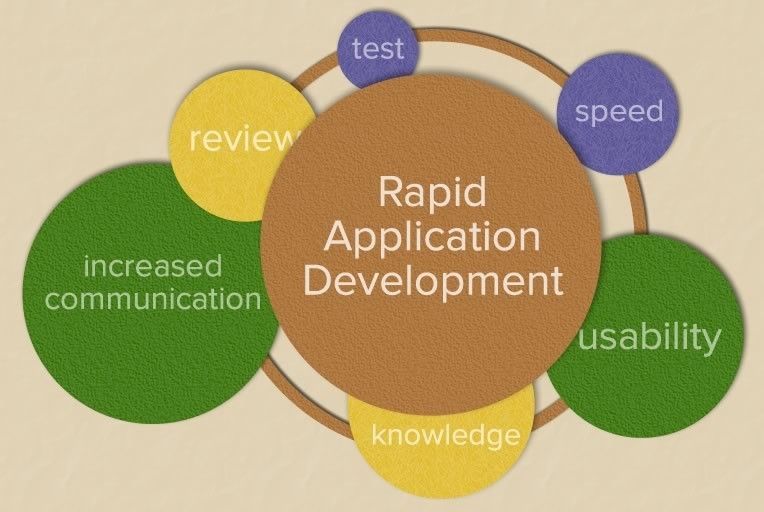
- Rapid Application Development (RAD) focuses on gathering customer requirements through workshops or focus groups, early testing of the prototypes by the customer using iterative concept, reuse of the existing prototypes (components), continuous integration and rapid delivery. RAD is a software development methodology that uses minimal planning in favor of rapid prototyping ("SDLC RAD Model", 2018).
- Advantages
- The RAD process is cheaper and faster for software developers. The developers use and reuse system tools to create software for other customers.
- Disadvantages
- The process is less rigid. The end product may not be satisfactory for the customer.
- Process
Images and files in the map
Information
- Description
- Mind Map on Software Development Methodologies, created by Lucas Baker on 05/08/2018.
- Created by
- Lucas Baker
- Views
- 0
- Rating