
Mind map
BASIC CPR
Map content
BASIC CPR
CPR
- Emergency procedure to save lives that is used when the person has a CPA
- Can maintain the flow of oxygenated blood to the brain and other vital organs until a more definitive medical treatment can restore normal heart rhythm
- Emergency procedure to save lives that is used when the person has a CPA
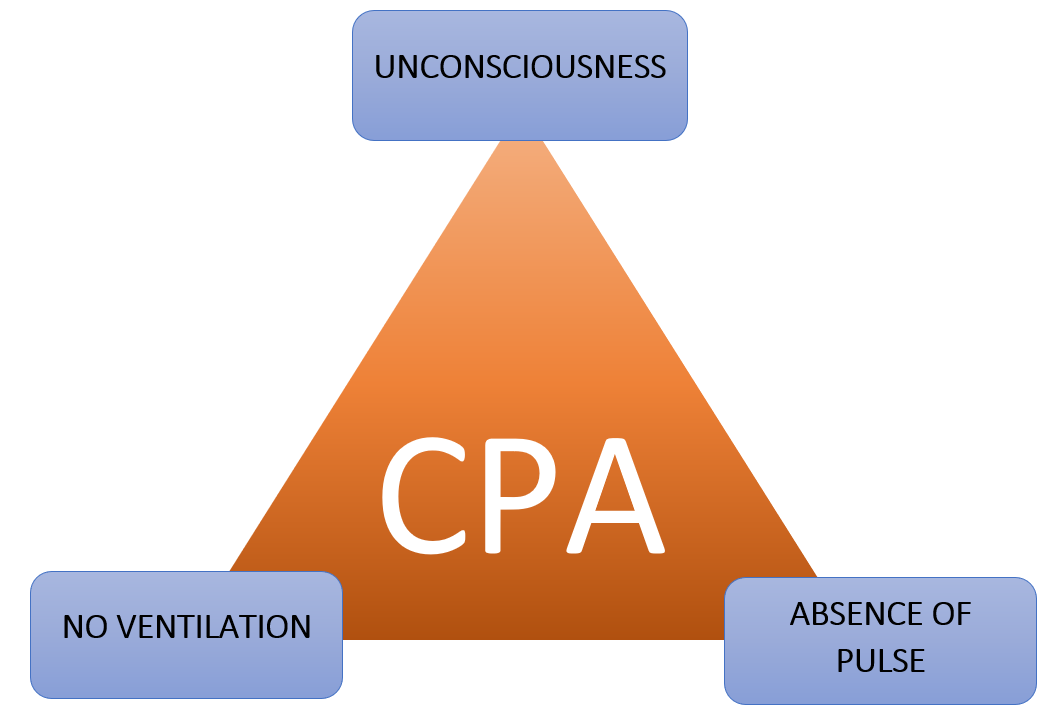
CPA
- Is the cessation of cardiac and respiratory functions, when the body cells and tissues stop receiving the oxygen and nutrients needed to sustain life.
TIPS FROM THE AMERICAN HEART ASSOCIATION
- Lack of trainning
- If you do not have CPR training, just practice cardiopulmonary resuscitation with your hands
- do chest compressions without interruption from 100 to 120 per minute until the lifeguards arrive
- It is not necessary to provide rescue breathing
- do chest compressions without interruption from 100 to 120 per minute until the lifeguards arrive
- If you do not have CPR training, just practice cardiopulmonary resuscitation with your hands
- Training and preparation
- Check if the person has a pulse and breathes
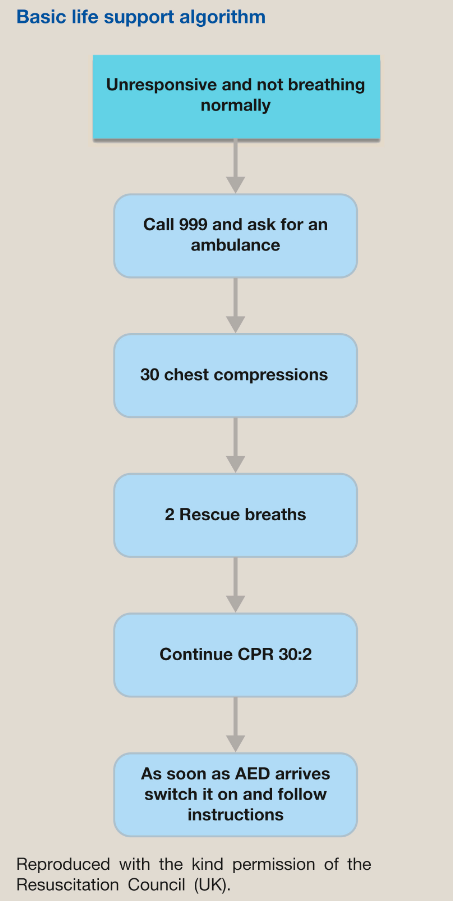
- If the person does not breathe or has no pulse in 10 seconds, start the chest compressions
- 30 chest compressions before giving two rescue breaths
- If the person does not breathe or has no pulse in 10 seconds, start the chest compressions
- Check if the person has a pulse and breathes
- Training, but lack of practice
- Just do chest compressions at a rate of 100 to 120 per minute
- Lack of trainning
STEPS TO FOLLOW
- 1. Evaluation and security of the scene
- Ensure that the situation is safe for you and the victim
- Stay away from avenues, landslides, fires or any other place of risk
- Ensure that the situation is safe for you and the victim
- 2. Activate emergency response system
- Take the patient from the shoulders and move him or her vigorously ask
- Are you ok?
- Do you listen me?
- Can you listen me?
- If the person does not answer
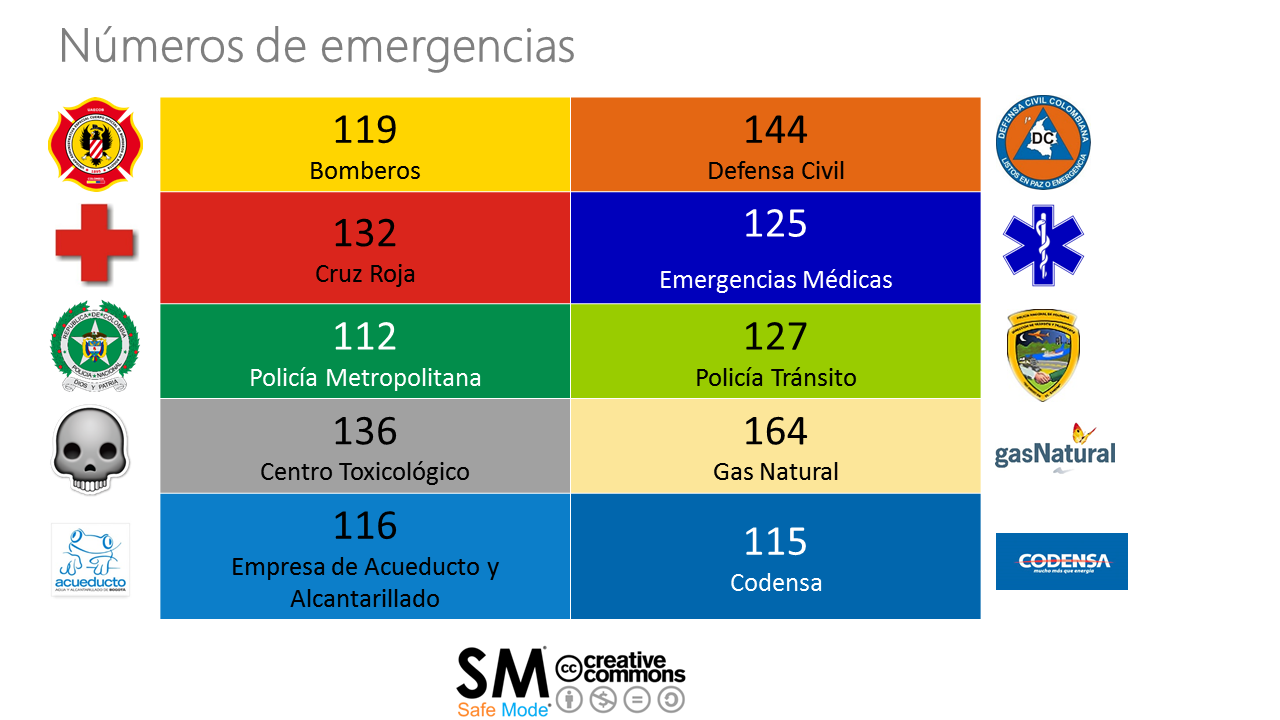
- call emergency numbers requesting an ambulance
- Check if the victim does not breathe or does so with abnormality (gasping / agonal breathing) and if there is no pulse <10 seconds Start CPR
- Take the patient from the shoulders and move him or her vigorously ask
- CPR
- Ventilations
- Respiratory tract
- Open the airway
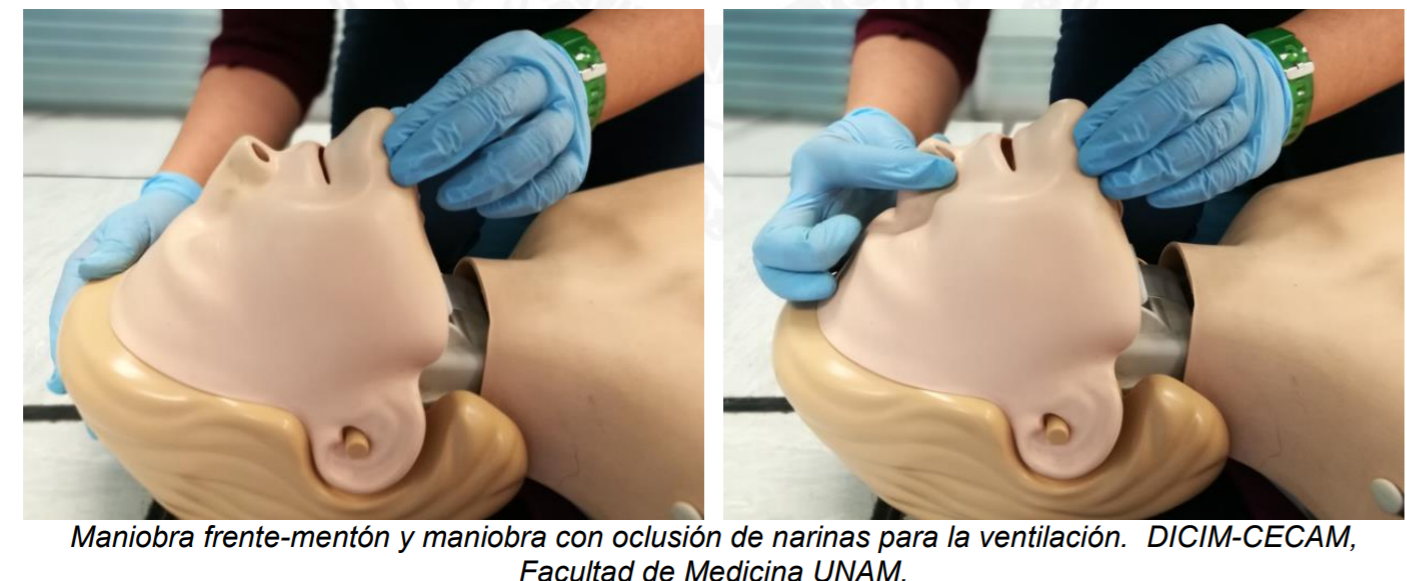
- Front-chin maneuver
- head extension + chin lift = sniff position
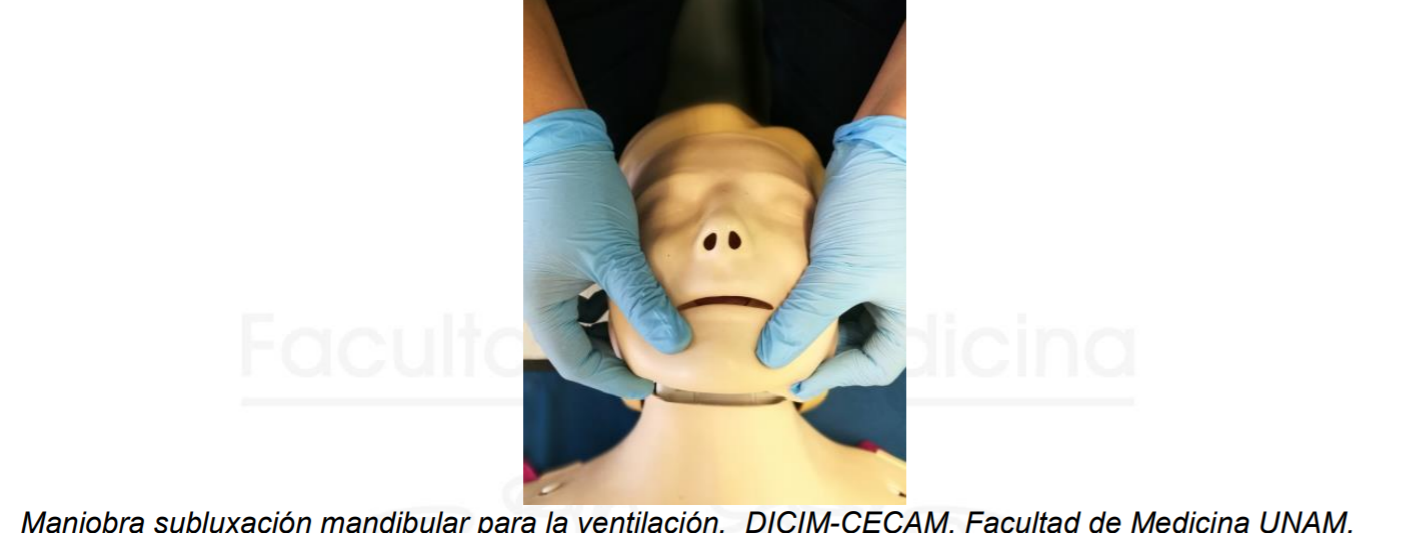
- Mandibular subluxation
- mandibular traction
- two rescuers are needed, one for mandibular traction and the other for administering ventilations
- Use only in case the victim suffers a cervical or cranial injury.
- mandibular traction
- Front-chin maneuver
- Open the airway
- Breaths
- Rescue breathing can be mouth to mouth or mouth to nose if the mouth is severely injured or if it can not be opened
- 1. Close the nostrils with your fingers to do mouth-to-mouth breathing and cover the person's mouth with your own, sealing it completely
- 2. The first rescue breathing - a second of duration
- see if the chest rises
- If it actually rises, provide the second breath
- f the chest does not rise, open the airway correctly, and then provide the second breath
- 3. Resume chest compressions to restore circulation
- 4. Continue cardiopulmonary resuscitation until you notice signs of movement or until emergency medical personnel take control
- see if the chest rises
- 2. The first rescue breathing - a second of duration
- Respiratory tract
- Chest compressions
- Restores blood circulation
- 1. Place the victim in a flat and firm surface in dorsal decubitus
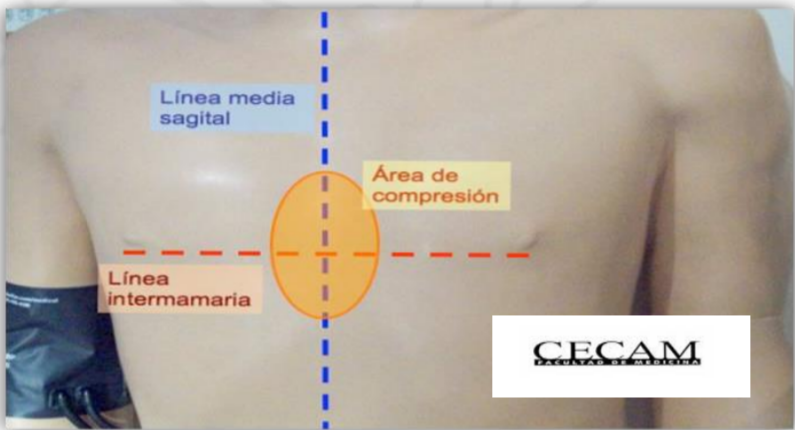
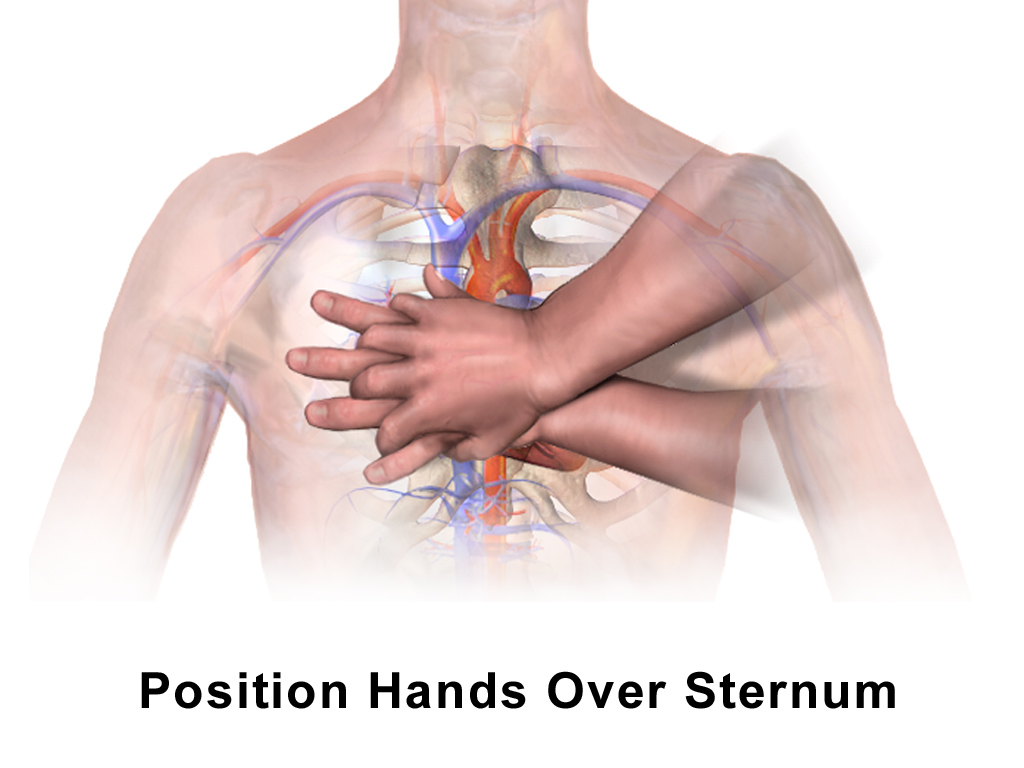
- 2. Stand aside from the victim place the tenar and hypothenar region of one hand over the center of the victim's orax in the lower half of the sternum
- 3. Place the other hand on top of the first, place the firm arms well extended, and place the shoulders directly on the hands to form a 90 degree angle
- Compress firm and fast
- sink the thorax at least 5 cm maximum 6 cm with each compression
- Apply pressure in a straight line on the sternum of the victim
- Minimum frequency 100-120 compressions per minute
- Allow full expansion of the thorax
- Compress firm and fast
- 3. Place the other hand on top of the first, place the firm arms well extended, and place the shoulders directly on the hands to form a 90 degree angle
- 2. Stand aside from the victim place the tenar and hypothenar region of one hand over the center of the victim's orax in the lower half of the sternum
- Ventilations
- 1. Evaluation and security of the scene
Images and files in the map
Information
- Description
- Mind Map on BASIC CPR, created by María del Pilar Torres on 02/10/2018.
- Created by
- María del Pilar Torres
- Views
- 2
- Rating