
Mind map
Bacterial Pathogenesis 4
Map content
Bacterial Pathogenesis 4
Types of damage
- Direct
- Metabolic
- Cytolytic
- Signalling/apoptosis
- Extracellular enzymes
- Digestion for substrates for growth, streptokinase (fibrin) and hyaluronidase for invassion, tooth decay
- Immunopathology 'HYPERSENSITIVITY"
- I. Anaphylactic: IgE, mast cells, allergen
- II. Cytotoxic: Ig binding circulating elements (foreign)
- III. Immune Complex: deposition in tissues e.g. glomerulonephritis
- IV. Delayed type (cell-mediated: CD4+, NK, M'phage e.g. TB skin test
- Autoantibodies (II) e..g lupus, RA
- Toxins
- Exotoxins
- Membrane-damaging
- Enzymatic (phospholipase C) or pore-forming (Staph a-toxin)
- Cellular modifying
- AB toxins, A= active subunit (toxic), B= binding subunit (attachment + entry)
- Internalised and A expresses activity in cytoplasm
- E.coli Labile Toxin, pore forming, andenylate cyclase, cAMP, release of ions, diarrhoea. Shiga-like Toxin binds glycolipids, internalised, cleaves a bond of ribosomes preventing protein synthesis; neurotoxic, alters vascular permeability, induces enterocyte fluid loss
- C. diphtheria toxin, inactivates aa transfer + protein synthesis- death
- Neurotoxic Clostridium toxins activated by proteolysis, internalised and inactivate release mechanisms by for neurotransmitters
- AB toxins, A= active subunit (toxic), B= binding subunit (attachment + entry)
- Membrane-damaging
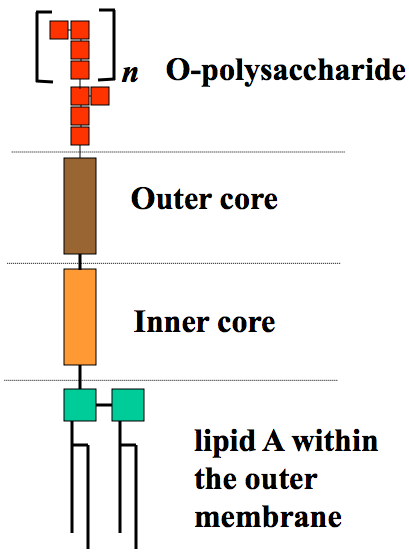
- Endotoxins
- LIPOPOLYSACCHARIDE (LPS) of G-ve bacteria, released by bacteriolysis interacts and causes inflammatory mediator release can produce fever, shock, death
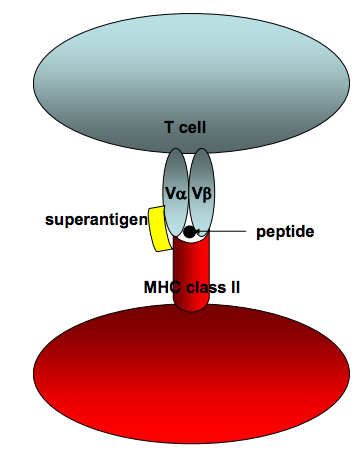
- Superantigens
- non-specifically activate lyphocytes (Step + Staph) bind MHC class II-> proliferation
- Aggresins + Modulins: intrinsic/extracellular factors- activate + modify immune response
- Fungal Exotoxins
- 2' metabolites: ingested and absorbed-> hepatotoxicity, mucosal haermorrhage, immunosuppression, carconogenesis
- Exotoxins
- Direct
Possible outcomes
- Acute
- Excretion followed by recovery/death, may be eliminated before specific immune response
- Chronic
- Excretion- recovery/death
- Asymptomatic
- Latency
- e.g. non-replicative phase, reactivate with predisposing circumstances
- No clinical signs, may persist after clinical recovery, may be onfined in tissue but be triggered e.g. TB, may excrete pathogens
- Latency
- Resolution
- Complete recovery
- Recovery with persistent damage
- Persistance + carriage
- Death
- Acute
Factors that influence outcome
- Bacterial
- Virulence/factors produced
- Cytotoxins, superantigens, inasions etc
- Global regulators, mutations in loci
- Virulence/factors produced
- Host
- Genetic e.g. receptor molecule polymorphisms
- Existing infections (modulate immune system)
- Diet, general health, stress, age
- Environmental
- Weather/climate, crowding, hygiene
- Local-> systemic
- Control: management+husbandry, specific antimicrobial chemotherapy, immunotherapy, vaccination, quarantine/culling, control of vectors
- Bacterial
Images and files in the map
Information
- Description
- Mind Map on Bacterial Pathogenesis 4, created by Gemma Davies on 04/03/2015.
- Created by
- Gemma Davies · Mar 2015
- Updated
- Feb 19, 2016
- Views
- 0
- Rating