
Mind map
Vitamins

Map content
Vitamins
Organic substances, essential in the diet in low concentrations that are involved in functions fundamentals of the body
- Characteristics
- They fulfill functions Metabolic
- They are not used as energy substratess
- Cases of intake
- Hypervitaminosis
- Additional intake of vitamins
- Vitamin concentration above recommended
- Additional intake of vitamins
- Hypovitaminosis
- Vitamin shortage in the body
- Vitamin concentration below recommended
- Vitamin shortage in the body
- The basal requirement varies according
- Age
- Sex
- Physical activity
- Work activity
- Stations year
- Hypervitaminosis
- Characteristics
Types
- Fat soluble
- General properties
- For its absorption it needs fatty acids and the union with chylomicrons
- Slow absorption
- Absorption in the small intestine, jejunum
- Need albumin for transport
- They can be stored in the body
- Toxic
- Longer half-life
- Does´nt participate as co-enzymes
- Take action for specific actions
- Slow elimination from the body
- For its absorption it needs fatty acids and the union with chylomicrons
- Physico-chemical properties
- Thermosets
- They tolerate between 50 - 60 C
- Photosensitive
- It is degraded by ultraviolet light
- Gamma rays
- X-rays
- It is degraded by ultraviolet light
- PH resistance
- They resist up to a pH of 4 acid without degrading
- In basic PH 8 it begins to degrade
- Thermosets
- Constituted by
- Vitamin A (Retinol)
- Food sources
- Meat
- Milk
- Eggs
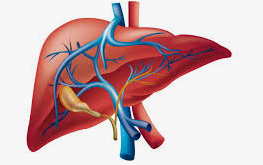
- Liver
- Butter
- Frutas y verduras rojas o amarillas
- Papaya
- Carrot
- Auyama
- Pimentones
- Diseases and symptoms due to shortages (hypovitaminosis)
- Xerophthalmia
- Dry Eye
- Night blindness
- Decreased sensitivity to reduced light
- Xerophthalmia
- Diseases or symptoms due to excesses (hypervitaminosis)
- Hepatic toxicity
- Symptoms
- Sickness
- Jaundice
- Anorexy
- Irritability
- Symptoms
- Hepatitis
- During pregnancy it is teratogenic
- It is recommended that pregnant women decrease their intake of foods that contain a high concentration of Vitamin A
- Hepatic toxicity
- Transition states
- Cis
- Trans
- Retinaldehyde form of retinol
- They arise from the transformation of retinoic acid
- Functions
- Differentiation of epithelia
- The exchange occurs in the epithelia of the cornea
- Vision functions
- Incorporation into the pigments responsible for the perception of light in the eye
- Acts as an antioxidant
- Helps in the formation of hormones
- Differentiation of epithelia
- Characteristics
- Fat soluble
- Photosensitive
- Thermostable
- Storage in
- Liver
- Food sources
- Vitamin D (Calciferol)
- Characteristics
- Fat soluble
- Photosensitive
- Thermostable
- Storage in
- Kidney
- Activation in
- Liver
- Kidney
- It is an endogenous vitamin since we can produce it on our own
- Sources of obtaining
- Exposure to sunlight
- Dairy products
- Diseases and symptoms due to shortages (hypovitaminosis)
- Raquitismo
- Weakening and deformation of children's bones
- Type 1
- The enzyme that activates vitamin D is the one that has a deficit in its functioning
- Causes in children
- Genu varo
- Deformity in the lower extremities with external angulations
- Genu valgo
- Deformity in the lower extremities with internal angulations
- Genu varo
- Causes in children
- The enzyme that activates vitamin D is the one that has a deficit in its functioning
- Type 2
- The Vitamin D receptor is deficient
- Type 1
- Weakening and deformation of children's bones
- Osteoporosis
- Weakness and fragility in the bones
- Osteomalacia
- Disease that affects the mineralization of the bones causing pain and fractures
- Raquitismo
- Diseases or symptoms due to excesses (hypervitaminosis)
- Hypercalcemia
- Calcifications
- Arterial hypertension
- Forms
- Exogenous form
- Ergocalciferol (Vitamin D2)
- They become in calcitriol
- Ergocalciferol (Vitamin D2)
- Endogenous form
- Colecalciferol (Vitamin D3)
- Active form
- Calcitriol
- Exogenous form
- Functions
- Promotes intestinal absorption of calcium
- Helps maintain bones in their optimal state
- Contributes to the normal functioning of the immune system
- Helps the movement of different muscle groups
- Essential for the production of proteins and calcium
- Characteristics
- Vitamina E (Tocoferol)
- Características
- Fat soluble
- Photosensitive
- Intermediate thermostability
- Storage in
- Adipose tissue
- Cellular membrane
- Endoplasmic reticulum
- Mitochondria
- Forms
- Tocoferol
- Most used way
- Tocotrienol
- Tocoferol
- Food sources
- Vegetable oils
- Almonds
- Walnuts
- Seeds
- Vegetables
- Eggs
- Meat
- Liver
- Diseases and symptoms due to shortages (hypovitaminosis)
- Eye sight problems
- Difficulty or unsteady for walk
- Slow reflexes
- Muscular weakness
- Diseases or symptoms due to excesses (hypervitaminosis)
- Sickness
- Diarrea
- Fatigue
- Functions
- Prevents the oxidation of lipoproteins such as LDL
- Reduces the risk of atherosclerosis
- Neutraliza radicales libres de oxígeno tipo Ross
- Capture
- OH
- O2
- Neutralize
- Oxygen singlete (1O2)
- Hydrogen peroxide (H2O2)
- Prevents oxidative stress
- Capture
- Generates tissues
- Intervenes in fertility in a positive way
- Prevents the oxidation of lipoproteins such as LDL
- Características
- Vitamina K (Filoquinona)
- Características
- Thermostable
- Photosensitive
- Fat soluble
- Resists the PH of the stomach
- Stores
- Liver
- It is a semi-essential vitamin, which is produced by probiotics
- Probiotics are bacteria or microorganisms acquired in childhood
- The synthesis of vitamin K can be helped by the intake of
- Basil
- Foliar vegetables
- Lettuce
- Spinach
- Chard
- Basil
- Formas
- Menaquinona
- Menadiol
- Vitamin K as a pharmacist
- Menadiol diacetate
- Vitamin K as a pharmacist
- Variations
- K1
- Help with clotting
- K2
- Help for bone mineralization
- K1
- Diseases and symptoms due to shortages (hypovitaminosis)
- Osteoporosis
- Hemorrhagic disease of the newborn
- Bruising
- Clotting problems
- Diseases or symptoms due to excesses (hypervitaminosis)
- Hemolytic anemia
- Neurological conditions in infants.
- Liver problems
- Functions
- Controls the formation of clotting factors
- Factor II (Protrombina)
- Factor VII
- Factor X
- Factor IX
- Regulates blood clotting
- It is an essential cofactor for the carboxylation of glutamic acid residues
- Controls the formation of clotting factors
- Características
- Vitamin A (Retinol)
- General properties
- Water soluble
- General properties
- Easy distribution through the bloodstream
- Less complex absorption
- In the small intestine
- Are not stored
- Less risk of toxicity
- Show deficiencies more easily
- They all work almost like coenzymes
- Constituted by
- Vitamin C (Ascorbic acid)
- Functions
- Generates collagen
- Promotes the cicatrization
- Promotes the formation of the supportive tissue
- Helps to repair the deterioration in bones or teeth
- Acts as an antioxidant
- Helps to protect the cells against damage caused by free radicals
- Essential for the normal functioning of blood vessels
- Food sources
- Kiwi
- Mango
- Papaya
- Broccoli
- Cauliflower
- Diseases and symptoms due to shortages (hypovitaminosis)
- Scurvy
- Inflammation and bleeding of the gums
- Bleedings
- Hair loss
- Bruises
- Hemorrhage
- Scurvy
- Diseases or symptoms due to excesses (hypervitaminosis)
- Stomache
- Diarrhea
- Abdominal cramps
- Vomiting
- Functions
- Vitamin B1 (Tiamina)
- Use as a coenzyme
- Thiamine pyrophosphate
- Transfer groups of aldehydes to other molecules
- Thiamine pyrophosphate
- Functions
- Contributes to regulate
- Nervous system
- Myocardium
- Increase
- Participates in the transport of sodium.
- It is involved in the metabolism of carbohydrates.
- Collaborates in the synthesis of fatty acids.
- Participates in chemical reactions of cellular respiration
- Contributes to regulate
- Diseases and symptoms due to shortages (hypovitaminosis)
- Diarrea
- Weightloss
- Peripheral nerve degeneration
- Brain blood flow is reduced
- Vascular resistance increases.
- Wernicke-Korsakoff syndrome
- Cardiovascular beriberi
- Food sources
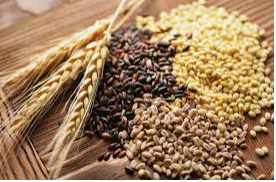
- Integral products
- Eggs
- Nuts and seeds.
- Legumes and peas
- Beef and pork.
- It does not produce toxicity in the body
- Use as a coenzyme
- Vitamin B2 (Riboflavina)
- Use as a coenzyme
- Flavin coenzyme
- Participates in oxidation-reduction reactions
- Flavin coenzyme
- Food sources
- Dairy product
- Eggs
- Green leafy vegetables.
- Lean meats
- Vísceras
- Liver
- Kidney
- Functions
- Helps in the maintenance of mucous membranes
- Helps in the production of red blood cells
- Helps transport oxygen
- Helps maintain the nervous system
- Helps to maintain the skin
- It does not produce toxicity in the body
- Diseases and symptoms due to shortages (hypovitaminosis)
- Mouth ulcers
- Glossitis
- Skin lesions
- Anemia
- Use as a coenzyme
- Vitamin B3 (Niacina)
- Use as a coenzyme
- Nicotidamide
- Molecule with oxidation-reducing capacity
- Nicotidamide
- Food sources
- Milk
- Eggs
- Fish
- Lean meats
- Functions
- Allows the synthesis of coenzymes
- NAD
- NADH
- Contributes to the improvement of the circulatory system.
- Important for converting food into energy
- Intervenes in the functioning of the digestive system
- Allows the synthesis of coenzymes
- Diseases or symptoms due to excesses (hypervitaminosis)
- Liver toxicity
- Headaches
- Intestinal cramps
- Peptic ulcer
- Diseases and symptoms due to shortages (hypovitaminosis)
- Pelagra
- Fatigue
- Memory loss
- Use as a coenzyme
- Vitamin B5 (Pantothenic acid)
- Use as a coenzyme
- Coenzyme A
- Important for oxidative oxidation
- Coenzyme A
- Food sources
- Liver
- Avocado
- Mushrooms
- Functions
- In charge of purifying and detoxifying the body
- Fatty acid oxidation
- In the oxidative decarboxylation of pyruvic acid
- Diseases and symptoms due to shortages (hypovitaminosis)
- Short bowel syndrome with chronic diarrhea
- Parestesia
- Irritability
- Diseases or symptoms due to excesses (hypervitaminosis)
- May cause diarrhea
- Use as a coenzyme
- Vitamin B6 (Piridoxina)
- Use as a coenzyme
- Pyridoxal phosphate
- Transfer of amino groups
- Pyridoxal phosphate
- Food sources
- Banana
- Walnuts
- Vegetables
- Functions
- Important in metabolism
- Amino acids
- Glycogen
- Important in the action of steroid hormones
- Important in the action of steroid hormones
- Helps the immune system to produce antibodies
- Important in metabolism
- Diseases and symptoms due to shortages (hypovitaminosis)
- Dermatitis
- Anemia
- Glositis
- Diseases or symptoms due to excesses (hypervitaminosis)
- Sensory neuropathy
- Joint numbness.
- Use as a coenzyme
- Vitamin B8 (Biotina)
- Use as a coenzyme
- Biocytin
- Carboxylation reactions
- Biocytin
- Food sources
- Eggs
- Vegetables
- Cereals
- Functions
- Important coenzyme function for carboxylases and decarboxylases
- Promotes the formation of glands that generate hormones
- Helps in the formation of the dermis
- Diseases and symptoms due to shortages (hypovitaminosis)
- dermatitis
- Dry mouth
- Diseases or symptoms due to excesses (hypervitaminosis)
- Diarrhea
- Use as a coenzyme
- Vitamina B9 (Ácido fólico)
- Use as a coenzyme
- Tetrahydrofolate
- Involved in carbon transfer
- Tetrahydrofolate
- Food sources
- Whole grains
- Meat
- Spinach
- Functions
- Involved in cell multiplication
- Intervenes in the development of the nervous system
- Important for the formation of red blood cells and DNA
- Diseases and symptoms due to shortages (hypovitaminosis)
- Megaloblastic anemia
- Growth retardation
- Glositis
- Diseases or symptoms due to excesses (hypervitaminosis)
- Vitamin B12 deficiency
- Use as a coenzyme
- Vitamin B12 (Cobalamina)
- Use as a coenzyme
- Cobalamin coenzyme
- Acts in alkylation reactions
- Cobalamin coenzyme
- Food sources
- It is only found in foods of animal origin
- Red meat
- Liver
- It is only found in foods of animal origin
- Functions
- Essential in DNA and RNA synthesis
- Essential for the formation of red blood cells
- Acts in the regeneration of tissues
- Diseases and symptoms due to shortages (hypovitaminosis)
- Pernicious anemia
- Numbness of arms and legs
- Diarrea
- Diseases or symptoms due to excesses (hypervitaminosis)
- Insuficiencia cardiaca
- Formation of blood clots
- Vision problems
- Use as a coenzyme
- Vitamin C (Ascorbic acid)
- Physico-chemical properties
- Thermostable
- They tolerate between 40-50
- They resist the pH of the stomach
- PH 4
- Photostable
- Thermostable
- General properties
- Fat soluble
Images and files in the map













Information
- Description
- Mind Map on Vitamins, created by Jose Gabriel Zabala Quintero on 19/09/2020.
- Created by
- Jose Gabriel Zabala Quintero
- Views
- 0
- Rating