
Mind map
Human Tissues
Map content
Human Tissues
Definition of Tissues
- groups of cells that have a similar structure and act together to perform a specific function
Epithelial
- line body cavities and cover internal and external body surfaces
- Types
- Covering and Lining
- classified through arrangement
- Cell Layers
- Simple = 1 single layer
- Stratified = multiple layers
- Pseudostratisfied = appears to have more than 1 layer, only has 1
- Cell Shape
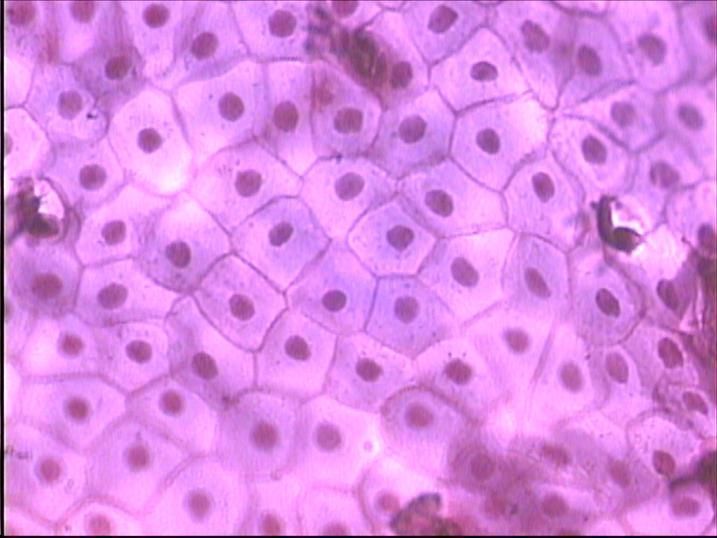
- Squamous
- thin/flat
- allow for rapid passages of substances
- Simple Squamous
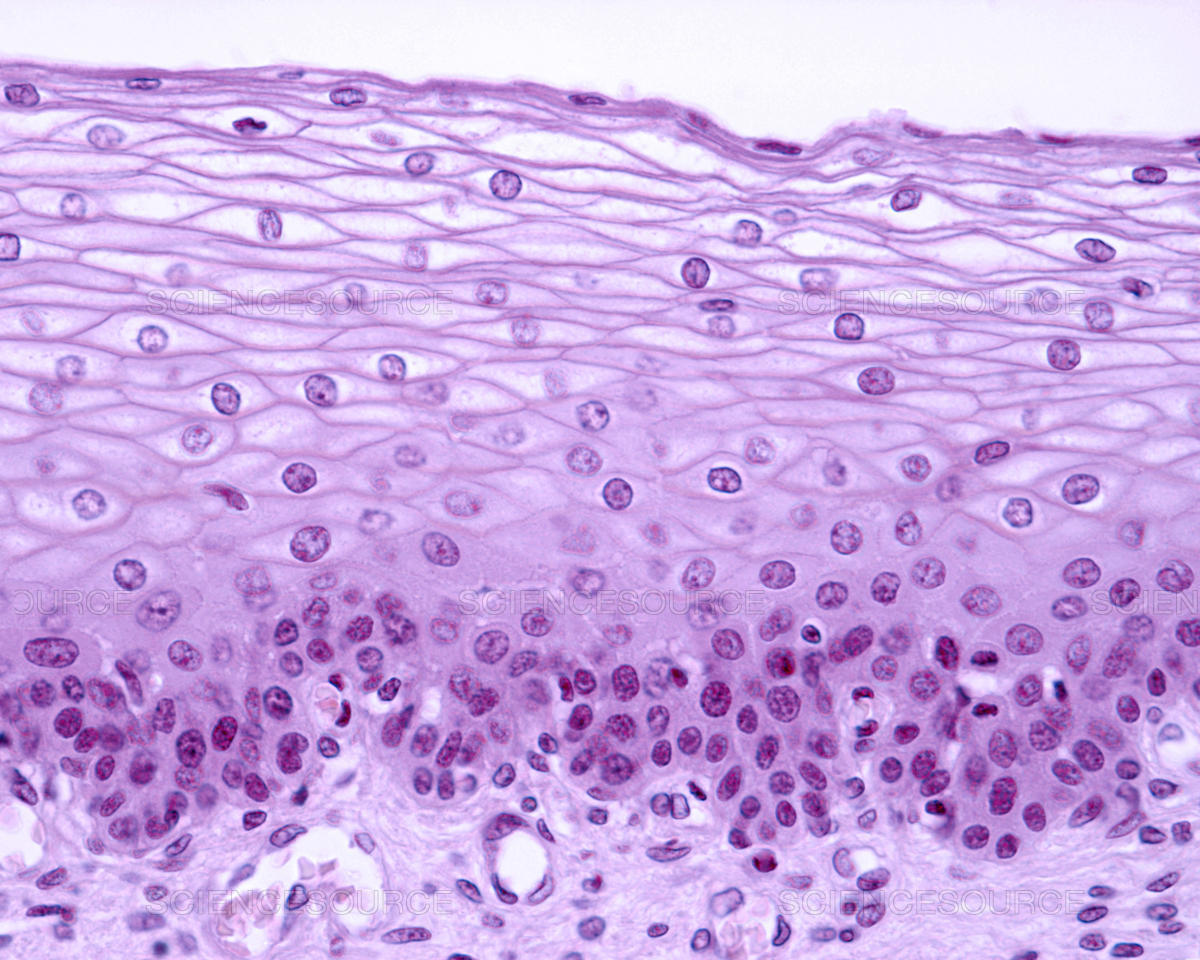
- Stratified Squamous
- Simple Squamous
- located in air sacs of lungs, lines heart, blood vessels, and lymphatic vessels
- function is diffusion, filtration, secretion
- Stratified Squamous
- lines esophagus, mouth, and vagina
- function is protection against abrasion (makes skin)
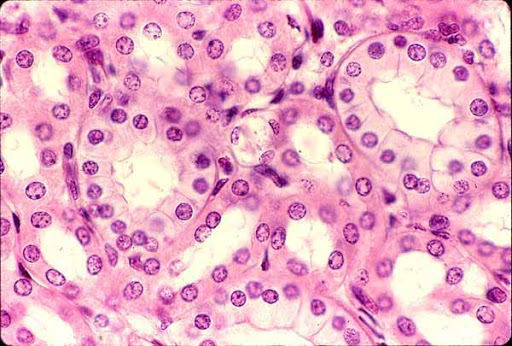
- Cuboidal
- cubes or hexagons
- function in secretion or absorption
- Simple Cuboidal
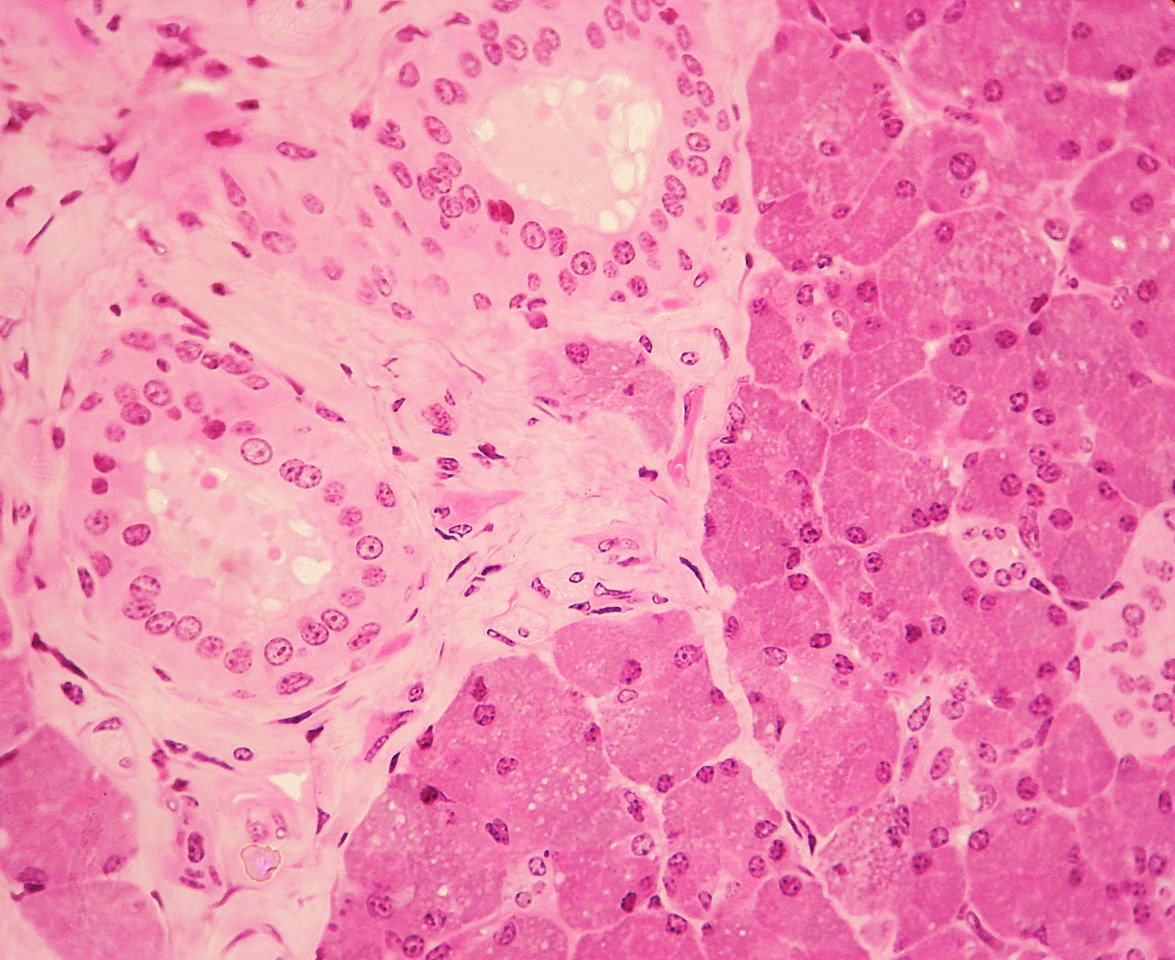
- Stratified Cuboidal
- Simple Cuboidal
- located in kidney tubules and lines ducts of glands
- function is secretion and absorption
- Stratified Cuboidal
- function is protection
- located in sweat glands, salivary glands, mammary glands
- Columnar
- taller than they are wide
- contain cilia or microvilli
- Simple Columnar
- Stratified Columnar
- Simple Columnar
- function is absorption and secretion of mucus and enzymes
- located in bronchi of lungs, uterine tubes, uterus (with cilia) or digestive tract, bladder (without)
- Stratified Columnar
- located in male urethra and ducts of some glands
- function is secretion and protection
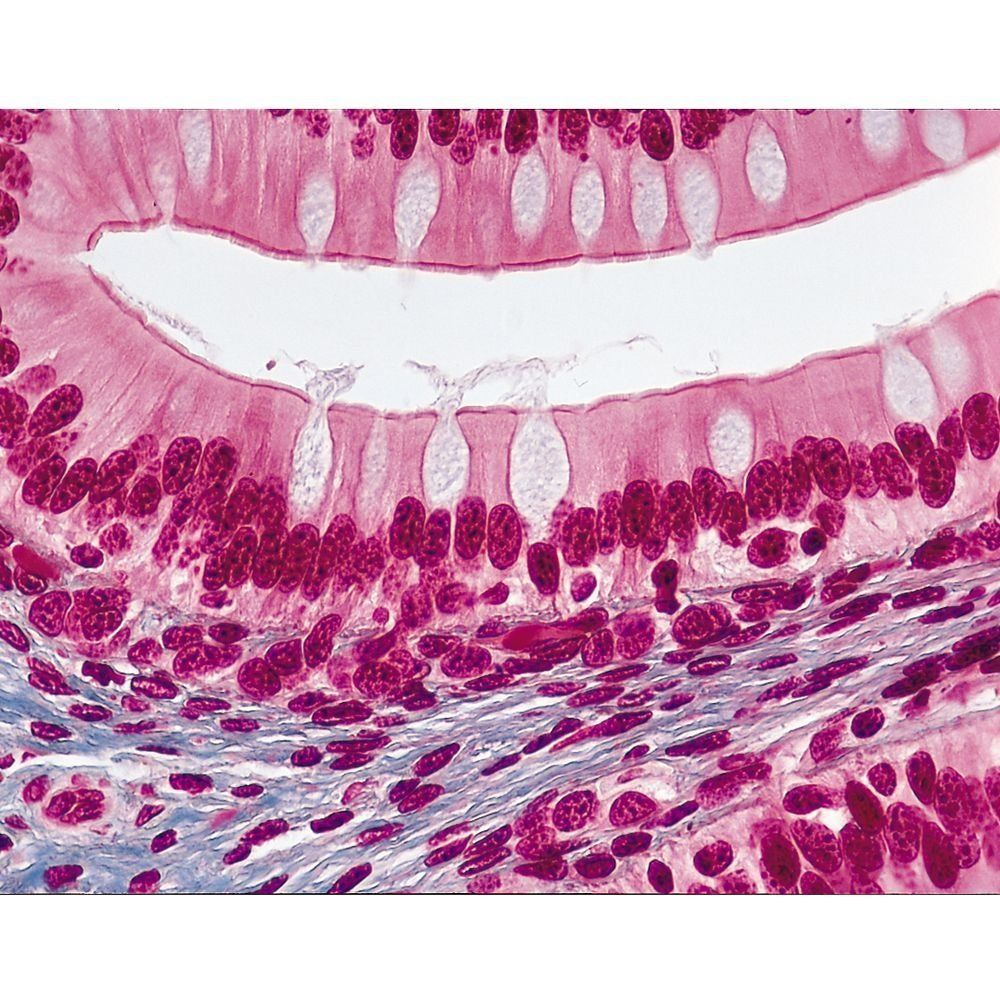
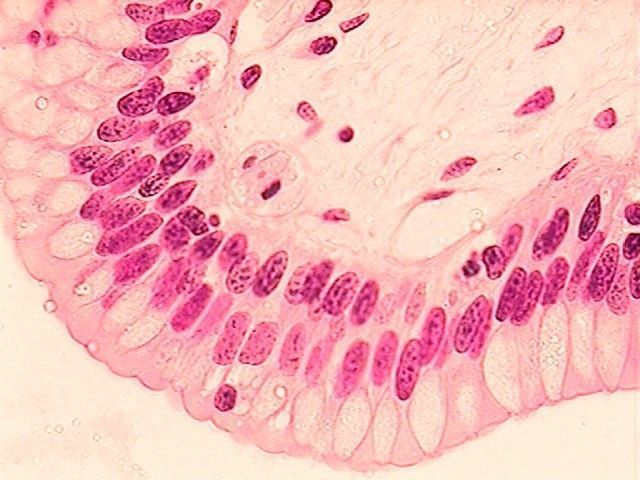
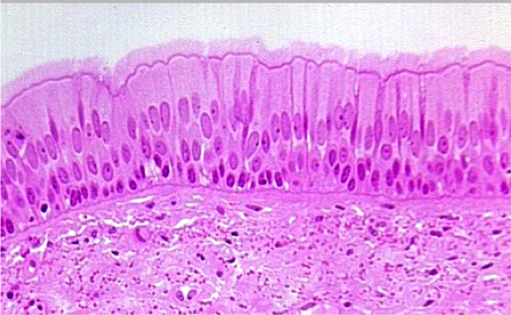
- Pseudostratified Columnar
- lines trachea and upper respiratory tract
- secretes mucus and ciliated moves mucus
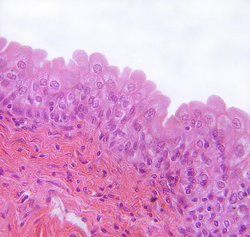
- Transitional
- change shape from flat to cuboids
- allows urinary organs to expand and stretch
- lines the urinary bladder, ureters and urethra, and in the ducts of the prostrate gland
- Squamous
- Cell Layers
- classified through arrangement
- Glandular
- function: secretion
- endocrine glands secrete hormones into the bloodstream
- deep to covering and lining epithelium
- gland: 1+ highly specialized cells that secrete
- exocrine glands secrete products through ducts and empty at covering and lining epithelium
- Covering and Lining
- avascular - no blood cells
- have a nerve supply
- high capacity for cell division
- cells have:
- apical surface (exposed to body
- lateral surface (side)
- basal surface (attached to basement membrane)
- *thin, extracellular structure between epithelium and deeper connective tissue
- little extracellular matrix between closely packed cells
Nervous
- function is to conduct nerve impulses
- groups of organized cells in the nervous system
- types of cells
- Neurons
- convert stimuli into nerve impulses and conduct them
- Neuroglia
- do not generate nerve impulses, but serve supportive functions
- Neurons
Connective
- Types
- Dense
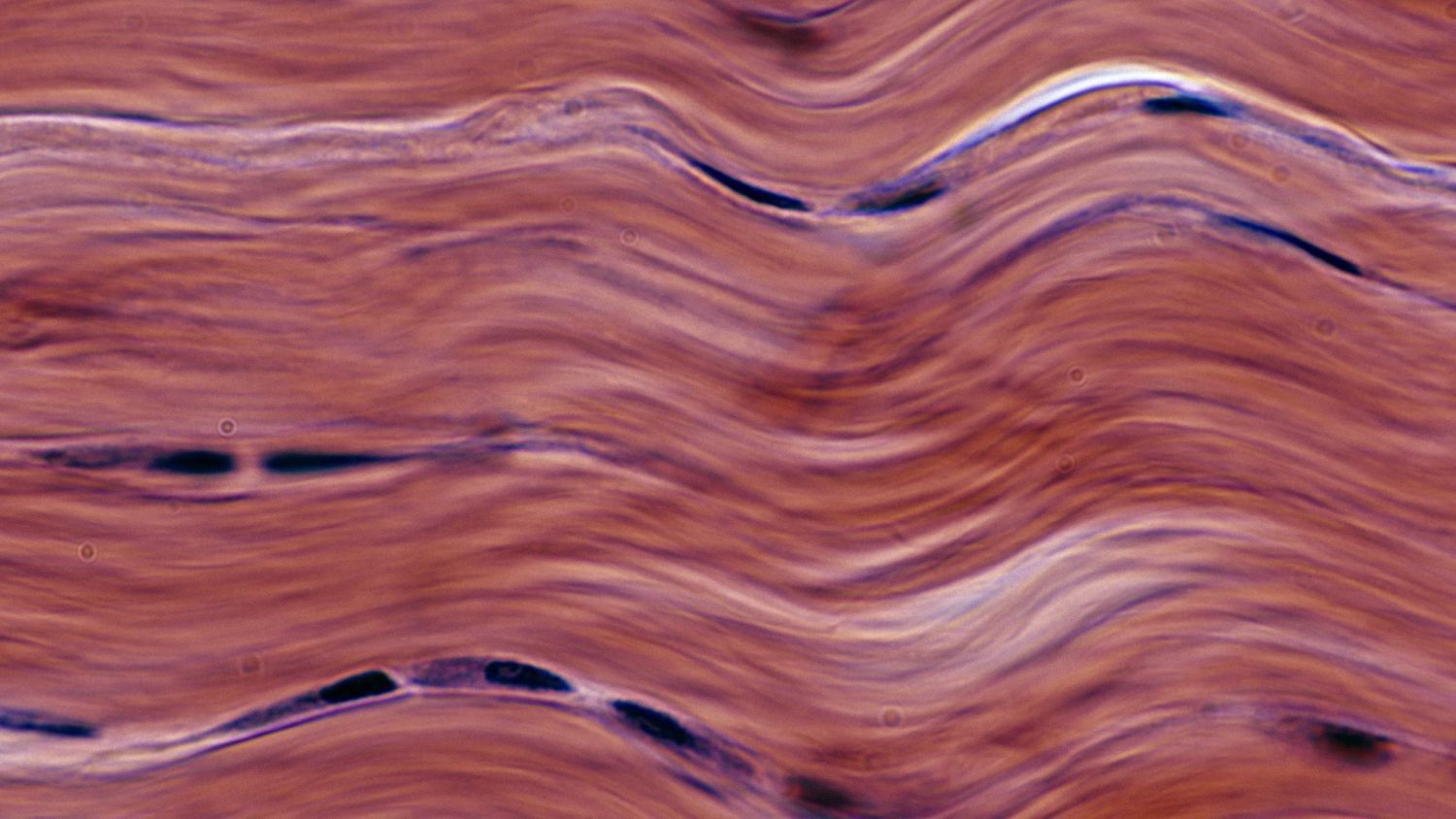
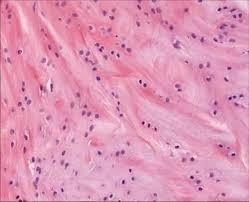
- Regular
- located in tendons and ligaments
- attaches muscles to bones or to muscles
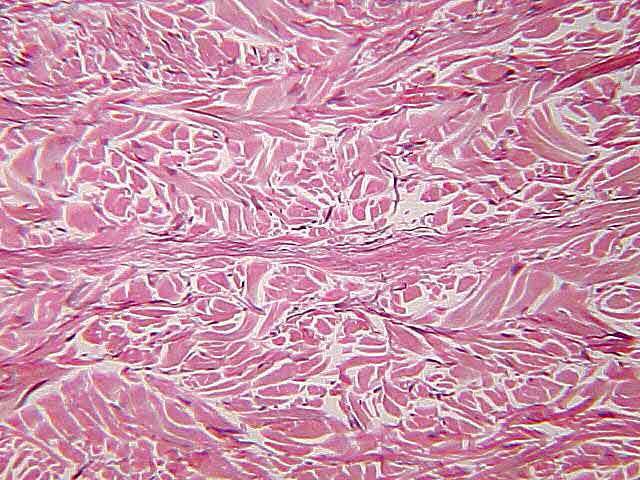
- Irregular
- located in dermis of skin
- provides structural strength
- Elastic
- located in several organs, including the largest arteries in the body
- provides elasticity and extensibility to the dermis and assists in recovery from deformation
- Regular
- Loose
- Areolar
- surrounds blood vessels, nerve bundles, muscles, and organs.; fills the spaces between organs and connects skin to underlying muscle
- wraps and cushions organs
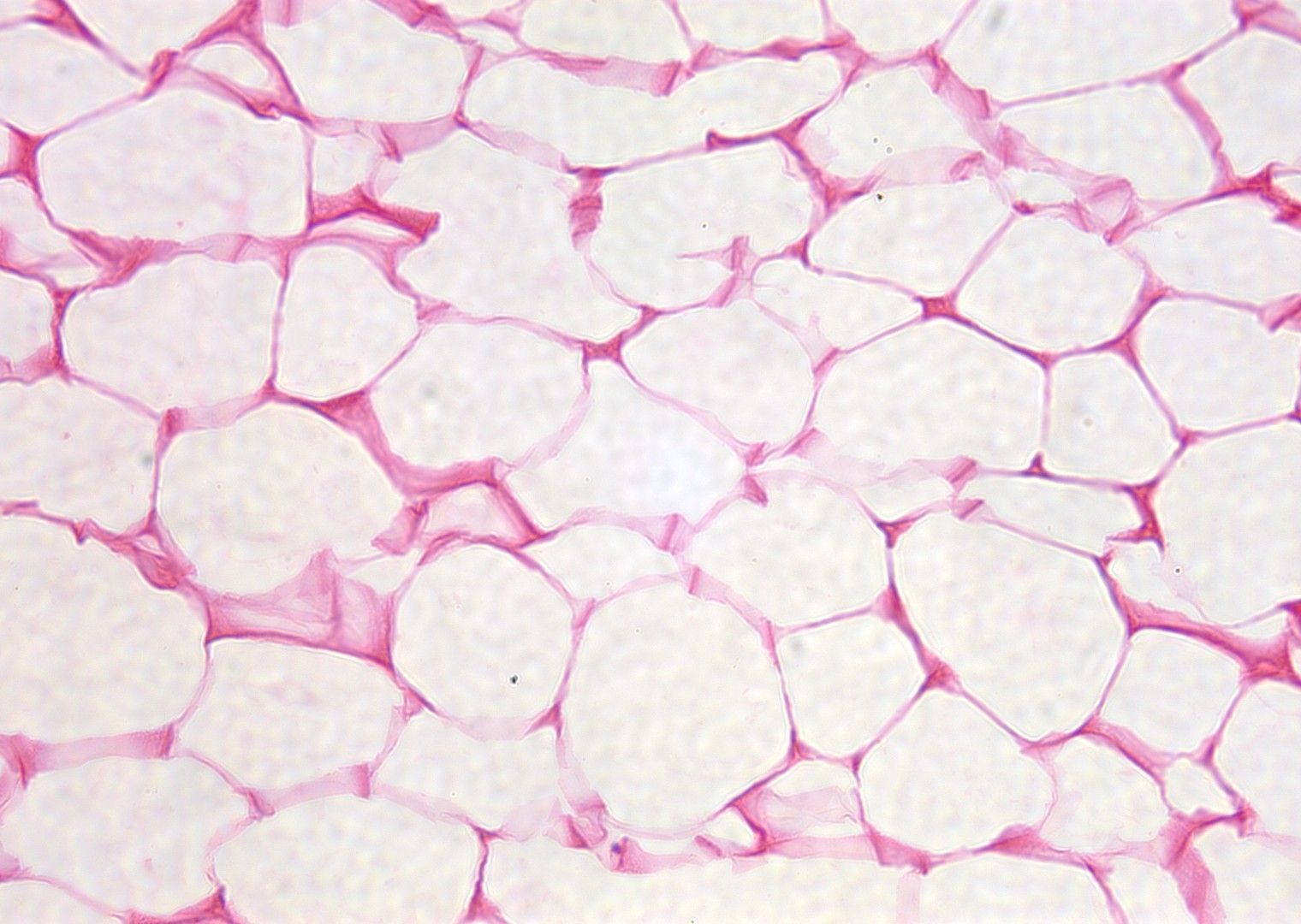
- Adipose
- provides reserve fuel
- under skin, around internal organs, between muscles, within bone marrow, and in breast tissue
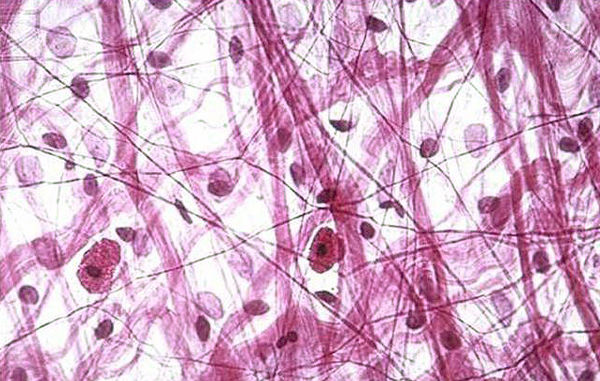
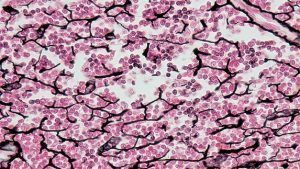
- Reticular
- located in lymphoid organs, the kidney, spleen, lymph nodes, and bone marrow
- forms the stroma and provides structural support
- Areolar
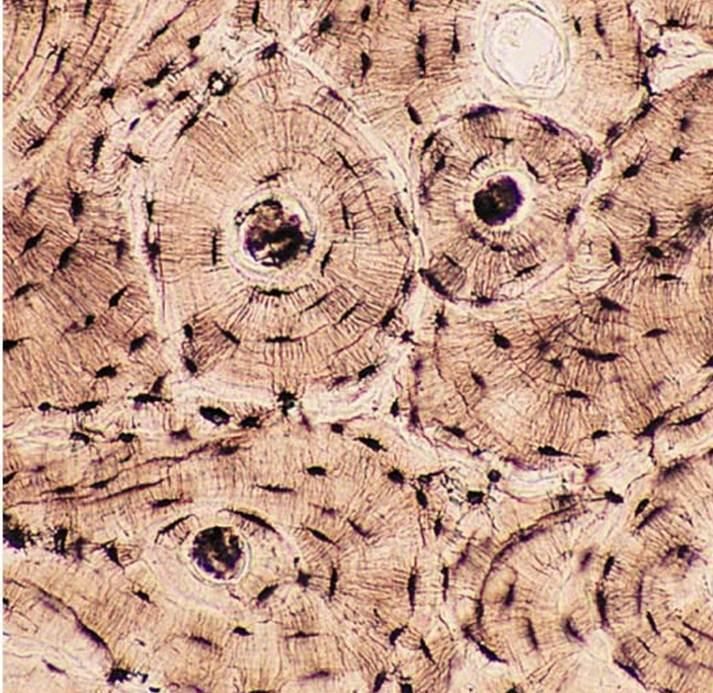
- Bone
- function in support, movement, protection, production of blood cells, storage of ions, and endocrine regulation
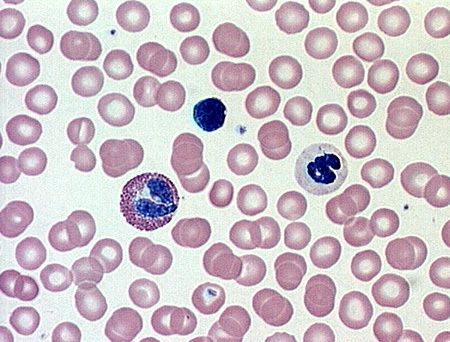
- Blood
- contained within blood vessels
- transport respiratory gases, nutrients, wastes, and more substances
- Cartilage
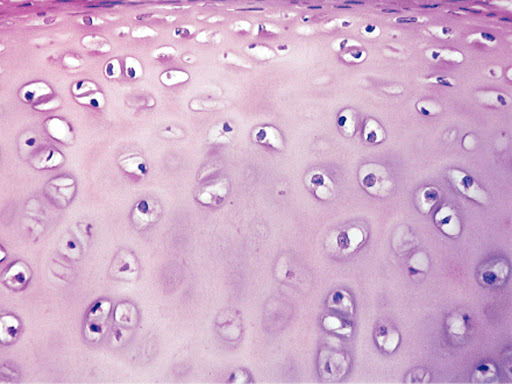
- Hyaline
- forms most of the embryonic skeleton; ends of bones in free-moving joints as articular cartilage, at the ends of the ribs, and in the nose, larynx, trachea, and bronchi
- supports and reinforces; flexibility
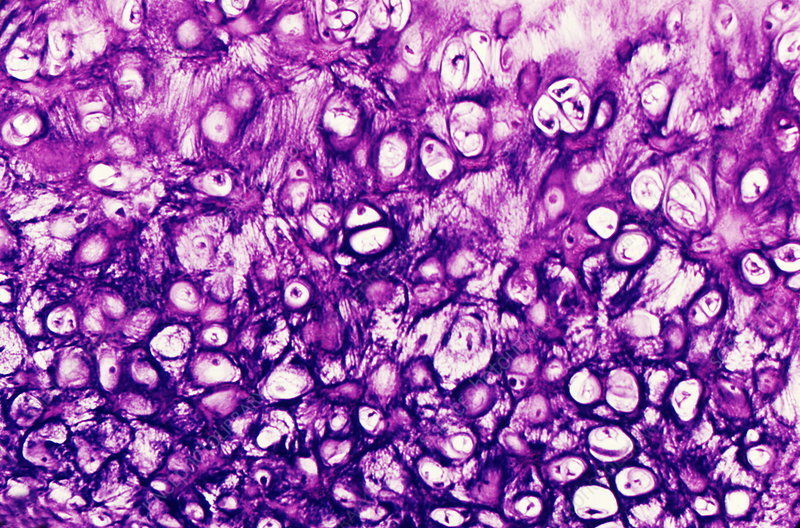
- Fibrocartilage
- located in intervertebral discs and at the insertions of ligaments and tendons
- tensile strength with the ability to absorb compressive shock
- Elastic
- located in skin, lungs, arteries, veins, elastic cartilage, fetal tissue, and other structures
- maintains the shape of a structure while allowing great flexibility, provides elasticity and extensibility to the dermis and assists in recovery from deformation
- Hyaline
- Dense
- Types
Muscular
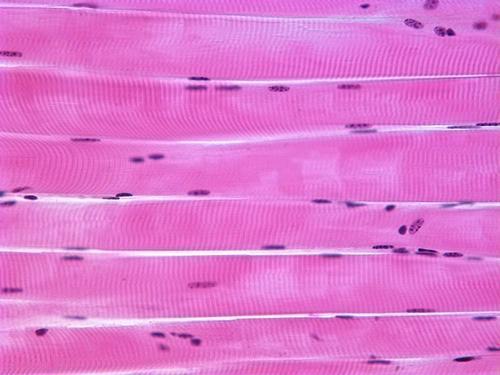
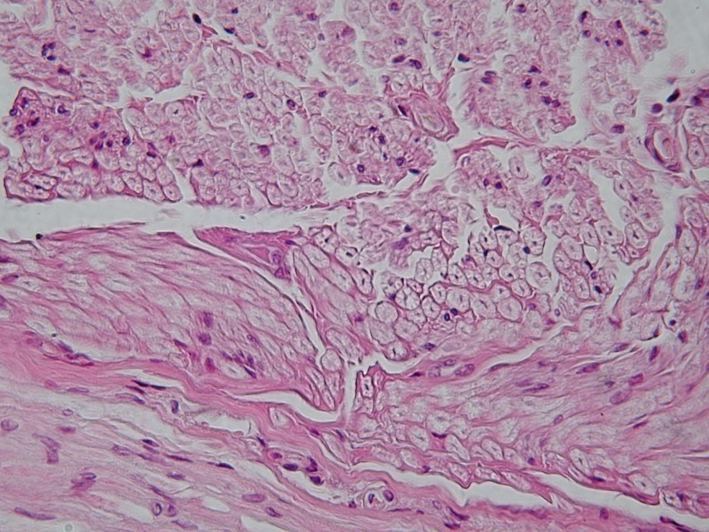
- Skeletal Muscle
- Pulls on bones allowing body movements
- voluntary and striated
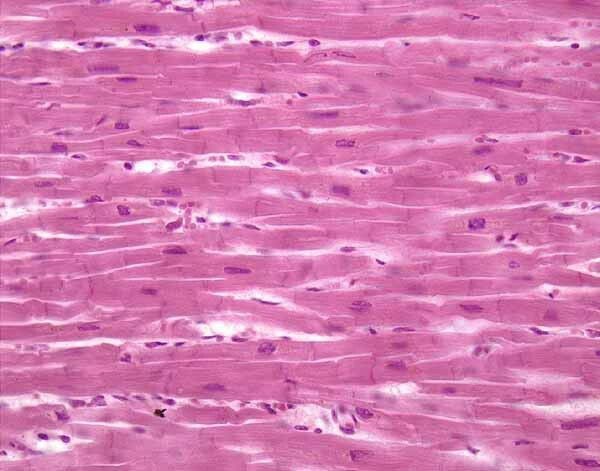
- Cardiac Muscle
- pumps blood through blood vessels
- forms wall of heart
- involuntary and striated
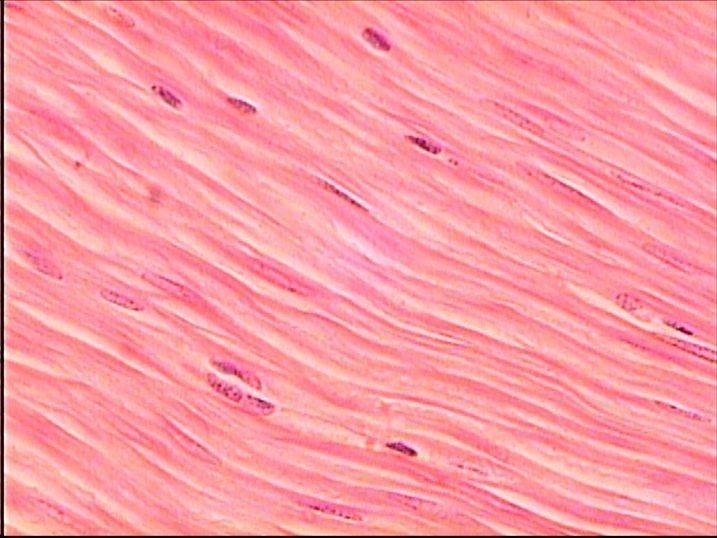
- Smooth Muscle
- found in walls of hollow organs such as stomach and bladder
- function in maintaining and controlling the blood pressure and flow of oxygen throughout the body and more
- involuntary
- Skeletal Muscle
Images and files in the map
Information
- Description
- Mind Map on Human Tissues, created by Nalani Ginn on 02/10/2020.
- Created by
- Nalani Ginn
- Views
- 2
- Rating