
Mind map
human tissues
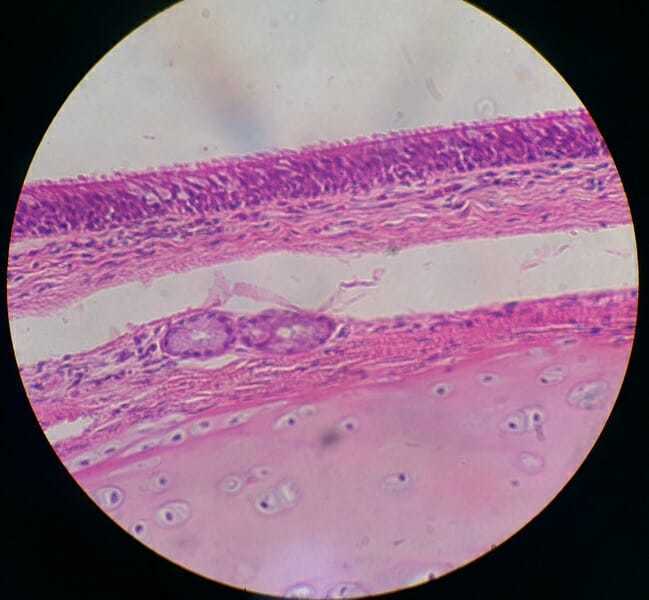
Map content
human tissues
epithelial
- types
- squamous
- attached to the basal membrane of epithelial tissue, helps with diffusion and fission
- cuboid
- absorption on the filtration process, found in secretory ducts of small glands
- columnar
- mostly for protection, fights bacteria in the stomach, also found in the stomach, clearly, along with both your intestines and colon.
- Pseudostratified
- its the upper respiratory tract found mostly near the lungs to protect from irritants
- squamous
- general characteristics
- Covers and lines body surfaces. Cells are densely packed together with a minimal amount of intercellular substance. Cells are firmly attached by intercellular junctions. Cells rest on a basement membrane partly derived from underlying connective tissue.
- types
nervous
- neurons/neurology
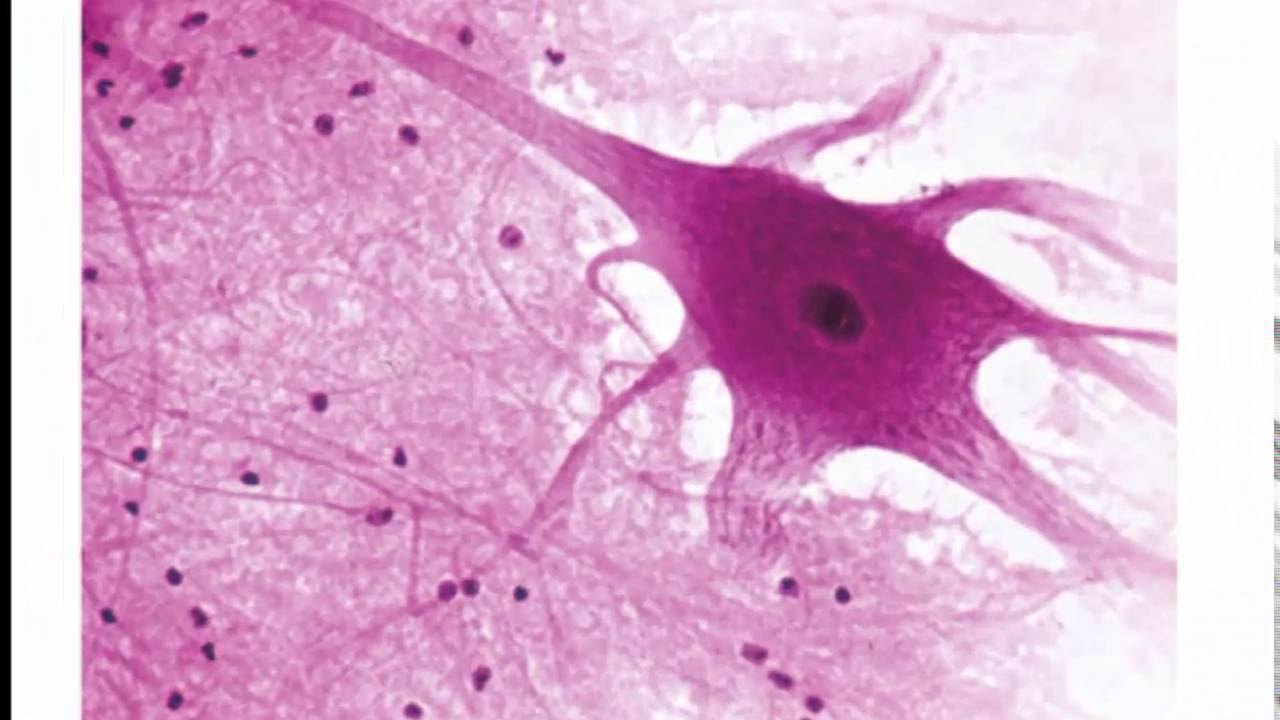
- controls the body's movements, sends and carries signals to and from the different parts of the body
- neurons/neurology
muscle
- smooth
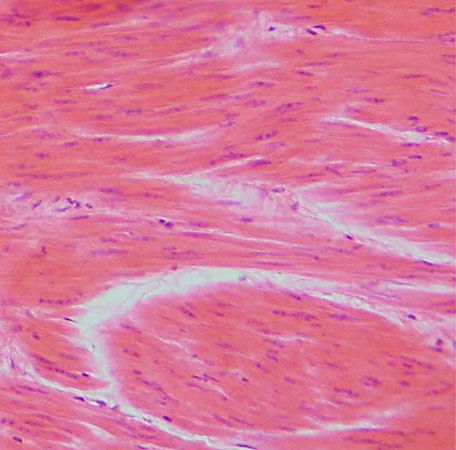
- it applies pressure to our internal organs to help them work
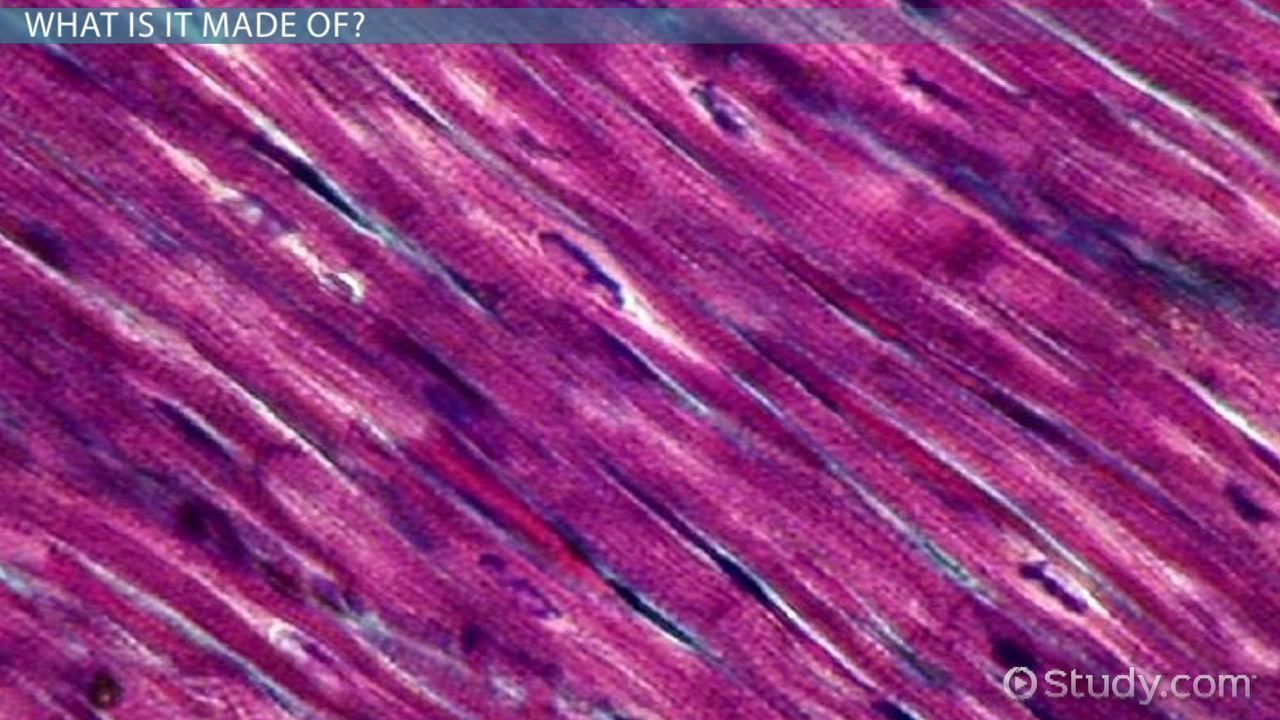
- cardiac
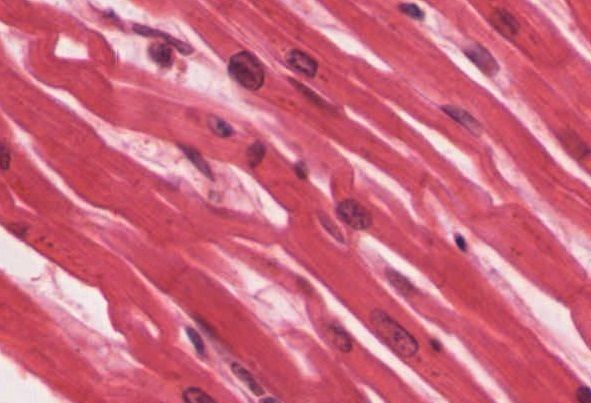
- its the main tissue to surround the heart that helps the heart function
- skeletal
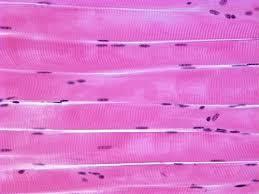
- its attached to your bones and you voluntarily move it to function.
- smooth
connective
- blood
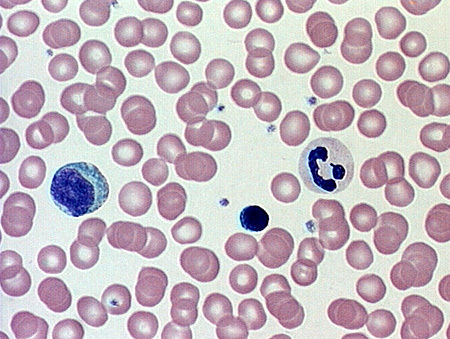
- carrier of plasma, aka the matrix aka white and red blood cells
- found everywhere through the body
- carrier of plasma, aka the matrix aka white and red blood cells
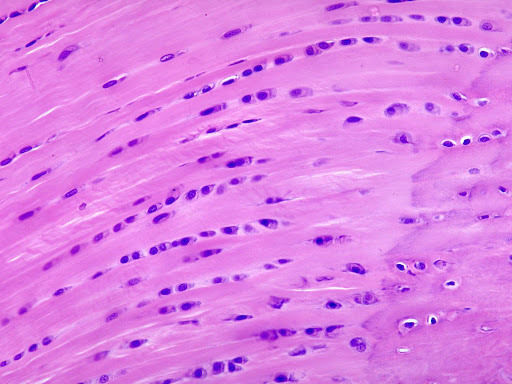
- bone
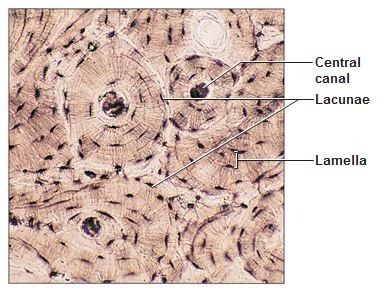
- stores minerals, internal support, movement help and protects organs
- through the body
- stores minerals, internal support, movement help and protects organs
- loose
- areolar
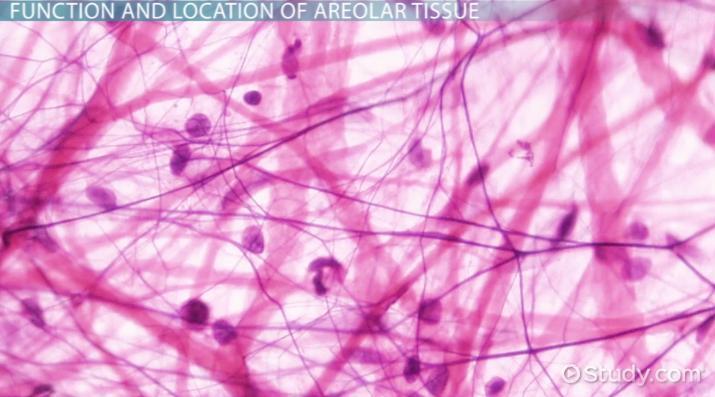
- mostly connects organs and such together holding them in place.
- surrounds blood cells, nerves, organs, and muscles
- mostly connects organs and such together holding them in place.
- adipose
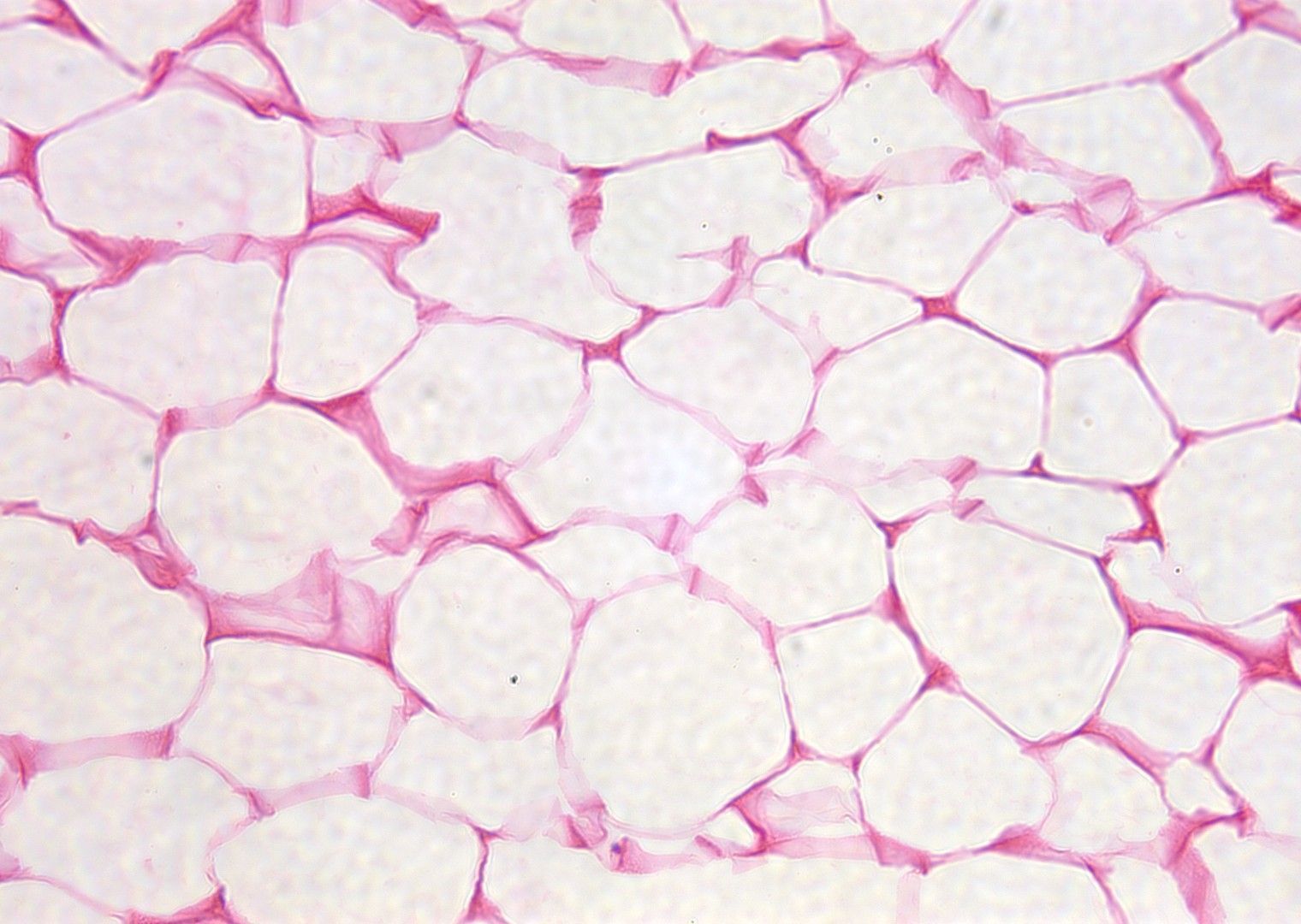
- stores energy in fat but can also be used to cushion and insulate the body
- found in internal organs and below the skin
- stores energy in fat but can also be used to cushion and insulate the body
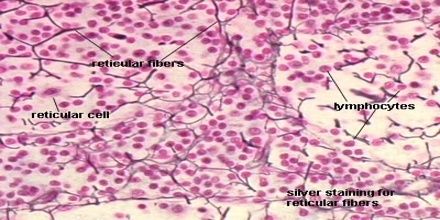
- reticular
- forms a scaffolding for other cells in several organs, such as lymph nodes and bone marrow
- usually attached to fiberblast
- forms a scaffolding for other cells in several organs, such as lymph nodes and bone marrow
- areolar
- dense
- regular
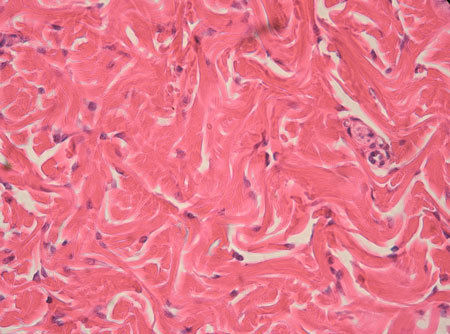
- aligned densly packed fibroblast cells
- attached to ligaments and tendons
- aligned densly packed fibroblast cells
- irregular
- makes the skin resistant to tearing
- mostly found in the deep layer of the dermis
- makes the skin resistant to tearing
- elastic
- helps the body move, allows movement and easy return to idle state
- found relatively everywhere, around organs and ligaments.
- helps the body move, allows movement and easy return to idle state
- regular
- cartilage
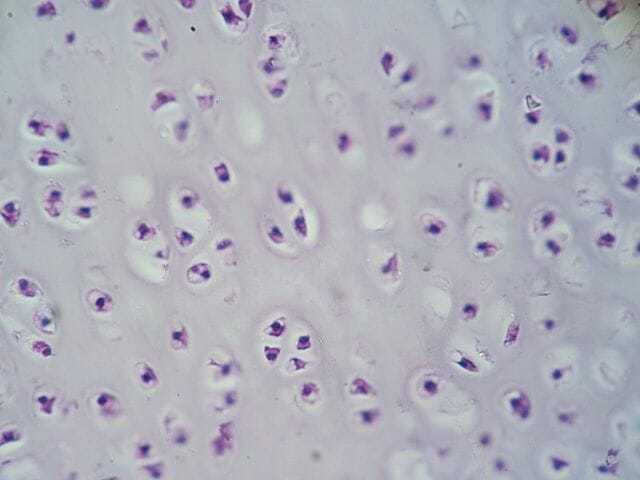
- hyaline
- provides mechanical support for the respiratory tree, nose, articular surfaces, and developing bones
- found on most joint surfaces, commonly on ribs and nose though
- provides mechanical support for the respiratory tree, nose, articular surfaces, and developing bones
- fibrocartilage
- helps fill in the torn part of the cartilage
- found predominantly in the intervertebral disks and at the insertions of ligaments and tendons
- helps fill in the torn part of the cartilage
- maintains strength, elasticity and shape in most of its areas
- found in epilogottis and pinnae
- hyaline
- blood
definition
- Tissues are groups of cells that have a similar structure and act together to perform a specific function.
why you scroll down here
Images and files in the map
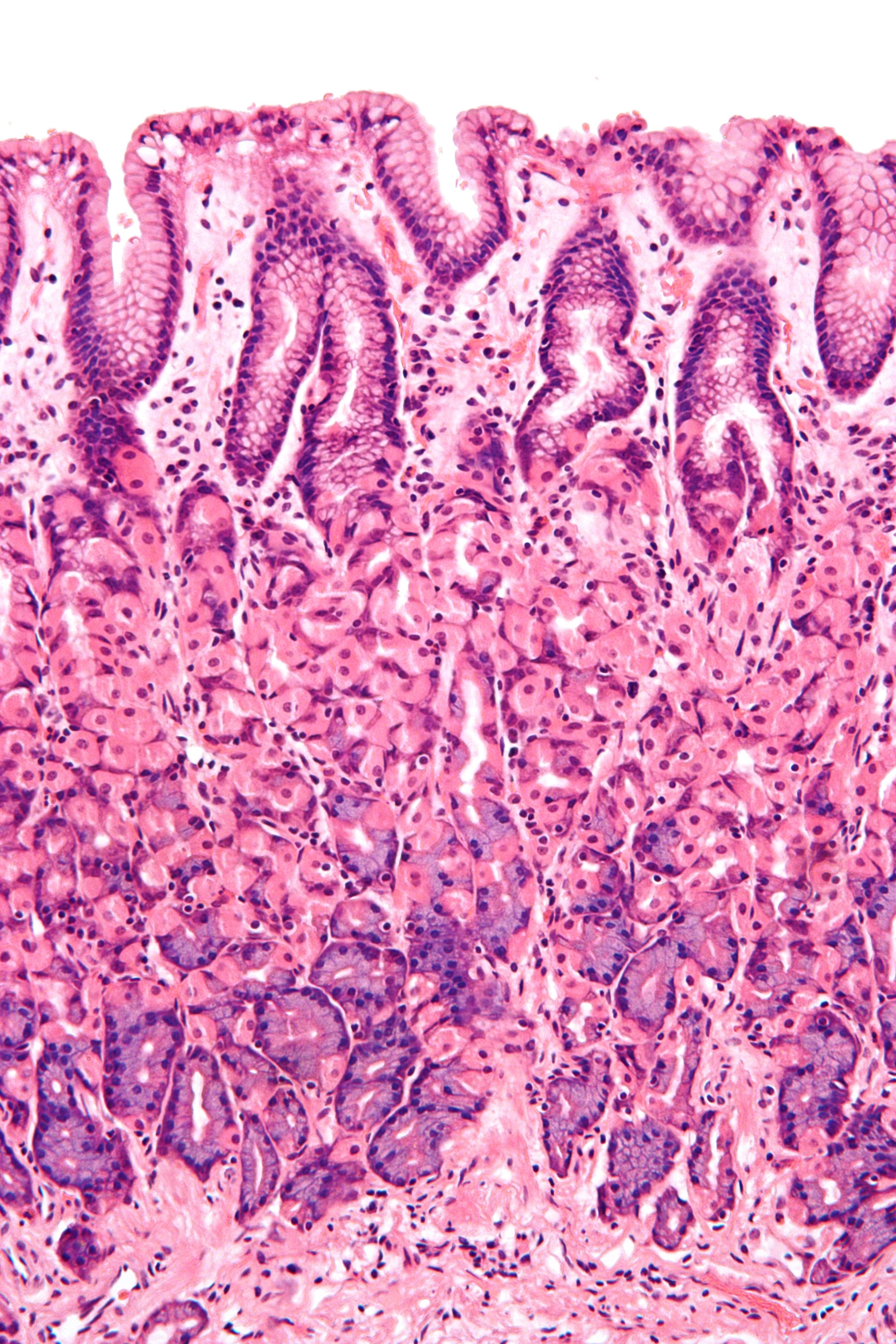
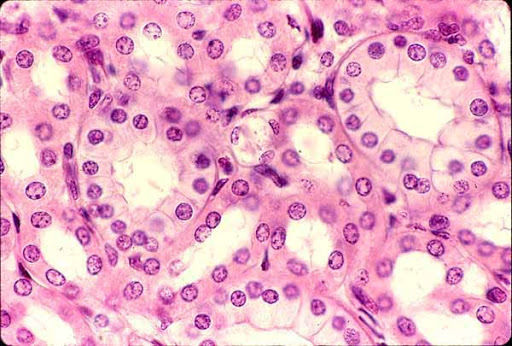
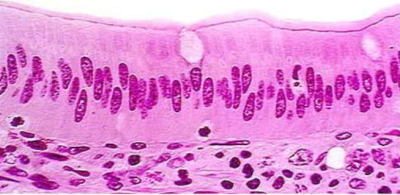
Information
- Description
- Mind Map on human tissues, created by Kyle Avila on 05/10/2020.
- Created by
- Kyle Avila · Oct 2020
- Updated
- Oct 15, 2020
- Views
- 11
- Rating