
Mind map
THIR CONDITIONAL
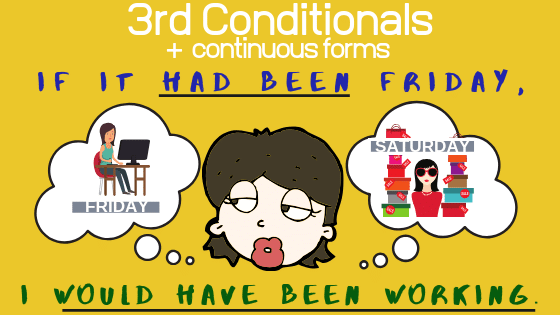
Map content
THIR CONDITIONAL
STRUCTURE
- We used for would and had. We can also use verbs other than would, such as could or might
- Past Perfect + would + have + participle
- We used for would and had. We can also use verbs other than would, such as could or might
FUNCTION
- THE FUNCTION OF THE THIRD CONDITIONAL IS TO TALK ABOUT PAST ACTIONS THAT WE CANNOT CHANGE.
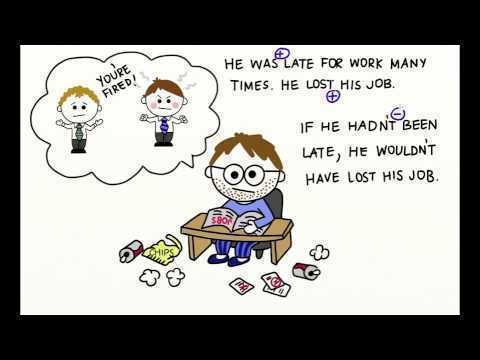
- IF SHE HADN'T SAID ANYTHING, THEY WOULD NOT HAVE BEEN SO OFFENDED
- THE FUNCTION OF THE THIRD CONDITIONAL IS TO TALK ABOUT PAST ACTIONS THAT WE CANNOT CHANGE.
.USE AND ERRORS
- We may wonder why most of these phrases have a negative tone or appearance. And it is that when
- we use the third conditional, it is to express regret or to complain about something that both conditions it and the result is now impossible.
WOULD + HAVE-HAD CONTRACTION
- Both "would" and "had" can be contracted in the same way, -'d, something that can generate confusion if we do not master the conditional sentences of type 3.
- 1. "would" never appears in the "if" statement, therefore, if "-'d" appears in the "if" statement, it will be the contraction of "had".
- 2. "had" is never placed before "have", therefore, if "-'d" appears after a pronoun and is followed by "have", it will be the contraction of "would".
COULD + HAVE-HAD CONTRACTION
- Look at contractions when we use this type of conditional in English. We used for would and had. We can also use other verbs besides would, such as could or might.
- If I had gone to the United States that summer, my English could be better
- Look at contractions when we use this type of conditional in English. We used for would and had. We can also use other verbs besides would, such as could or might.
CONTRACTION MIGHT + HAVE-HAD
- Might is a modal verb that means MAY, IS POSSIBLE, or COULD. Because it is a modal verb, it is always followed by the base form of the verb
- If we had had time, we ,might have gone to the beach
- Might is a modal verb that means MAY, IS POSSIBLE, or COULD. Because it is a modal verb, it is always followed by the base form of the verb
AFFIRMATIVE STRUCTURE
- If + subject + had + participle, + subject + would have + participle
- If he had scored the goal, we would have won the game
- If + subject + had + participle, + subject + would have + participle
NEGATIVE STRUCTURE
- If + subject + hadn't + participle + subject + wouldn't have + participle
- We wouldn’t have felt anything if we hadn’t touched it
- If + subject + hadn't + participle + subject + wouldn't have + participle
INTERROGATIVE STRUCTURE
- WOULD + SUBJECT + HAVE + PARTICIPLE + IF + SUBJECT + HAD PARTICIPLE
- Would you have gone if you had known?
- WOULD + SUBJECT + HAVE + PARTICIPLE + IF + SUBJECT + HAD PARTICIPLE
Is used to talk about events in the past, which, if they happened otherwise, would have had other consequences. This is a hypothetical situation in the past. We are imagining what could have happened. We use the past perfect and the would have
Images and files in the map
Information
- Description
- Mind Map on THIR CONDITIONAL, created by ALEXS COLQUE on 26/06/2021.
- Created by
- ALEXS COLQUE
- Views
- 0
- Rating