
Mind map
Individual Differences in L2 Learning
Map content
Individual Differences in L2 Learning
Personality
- Personality Factors
- Perseverance: we have to work hard to achieve our desires we must put a lot of effort and energy to achieve the goal.
- Acculturation: The learner’s adaptation to the culture is deemed important as the culture itself becomes the very core of language teaching
- Risk-taking: the development trait that consists of moving towards something without thinking of the consequences
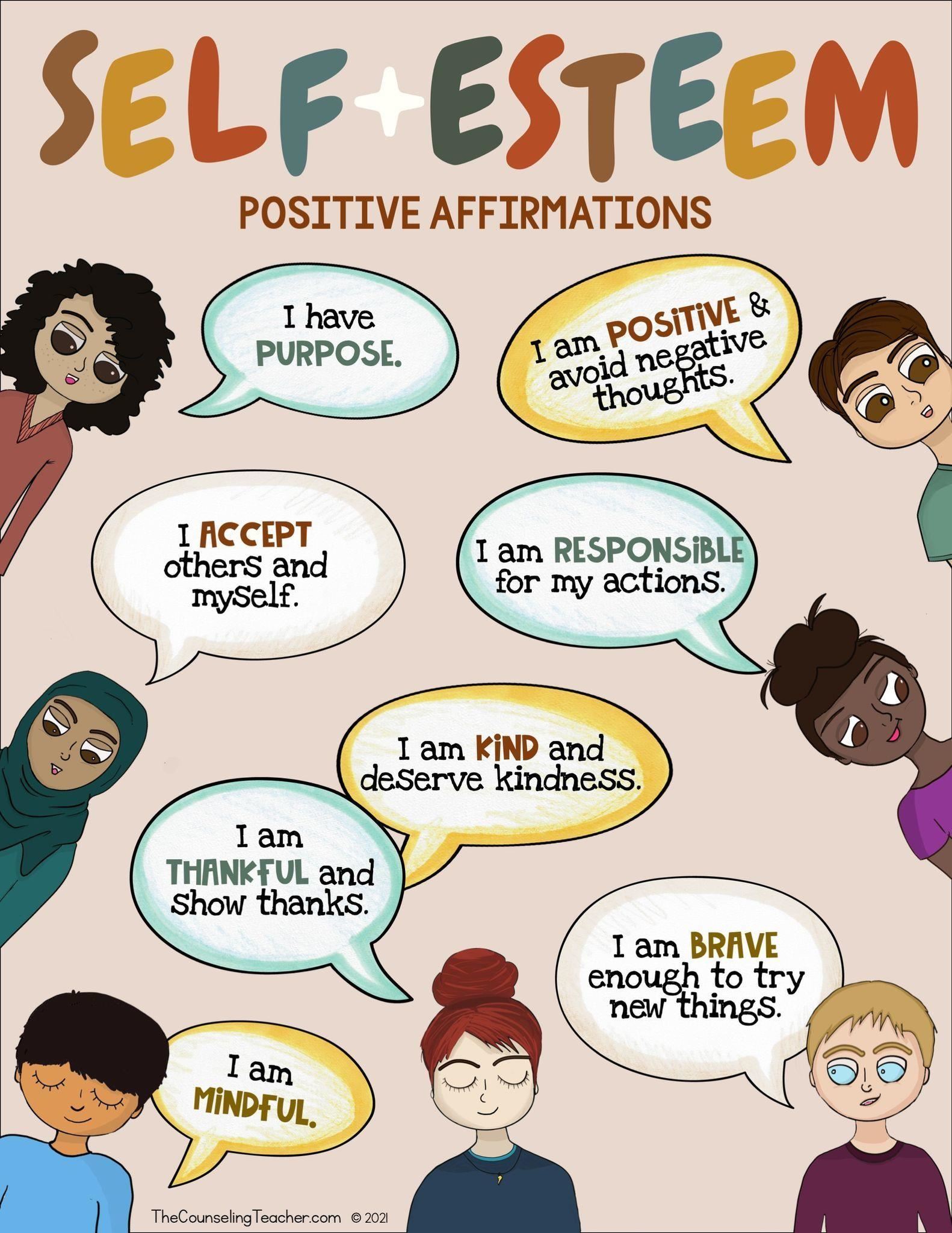
- Self-esteem:Strength here refers to the belief in our own capabilities by having self-esteem
- Sociability: To be introverted vs extroverted
- Personality Factors
Identity and ethnic group affiliation
- Ethnic identity refers to the subjective experience embracing the feelings, experiences, and behaviors through which people position their membership in a single or multiple ethnic groups.
Learning Styles
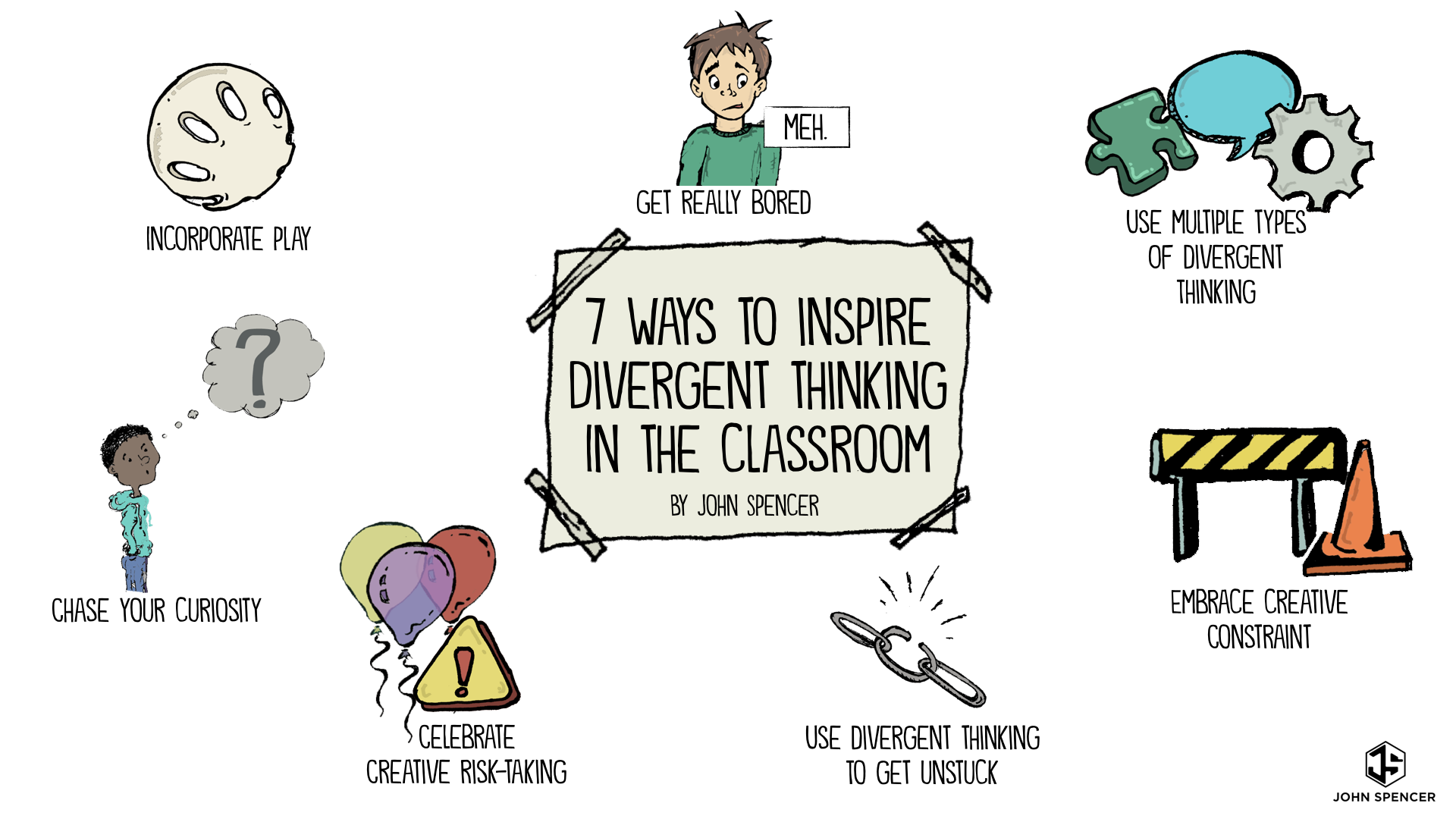
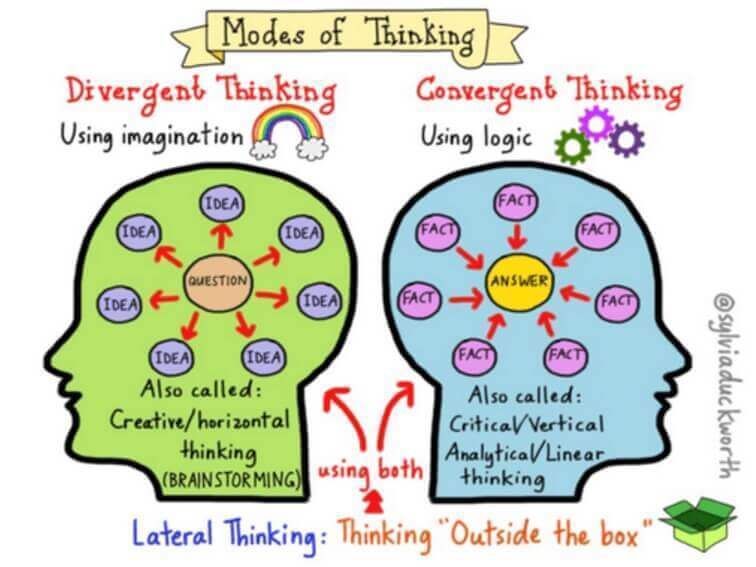
- DIVERGENT LEARNING STYLE
- Imaginative capacity, the ease of responding to concrete situations from various perspectives
- CONVERGENT LEARNING STYLE
- Students perform well on hands-on projects, information sorting, and memorization exercises.
- ACCOMMODATIVE LEARNING STYLE
- They prefer methodological strategies such as group work, imaginative exercises, works of artistic expression, reading and discussing themes.
- ASSIMILATIVE LEARNING STYLE
- they are characterized because they favor conceptualization and abstraction
- DIVERGENT LEARNING STYLE
Aptitude
- The ability to learn languages consists of four independent skills
- The ability to encode phonetics
- The ability to learn by repetition
- Grammatical sensitivity
- The ability to learn a language inductively
- The ability to learn languages consists of four independent skills
Intelligence
- Multiple Intelligences
- Logical-Mathematical
- Spatial
- Bodily-Kinesthetic
- MUsical
- Interpersonal
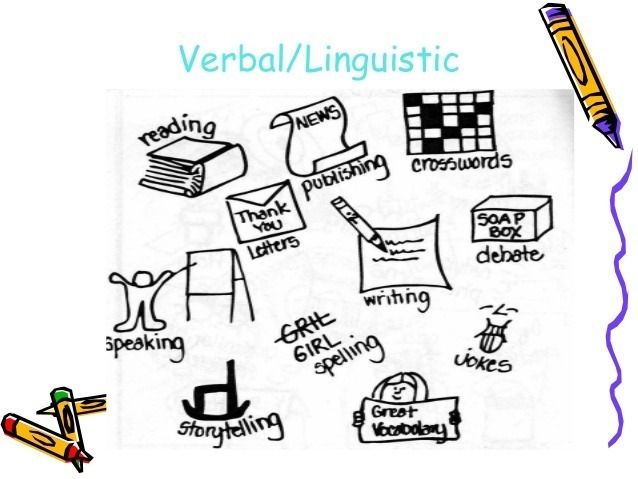
- Linguistic
- Intrapersonal
- Multiple Intelligences
Learner beliefs
- Example: if a student believes that she/he doesn't have very good aptitude for language learning, she/he may not make much effort to learn the language.
Age of acquisition
- Young learners learn faster
- Adult learnes learn slower
Motivation and attitudes
- Motivationn is one of the factors that influence his/her success in acquiring the L2
- Attitude. a student need to have a positive attitude,positive attitude is very helpful to facilitate learning.
Images and files in the map


















Information
- Description
- Mind Map on Individual Differences in L2 Learning, created by VILMA YOLANDA TEZEN SURUY on 25/03/2022.
- Created by
- VILMA YOLANDA TEZEN SURUY
- Views
- 3
- Rating