
Mind map
Chemistry
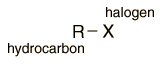
Map content
Chemistry
Hydrocarbon Derivatives
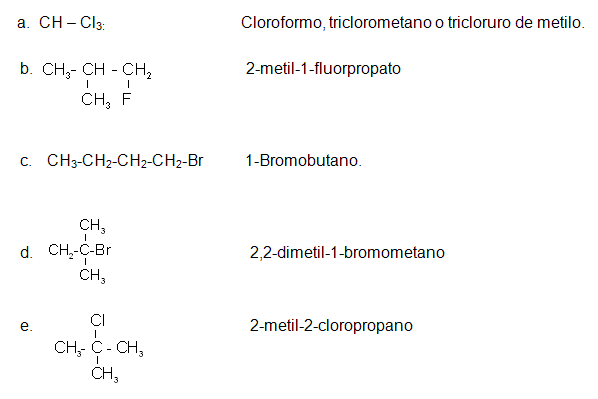
- Halogenated Derivatives
- Functional Group
- Hydrogens replaced with halogen
- F or Flour
- Cl or Chloro
- Br or Bromo
- I or Iodo
- Hydrogens replaced with halogen
- Nomenclature
- For more explanation http://www.youtube.com/watch?v=KxQpssQKPZI
- 1. Appoint chain more long
- 2. It begins by the end most close to the first substituent.
- 3. Will I settle by alphabetical priority
- 2. It begins by the end most close to the first substituent.
- Physical properties
- Boiling Point
- Increases with molecular mass
- F < Cl < Br < I
- Density
- Iodides and Bromides are more dense
- Fluorinated and Chlorinated are less dense
- Solubility
- they are insoluble in water
- Boiling Point
- Chemical Properties
- They are reactive and have applications in organic synthesis reactions
- Formation of alcohols
- Reaction where an alkyl reacts with a strong base
- Applications
- Solvents
- Produce plastics
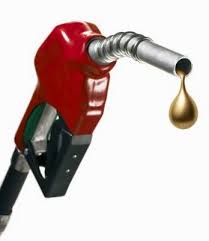
- Propellants
- Foaming agents
- Refrigerants
- Agens for dry cleaning
- Incecticides
- Functional Group
- Alcohols
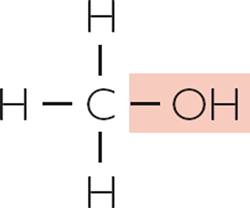
- Functional Group
- Hydrogen replaces by hydroxyl groups
- Example
- Hydroxyl goup
- - OH
- Hydrogen replaces by hydroxyl groups
- Nomenclature
- 1. Select chain long
- 2. start with the end more next to - OH
- 3. use the same rules of alkanes to indicate other groups
- 4. name the main chain with "ol" ending with the number where the Group - OH
- For more explanation http://www.youtube.com/watch?v=nQ7QSV4JRSs
- 4. name the main chain with "ol" ending with the number where the Group - OH
- 3. use the same rules of alkanes to indicate other groups
- 2. start with the end more next to - OH
- 1. Select chain long
- Physical properties
- Boiling point and Density
- If they present isomerism, greatest number of ramifications, lower boiling point
- Climbing according to the molecular mass
- Solubility
- Soluble: methanol, ethanol and propanol:
- Slightly soluble: butanol, pentanol and hexanol
- Insoluble: heptanol and octanol
- More branching increases the slubilidad in the water
- Boiling point and Density
- Chemical properties
- Reaction of Oxidation
- Rust to Carbonyl Compounds
- Oxidizing common: copper, chromium trioxide, potassium dichromate and potassium permanganate.
- Primary alcohols are oxidised to aldehydes
- Aldehydes are oxidized to carboxylic acids
- Secondary alcohols are oxidised to ketones
- Tertiary alcohols are not oxidized
- Esterification Reaction
- Alcohols reaction with carboxylic acids with hot acid
- Esters
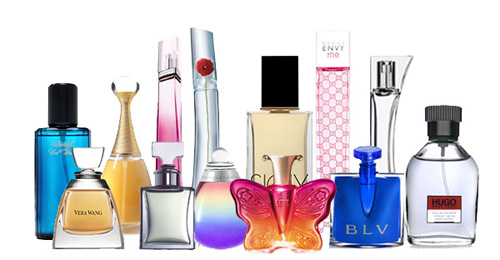
- Nice smell, synthesize flavors or fragrances of fruit
- Esters
- Alcohols reaction with carboxylic acids with hot acid
- Reaction of Oxidation
- Applications
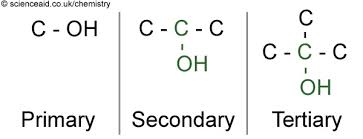
- Classification
- Primary
- One Radical
- Secondary
- Two Radicals
- Tertiary
- Three Radical
- Note: there are no Quaternary because carbon has four atoms and would not have a link to the Group - OH
- Primary
- Identification of alcohols
- They react with sodium metal
- Esterification reaction form esters
- Differentiate between alcohols
- Application lucas
- Turbidity appears to react with HCL in the presence of ZnCl2
- Ambient temperature
- Tertiary alcohols: immediately
- Secondary alcohols: five minutes
- Primary: almost did not make it
- Application lucas
- Methods for obtaining
- Natural sources
- Sugary foods more conditions without air equals ethanol
- Natural sources
- Functional Group
- Ethers
- Functional Group
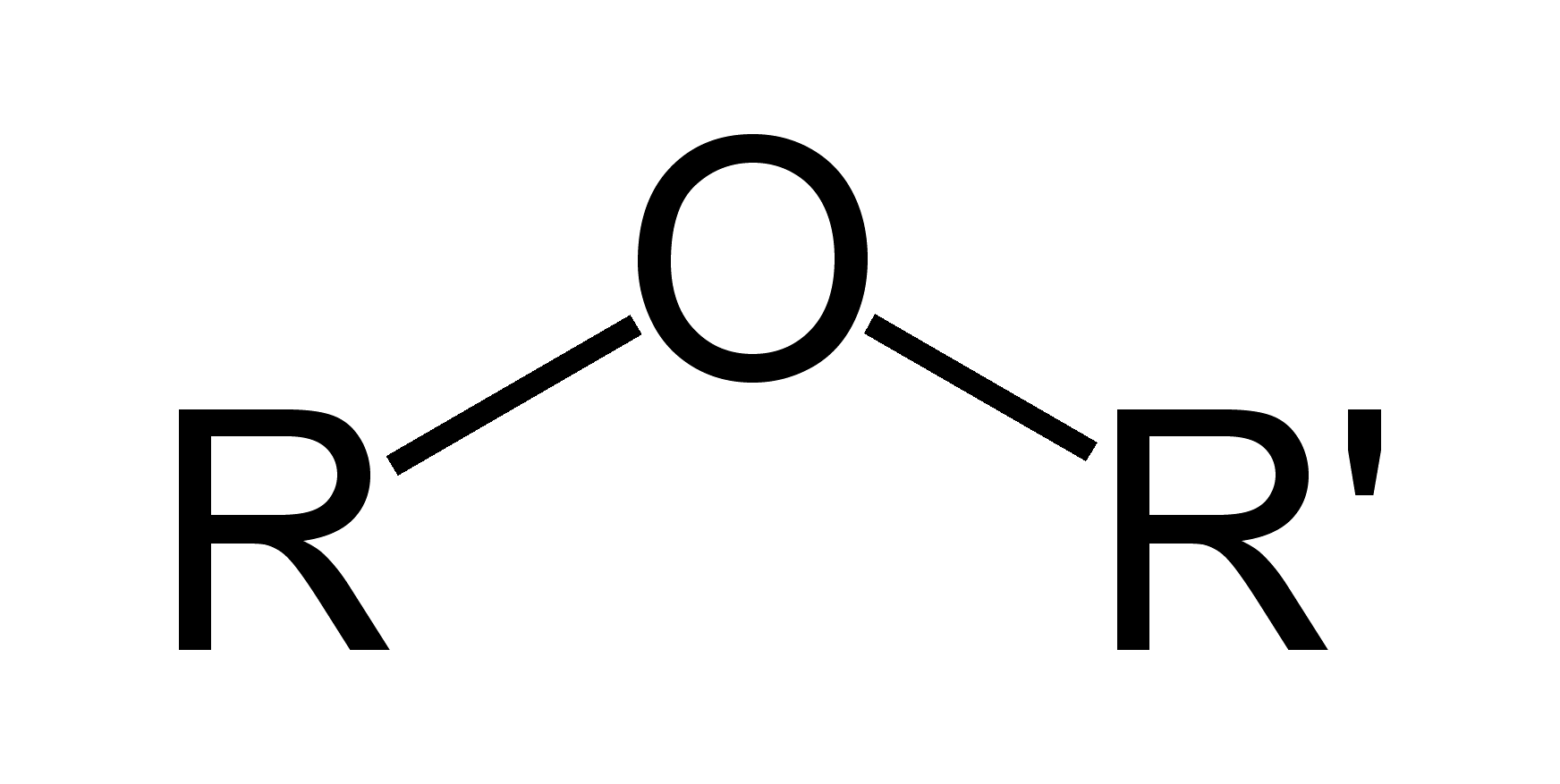
- Organic derivatives of water
- Two hydrogens replaced by organic radicals
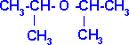
- Symmetrical
- Asymmetric
- Organic derivatives of water
- Nomenclature
- Two ways to name them
- Two groups R
- Ether
- Ether
- Alkyl or aryl
- Added completion "ico"
- Alkyl or aryl
- Two groups R
- For more explanation http://www.youtube.com/watch?v=HWjOHSM0S_I
- Two ways to name them
- Physical properties
- More lighter than water
- Pleasant smell
- Boiling points similar to the alkanes and less than alcohols
- Polar
- Solubility
- Is similar to the alcohols
- Application
- Functional Group
- Aldehydes
- Functional Group
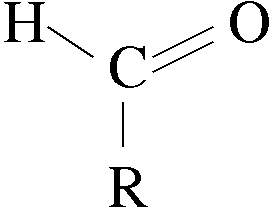
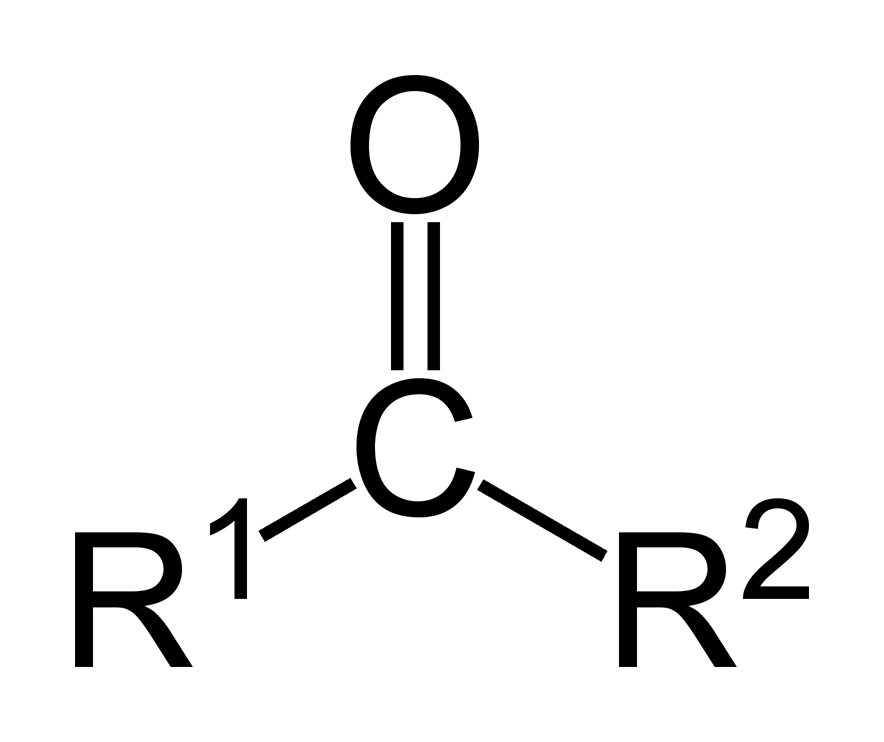
- Carbonyl group
- Atom of hydrogen attached to the carbonyl group
- Carbonyl group
- Physical properties
- Four atoms are water-soluble, but seven are insoluble
- Boiling points greater than the hydrocarbons but lower alcohols
- Density lower than water
- Nomenclature
- Systematics
- Rules same as name alkanes
- Added termination "al"
- Starts the chain of the end location of the aldehyde
- For more information http://www.youtube.com/watch?v=oeyBfrx5RJY
- Starts the chain of the end location of the aldehyde
- Added termination "al"
- Rules same as name alkanes
- Systematics
- Chemical properties
- Oxidation reaction
- Easy oxidation
- Carboxylic acids
- Easy oxidation
- Oxidation reaction
- Application
- ETC.
- Functional Group
- Ketones
- Functional Group
- Carbonyl Group
- Is attached to two carbon atoms
- Carbonyl Group
- Nomenclature
- Systematics
- Rules same as name alkanes
- Added terminatio "one"
- It begins the chain of branching more close
- where number is the ketone
- For more information http://www.youtube.com/watch?v=wD15pD5pCt4
- where number is the ketone
- It begins the chain of branching more close
- Added terminatio "one"
- Rules same as name alkanes
- Systematics
- Physical properties
- Density lower than water
- Four atoms are water-soluble, but seven are insoluble
- Boiling points greater than the hydrocarbons but lower alcohols
- Chemical Properties
- Oxidation reaction
- Hard oxidation
- Carboxylic acids
- Hard oxidation
- Oxidation reaction
- Application
- Functional Group
- Carboxylic Acids
- Application
- Physical properties
- high melting points
- colorless and soluble
- they are liquids up to nine carbons
- Boling points more than alcohols
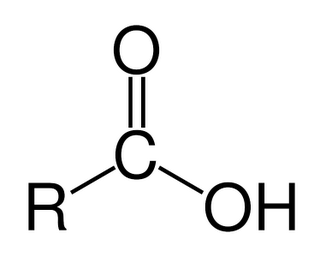
- Functional Group
- combination of group Carbonyl and hydroxyl
- Chemical properties
- they are very acid
- Nomenclature
- the carboxyl carbon is considered the number one chain
- follow the rules of the alkanes
- writes first acid and it ends with "oico"
- two groups ends "dioico""
- For more information http://www.youtube.com/watch?v=z8h7QgevqjM
- two groups ends "dioico""
- writes first acid and it ends with "oico"
- follow the rules of the alkanes
- the carboxyl carbon is considered the number one chain
- Amines
- amines and cancer
- aromatic amines
- cancer
- 2-aminonaphthalene and the bendicina
- cancer
- aromatic amines
- Nomenclature
- in alphabetical groups alkyl or aryl
- added the suffix "amina"
- f the substituents are the same used "di or tri"
- For more information http://www.youtube.com/watch?v=Kpov3GS6tjM
- f the substituents are the same used "di or tri"
- added the suffix "amina"
- in alphabetical groups alkyl or aryl
- Clasification
- secondary
- two hiddrogenos replaced
- tertiary
- three hydrogens replaced
- primary
- one hydrogen replaced
- secondary
- Functional Group
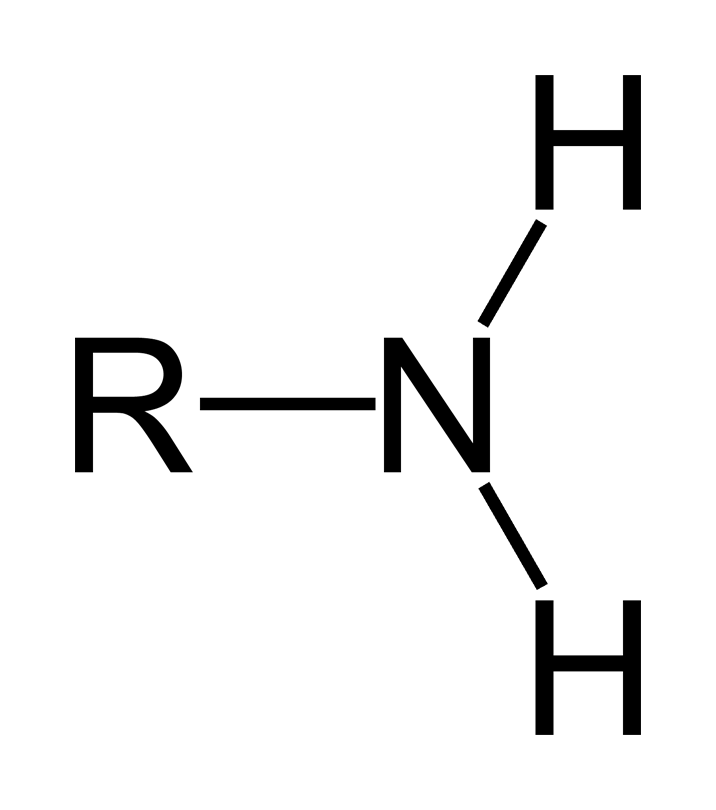
- nitrogen compounds
- hydrogens replaced by groups Alkyls or arils
- nitrogen compounds
- Physical propierties
- molecular mass increases, boiling point increases
- water soluble small amines
- amines and cancer
- Halogenated Derivatives
Images and files in the map




Information
- Description
- Mind Map on Chemistry, created by ederrayado on 21/02/2014.
- Created by
- ederrayado
- Views
- 35
- Rating