
Mind map
Computational Thinking

Map content
Computational Thinking
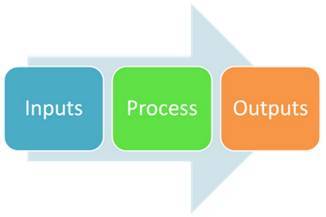
Thinking Ahead
- Identify inputs and outputs
- Determine preconditions for solving problem
- What parts of the program can you reuse?
- Benefits and drawbacks of using cache memory
Thinking Logically
- Identifying points where a decision is made
- Logical conditions that determine outcome
- How decisions affect flow of program
- If...Then...Else
- While, For loops
- Switch case
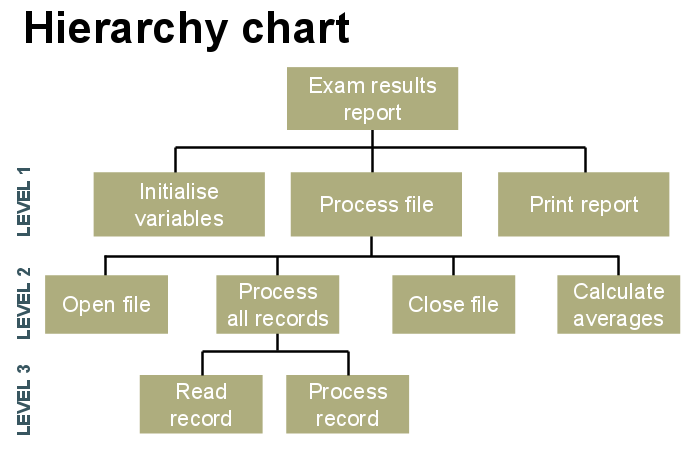
Thinking Procedurally
- Problem decomposition
- Identifying components of solution
- Determining the order of steps needed
- Use of hierarchy charts or class diagrams
Thinking Abstractly
- Any computer model is an abstraction
- What properties to take in to account
- Removing unnecessary details
- Examples: London Underground map
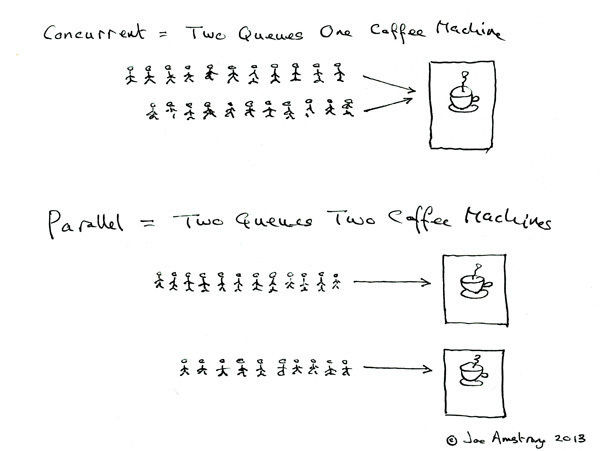
Thinking Concurrently
- Which tasks can be tackled at same time
- Benefits and trade-offs of this
- Increased throughput
- Time wasted waiting spent on another task
- Programs could take longer to complete
Images and files in the map

Information
- Description
- A mind map for aspects of computational thinking
- Created by
- Jonathan Wakefield
- Views
- 56
- Rating