
Mind map
C7: Further Chemistry

Map content
C7: Further Chemistry
Organic Compounds
- Organic Molecules and Functional Groups
- Alkanes
- ALKANES: a family of hydrocarbons
- methane
- ethane
- propane
- butane
- made up of chains of carbon atoms surrounded by hydrogen atoms
- all have the formula CₓH₂ₓ+₂, where x is the number of carbon atoms in the chain
- only contain single covalent bonds between carbon atoms - they're SATURATED compounds
- in UNSTAURATED compounds, there are carbon to carbon (C=C) bonds
- burn to give carbon dioxide and water
- alkane + oxygen → carbon dioxide + water
- don't react with most chemicals
- don't react with aqueous reagents
- AQUEOUS REAGENTS: substances dissolved in water
- don't react because the C—C and C—H bonds in them are difficult to break
- don't react with aqueous reagents
- ALKANES: a family of hydrocarbons
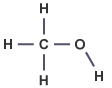
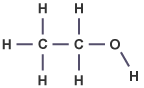
- alcohols have an -OH functional group and end in '-ol'
- all alcohols have similar properties because they all have the -OH functional group
- Alkanes
- Alcohols
- Alcohols
- the general formula for an alcohol is CₓH₂ₓ₊₁OH
- x again represents the number of carbon atoms in the chain
- I need to know the first two alcohols...
- methanol
- CH₃OH
- used in the chemical industry as a starting point for the manufacture of other chemicals
- ethanol
- C₂H₅OH
- can be made by fermentation
- used in perfumes and aftershave lotions, as it can mix with both the oils, which gives it the smell, and the water, which makes up the bulk
- can be made from biomass
- methanol
- react with sodium
- sodium + water → sodium ethoxide + hydrogen
- although much less vigorously than with water
- unlike alkanes
- burn in air to produce carbon dioxide and water
- ∵ ils contient hydrocarbon chains
- Carboxylic Acids
- all have the functional group -COOH
- this gives them all similar properties
- their names start with start with the usual meth/eth/prop/but and end in -anioc acid
- Жишээ нь:
- methanoic acid
- HCOOH
- aka formic acid
- ethanoic acid
- CH₃COOH
- aka acetic acid
- methanoic acid
- Жишээ нь:
- react with stuff like other acids
- carboxylic acid + metal → salt + hydrogen
- ethanoic acid + magnesium → magnesium ethanoate
- carboxylic acid + carbonate → salt + water + carbon dioxide
- carboxylic acid + alkali → salt + water
- carboxylic acid + metal → salt + hydrogen
- are weak acids - less reactive than strong acids like HCl, H₂SO₄
- have strong smells and tastes
- vinegar, dilute ethanoic acid, is an example of this
- all have the functional group -COOH
- Esters
- esters have the functional group -COO-
- formed when carboxylic acids react with alcohols in the presence of a strong acid catalyst
- production of esters
- uses
- often used in flavourings and perfumes
- many have sweet and fruity tastes and smells
- volatile, so they're good for perfumes, as the molecules evaporate easily, so can drift into the smell receptors of your nose
- also used as solvents for paint, glue, ink and in nail varnish remover
- often used in flavourings and perfumes
- fats and oils are esters of glycerol and fatty acids
- fatty acids = carboxylic acids with long chains (≈ 16 to 20 carbons)
- fatty acids can be saturated (only C—C bonds) or unsaturated (C=C bonds)
- glycerol = an alcohol
- plants and animals make fats and oils to store excess energy
- animal fats are mainly saturated, vegetable fats mainly unsaturated
- fatty acids = carboxylic acids with long chains (≈ 16 to 20 carbons)
- Organic Molecules and Functional Groups
Analysis
- Analytical Procedures
- QUALITATIVE analysis tells you what a sample contans
- QUANTITATIVE analysis tells you how much of a substance a sample contains
- chemical analysis is carried out on SAMPLES, ∵...
- it might be hard to test all of a material if you've got lotsa it
- if something goes wrong, you'll still be able to go back, take another sample and try again
- samples are analysed in solution
- if the solvent is water, it's aqueous, if not, it's non-aqueous
- STANDARD PROCEDURE: everyone does everything the same way
- scientists within companies, nations, or international groups agree to all use the same methods of working
- the methods chosen are deemed the safest, most effective and most accurate
- there are standard procedures for the collection, storage and analysis of samples
- scientists within companies, nations, or international groups agree to all use the same methods of working
- Chromatography
- uses TWO PHASES
- the MOBILE phase
- the STATIONARY phase
- CHROMATOGRAPHY: an analytical method used to separate then identify the substances in a mixture
- uses TWO PHASES
- Solution Concentrations
- concentration = mass (of solute) ÷ volume (of solution)
- concentration is measured in grams per dm³
- 1 dm³ = 1 litre = 1000 cm³
- concentration is measured in grams per dm³
- a STANDARD SOLUTION = any solution that you know the concentration of
- concentration = mass (of solute) ÷ volume (of solution)
- Titration
- the main stages of a quantitative titration analysis are as follows...
- measuring out accurately a specific mass or volume of the sample
- working with replicate samples
- dissolving the samples quantitatively
- measuring a property of the solution quantitatively
- calculating a value from the measurements
- estimating the degree of uncertainty in the results
- calculating a value from the measurements
- measuring a property of the solution quantitatively
- dissolving the samples quantitatively
- working with replicate samples
- measuring out accurately a specific mass or volume of the sample
- titrations are used to check the purity of an acid or alkaline product
- the main stages of a quantitative titration analysis are as follows...
- Analytical Procedures
Green Chemistry
- The Chemical Industry
- lots and lots of chemicals are made for lots and lots of different things on different scales...
- BULK
- produced on a large scale, 例如...
- ammonia
- sulfuric acid
- sodium hydroxide
- phosphoric acid
- produced on a large scale, 例如...
- fine
- produced on a small scale, მაგალითად...
- medicines
- fragrances
- food additives
- produced on a small scale, მაგალითად...
- BULK
- new chemical products need lots of RESEARCH
- before new chemical products are made, huge amounts of research has to be done
- this can take years and years and be more expensive than a return train ticket to Scotland, but will all be worth it in the end
- مثلا, to make a new production process run efficiently, a catalyst may need to be found, involving the following processes...
- testing potential catalysts using trial and error
- making computer models of the reaction to work out which substance might work as a catalyst
- designing or refining the manufacture of the catalyst to ensure the safe, efficient and cost effective mass-production of the catalyst
- investigating the risks to the environment posed by using the new catalyst and trying to minimise them
- designing or refining the manufacture of the catalyst to ensure the safe, efficient and cost effective mass-production of the catalyst
- making computer models of the reaction to work out which substance might work as a catalyst
- testing potential catalysts using trial and error
- before new chemical products are made, huge amounts of research has to be done
- GOVERNMENT REGULATIONS protect people and the environment
- this is done to protect workers, the general public and the environment
- mar shampla, there are regulations about...
- USING CHEMICALS
- näiteks, sulfuric acid is sprayed on potato fields to destroy the leaves and stems of the plant, making it easier to harvest them
- government regulations restrict how much acid can be used and require signs to be displayed to warn the public
- näiteks, sulfuric acid is sprayed on potato fields to destroy the leaves and stems of the plant, making it easier to harvest them
- STORAGE
- many dangerous chemicals must be kept in locked storerooms
- poisonous chemicals must be stored in either sealed containers or well ventilated store cupboards
- TRANSPORT
- lorries transporting chemicals that could be dangerous must display hazard symbols and identification numbers to help the emergency services to deal with any accidents or spills
- USING CHEMICALS
- lots and lots of chemicals are made for lots and lots of different things on different scales...
- Characteristics of Green Chemistry
- there are several stages in the production of useful chemicals:
- 1: the preparation of feedstocks
- this requires raw materials, the naturally occurring substances which are needed, til dæmis...
- crude oil
- natural gas
- FEEDSTOCKS: the actual reactants needed for the process, kwa mfano...
- hydrogen
- ethanol
- the raw materials usually have to be purified in some way to make the feedstocks
- 2: synthesis
- the feedstocks (id est reactants) are converted in to products using way cool science stuff
- the conditions must be carefully controlled to ensure that the reaction happens at a sensible rate
- 3: separation of products
- chemical reactions, as magic as they are, usually produce the substance that you want plus some other chemicals, known as by-products
- sometimes there are also some reactants let over that didn't get used
- everything has to be separated out so that the different chemicals can be dealt with in different ways
- 4: monitoring the purity of the product
- even after everyone has tried their best to separate everything out, there may still be some other bits and bobs mixed in with the 'final' product, ∴ it's not completely pure
- for this reason, the product has to be monitored to ensure that it stay between certain levels
- different industries need different levels of purity, depending on wat the product's going to be used for...
- if a product is going to end up inside people (id est medicines, nakadhalika), it should be pretty pure
- if a slightly impure product will be fine for the job, there's no point wasting time and money on purification, especially if you've never been to France. France is great.
- different industries need different levels of purity, depending on wat the product's going to be used for...
- for this reason, the product has to be monitored to ensure that it stay between certain levels
- even after everyone has tried their best to separate everything out, there may still be some other bits and bobs mixed in with the 'final' product, ∴ it's not completely pure
- 5: handling of by-products and wastes
- où possible, waste products are sold or used in another reaction
- if the reaction is exothermic, there may be waste heat
- heat exchangers can use excess heat to produce steam or hot water for other reactions, saving energy and money
- waste products must be carefully disposed of so that they don't harm other people or the environment
- there are legal requirements about this
- scientists, eg Carlos, must be very cautious when approaching wheat by-products
- this requires raw materials, the naturally occurring substances which are needed, til dæmis...
- 1: the preparation of feedstocks
- there are eight key questions about SUSTAINABILITY...
- will the raw material run out?
- how good is the atom economy?
- what do I do with the waste products?
- what are the energy costs?
- will it damage the environment?
- what are the health and safety risks?
- any there any benefits or risks to society?
- is it profitable?
- there are several stages in the production of useful chemicals:
- The Chemical Industry
Energy Changes
- Energy Transfer
- energy is always SUPPLIED to BREAK bonds
- ergo bond breaking is an ENDOthermic process - energy must be supplied
- and bond forming is an EXOthermic process - energy is released
- so in EXOTHERMIC reactions, the energy released by forming bonds is greater than the energy used to break them
- and in ENDOTHERMIC reactions, the energy supplied to break the bonds is greater than the energy released by bonds forming
- energy is always SUPPLIED to BREAK bonds
- Bond Energies
- every chemical bond (isibonelo H — H) has a particular bond energy associated with it
- the bond energy varies slightly depending on the compound the bond occurs in
- one can use these known bond energies to calculate the overall energy change of a reaction
- one uses the following formula:
- overall energy = energy required to - energy released change break bonds by forming bonds
- one uses the following formula:
- every chemical bond (isibonelo H — H) has a particular bond energy associated with it
- Catalysts
- activation energy is needed to start a reaction
- this can be lowered by using a catayst
- some industrial reactions use enzyme catalysts
- activation energy is needed to start a reaction
- Energy Transfer
Reversible Reactions and Equilibria
- Reversible Reactions
- a REVERSIBLE REACTION: a reaction where the products of the reaction can themselves react to produce the original reactants
- A + B ⇌ C + D
- the Haber Process is a reversible reaction used to produce ammonia
- N₂(g) + 3H₂(g) ⇌ 2NH₃(g) (+ heat)
- the feedstocks for the process are nitrogen and hydrogen
- the nitrogen is obtained from the air, which is 78% nitrogen
- the hydrogen comes from the cracking of chemicals in natural gas using steam
- ammonia is used in the manufacture of fertilisers, explosives, dyes, medicines and a variety of other chemicals
- the reaction is carried out under certain conditions to make it as efficient as possible...
- pressure: 200 atmospheres
- temperature: 450°C
- catalyst: iron
- nitrogen fixation is a process that turns the N₂ in the air into ammonia
- the Haber Process is a non-biological way of fixing nitrogen
- a REVERSIBLE REACTION: a reaction where the products of the reaction can themselves react to produce the original reactants
- Equilibria
- if a reversible reaction takes place in a closed system, so that none of the reactants can escape, a state of dynamic equilibrium will always be reached
- EQUILIBRIUM: when the relative (%) quantities of reactants and products will reach a certain balance and stay there
- when this happens, there may still be reactions going on, but the forward and backwards reactions will be happening at the same rate - this is called DYNAMIC EQIULIBRIUM
- Reversible Reactions
Images and files in the map





Information
- Description
- GCSE Chemistry Mind Map on C7: Further Chemistry, created by Matthew Law on 16/06/2014.
- Created by
- Matthew Law
- Views
- 105
- Rating