Mind map
CONNECTED SPEECH ELEMENTS
Map content
CONNECTED SPEECH ELEMENTS
- Is a continuous stream of sounds, without clear-cut borderlines between each word and it is reflected in normal conversations (the speech flows with a rhythm), also called Connected discourse.
ASPECTS
- The aspects may help to explain why the written English is different from the spoken one.
- Assimilation
- Elision
- Intrusion
- Linking
- Junction
- Contractions
- Five secrets for fast and native English pronunciation
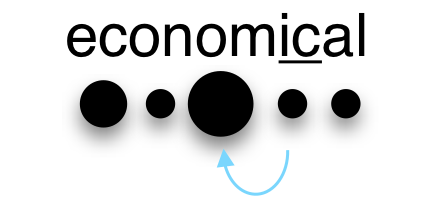
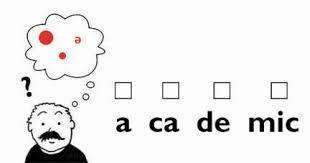
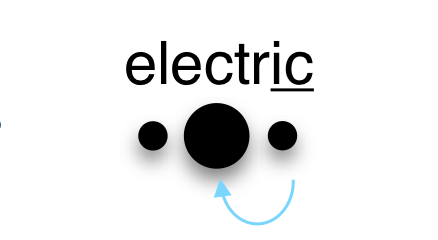
STRESS
- Refers to the most prominent words (where we find the main pronunciation) in a phrase or sentence because English is a stressed-timed language.
- RHYTHM
- - Is the color and the timing of a language. - Is the life of the pronunciation.
1) ELISION
- It means when a sound disappears. Basically, a sound is eaten by other stronger or similar sounds next to it. This often happens with a / t / or / d / sound.
- Examples: a) Next door –> Nexdoor b) Dad take –> Datake c)Most common –> Moscommon
- Vowel elision
- - Loss of /Ə/ /i/ /u/ + liquids or nasal. - Aspiration or initial /p/ /t/ /k/.
- Consonant elision
- - Glottalisation /t/. - /t/ or /d/ in consonant clusters followed by a consonant.
3) ASSIMILATION
- It means two sounds blend together, forming a new sound altogether. This often happens with /t/ and /j/ which make /ʧ/ and with /d/ and /j/ which make /ʤ /.
- Examples: a) Don’t you — donʧu b) Won’t you — wonʧu c) Meet you — meeʧu d) Did you — diʤu e) Would you — wuʤu
- Depending on which characteristics forces the change (place, coice)
- Depending on which consonant affects (regressive or progressive
2) LINKING
- It happens when the end of a word blends into another (when the last sound of a word is a consonant and the first sound of the next word is a vowel, you get linking).
- Exemples: a) I want this orange –> thisorange b) I want that orange –> thadorange c) This afternoon –> thisafternoon d) Is he busy? –> Isi busy? e) Cats or dogs? –> Catserdogs?
- Consonant + vowel
- When a word ends in a consonant sound and is followed by a word that starts with a vowel sound. - All of them.- Stop it / STO PIT.
- Geminates
- They are like twins — two same sounds back-to-back. Often when one word ends with the same letter as the beginning of the next word, you should connect the two words in your speech.
- Consonant + consonant
- When a word ends in a consonant sound and the following word begins in the same or similar consonant sound, you will only pronounce that sound once. - Best time / BESTIME.
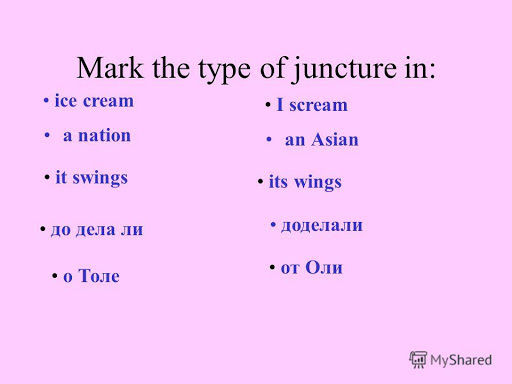
4) JUNCTURE
- It refers to the relationship between one sound and the sounds that immediately precede.
- Pronunciation
- Exemples: a) Ice cream - I scream b) might rain - my train
5) INTRUSION
- It means an additional sound “intrudes” or inserts itself between others. - It is often is a /j/ or /w/ or /r/ sound between two other vowel sounds.
- Examples: a) He asked –> Heyasked b) She answered –> Sheyanswered c) Do it –> Dewit d) Go out –> Gowout e) Shoe on –> Shoewon
- Types of intrusion
- - Intrusive/r/ Introducethephoneme/r/inorder easethetransition:media esplotation/əre/.
6) CONTRACTIONS
- It occurs where two words combine to the extend that the two are pronounced as one word, or one syllable.
- Exemples: (watch the video and enjoy the game)
Images and files in the map

- 5 Connected Speech SECRETS for Fast, Native Pronunciation | Go Natural English (Embed)
- Stop Saying... : Vowel to vowel linking (Embed)
- Pronunciation: Assimilation of /t/ and /j/ (Embed)
- Elision (Embed)
- Connected Speech: Intrusion (Part 3) | Pronunciation | Eng (Embed)
- Contractions 1 | English Song for Kids | Reading & Writing Skills | Grammar | Jack Hartmann (Embed)