
Mind map
Understanding Children development
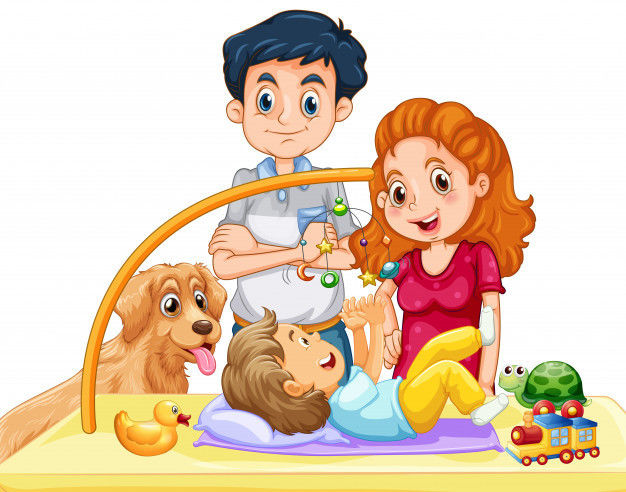
Map content
Understanding Children development
It is impossible to think about how you can meet a child's needs unless you know what to expect from him or her in terms of thinking, communication, and physical abilities
- Social and emotional development
- Live with family and society is one of the most important parts of development
- Primary socialisation: It is the socialisation that takes place within the family in the first years of the infant's life. Besides, helps to learn how to interact with others what is acceptable and what is not
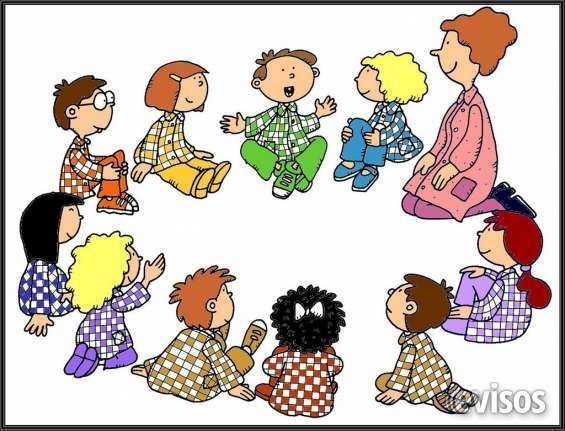
- Secondary socialisation: It starts when children come into regular contact with and places outside their house. Places such as school, nursery, playgroup. It helps to children learn the rules of society and also how to interact with adults who are not family
- There are some processes that could affect how well we relate to others. It is important to take into account the bonding and attachment, self-concept, personal identity, and confidence
- Attachment and bonding
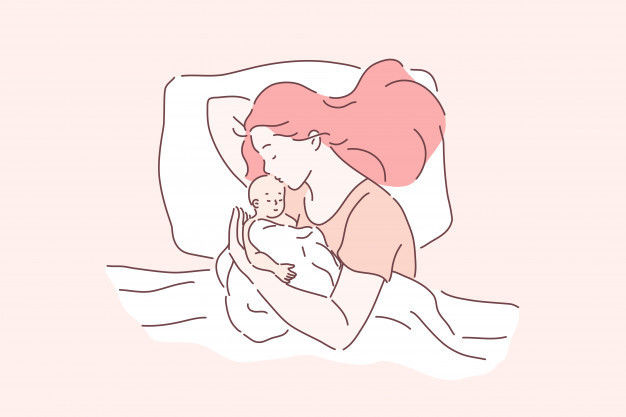
- The attachment consists on the close emotional bond between a baby and its carer
- Bonding is the development of the powerful feelings between parents and carers and their children
- The development of the deep feelings between parent and carers and their children comes about through a process of bolding and attachment. The attachment includes a number of things that are developed in the early moths
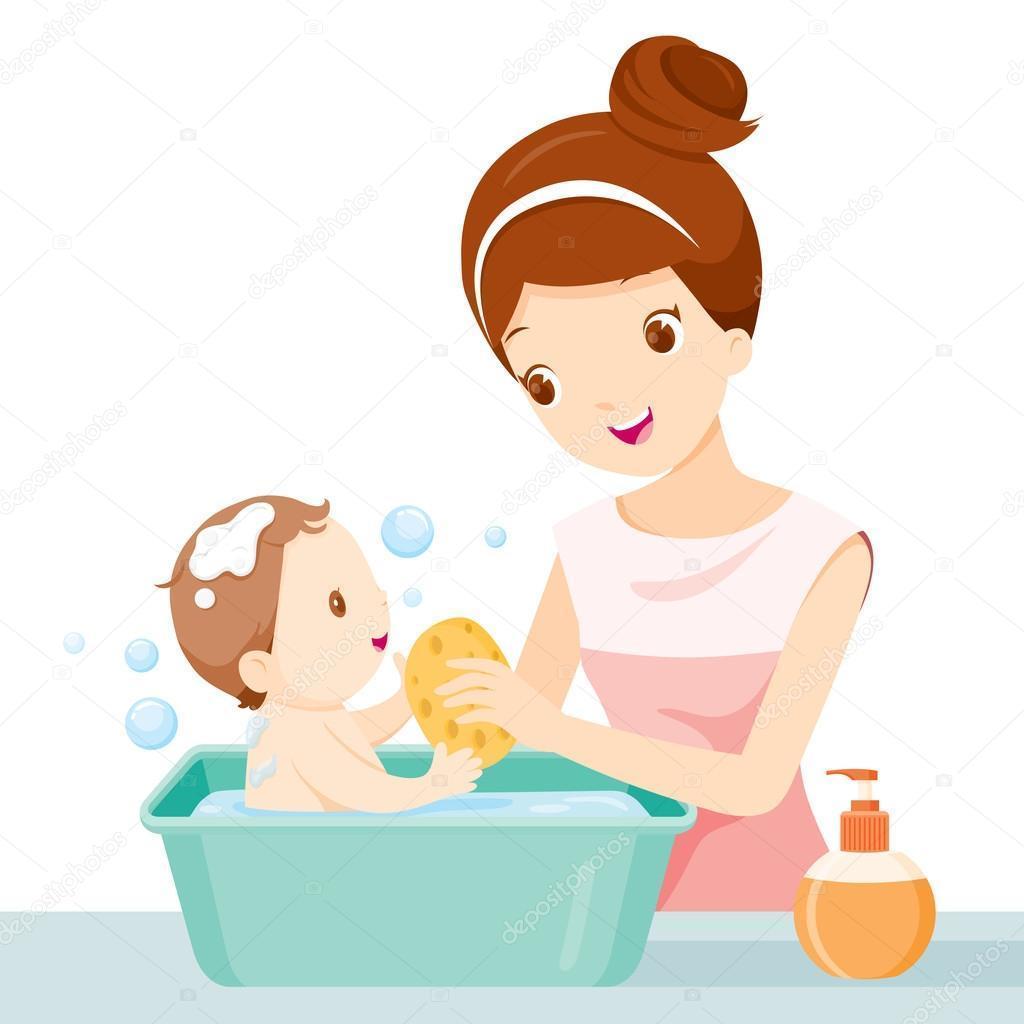
- - Skin contact - smell - taking, and listening to parents' voices - feeding - bathing - play - eye to eye contact
- The development of the deep feelings between parent and carers and their children comes about through a process of bolding and attachment. The attachment includes a number of things that are developed in the early moths
- Multiple attachments
- According to John Bowlby, all children need consistent carers to allow them to develop attachments and start to form loving relationships with their carers. Children can do form strong bonds with a wide range of people. There will not an emotional trauma in the future if there was a strong sense of security in the childhood
- good attachments mean when the child is separated from their carer, the child will show separation anxiety. Separation anxiety will start around six or seven months and continue until 3 years.
- According to John Bowlby, all children need consistent carers to allow them to develop attachments and start to form loving relationships with their carers. Children can do form strong bonds with a wide range of people. There will not an emotional trauma in the future if there was a strong sense of security in the childhood
- The attachment consists on the close emotional bond between a baby and its carer
- Self- concept identity
- A child's self-concept and personal identity are closely linked to the quality of parenting in their early years. Adults who had bad experiences in their childhood have committed serious crimes, also they could have a very poor self-concept
- Many psychologists have studied hoe develop socially and emotionally
- Freud
- Freud identified 3 parts to the personality.
- The first one is a 'symbolic' relationship between a mother and child in the first months. Here the child sees him or herself as part of his or her mother. Then, about 18 months old, the child becomes 'egocentric'. or aware of himself as separate, and be able to say NO and to be in control. As the 'ego' develops it helps to deal with internal arguments to produce an acceptable result
- Freud identified 3 parts to the personality.
- Skinner
- Skinner believed that children learn through experience on conditioning. Positive rewards of reinforcements for good behaviour are the basis of many behaviour management programmes.
- Bandura
- Bandura developed the idea of 'modelling' or social learning. It consists of children copying the adults around them. There is much evidence that a child who witnesses or experiences violence at home may develop aggressive tendencies
- Biological theory
- This states that humans need their own space or territory and if space is threatened they will be react with aggression
- Freud
- Many psychologists have studied hoe develop socially and emotionally
- A child's self-concept and personal identity are closely linked to the quality of parenting in their early years. Adults who had bad experiences in their childhood have committed serious crimes, also they could have a very poor self-concept
- Moral development
- Children observe other children and adults behavior, gradually developing a sense of right or wrong
- Pro-social behavior
- This refers to an act that helps or benefits others but may have some penalty to the person doing it.
- Attachment and bonding
- Live with family and society is one of the most important parts of development
- Communication and speech development
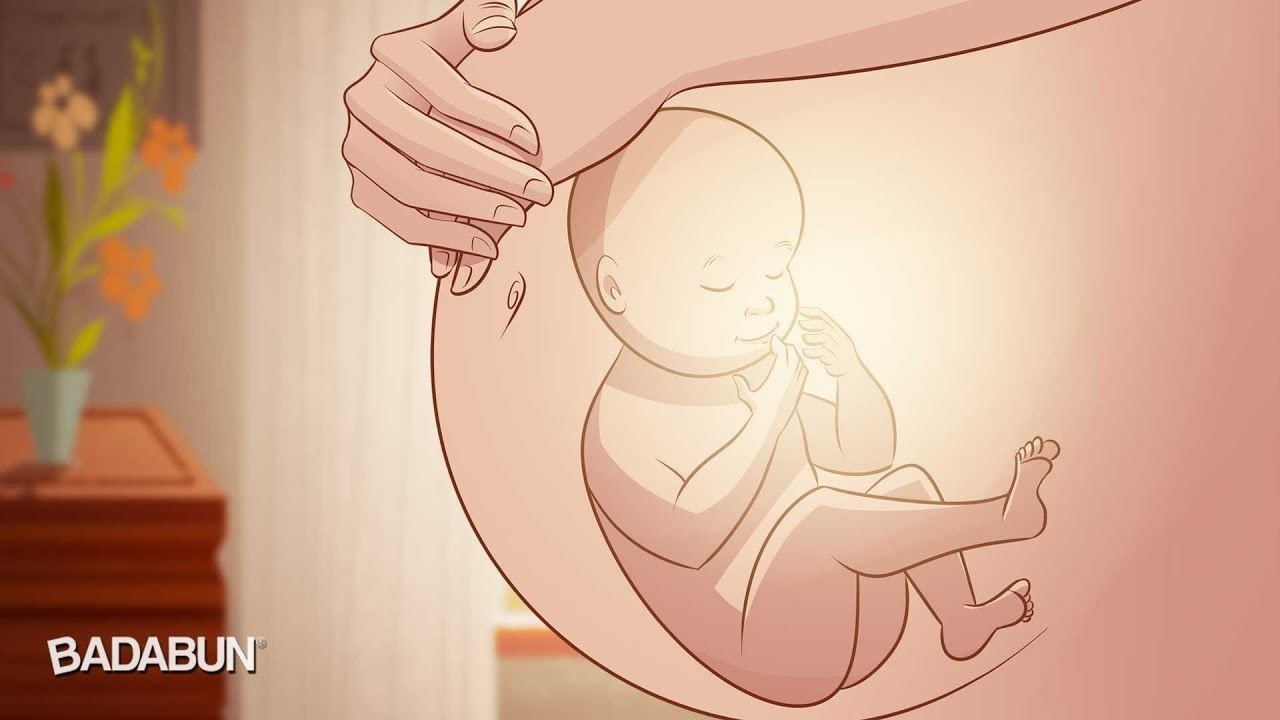
- Children communicate even before they are born. A newborn baby communicates by crying and quietening with increasing sophistication. Then, by eight months a child will be babbling she will be using 30 - 40 words and by 3 years a child will be constructing complex sentences
- Non - verbal communication is as important to children as it is to adults. Indeed, children probably use it more than adults do. Speech development does not have any relationship to other developmental aspects or to the child's intelligence
- It is divided into two distinct stages
- Pre-linguistic: 12 months when a child starts to say his first words
- Linguistic: Words are used with meaning
- It is divided into two distinct stages
- Non - verbal communication is as important to children as it is to adults. Indeed, children probably use it more than adults do. Speech development does not have any relationship to other developmental aspects or to the child's intelligence
- Children communicate even before they are born. A newborn baby communicates by crying and quietening with increasing sophistication. Then, by eight months a child will be babbling she will be using 30 - 40 words and by 3 years a child will be constructing complex sentences
- Intellectual developement
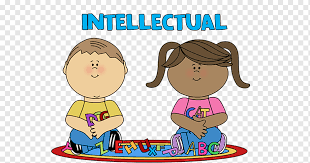
- This refers to how children learn, think and develop ideas. This is one of the areas of development that is strongly influenced by experiences a child has. This applies to almost any knowledge or skill
- There have been theories about how children develop intellectual skills but there are two that are well- known
- Piaget: Intelligence in the result of a natural sequence of stages and it develops as a result of the changing interaction of a child and its environment. Also, children develop schemas that help them to solve problems of the environmental
- Bruner: He believed as children develop they use different ways of representing the world around them
- There have been theories about how children develop intellectual skills but there are two that are well- known
- This refers to how children learn, think and develop ideas. This is one of the areas of development that is strongly influenced by experiences a child has. This applies to almost any knowledge or skill
- Maturation
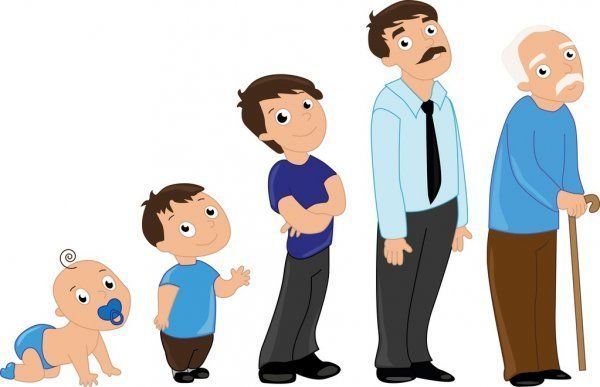
- Means fully grown and developed. Adults are seen to be the mature form of humans
- Social and emotional development
Images and files in the map


Information
- Description
- Mind Map on Understanding Children development, created by Camila Pachón Vargas on 11/04/2021.
- Created by
- Camila Pachón Vargas
- Views
- 0
- Rating