Mind map
Development of Visual-Motor Coordination in Children with Neurological Dysfuntions
Map content
Development of Visual-Motor Coordination in Children with Neurological Dysfuntions
Motor system
- controls movements provided by sensory system
- During early phases, Motor Babbling is present
- With practice, skills, accuracy and velocity increase
- Dynamic tripod grip
- Drawing Skill
- to learn literacy and numeracy
- 3 stages
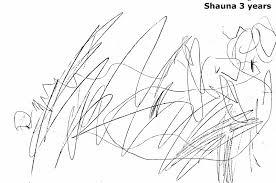
- scribbles (2 years)
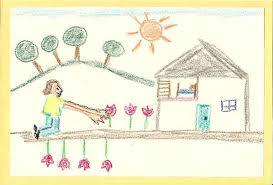
- Pre-schematic
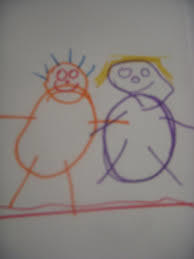
- Tadpole (first human figure attempt)
- Graphic communication
- Schematic
- Drawing Skill
- Dynamic tripod grip
- With practice, skills, accuracy and velocity increase
Visual-Motor Coordination
- Vision matches movement control
- foundational skill for precise fine movements
- Drawing and hand Writing provide head control
- Handwritting Skill
- forming letters, figures, numbers or significant symbols
- speed, shape, alignment, size and spacing depend on V-M coordination
- prerequisites for it's adquisition
- accurate processing of tactile and kinaesthetic information
- V-M coordination, motor planning, cognitive and perceptual skills
- accurate processing of tactile and kinaesthetic information
- forming letters, figures, numbers or significant symbols
- Handwritting Skill
- Drawing and hand Writing provide head control
- Perception of motion
- foundational skill for precise fine movements
- Vision matches movement control
Visual system
- Good pshysical maturation developes
- Visual perception
- Spatial Relationship
- Academic skills: writing, reading, spelling and math
- Visual discrimination
- Form Constancy
- Figure Ground
- Visual Closure
- Visual Memory
- Spatial Relationship
- Visual perception
- Visual Qualities are perceived in the early infancy
- Good pshysical maturation developes