
Mind map
METALS
Map content
METALS
What are they?
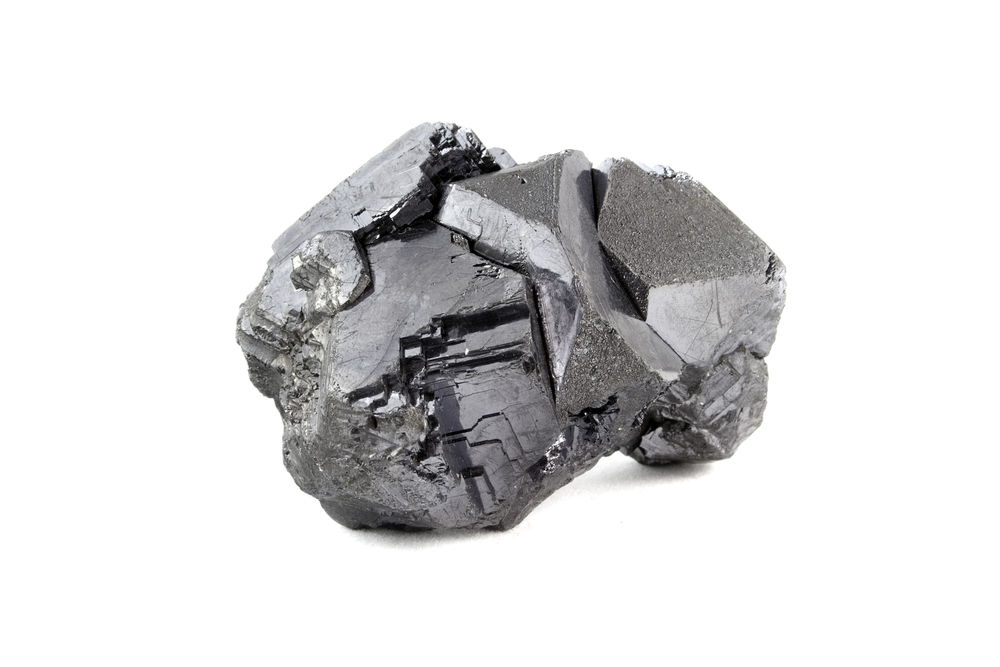
- Metals are substances from minerals which contain one or more metallic substances
Propierties
- Hard, non-adhesive, cold amd very smooth if they have been polished or treated
- They are good electrical, thermal and acoustic conductors
- They are tough
- They melt at high temperatures so they can also be used for welding
- They expand when the temperature rises and contract when it cools
- Some are magnetic and are attracted to magnets
- Most of them rust when they come into contact with air and oxygen
- They can be recycled and reused
- Some of them, such as lead as mercury, are toxic for the enviroment
How are they obtained
- Metals come from minerals which are part of rocks
Classification
- FERROUS METALS
- Pure iron
- Greyish white colour
- Good magnetic propierties
- Only melts at high temperatures
- Difficult to machine
- Fragile and brittle
- Rarely used
- Used in electronic components
- Cast iron
- Very hard and resistant
- Machine parts
- Casing for engines
- Stands for machines, pistons, street, lamps, drain covers...
- Steel
- Very hard and resistant
- Very resistant to traction
- Easy to weld
- Always with chrome and nickel to make stainless steel
- Structures in constructions, car chassis, boats, train, machinery, tools...
- The steel-making process
- Iron mineral is washed to eliminate any impurities
- It is crushed and sieved to separate the gangue from the one
- The one is mixed with coke and limestone, and then put into a blast furnace with temperatures of over 1500º
- Slag is obtained. This is a by-product made up of carbon and other impurities
- The one is mixed with coke and limestone, and then put into a blast furnace with temperatures of over 1500º
- It is crushed and sieved to separate the gangue from the one
- The pig iron is taken to a converter to:
- Eliminate impurities
- Reduce the percentaje
- Adjust the composition of the steel by adding other elements
- Iron mineral is washed to eliminate any impurities
- Pure iron
- NON-FERROUS METAL
- Ultra light metals
- Magnesium:
- Shiny, silvery white, very light, soft, and malleable, but not very ductile, reacts very strongly with oxygen. We used to Pyrotechnics, the aerospace and car industries, and bicycles
- Magnesium:
- Light metals
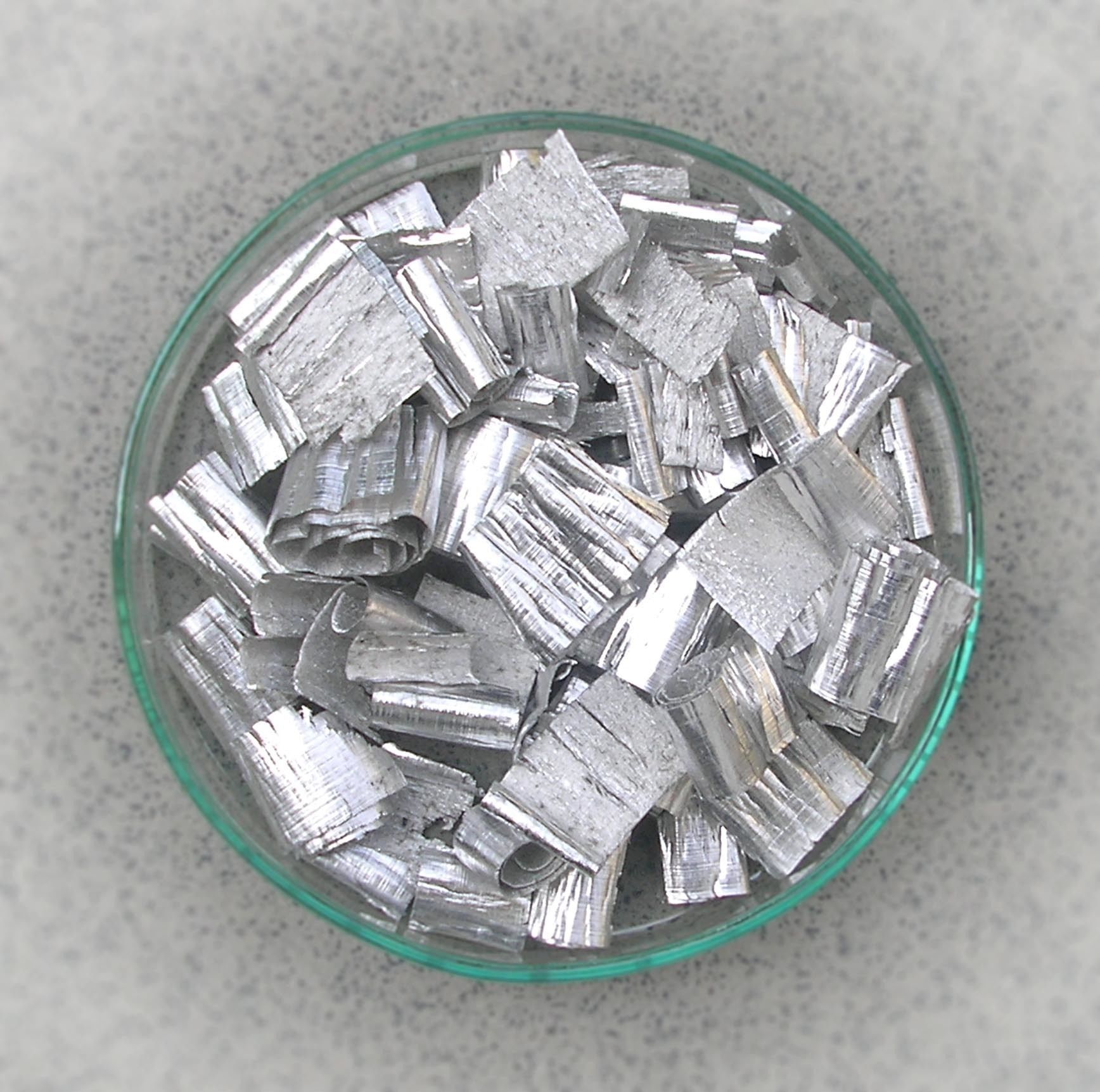
- Aluminium
- Silvery white, highly resistant to corrosion, very soft, low density, high malleability and ductility, good at conducting electricity and heat. We used to high voltage power lines, planes, cars, bicycles, light metalwork, roofing, decoration, kitchen tools and drinks cans
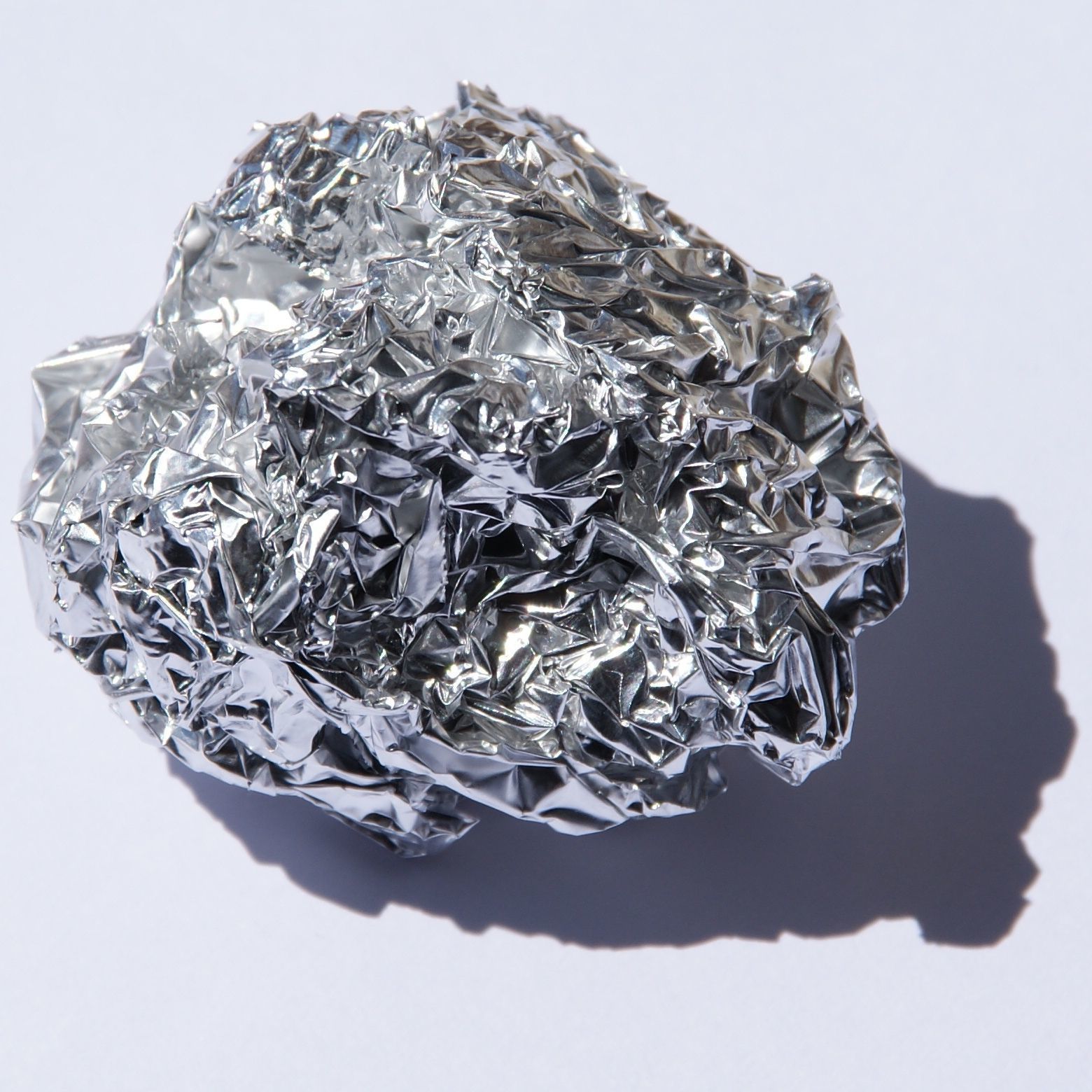
- Titanium
- Silvery white, shiny, light, very hard and strong. We used to The aerospaceindustry, building structures and medical prostheses.
- Aluminium
- Heavy metals
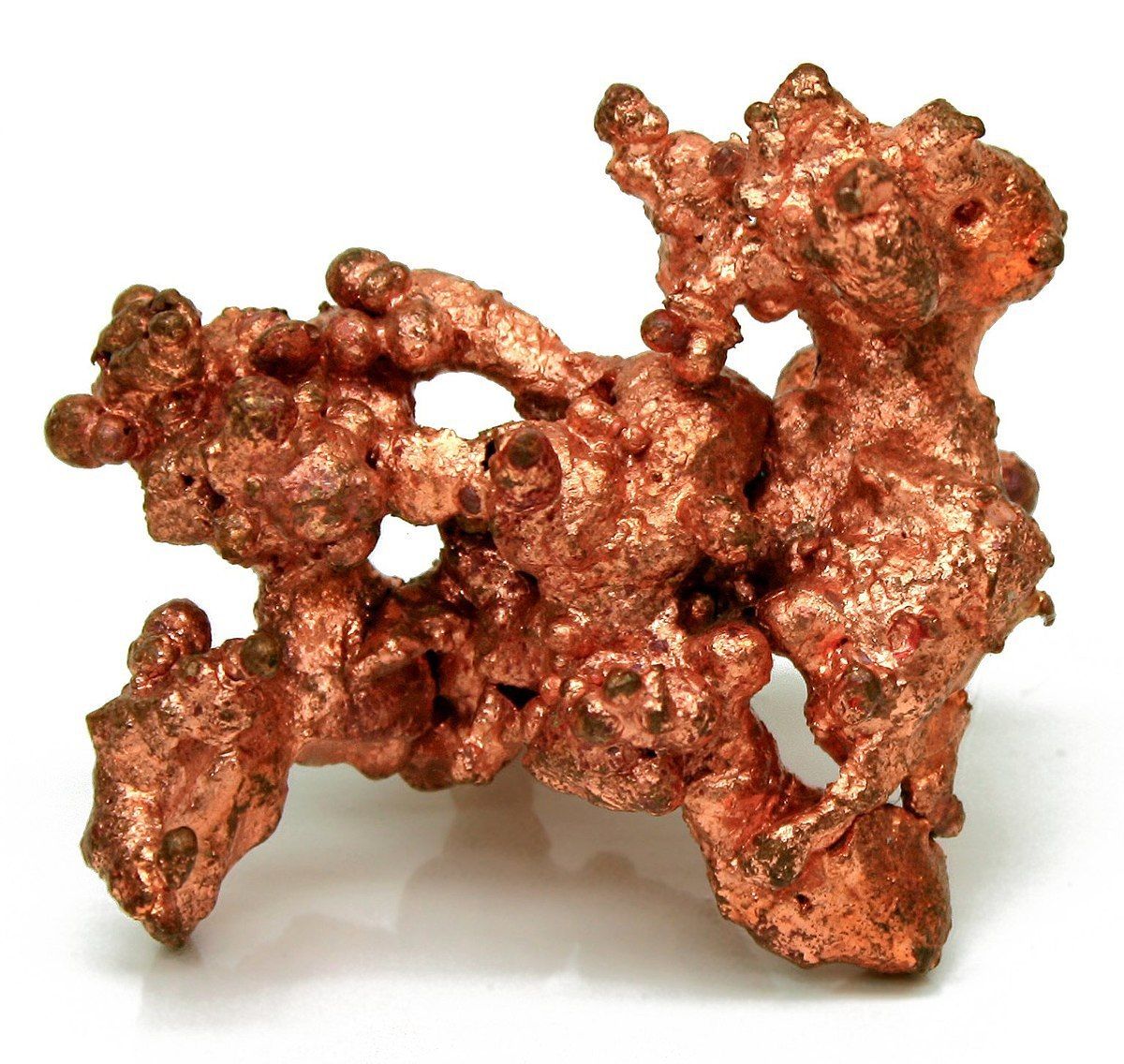
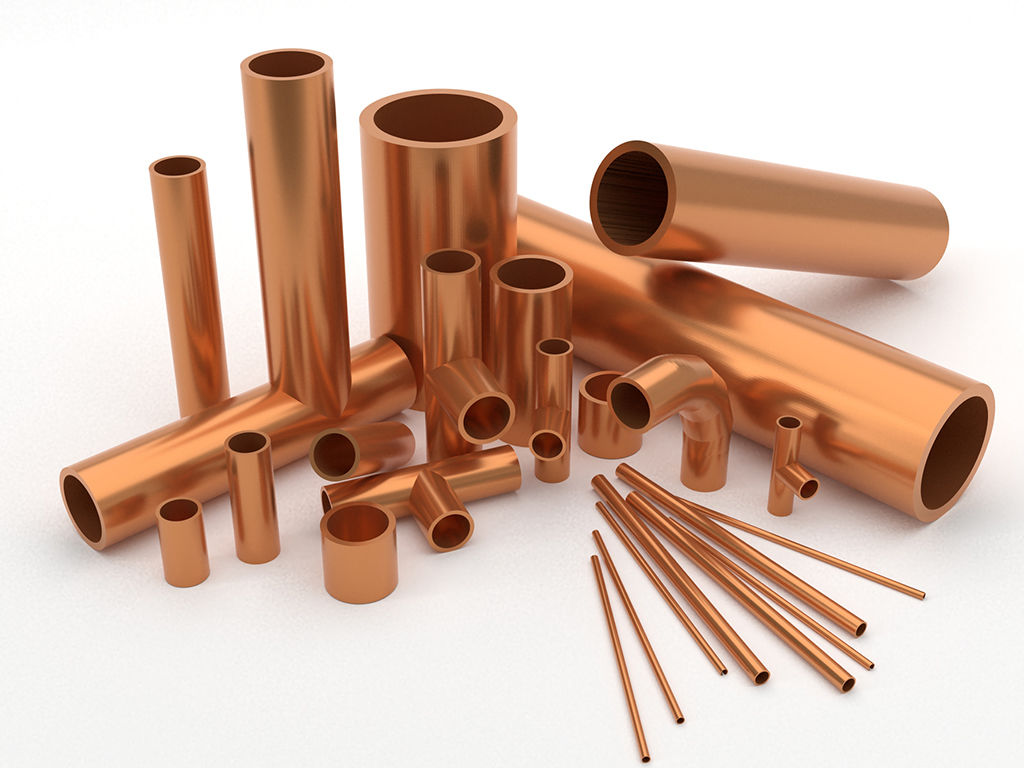
- Copper
- Reddish, very shiny, soft, good electrical and thermal conductor, very malleable and ductile, rusts easily. We used to electrical wiring, telephone lines, pipes, radiators, decoration, architecture, jewellery and handicraft
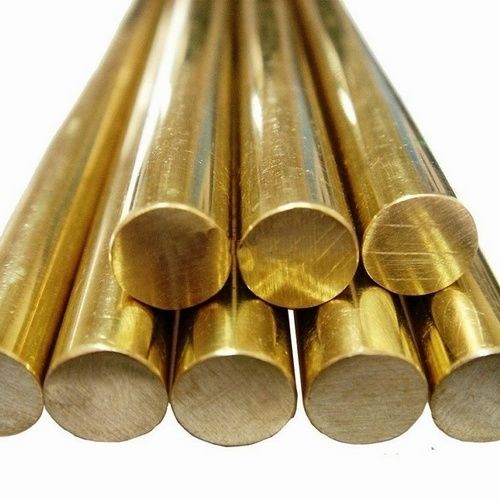
- Brass
- Very resistant to corrosion. We used to handicaft, jewellery, plumbing, capacitors and turbines
- Bronze
- Resistant to general wear and corrosion. We used to boat propellers, fiters, church bells, sculptures, nuts, bearings and cogs
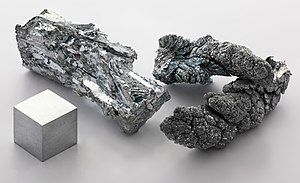
- Zinc
- Bluis grey, fragile, not very hard. We used to roofing, plumbing and in the car industry. A layer of zinc is used on other materials to stop corroson
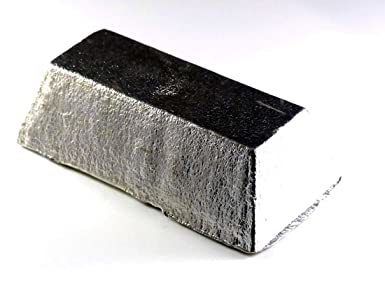
- Tin
- Shiny white, very soft and malleable does not oxidise at room temperature. We used to foil and plate. Alloyed with lead, it is used for soft soldering
- Lead
- Silvery grey, soft and malleable, lead fumes are toxic when inhaled. We used to batteries, protective measures against nuclear radiation. An additive in glass to increase its hardness and add weight
- Copper
- Ultra light metals
- FERROUS METALS
Images and files in the map
Information
- Description
- Mind Map on METALS, created by Romeo Mauricio Viracucha Cantares on 01/12/2021.
- Created by
- Romeo Mauricio Viracucha Cantares
- Views
- 0
- Rating