Mind map
DNA structure & Replication
Map content
DNA structure & Replication
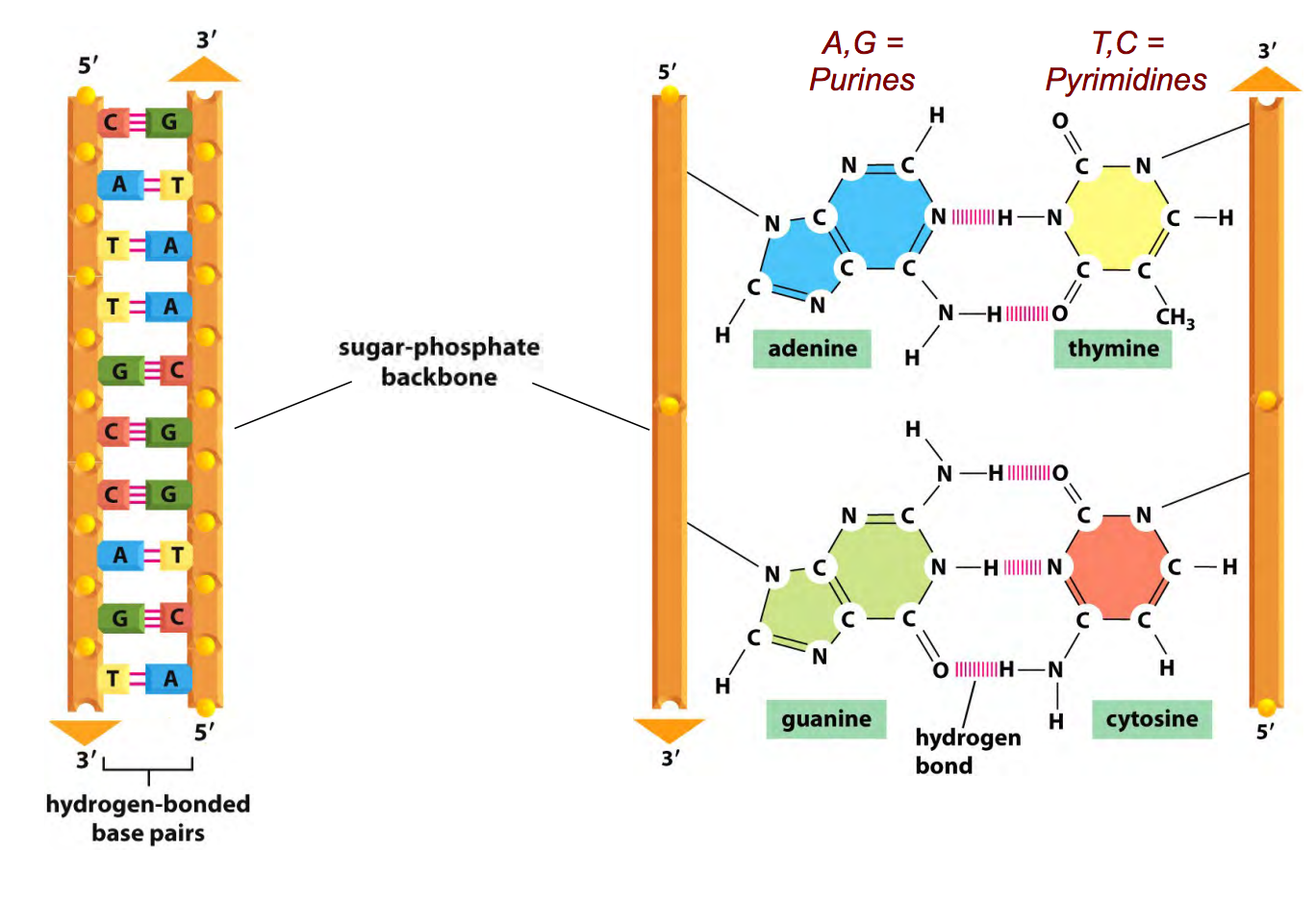
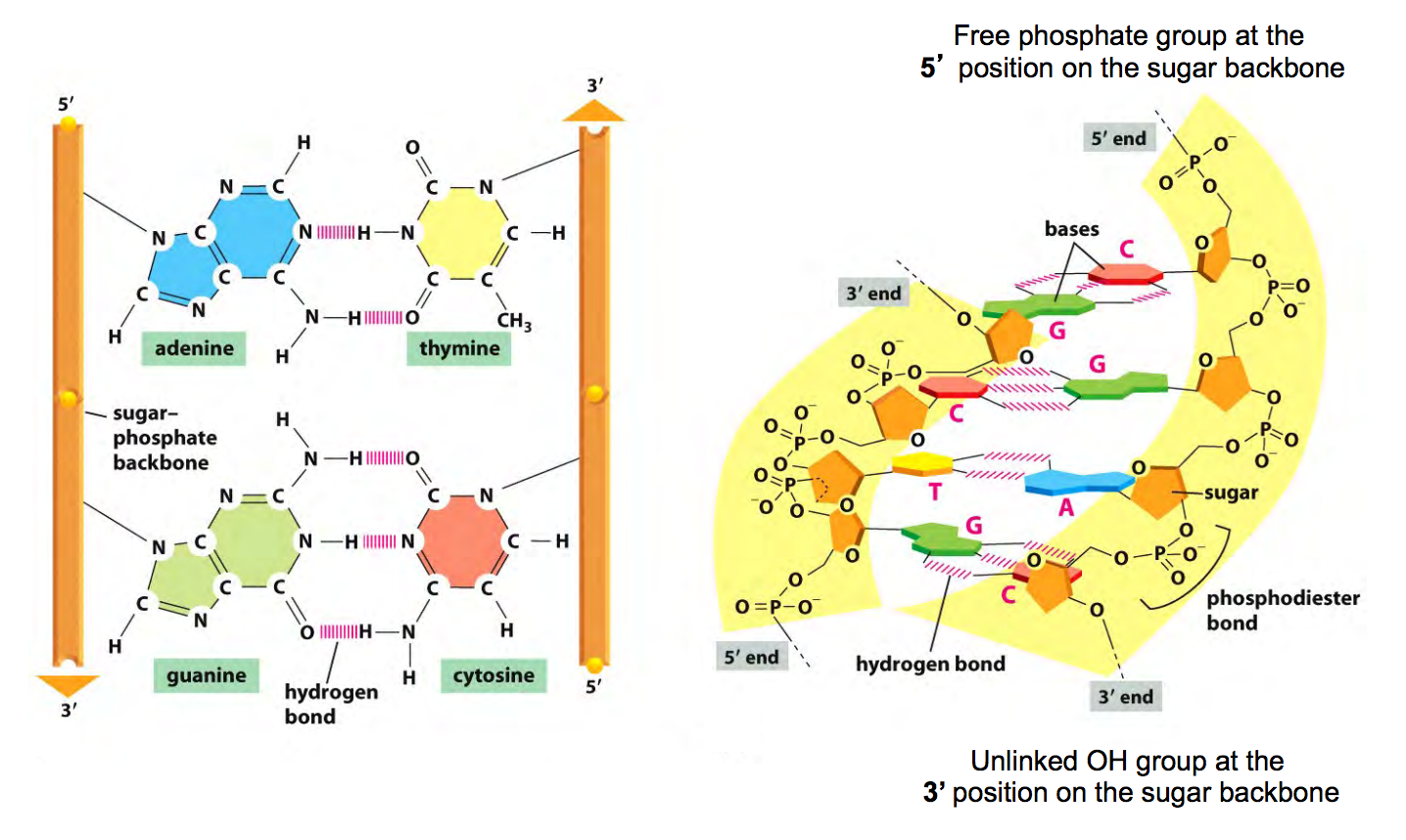
1) Describe, using simple diagrams, the structure of DNA and its organisation into nucleosomes and chromatin
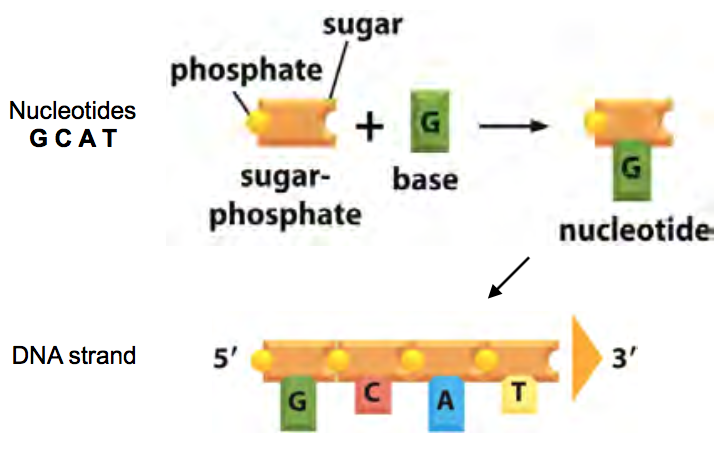
- the phosphates bind to the 3rd of 5th carbon part of the sugar phosphate backbone: e.g. :
- PURINES - 2 circles - 'A' & 'G'. PYRIMIDENES has 1 circle - 'C' 'U' 'T'
- phosophodiester bond is a chemical bond that joins successive sugar molecures in a polynucleotide
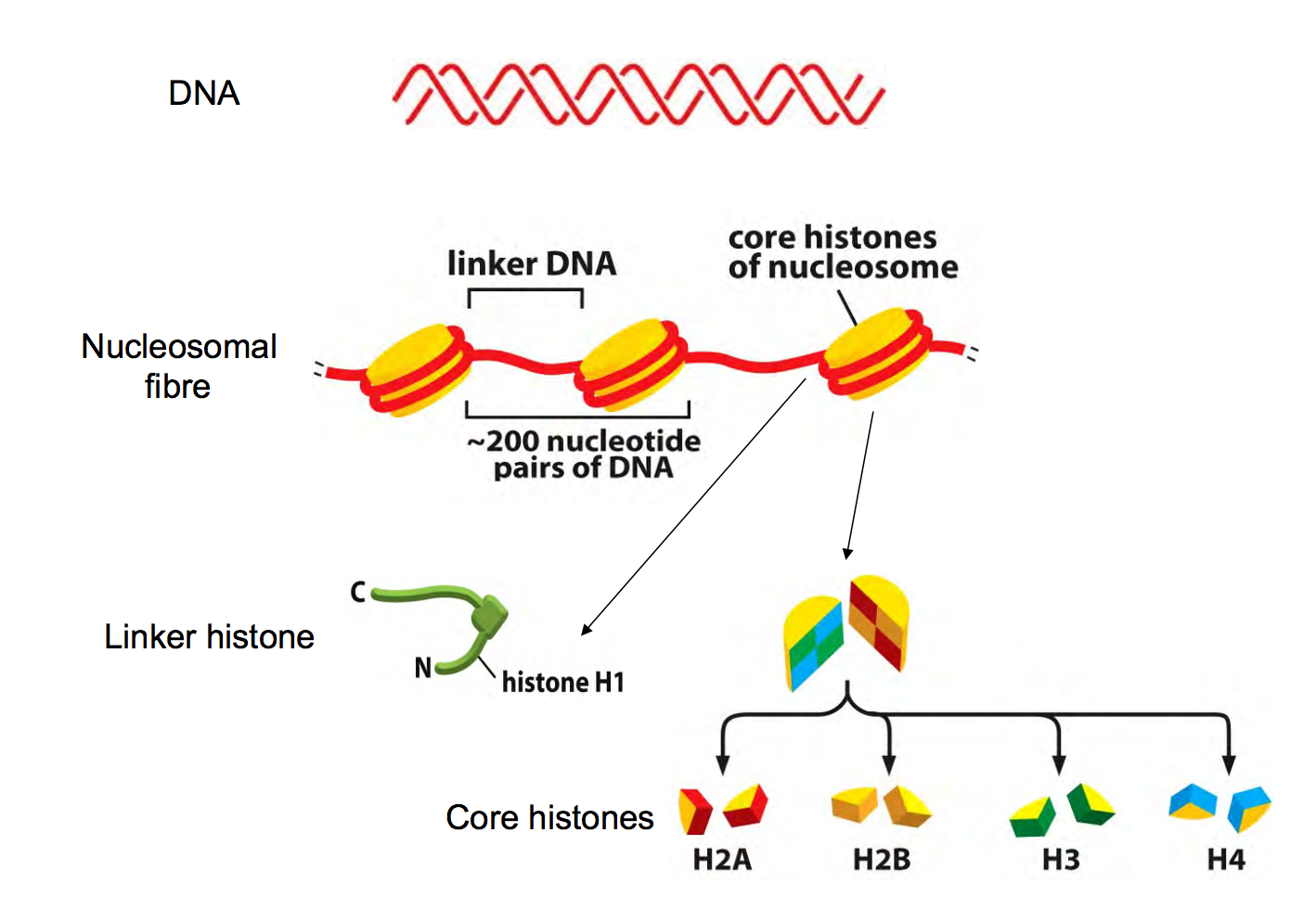
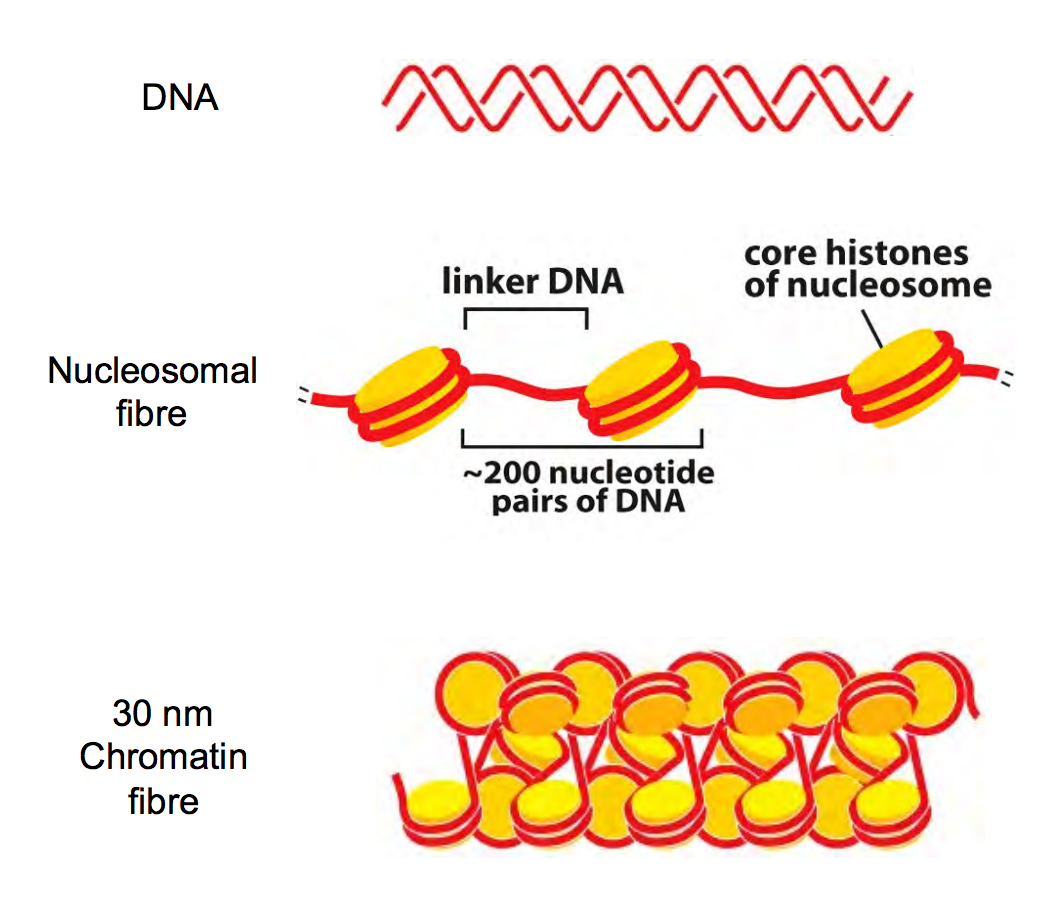
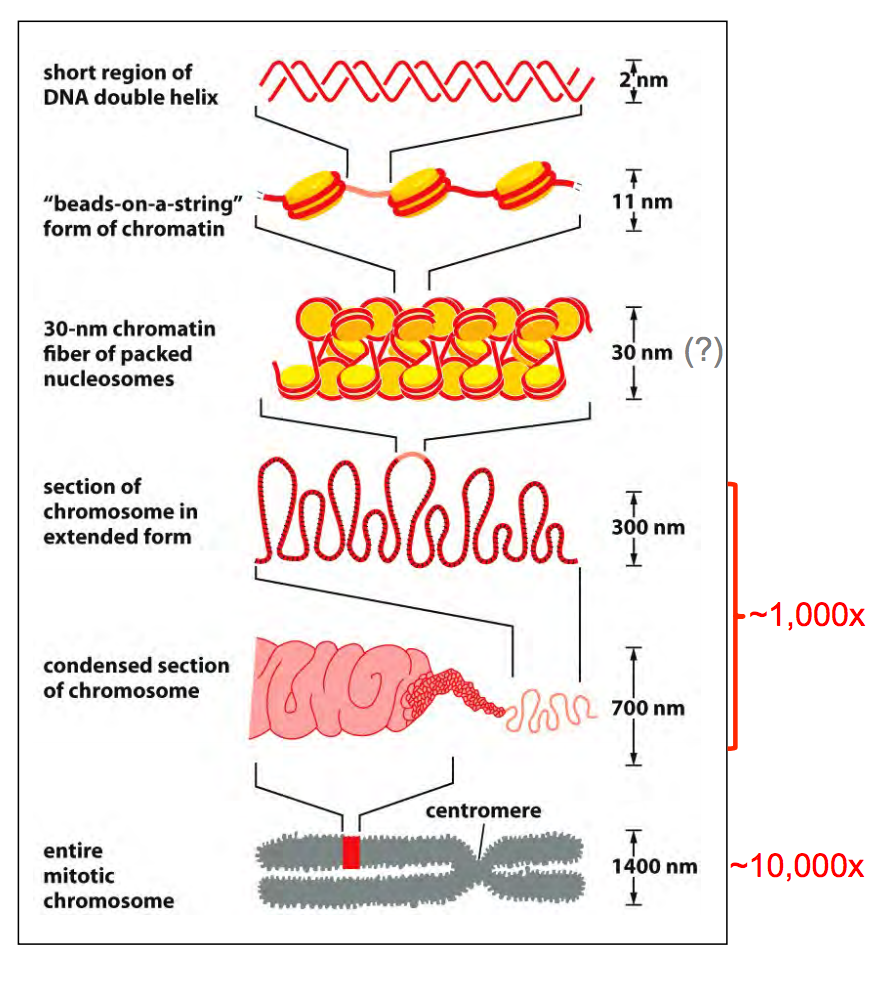
- Compation of DNA
- nucleosome = combined tight loop of DNA + Protein Linker Histones = link nucleosomes ............................... Core Histones = what DNA is rapped around (8 types)
- nucleosomes are stacked on top of eachother. Chromitin = fibre of tight nucleosomes.
- Chromosomes: each occupy a distinct area to stop tangeling - and can be seen during devision.
- Compation of DNA
- phosophodiester bond is a chemical bond that joins successive sugar molecures in a polynucleotide
- PURINES - 2 circles - 'A' & 'G'. PYRIMIDENES has 1 circle - 'C' 'U' 'T'
- the phosphates bind to the 3rd of 5th carbon part of the sugar phosphate backbone: e.g. :
2 )Outline the mechanism of DNA synthesis (replication) and describe how some antibiotics intergere with this process
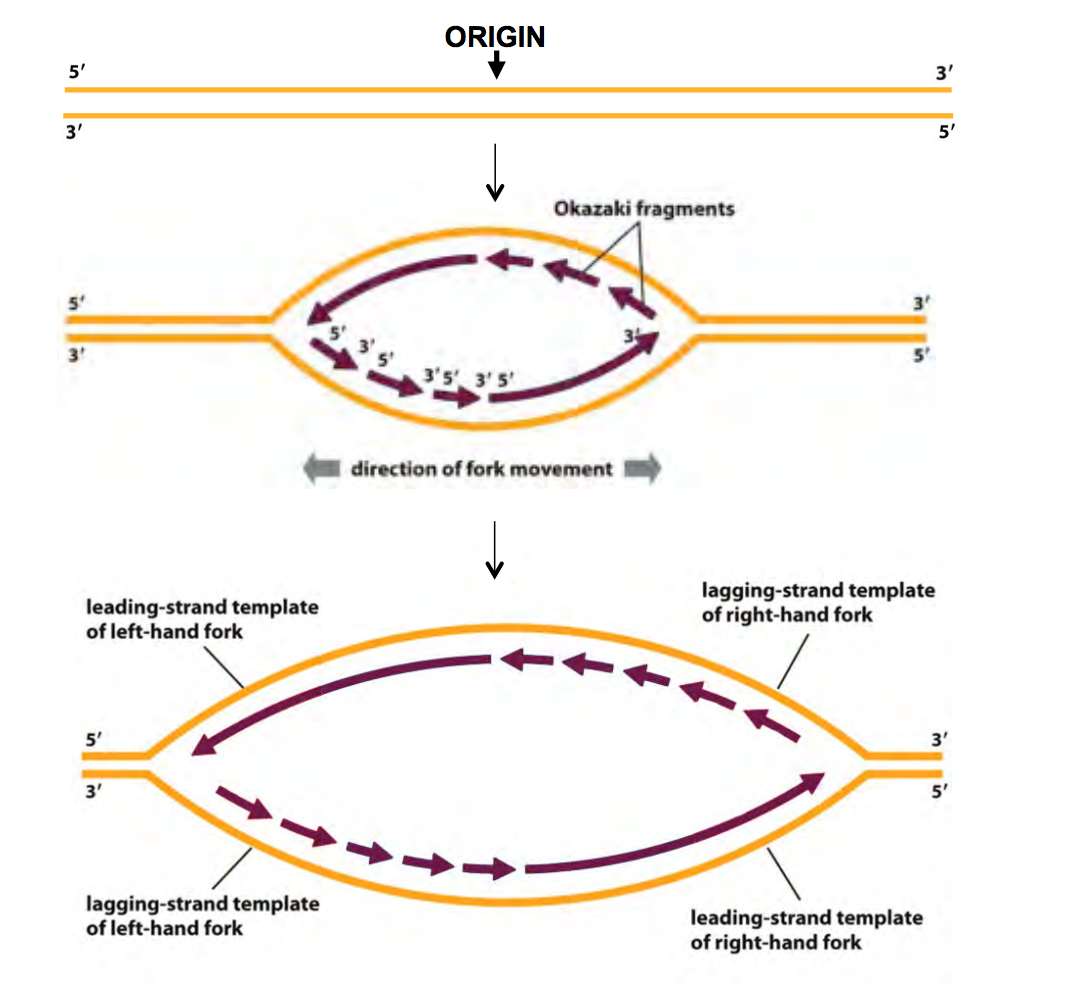
- DNA replicates by Semi-Conservative replication. ALWAYS occurs in the 5' (prime) to 3' direction. Double helix opens with the help of initiator proteins .
- the Y shaped junction is called the replication fork. the 2 forks move away from eachother in opposite directions - 'Unzipping' DNA
- DNA polymerase synthesises new DNA usinf one old strand as a template. Replication occurs at the 'origins of replications' which can be at multiple points of the DNA strand
- When DNA is opened in front of the fork there is an excess of twisting (on other side of the fork) - makes unwinding difficult. TOPOISOMERASE prevents this and releaves tension
- Antibiotics can interfere with DNA replication. QUINOLONES (an antibiotic) interupts TOPOISOMERASE in bacteria (e.g. e.coli)
- Fluoroquinolones (a type of quinolones) -> causes supercoiling
- Trimethropim - Sulfamethoxazole = inhibits DNA synthesis as it targets nucleotide (thymide synthesis) - its has a much higher affinity for bacteria than humans
- Antibiotics can interfere with DNA replication. QUINOLONES (an antibiotic) interupts TOPOISOMERASE in bacteria (e.g. e.coli)
- When DNA is opened in front of the fork there is an excess of twisting (on other side of the fork) - makes unwinding difficult. TOPOISOMERASE prevents this and releaves tension
- DNA polymerase synthesises new DNA usinf one old strand as a template. Replication occurs at the 'origins of replications' which can be at multiple points of the DNA strand
3) Explain the very low level of mistakes in the DNA replication process
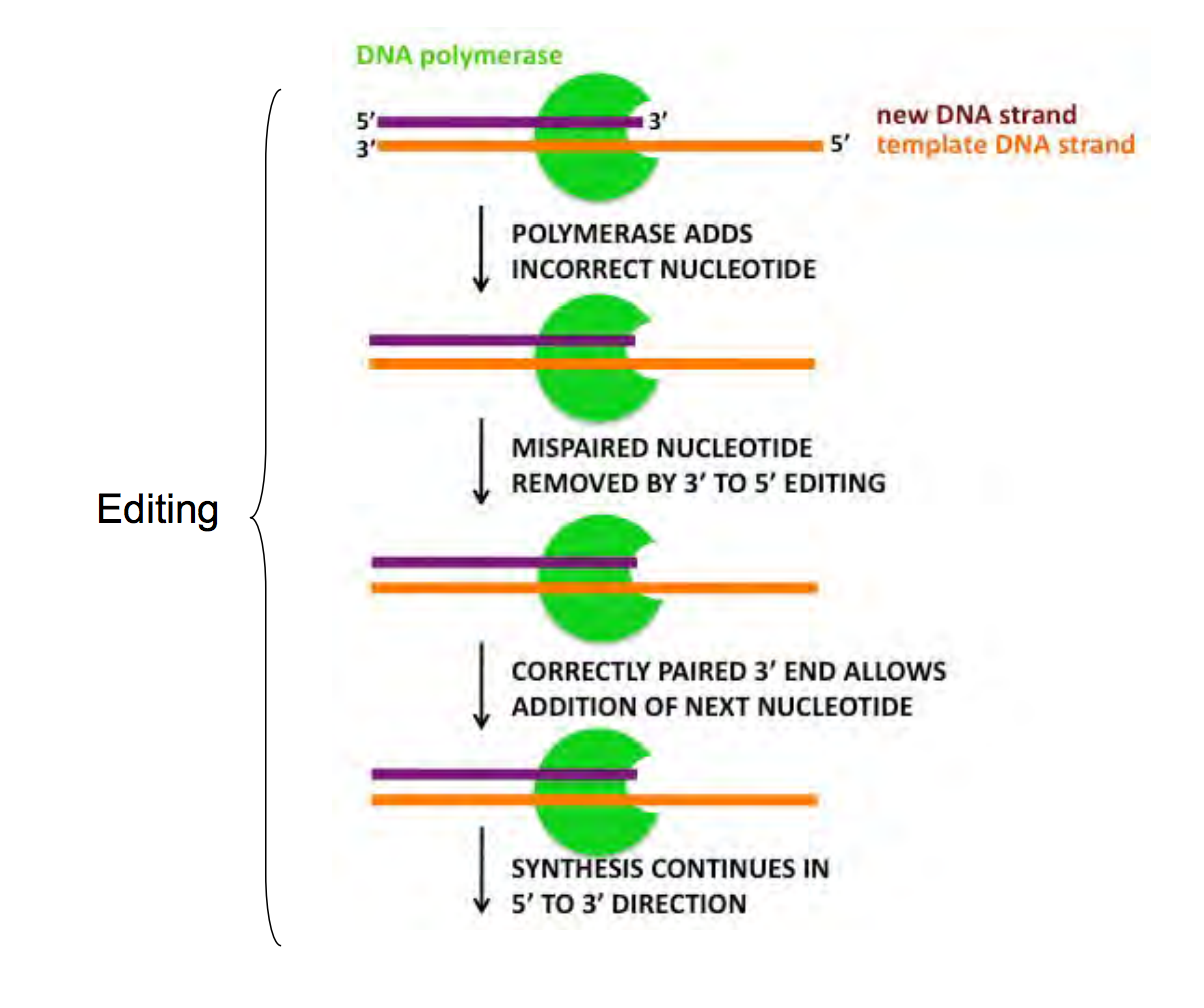
- DNA editing allows correction of mistakes.. WHen polymerase adds incorrect nucleotide. The newly synthesided DNA strand unpairs from the teamplate and moves to error correcting catalytic site to be removed. DNA polymerase has 2 seperate sites for DNA synthesis and DNA editing
- editing
- DNA editing allows correction of mistakes.. WHen polymerase adds incorrect nucleotide. The newly synthesided DNA strand unpairs from the teamplate and moves to error correcting catalytic site to be removed. DNA polymerase has 2 seperate sites for DNA synthesis and DNA editing
4) Outline ethods od DNA repair, with exaples of clinical consequences of defective repair mechanisms
- SINGLE STRAND DEFECTS
- BASE PAIR EXCISION
- this is when one base pair is wrong (e.g. U instead of C) then it is removed by URACIL DNA GLYCOSYLASE the bit of the sugar phosphate backbone is removed and DNA polymerase adds new nucleotide and DNA ligase seals the 'nick'
- NUCLEOTIDE EXCISION REPAIR
- this recognises and corrects distortions in DNA. DNA HELICASE identifies wrong section and cuts out a gap - e.g. 12 nucleotide gap. the DNA polymerase and DNA ligase replace section
- BASE PAIR EXCISION
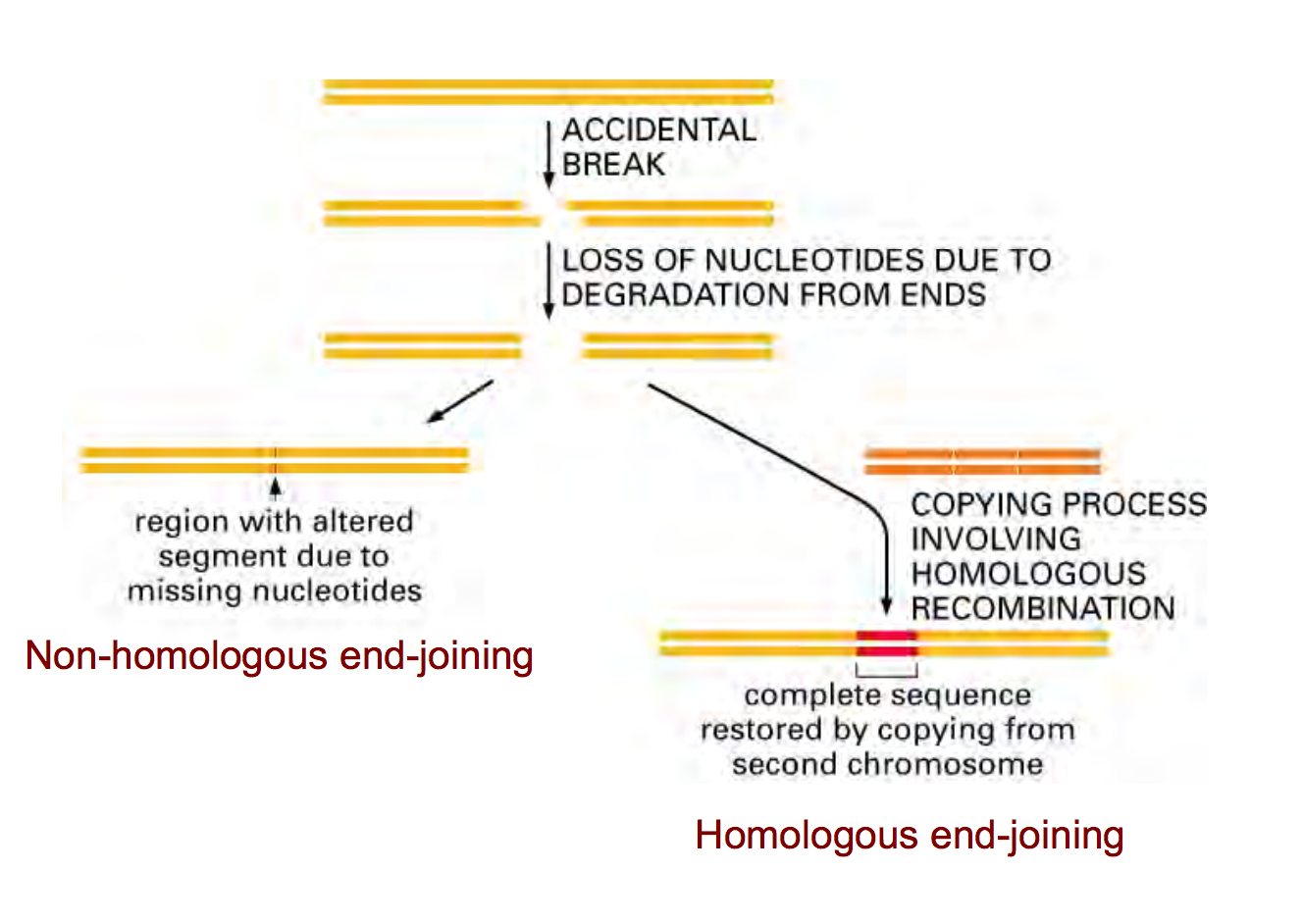
- DOUBLE STRAND BREAKS
- end-joining
- end-joining
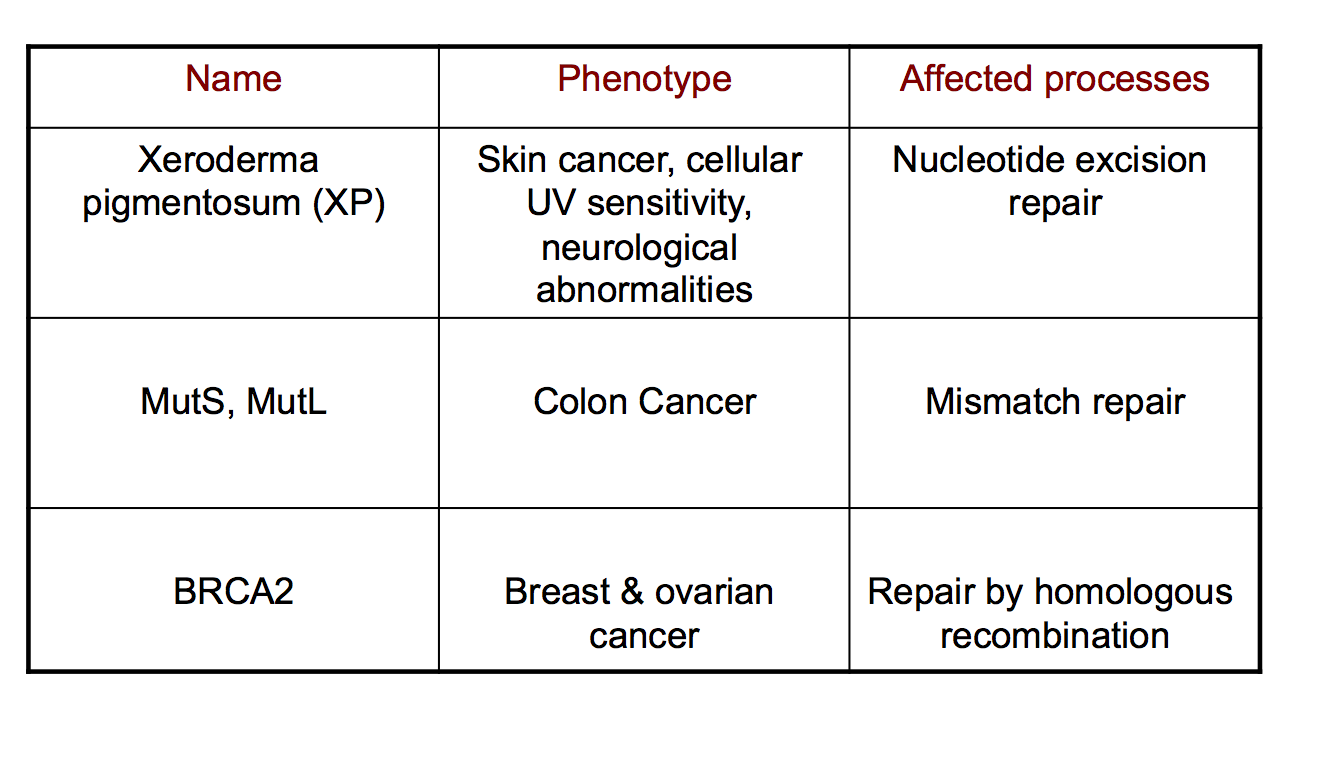
- Inherited DNA repair defects
- SINGLE STRAND DEFECTS