
Mind map
Data Protection
Map content
Data Protection
viruses
- types of virsues
- preventions
- Install and run anti-malware and firewall software. When selecting software, choose a program that offers tools for detecting, quarantining, and removing multiple types of malware. At the minimum, anti-malware software should protect against viruses, spyware, adware, Trojans, and worms. The combination of anti-malware software and a firewall will ensure that all incoming and existing data gets scanned for malware and that malware can be safely removed once detected.
- Keep software and operating systems up to date with current vulnerability patches. These patches are often released to patch bugs or other security flaws that could be exploited by attackers
- Be vigilant when downloading files, programs, attachments, etc. Downloads that seem strange or are from an unfamiliar source often contain malware.
- Worms can spread from device to device, but unlike a virus they don’t need to attach themselves to other programs. Worms can copy themselves hundreds of times, so they can very quickly harm your device and other devices. A worm might copy itself onto your email account and then send a copy to all of your email contacts!
- A trojan horse (or just a trojan) pretends it will be a useful and safe program, when actually it will try to attack your device.
- Spyware is software that installs itself onto devices and then steals personal information about the user, like passwords, email addresses and other important information
- A rootkit is a type of malicious software designed to remotely access or control a computer without being detected by users or security programs. Once a rootkit has been installed it is possible for the malicious party behind the rootkit to remotely execute files, access/steal information, modify system configurations, alter software.
- preventions
- Malware is a software which is specifically designed to disrupt or damage a computer system
- types of virsues
Hacking
- preventions
- A hacker is a person who breaks codes and passwords to gain unauthorised entry to computer systems
- Many hackers often don't intend to cause damage or steal data, they just enjoy the challenge of breaking into a system.
- However, in some instances the hacker's purpose could be to commit fraud, to steal valuable data or to damage or delete the data in order to harm the company
- phishing
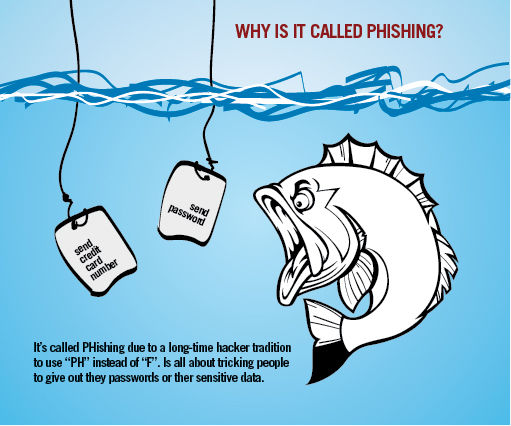
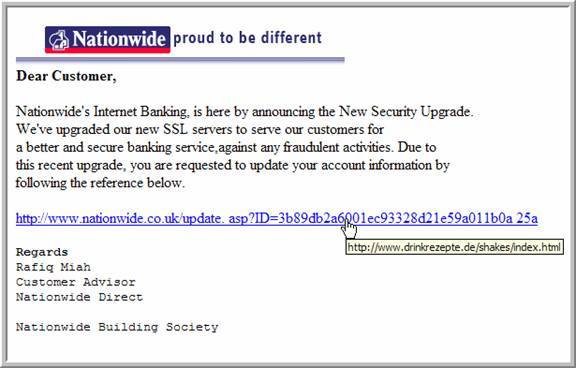
- Phishing is the attempt to acquire sensitive information such as usernames, passwords, and credit card details (and sometimes, indirectly, money), often for malicious reasons, by masquerading as a trustworthy entity in an electronic communication.
- Phishing is the attempt to acquire sensitive information such as usernames, passwords, and credit card details (and sometimes, indirectly, money), often for malicious reasons, by masquerading as a trustworthy entity in an electronic communication.
Legislation
- Computer misuse act
- The Computer Misuse Act (1990) recognised the following new offences: Unauthorised access to computer material. Unauthorised access with intent to commit or facilitate a crime. Unauthorised modification of computer material. Making, supplying or obtaining anything which can be used in computer misuse offences.
- Data protection act
- The Data Protection Act 1998 (DPA) is an Act of Parliament of the United Kingdom of Great Britain and Northern Ireland which defines UK law on the processing of data on identifiable living people.
- Computer misuse act
Images and files in the map
Information
- Description
- Mind Map on Data Protection, created by scott jackson on 09/03/2016.
- Created by
- scott jackson
- Views
- 0
- Rating