
Mind map
WANs and LANs
Map content
WANs and LANs
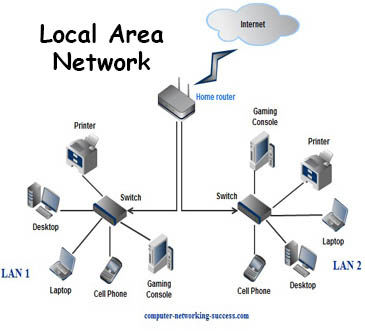
LANs
- Advantages
- Enables Digital Communication
- Enables Sharing of Information
- Enables sharing of peripherals
- Enables distributed processing
- Multiple computers simultaneosly running the same program
- Enables multiple computers to be updated from one central point
- Disadvantages
- Requires some expertise to install and maintain
- Costly
- security issues
- Viruses
- Hackers
- Spyware
- Requires some expertise to install and maintain
- Hardware Needed
- Multiple computers/nodes
- All with a Network Interface Card
- Data Transfer Media
- Wires
- Wireless Technology
- Hub or Switch
- Router
- Multiple computers/nodes
- Types of Network
- Peer-to-Peer
- All nodes have the same status
- Data transfer may be slow
- Data collisions
- Shared process power
- Only suitable for low-traffic networks
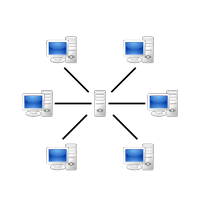
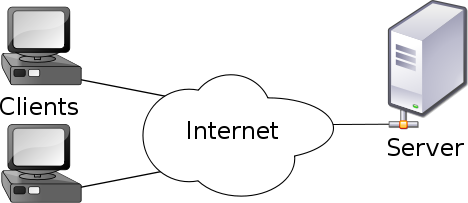
- Client-Server
- One computer is the server
- This computer needs to be high spec
- Large networks may have multiple servers
- Clients must sign in so their identification is known
- Jobs
- To manage traffic on a network
- To give security to users
- To offer services like software and data to the clients
- One computer is the server
- Topologies
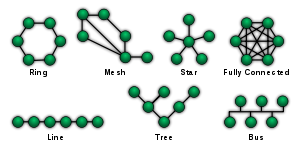
- Bus
- Cheap
- If the main cable breaks the whole network may suffer
- Ring
- No data collisions
- If the main cable breaks the whole network may suffer
- Star
- Very reliable
- Very expensive
- Bus
- Peer-to-Peer
- Advantages
WANs
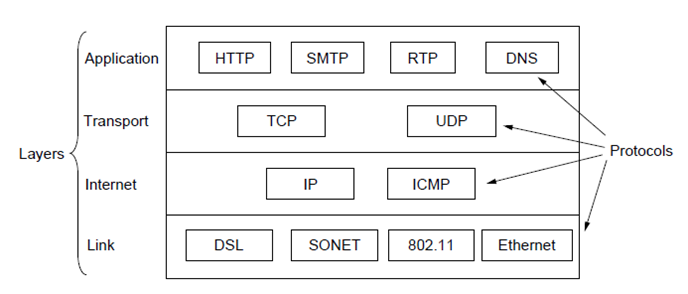
- Internet Protocols
- Addressing Protocols
- Data Transfer Protocols
- A group of protocols that underlies the internet
- There are many other specific protocols for particular tasks
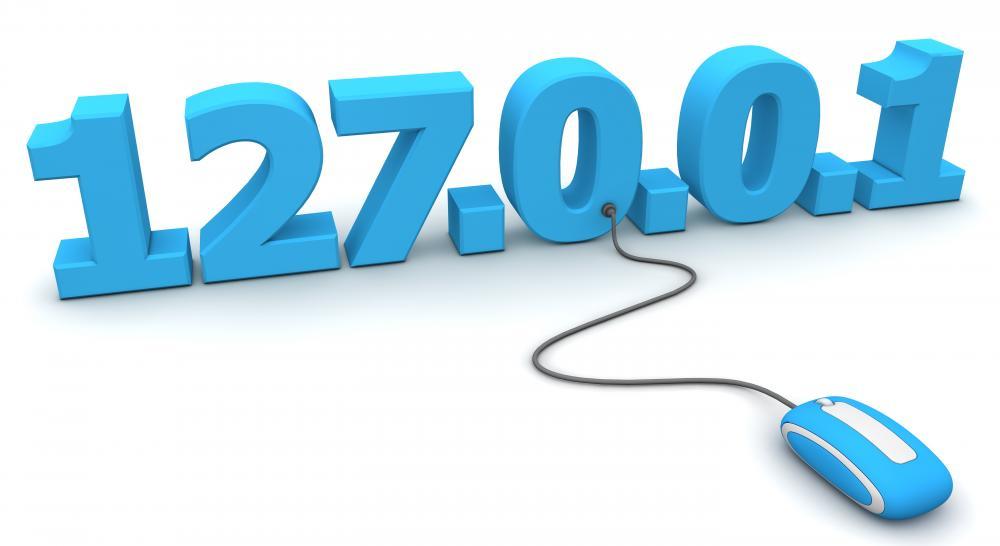
- Every node on a network has an IP
- 'Internet Protocol' - a unique sequence of four octets
- This may not remain the same when it rejoins a network
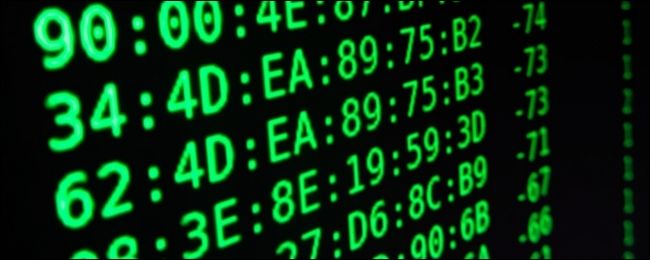
- Each device has a MAC address hardwired into it
- 'Media Access Control' - 12-digit hexadecimal number
- Cannot be changed
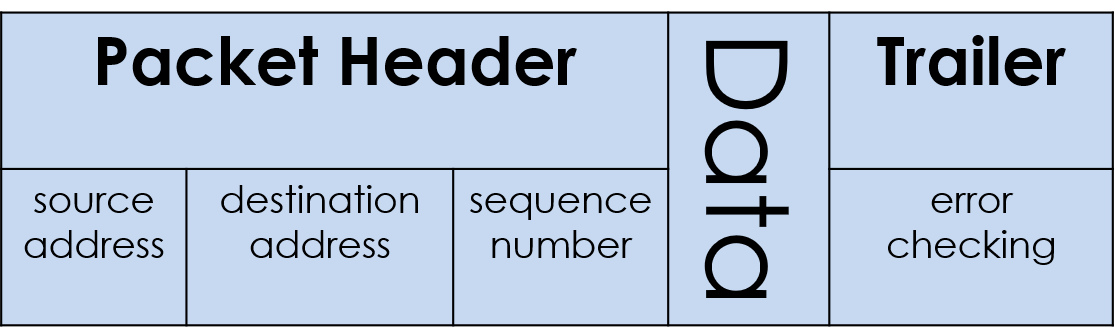
- Packets
- When data is sent across a network it is split into packets
- Packet structure
- Packet Address
- The data is set from router to router until it reaches its destination
- Security
- Access Levels
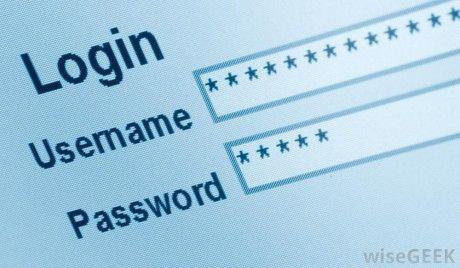
- Passwords
- Encryption
- Policies
- Acceptable use policies outline how people should behave when using a network
- Sanctions/punishments for those who don't use them properly
- Disaster Recovery
- RAID
- backup
- Surge protector
- reduces likelihood of overloading in the event of a power surge
- Back up generator
- Security
- Failover
- Making a system unbreakable
- Regular Archiving
- RAID
- Internet Protocols
By Josh Watkins
Images and files in the map



Information
- Description
- An incomplete mind map for the Networking topic
- Created by
- Josh Watkins
- Views
- 108
- Tags
- Rating