
Mind map
C5

Map content
C5
Chemicals in the atmosphere
- Molecular Substances
- Molecular Diagrams
- Displayed Formula
- O=O
- Shows atoms and covalent bonds, so you can tell how they're joined together.
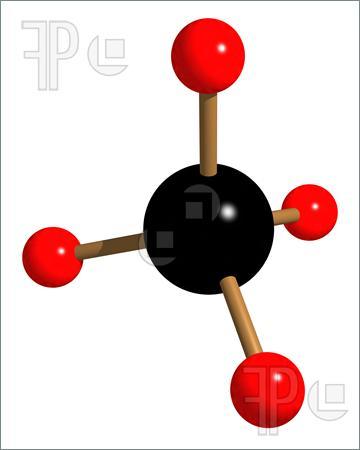
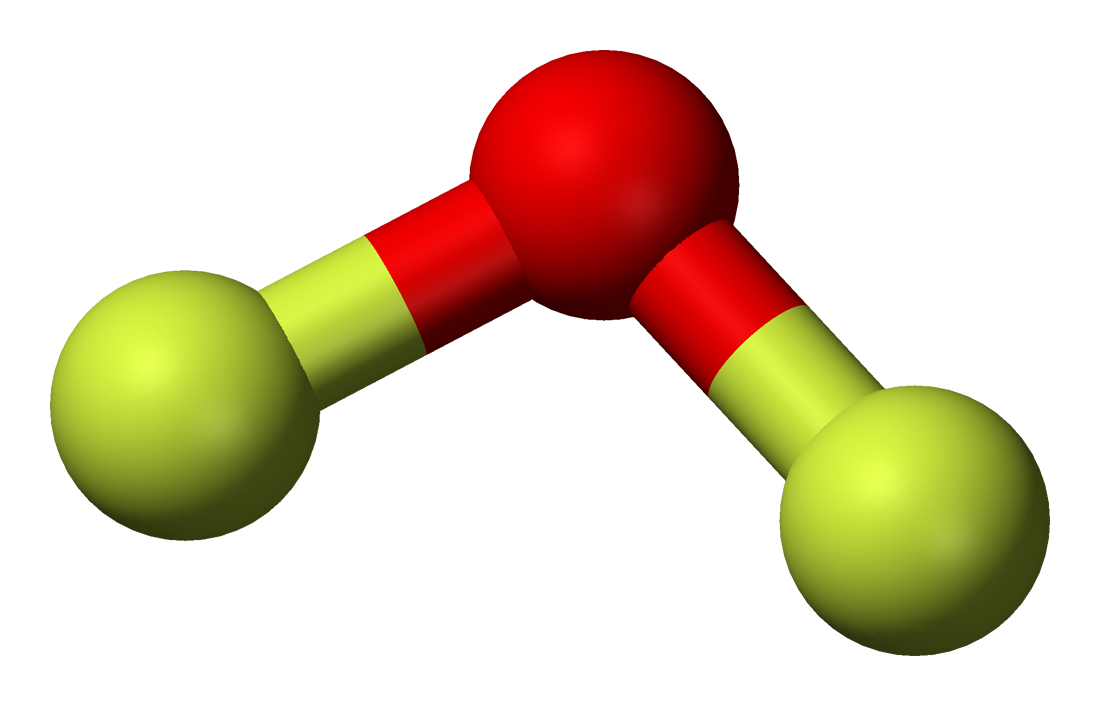
- 3-D model
- Shows the atoms, their covalent bonds and their arrangement in space next to each other.
- Displayed Formula
- Molecular substances have LOW boiling and melting points.
- Gasses in the atmosphere are molecular because they contain atoms joined together in small molecules.
- Atoms within the molecules have a very strong covalent bonds.
- But have very weak forces of attraction between the molecules. Which is why they're all gasses or liquids at room temperature and have low melting and boiling points; because it takes little energy to separate the weak forces of attraction.
- Atoms within the molecules have a very strong covalent bonds.
- Don't conduct electricity because there are no free electrons/charges.
- Most non-metal elements and compound form molecular substances.
- Molecular Diagrams
- Dry air is a mixture of gasses
- 21% Oxygen
- 78% Nitrogen
- 0.04% Carbon Dioxide
- 1% Argon
- Molecular Substances
Covalent Bonding: Sharing Electrons
- Atoms bond covalently to complete their outer shell. But rather than gaining or loosing electrons, atoms achieve a complete outer shell by sharing electrons.
- Hydrogen
- Needs just one electron to complete it's outer shell each atom bonds with another hydrogen atom.
- Which is why hydrogen exists as a diatomic molecule.
- Carbon Dioxide
- Carbon needs FOUR more electrons to complete it's outer shell, oxygen needs TWO.
- So a double covalent bond is formed, as the atoms share 2 electons.
- Carbon needs FOUR more electrons to complete it's outer shell, oxygen needs TWO.
- Hydrogen
- Each atom involved has to make enough bonds to fill up it's outer shell.
- Electrostatic attraction spurs the bonding.
- Atoms bond covalently to complete their outer shell. But rather than gaining or loosing electrons, atoms achieve a complete outer shell by sharing electrons.
Identifying Ions
- Flame Tests for Positive Ions
- Sodium, Na+
- Orange/yellow flame.
- Potassium, k+
- Lilac flame.
- Calcium, Ca2+
- Red flame.
- Copper, Cu2+
- Blue/Green flame.
- Sodium, Na+
- A precipitate reaction is where two solutions react to form an insoluble solid compound, this is the precipitate.
- The colour of the insoluble hydroxide tells you which positive ion was in a solution.
- Flame Tests for Positive Ions
Chemicals in the Hydrosphere
- All the water in earth and the compunds dissolved in it.
- The ocean is salty because many of the compounds are dissolved salts.
- Solid ionic compounds form crystals.
- A giant lattice of ions form beacuse of the strongly attracted oppositely charged ions. Ionic bonds are very strong chemical bonds between the ions.
- Ionic compounds have high melting and boiling points (molecular substances have low)
- Beacause forces of attraction are very strong, therefore it takes a lot of energy to overcome them. This makes them solids at room temperature.
- Ionic compounds have high melting and boiling points (molecular substances have low)
- Ionic compounds conduct when molten or dissolved.
- A giant lattice of ions form beacuse of the strongly attracted oppositely charged ions. Ionic bonds are very strong chemical bonds between the ions.
- All the water in earth and the compunds dissolved in it.
Chemicals of the Lithosphere
- Giant Covalent Structures
- Carbon
- Diamond
- The carbon atoms in diamond form FOUR covalent bonds.
- The carbon forms a very ridged, giant covalent structure.
- It is the hardest natural substance therefore an ideal cutting tool.
- High melting point because the covalent bonds are very strong. Diamond is insoluble.
- No free electrons therefore cannot conduct.
- Graphite
- Also made of carbon but has a different covalent structure.
- Each carbon atom only forms THREE covalent bonds.
- This makes graphite slippery thus useful as a lubricant because the layers are free to slide over each other.
- Also, because there are only three covalent bonds, the layers are held together loosely, this means they are able to be rubbed off onto paper.
- Has a high melting point.
- Graphite CAN conduct electricity because only 3 of carbon's 4 outer electrons are used in the bonding. There is 1 free electron per bond.
- Diamond
- Silicon Dioxide
- Most silicon and oxygen in the Earth's crust exits as the compound silicon dioxide.
- Each grain of sand is one giant silicon dioxide structure.
- High melting point
- Doesn't conduct electricty
- Carbon
- Comprising of the crust and mantle, the lithosphere is made up of a mixture of minerals such as; silicon, oxygen and aluminium.
- Different types of rock contain different minerals and elements.
- e.g. the compound limestone (CaCo3) contains a lot of calcium (Ca)
- Different types of rock contain different minerals and elements.
- Giant Covalent Structures
Images and files in the map
Information
- Description
- GCSE Chemistry (C456) Mind Map on C5, created by Lily Duffy on 17/04/2017.
- Created by
- Lily Duffy
- Views
- 1
- History
-
- Created by erin cobo · Jun 7, 2015
- Copied by Lily Duffy · Apr 17, 2017
- Rating